
I am dedicating this special Earth Day BookNotes to a long review of one new book, one that we are particularly excited about, for a variety of reasons, as you will see.
We’ve done other lists of ecological books, and we suggest revisiting those BookNotes columns and lists that are important to us, HERE, HERE, or this long and somewhat dated essay about, among other things, being disappointed by Kurt Vonnegut and living near Three Mile Island, HERE. Some of the books mentioned in passing may not even be in print anymore, and the prices are surely different, but many from these three BookNotes are easily available. I hope you enjoy my reflections. Thanks for caring.
Other than this big brand new one I’m reviewing today, I’d also most eagerly recommend these four fabulous books offering foundations for a Biblically Christian view of creation care; interestingly, the authors of which admire the work of the Gail Gunst Heffner and David Warners, who wrote the book that today’s book review explores. We’ve highlighted these others before so I won’t say much but had to highlight them as they are so good. The fourth one listed, published by Calvin College Press, is one where the authors of today’s book appear, as well. They obviously have a lot to offer.
TO ORDER FROM US HERE AT HEARTS & MINDS, JUST SCROLL TO THE BOTTOM AND CLICK ON THE ORDER PAGE LINK WHERE YOU CAN SECURELY SHARE NECESSARY INFORMATION. WE’LL PROMPTLY CONFIRM AND SEND YOUR ORDER OUT WITH A SMILE AND A PRAYER. ALL BOOKS MENTIONED ARE 20% OFF.
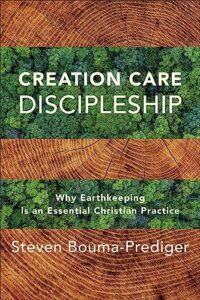 Creation Care Discipleship: Why Earthkeeping Is an Essential Christian Practice by Steven Bouma-Prediger (Baker Academic) $25.99 OUR SALE PRICE = $20.79
I’ve raved about Steven’s previous works from his classic For the Beauty of the Earth to the fabulous Earthkeeping and Character: Exploring a Christian Ecological Virtue Ethic. This recent one is smart and not at all simplistic, but really foundational, if you will. Everybody should read this. It’s a must, showing how creation-care should be an ordinary part of faithful discipleship.
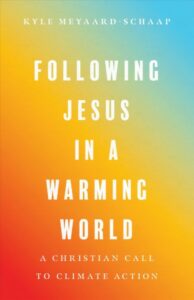 Following Jesus in a Warming World: A Christian Call to Climate Action by Kyle Meyaard-Schaap (IVP) $18.00 OUR SALE PRICE = $14.40
Kyle Meyaard Schaap is one of these fabulously passionate, delightful young leaders who is good at Bible teaching, theology, storytelling, knowing theoretical insights and offering down-to-earth practical guidance about faithful steps. Richard Mouw calls it “marvelously engaging.” Highly recommended.
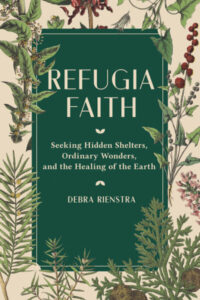 Refugia Faith:Seeking Hidden Shelters, Ordinary Wonders, and the Healing of the Earth by Debra Rienstra (Fortress Press) $23.99 OUR SALE PRICE = $19.19
This hardback is one of the most moving, graciously written, glorious book about eco-care that we know of. It explores with faith-informed glory all about caring for the Earth. Debra is cited by the book below as she should be (but she does teach with the authors at Calvin University in Grand Rapids.) This is one of the best books I’ve read in recent years, and it repays multiple reads. Truly lovely even as it makes you re-think much.
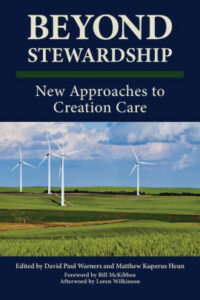 Beyond Stewardship: New Approaches to Creation Care edited by David P. Warners and Matthew Kuperus Huen (Calvin College Press) $17.99 OUR SALE PRICE = $14.39
I’ve explained this amazing collection of essays before and, curiously, all three of the above mentioned authors have chapters included. It should be better known, I’d think — there is a lovely, good foreword by Bill McKibben and an important afterword by Loren Wilkinson. Although the book is not overly heady or academic, it is audacious in many ways: it invites us to ponder whether the paradigm of “stewardship” of creation it itself a helpful way to think about our relationships with other creatures in God’s world. Maybe not, they say, in many ways, from many angles. There’s a lot in this rare volume and I find myself coming back to it for time to time. It would make a fantastic study book for those wanting to dig deeply into the subject. Here’s a fun bit of extra stuff designed for those wanting some visual aids in reading. And there is a podcast with a lively interview with each author of the chapter’s of the book. Hooray. What a good book this is!
+++
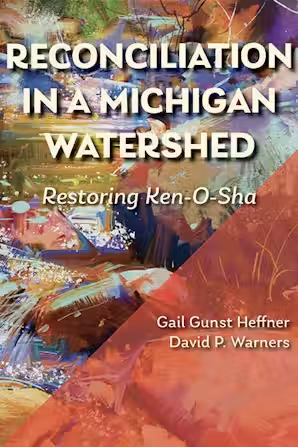
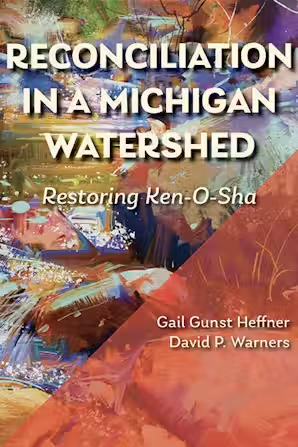 Reconciliation in a Michigan Watershed: Restoring Ken-O-Sha Gail Gunst Heffner & David P. Warners (Michigan State University Press) $29.95 OUR SALE PRICE = $23.96
While on a panel at Calvin University’s Festival of Faith & Writing a week or so ago, I was asked, while sitting next to the wonderful Anne Bogel and Karen Swallow Prior, by our conversation partner, Jennifer Holberg, what books these days have brought me joy.
I rattled off a handful of fun, recent reads, books I’ve delighted in, either because they were a touch silly (like the great, smart novel by Bob Hudson, The Beautiful Madness of Martin Bonham telling the wild fiction of starting a college department about the love of God and how a local seminary objected) or just because they were so very well-written (Beth and I simply adored Lost and Found: Reflections on Grief, Gratitude, and Happiness by esteemed writer Kathryn Schulz) or that were truly funny, if dark, such as the most recent by a fabulous author Harrison Scott Key (How to Stay Married: The Most Insane Love Story Ever Told.) I could have mentioned Jennifer’s own book, Nourishing Narratives: The Power of Story to Shape our Faith which is a book-lover’s dream and promises great delight for those that value reading and stories.
One that I mentioned is not intentionally funny or overly joyful, even, but it has brought more delight than anything I’ve had in my hands in ages.
This is one I’ve been waiting for.
Reconciliation in a Michigan Watershed: Restoring Ken-O-Sha by Gail Gunst Heffner and David P. Warners is a book of hope, telling a remarkable story with great care and nuance, teaching, preaching, exploring, and documenting a decades-long, brave, hard, journey into reconciliation ecology as it informs the cleaning up and care of a creek that runs through the city and regions around Grand Rapids, Michigan. Reconciliation in a Michigan Watershed tells of the restorative work of many community partners organized through teams at Calvin College (now University) and their Office of Community Engagement.
It is a story I want to celebrate now — here in this special Earth Day edition of BookNotes — because it is stunningly important and exemplary (as we shall see) but also because it is a long labor of love by two dear friends of ours. One of the authors, Gail Gunst Heffner, is one of our best and oldest friends in the world (who helped us launch our store in the early 1980s.) You should know we want to be a champion for her extraordinary work.
 Gail has a PhD in urban studies and used her graciously outgoing personality to expertly serve the greater Grand Rapids area by harnessing the social capital and resources (and sometimes, sheer person-power) of Calvin College, finding ways to partner with agencies doing good work in the area. From racial justice topics to housing and public health concerns to big ecological issues, she served the Provost of the college by building neighborhood networks, serving on the Boards of nonprofits, writing grants, meeting with church, community, and civic groups, listening well so as to help the college learn what the city might need of it. I don’t know if other colleges have such an “Office of Social Engagement” but Gail has done remarkable work in this important role.
Her previous work for the college on academic-based service learning (twenty-some years ago she co-edited a ground-breaking book called Commitment and Connection: Service-Learning and Christian Higher Education) already had cache as Calvin became recognized as one of the best examples of such academic-based service learning, department by department, helping students learn well by serving the community in particular ways, suited to their disciplines. That Gail and some of her colleagues from the service-learning world were asked to offer guidance to institutions of higher learning in the aftermath of the dismantling of apartheid in South Africa indicates her mature leadership in discerning and living into God-honoring initiatives of transformational social change.
And so the Plaster Creek Stewards came into being and was one of the many projects Gail (co)-organized and managed. Many Calvin colleagues — from the hard sciences to oral historians to computer science techies and more — joined the movement to recruit folks to clean up Plaster Creek, then considered one of the most polluted waterways in Western Michigan. We have followed her leadership on this from afar for more than a decade and have prayed for this book’s pages for years. What a joy to now hold it. And to tell you about it.
The other author of Reconciliation in a Michigan Watershed, David Warners, is a brilliant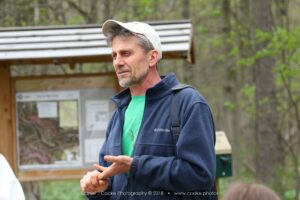 scientist (with a specialty in botany), a scholar of creation care theology, and an excellent, beloved Calvin biology professor. He co-founded the Plaster Creek Stewards and took up the cause of stewarding Plaster Creek with whole classes of eager students, realizing early on that simple riverside restoration is incredibly complex. History, as they say, is messy, and such ecological projects are, like most everything else, rooted in history.
Gail understood better than most some of the deeper implications of the study of environmental racism (see her chapter on this in Beyond Stewardship: New Approaches to  Creation Care called “Making Visible the Invisible”, mentioned above) while Dave knew well the exceedingly detailed webs of ecological complexity; together they and their teams started to share with those living in the watershed stuff about healing the degradation, reparations such as bioswales and rain gardens; they researched and warned about the dangerously high E-coli levels in the water, and why industrial pollution and agricultural run-off (that is, fertilizer from farms and lawns) upstream simply must be understood as it damages everything downstream. What does it mean to love your downstream neighbor, they asked. It’s an important question for all of us, since we are all situated in watersheds.
(Did you know there is a sub-science and movement of those helping care for urban waterways, coping not only with rainwater flash floods and sewer drains and underground streams and such, but urban wastewater and more? It is not a major part of this book, but you will learn a bit about this little understood scene; Plaster Creek is, largely an urban watershed.)
To start even small projects of river restoration one can clear brush and replant native plants and do any number of simple gestures of inhabiting a watershed in healthy ways. But, again, the bigger questions, as Reconciliation in A Michigan Watershed so painstakingly shows, have to do with how early European settlers understood water and their practices of managing it in certain ways, the rise of industrialization and urbanization and ways storm run-off and sewage treatment plants work. It has to do with agricultural policies and factory farms (and, yes, other sorts of factories that even in our day and age dump chemicals into creeks and rivers.) Plaster Creek Stewards very quickly became much more than happy college kids volunteering to clean up waterside litter or plant some lovely native flowers. They faced what we sometimes call structural and systemic matters, and questions of who gets a voice (“a seat at the table” as they say) and who calls the shots becomes urgent. They tell the story with flare; it is a bit unclear if they realized, starting the project so many years ago, what all they were getting themselves into!
I will never forget as long as I live the exact place Beth and I were — in our van while returning home from an out-of-state trip — when Gail called us to ask for immediate prayers. Their ongoing work in community development and grass-roots organizing led to sometimes contentious community meetings, town hall forums, civic gatherings, and zoning debates in boroughs and townships around Grand Rapids about policies and protocols. As the book tells — it’s a page-turner but not overly flamboyant — they had just received bomb threats!
Was it from industrial scale farmers? Racist opposition from anti-indigenous people movements? Fancy but ill-informed suburbanites who thought native plants would hurt their little near-by park? I’m paraphrasing here, but you can imagine the sorts of people that get up in arms (in this case, literally) when college activists, no matter how gracious and willing to listen, start talking green. One person got into the faces of our friends and spit out that they don’t trust academics and they don’t trust scientists. David and Gail are among the nicest people on the planet, and I wish the book told even more about how they felt and handled these egregious opponents, some most likely packing heat, as they tried to help restore this messy, abused waterway.
 Reconciliation in a Michigan Watershed: Restoring Ken-O-Sha has as its subtitle the indigenous people’s name for what the European settlers re-named Plaster Creek, and this is a very important aspect of the book. David and Gail learned early on that to truly understand the devastation of the watershed — that had been cared for wisely for centuries by the Hopewell people, the Anishinaabeg clans, and then what the French called the Ottawa — they would have to learn from and partner with Native peoples.
The chapters about the history of 18th and 19th century friendships and broken treaties, forced removals and residential schools, and all the rest of the devolving of peaceful, cross-cultural relationships, are captivating and compelling and tragic. Their accounts of visiting local burial mounds (most were destroyed by those forming the city of Grand Rapids, even as they drained the landscape starting in the mid-1800s) is very moving and their respectful citations of Native sources is fabulous.
For anyone who has been reading First Nations stuff (or learning about the Doctrine of Discovery) this will be good to take up after, say, The Land is Not Empty: Following Jesus in Dismantling the Doctrine of Discovery by Sarah Augustine (Herald Press) or Mark Charles & Soong-Chan Rah’s Unsettling Truths: The Ongoing, Dehumanizing Legacy of the Doctrine of Discovery (IVP.) I think Randy Woodley’s Shalom and the Community of Creation: An Indigenous Vision (Eerdmans) is essential reading, here, and would be a good companion volume to pair with Reconciliation… In fact, with their good section comparing worldviews and the assumption different worldview communities bring to their engagement with the natural world, and water, particularly, they might have cited his Indigenous Theology and the Western Worldview: A Decolonized Approach to Christian Doctrine (Baker Academic) Woodley is a respected Cherokee teacher, missiologist, and historian who brings a good word for any of us who think about these things.
Those of us not from the Great Lakes regions, I think, have much to learn from this quick but solid overview. We may know about the Appalachian Trail of Tears or the storied Plains Indians or the great struggles of the Sioux against Custer and the like; we are eager to learn about the lively cities in the American Southwestern deserts but for some of us, the Hurons and Ottawas are less known, I suspect. I might want to give a shout-out to last year’s National Book Award Winner The Rediscovery of America: Native Peoples and the Unmaking of U.S. History by Ned Blackhawk, published by Yale University Press, but Reconciliation in a Michigan Watershed nicely does some of the heavy lifting for those wanting a glimpse of the history of Native Peoples and their encounters with the influx of Europeans into their homelands. To be clear, Heffner & Warners want to learn from the worldview of those who once lived in the watershed area not only as a justice issue but also for practical reasons: the Ottawa seemed to know a thing or two about rivers, fishing, farming, developing culture, housing, and watershed care long before we coined the phrase “sustainability.” Could we, even now, learn from local Native people? This book tells some stories and offers some good guidance, an aspect of the watershed restoration project that I had not quite expected. If you liked the beautiful, powerful Braiding Sweetgrass: Indigenous Wisdom, Scientific Knowledge and the Teachings of Plants by Robin Wall Kimmerer [Milkweed Editions] you’ll appreciate their efforts, I’m sure. Kudos!
In any case, Heffner & Warner’s eagerness to integrate the history of Native peoples and honor their capacity to live well within the watershed is a great value of the book. How great it is that a major blurb on the back cover is from Ron Yob, Chairman of the Grand River Bands of Ottawa Indians, who found it “extremely interesting.” He is right in saying that it is “written for the benefit of all living creation.” And non-living creatures, too, all of which, as these Reformed Christians so deeply understand, praise their Maker and give glory to God.
There are three units or parts of Reconciliation… that frame the telling of this story that unfolded year after year in Grand Rapids. The first they call “Discovered Ignorance” which is how they came to recognize the depths of the problem From some of Ken-O-Sha’s geologic past to the Plaster Creek watershed today, they explore the native peoples that once cared well for the river known (then, as the name, translated, indicates) for plentiful Walleyes.
And they tell how pollution was an early feature of white European colonial impact — missionaries and pioneers and those running trading outposts discovered gypsum along the banks of the Ken-O-Sha and they mined it fiercely, creating buildings and barges and railways to send the cheap fertilizer as far away as San Francisco. Coupled with the notoriously savage clear cutting of old-growth forests for the lumber barons — Grand Rapids still is considered one of the fine centers of the furniture industry — the stewardly care for the ecology of Western Michigan has been a disaster. Such disregard for creation came to a symbolic head when the Cuyahoga River in Cleveland (just a bit south) caught fire in 1969! Of course, the polluted river had caught fire plenty of times before that and it was legendary in those parts, south of Lake Erie, the lake into which it flows. Ken-O-Sha, or Plaster Creek, flows directly into the Grand River, which not far away flows into the beautiful, but troubled, Lake Michigan. This, frankly, is part of the story of most of our regions and it is good to see how these authors invite us not to guilt but to honesty about our past and possibly present complicity in ecological brokenness.
After two chapters on naming the problems, the important Part 2 “acknowledges our complicity” by teaching us more about the interactions between the Ottawa and European immigrants, the fascinating development of European settlement in West Michigan and what they’ve learned from careful archival study about the impact upon Plaster Creek. There have been violent episodes in the harsh periods of colonization and too often attitudes of white, Christian, supremacy (that are seen yet today.) Their section called “Worldview Contrasts and Ecological Fallout” is a tremendous case study in how various groups perceive and engage in the world around them and what those with a more modernist worldview might learn from indigenous wisdom.
As social and natural scientists informed by what some might call a neo-Calvinist or even somewhat Kuyperian sort of world-and-life orientation — Calvin University is known for its legacy of “thinking Christianly” as they integrate faith and scholarship — these author’s insights into the influences of world-and-life social imaginaries is delightfully evident; that a book on a major, scholarly publishing house like Michigan State University Press includes footnotes from the likes of James Sire, for instance, is notable. Naturally, our authors are fluent with many of our best eco-thinkers and writers, from Wendell Berry to David Orr, from Fred Bahnson and Norman Wirzba to Gretel Van Wieren, and the important Doreceta Taylor and the inspiring Richard Louv. It isn’t every day we see citations from Ched Myers’s edited volume, Watershed Discipleship: Reinhabiting Bioregional Faith and Practice but, obviously, it is important for them. You want “ecological literacy”? Dave can tell you the names of hundreds of plants and they both know the best books and authors which makes reading this a learned delight. Hooray!)
The biggest part of this 280 page book is Part 3, “The New Story of Plaster Creek: Committing to Restoration and Reparations” which is not only a history of their multi-pronged approach but nearly a handbook for social change organizers anywhere. What a delight learning how they wrote grants, organized work crews, evoked artists and poets, partnered with civic leaders, faith leaders, science writers, municipal officials. How diligent, playful, and (often) effective they have been. What a joy — I’m not just saying this! — to be caught up in the energy of living out hopes and dreams, experiencing frustrations and set-backs, learning and teaching, building networks and finding new ways to engage others in caring for ecological responsibility in the local watershed. They tell of working with schools and civic groups, with children and youth, and, obviously, with churches. Interestingly, in one page-turning part that built momentum, they are invited to speak at a local mosque, helping Muslim congregants do their part in caring for the environment. (And there is always the very real, human touch: they admit how Dave thought he was supposed to take his shoes off when entering the mosque, until he realized, later, he was the only one in sock feet. Ha!)
This last third of the book is thrilling, I’d say, and, as many books as I have read about environmental care, Biblical earthkeeping, stewardship, and the like, I have never quite pieced together quite so much about the incredible significance of watersheds and bioregions. (We live near the mighty Susquehanna, that flows into the Chesapeake, by the way, and there is good, good work going on in our area with The Lower Susquehanna Riverkeeper Association, The Watershed Alliance of York, etc.) Reconciliation in a Michigan Watershed is, obviously, a Great Lakes story, but, frankly, it could be easily adapted and used anywhere; it serves as a way to not only motivate and challenge but guide us all into being River Keepers. If you think this is something your not interested in, I’d invite you to prayerfully give it a go — who knows, it might stir something. Who doesn’t value clean water and lovely streams and rivers?
There are colorful chapters on “developing engaged citizens through place-based education” and how to “asses the problems with applied research.” You will be delighted by their stories of “reconciling the human-nature relationship through on-the-ground restoration.” I learned the phrase “green infrastructure” by which they mean various sorts of low-impact development plans to enhance local ecosystems and “rainscaping” like vegetated buffers, channels, rain gardens, bioswales and such.
I mentioned that Gail has already written (a chapter called “Making the Visible Invisible”) on environmental racism and the structures and cultural habits that tend to put people of color at greater risk from toxic sludge and the like, so it is no surprise that this comes up in their fight for Plaster Creek / Ken-O-Sha. They have a section called “Loving Our Downstream Neighbors — a Call for Environmental Justice” which is informed and at times, dramatic.
How local congregations have taken up their call to public justice and cared well for their own facilities is a lovely part of the chapter on engaging faith communities. They tell a variety of stories (including a neat partnership with the National Wildlife Federation and their Sacred Grounds programs resourcing local congregations learn to plant and steward native plantings.
Ahh, and it isn’t always easy — they tell in the book about the EPA calling them asking them to create plans to educate churches upstream about the detriment of dumping farming wastes into the creek; when the feds call the local Christians saying that the polluters “… won’t listen to us but maybe they’ll listen to you”, you know it is a fascinating — and urgent — story!
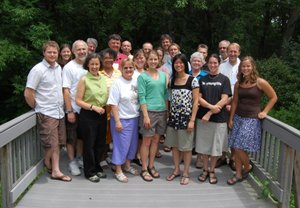 (And, let’s face it — I suspect most of us don’t have freinds who end up with their smiling pictures on the EPA website, congratulating them on their hard work. Reading this book will help you understand why. Hooray.)
Some of you will love the chapter about raising up young ecological leaders — watch the inspiring Youtube video from the website Plaster Creek Steward showing highschool kids doing good work, trained by PCS. All will be inspired by the last piece, entitled “An Invitation to the Work of Reconciliation Ecology Everywhere.” Wow.
Two other quick notes about the book:
One of the ways David and Gail got academic colleagues and students involved was recruiting some to do oral histories of those who once lived near, or still do live within, the Plaster Creek Watershed. The Plaster Creek Oral History Project has not only been charming and interesting but really, really important. These first-hand accounts of the memories of the creek of older folks, the stories of post-WW II neighborhoods and their relationship with the streams and watershed, the stories of modern-day, local, urban kids or contemporary testimony of regional farmers, all make the book come alive. You will not want to miss a single one of these fascinating transcriptions of ordinary folks (some quite unaware of the dangers of chemical pollutants, say, and others who were very involved in working for cleaner waterways.) From stormwater run-off specialists to those working in the sewage-treatment industry, from the mayor’s office to ordinary folk who played and fished in the stream, these first hand stories are magnificent and occasionally quite arresting. This brings the book context and texture — even when the conversation partners called it a “crick.” I get that!
Also, and importantly, their language of reconciliation ecology is somewhat unique, but may be the vanguard of new and faithful ways to describe our projects of the future. They insist that God desires reconciliation between estranged people groups and between people and the creation itself. The interface of peacemaking and justice work between races, genders, and other conflicted groups with the disorientation we all experience when not in harmony with the creation itself is the nexus (they might say) of their gospel work.
That this vision is underpinned by their deep, serious, convictions about Christ’s redemptive arc and the creation-wide scope of Kingdom restoration should be evident, but the work, somewhat funded by Calvin University and inspired by their own life as disciples of the Lord of creation, fundamentally Christian as it may be, isn’t the focus of the book. In plain language, it bears witness to their faith and talks about congregations and worldviews, but it doesn’t feel like a “Christian” book, let alone a theological treatise. It is, of course, shaped and informed by their own wholistic Christian worldview, but it can easily be read by one and all as it is for the general public. In fact, that is one of the great genius points of this profound study — it is for the reading public, to mobilize ordinary folks, for the sake of the world.
This book deserves a wide readership, in part because it is so well told. And it does hope to inspire action; in that sense it has an agenda. It wants to serve the creation that is both glorious and groaning. The first line in the first page of the preface of Reconciliation in a Michigan Watershed notes, “We live in a world of beauty and of wounds.” After a few sentences, they say, “This book tells a story of splendor and provision while also revealing a story of disorder and degradation.”
This is the sort of book that we need more of — thoughtful, Christianly done, but with faith more between the lines, happily accessible to readers of various philosophical views, working out a Christian worldview for the sake of this world of “beauty and of wounds.” I am honored to tell you about it. Beth and I hope many purchase it and commit to working through it over this next season or so. I’m sure you will learn a lot. Maybe, just maybe, it will inspire us all to be agents of God’s reconciling work, even into our own unique places, embedded as we are, in our own particular watersheds.
“A fascinating and moving tale, and a fascinating and powerful book. Reconciliation ecology is a discipline we badly need, and its motto could well be “Unhealthy water reveals unhealthy relationships.” — Bill McKibben, author The Flag, the Cross, and the Station Wagon
+++
TO PLACE AN ORDER
PLEASE READ, THEN SCROLL DOWN AND CLICK ON THE “ORDER HERE” LINK BELOW.
It is helpful if you tell us how you want us to ship your orders. And if you are doing a pre-order, tell us if you want us to hold other books until the pre-order comes, or send some now, and others later… we’re eager to serve you in a way that you prefer. Let us know your hopes.
The weight and destination of your package varies but you can use this as a quick, general guide:
There are generally two kinds of US Mail options and, of course, UPS. If necessary, we can do overnight and other expedited methods, too. Just ask.
- United States Postal Service has the option called “Media Mail” which is cheapest but can be a little slower. For one typical book, usually, it’s $4.33; 2 lbs would be $5.07. This is the cheapest method available and seems not to be too delayed.
- United States Postal Service has another, quicker option called “Priority Mail” which is $8.70, if it fits in a flat-rate envelope. Many children’s books and some Bibles are oversized so that might take the next size up which is $9.50. “Priority Mail” gets much more attention than does “Media Mail” and is often just a few days to anywhere in the US.
- UPS Ground is reliable but varies by weight and distance and may take longer than USPS. Sometimes they are cheaper than Priority. We’re happy to figure out your options for you once we know what you want.
If you just want to say “cheapest” that is fine. If you are eager and don’t want the slowest method, do say so. It really helps us serve you well so let us know. Keep in mind the possibility of holiday supply chain issues and slower delivery… still, we’re excited to serve you.
BookNotes

SPECIAL
DISCOUNT
20% OFF
ALL BOOKS MENTIONED
+++
order here
this takes you to the secure Hearts & Minds order form page
just tell us what you want to order
inquire here
if you have questions or need more information
just ask us what you want to know
Hearts & Minds 234 East Main Street Dallastown PA 17313
read@heartsandmindsbooks.com
717-246-3333
Sadly, as of April 2024 we are still closed for in-store browsing. COVID is not fully over. Since few are reporting their illnesses anymore, it is tricky to know the reality but the best measurement is to check the waste water tables to see the amount of virus in the eco-system. It isn’t good. It is important to be aware of how risks we take might effect the public good — those at risk, while not dying from the virus, are experiencing long-term health consequences. (Just check the latest reports of the rise of heart attacks and diabetes among younger adults, caused by long Covid.) It is complicated, but we are still closed for in-store browsing due to our commitment to public health (and the safety of our family who live here, our staff, and customers.) Our store is a bit cramped without top-notch ventilation, so we are trying to be wise. Thanks very much for understanding.
We will keep you posted about our future plans… we are eager to reopen. Pray for us.
We are doing our curb-side and back yard customer service and can show any number of items to you if you call us from our back parking lot. It’s sort of fun, actually. We are eager to serve and grateful for your patience as we all work to mitigate the pandemic. We are very happy to help, so if you are in the area, do stop by. We love to see friends and customers.
We are happy to ship books anywhere.
We are here 10:00 – 6:00 EST / Monday – Saturday. Closed on Sunday.
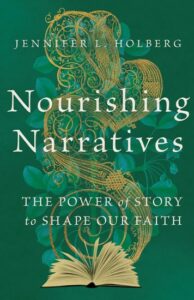 Thanks to those there who were so encouraging as I gave a whirlwind summary of our 40 years in the biz. And how about that panel conversation I got to be in with conference Director Jennifer Holberg (of Nourishing Narratives: The Power of Story to Shape Our Faith) and Ann Bogel and Karen Swallow Prior? What an honor to be with these smart women. For those that want a taste of the event, I’d seriously recommend Dr. Holberg’s wonderful book.
 Over the past years there we’ve heard the great Katherine Paterson (whose lecture decades ago really was important for me — she even mentions it in her marvelous autobiography, Stories of My Life) and John Updike and Anne Lamott (we just got her brand new book in, last week, called Somehow: Thoughts on Love) and a workshop by Bruce Cockburn and presentations by Margot Starbuck and talk by James McBride (ooooh — I hope you know his recent novel The Heaven & Earth Grocery Store.) As with those older events, the FFW 2024 was excellent; it’s rare for us, being with so many like-minded people who care about the printed page and who champion, in various ways, the reading life.
 As I said, it was an amazing honor to get to do a workshop presentation, to be on a well-attended
 What a blast to hear authors we have written about here at BookNotes — Anthony Doerr (All the Light We Cannot See is a modern classic; Cloud Cuckoo Land, which Beth finally loved, is a bit more eccentric.) Yaa Gyasi (her Homegoing is truly epic, a must-read, and the follow-up, Transcendent Kingdom, as I’ve quipped before, is itself transcendent.) Tracy K. Smith’s latest is To Free the Captives: A Plea for the American Soul, about which it has been said to be “a stunning meditation on ritual and collectiveness that explores how older forms of inquiry — from song to prayer to ways of public gathering —might help us all survive violent times and address America’s shared history.” Imani Perry says she is “one of the most beautiful and profound writers of our time.” I very much loved her 2015 memoir Ordinary Light.)
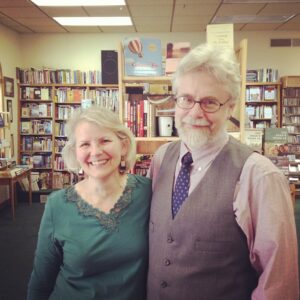 And it is true, so true: we would not have any standing to say anything at these sorts of events if we had not a loyal legion of friends and customers who have supported our efforts over these last decades to somehow reimagine and redefine the nature of a Christian bookstore. I know we’ve not pleased everyone, but we will be forever grateful for those who have hung in there with us, who send us orders regularly, who support our small-town shop here in south-central Pennsylvania. Thank you, readers and book-buyers. Without you, our customers, there would be no Hearts & Minds.
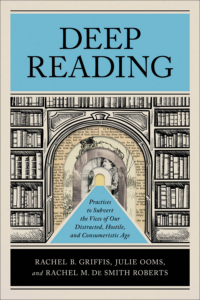 Deep Reading: Practices to Subvert the Vices of Our Distracted, Hostile, and Consumeristic Age Rachel B. Griffis, Julie Ooms, and Rachel M. DeSmith Roberts (Baker Academic) $24.99
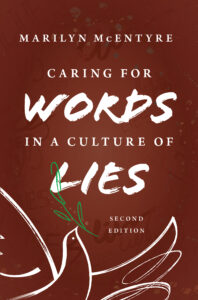 spiritual practice, that fiction and non-fiction both can be used by Godly folks seeking to be more alive to God’s world, and that in a culture that “amuses ourselves to death” with “restless devices”, we simply have to encourage the habits of reading widely and well. We must “care for words in a culture of lies” as Marilyn McEntyre puts it in her wonderful volume of that name.
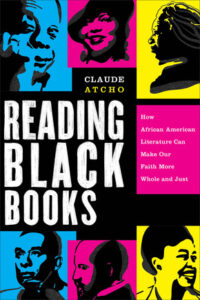 They are also astute about reading literature by and about people of color, of reading books by those different than ourselves, understanding well the liberative results of engaging black books or those written by those who are not from the dominant culture. From The Pedagogy of the Oppressed to James Baldwin through Claude Atchko and Esau McCaulley to bell hooks and, then, authors writing from the perspective of those who have disabilities, they offer fruitful insights. You will be struck, as I was, by their section called “Beyond the Diverse Reading List” offering “inclusive practices to cultivate listeners.” Oh my, this is vital, potent stuff.
 James K.A. Smith and they happily cite many of his works. From the deepest tracks in Desiring the Kingdom and Imagining the Kingdom to the one from the Top Ten Charts (You Are What You Love: the Spiritual Power of Habit, obviously) they use his work well, reminding us that we are shaped by habits, liturgies, ways of being in the world. The things we do, do things to us. That some people in Christian publishing and conservative circles promoted a rather rigid sort of worldview analysis, as if the notion of “worldview” was pretty much just old-school apologetics, is true enough, but not all uses of that word are connected with that kind of orientation.
 The False White Gospel: Rejecting Christian Nationalism, Reclaiming True Faith, and Refounding Democracy Jim Wallis (St. Martin’s Essentials) $30.00
 The last one (which came out in 2019) was a fabulous title that we highlighted here. Called Christ in Crisis? Reclaiming Jesus in a Time of Fear, Hate, and Violence it was about Jesus and how Jesus’s teachings were missed or misused in the political debate.
 For more rigorous historical depth to our analysis of where this trouble came from, see, just for instance, the updated Taking America Back for God: Christian Nationalism in the United States by Andrew Whitehead & Samuel Perry (Oxford University Press) or American Idolatry: How Christian Nationalism Betrays the Gospel and Threatens the Church by Andrew Whitehead (Brazos Press) or Defending Democracy from Its Christian Enemies by David Gushee (Eerdmans.)
 For more recent coverage, you simply must get the excellent The Kingdom, the Power and the Glory: American Evangelicals in an Age of Extremism by reporter Tim Alberta (Harper.) Jim Wallis’s new book is a great introduction to this urgent topic (but you will then want to go deeper with at least one of the above.) Or, if you’ve read some of this historical background with Biblical discernment and you now wonder what to do to bring our Republic back to sensible and just ways, and our churches away from this false gospel orientation, then you will want to read Wallis immediately.
 Jim Wallis has a way of telling stories about pretty remarkable stuff from his experiences with pretty ordinary folk — a poor woman in his neighborhood who prayed so very well in their neighborhood food line, a couple of stories about the beloved youth baseball team that he coached for so many years, a dramatic arrest while taking a (nonviolent principled) stand in Congress, a lesson learned while chatting with pastor’s wife who put her foot down during unkind prayers after choir practice, a single mom he observed at Burger King, his meetings with Crips and Bloods gang members, his Zoom meetings helping train poll chaplains and lawyers willing to stand guard against voting rights repression, his young friend who lost his job at a Christian college due to his advocating for public justice and is happy to now be serving the homeless.
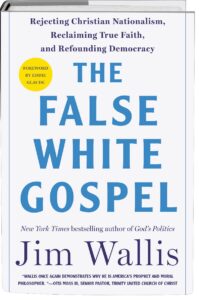 But the book isn’t just a critique of racism (heck, he did that in old Sojo studies decades ago, speaking out consistently while on the road with John Perkins or Lisa Sharon Harper or Vincent Harding or Catherine Meeks or Cornel West, and decisively in America’s Original Sin: Racism, White Privilege, and the Bridge to a New America, published by Brazos Press in 2016.) Rather, this new book is hoping to invite a conversation about “a remnant church” which can help offer principles and spirit to rebuild our frayed Republic, and shore up our best democratic impulses in a multi-racial and multi-faith context. Yep, he even nicely cites Abraham Lincoln. And, perhaps drawing on the gentle, wise, Parker Palmer, he invites us to find common ground and engage in honest dialogues — informally in the work world, neighborhood, or church, or in more structured ways. There’s even a guide in the back for civic minded circles that could foster hard conversations about the things that matter most for the sake of the Republic.
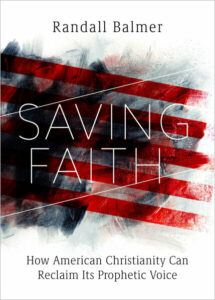 Saving Faith: How American Christianity Can Reclaim It’s Prophetic Voice Randall Balmer (Fortress) $18.00
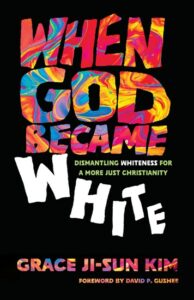 When God Became White: Dismantling Whiteness for A More Just Christianity Grace Ji-Sun Kim (IVP) $18.00
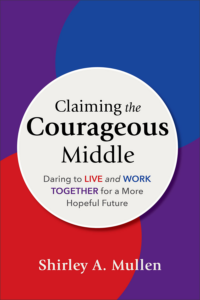 Claiming the Courageous Middle: Daring to Live and Work Together for a More Hopeful Further Shirley A. Mullen (Baker Academic) $26.99
 Learning to Disagree: The Surprising Path to Navigating Differences with Empathy and Respect John Inazu (Zondervan) $27.99
 Join the Resistance: Step into the Good Work of Kingdom Justice Michelle Ferrigno Warren (IVP) $18.00 OUR SALE PRICE = $14.40
 And the forward to this thrilling guidebook is by the great Latasha Morrison, who wrote the 2019 best-seller, Be the Bridge: Pursuing God’s Heart for Racial Reconciliation. (By the way, in mid-May 2024 her long-awaited second book is coming in hardback, Brown Faces, White Spaces: Confronting Systemic Racism to Bring Healing and Restoration – Waterbrook; $27.00. OUR SALE PRICE WILL BE $21.60.
  The Resurrection of Jesus Christ: Exploring Its Theological Significance and Ongoing Relevance W. Ross Hasting (Baker Academic) $26.99
 The Resurrection Life: The Power of Jesus for Today Myron Augsburger (Evangel Publishing House) $14.99
 Doing Evangelism Jesus’ Way: How Christian Demonstrate the Good News Ronald J. Sider (Evangel Press) $13.95
 The Symphony of Mission: Playing Your Part in God’s Work in the World Michael Goheen & Jim Mullins (Baker Academic) $24.00
 The Very Good Gospel: How Everything Wrong Can Be Made Right Lisa Sharon Harper (Waterbrook) $17.00 OUR SALE PRICE = $13.60
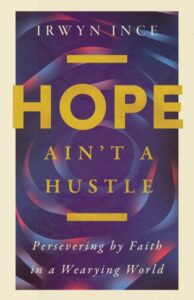 Hope Ain’t a Hustle: Persevering by Faith in a Wearying World Irwyn L. Ince, Jr. (IVP) $18.00
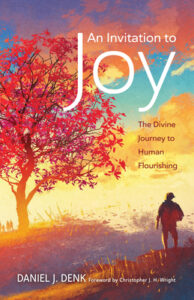 An Invitation to Joy: The Divine Journey to Human Flourishing Daniel J. Denk (Eerdmans) $24.99
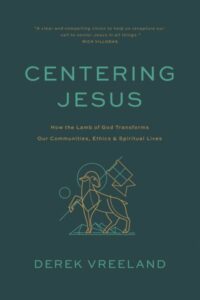 Centering Jesus: How the Lamb of God Transforms Our Communities, Ethics, and Spiritual Lives Derek Vreeland (NavPress) $17.99
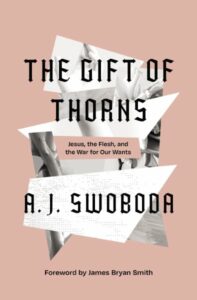 The Gift of Thorns: Jesus, The Flesh, and The War for Our Wants A.J. Swoboda (Zondervan Reflective) $26.99
 Practicing the Way: Be With Jesus / Become Like Him / Do as He Did John Mark Comer (Waterbrook) $26.00
 Hopecasting: Finding, Keeping, and Sharing the Things Unseen Mark Oestreicher (IVP) $16.00 OUR SALE PRICE = $12.80 while supplies last
 Resurrection Matters: Church Renewal for Creation’s Sake Nurya Love Parish (Church Publishing) $14.95 OUR SALE PRICE = $11.96
 The Art of Living in Season: A Year of Reflections for Everyday Saints Sylvie Vanhoozer (IVP /formatio) $25.00 OUR SALE PRICE = $20.00
 Pentecost: A Day of Power for All People Emilio Alvarez (IVP) $20.00 OUR SALE PRICE = $16.00
 “Tears are subversive,” Walter Brueggemann taught in his mighty Prophetic Imagination. That is, the pathos experienced by the likes of Jeremiah and Jesus, who openly wept, is indicative of their ultimate hope that the status quo can be transformed. It seems Brueggemann is saying that those who have no pathos — literally, who are apathetic, or, in modern lingo, have no skin in the game — are essentially satisfied with how things are, so they obviously are not going to be prophetically imaginative. Nobody will work to
  change things if they don’t actually first mind the current arrangements. We need what Fred Buechner called “the ants in the pants of faith.” In the words of Amanda Held Opelt, in a slightly different context, we need “holy unhappiness.” It’s okay, and maybe a mark of maturity.
 That a
 Please
 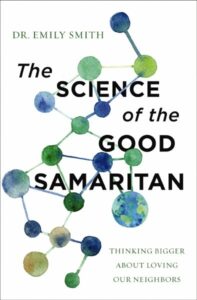 I also reviewed not that long ago a very fine book by Emily Smith called The Science of the Good Samaritan: Thinking Bigger about Loving Our Neighbor Zondervan; $19.99 // OUR SALE PRICE = $15.99.) It is really fascinating, with a bit of brain-science, some good Bible study, and a refreshing call to care.
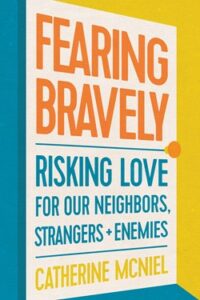 I adored the eloquent and fiesty invitation to a life of risky compassion by Catherine McNiel called
  And who can forget the 1980s classic by Henri Nouwen, Compassion: A Reflection on the Christian Life which was co-written with Donald McNeill and Douglas Morrison (Image; $16.00 // OUR SALE PRICE = $12.80.) Nouwen taught a course on this a Yale, maybe only once, and this book emerged, bracingly, beautifully. A classic.
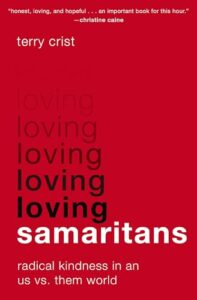 Pastor and missionary Terry Crist has a great new one which is very practical called Loving Samaritans: Radical Kindness in an Us vs Them World (Zondervan; $19.99.) It’s a message we need, eh? He’s good and I’m sure will help many learn kindness and grace; not a bad place to start, eh?
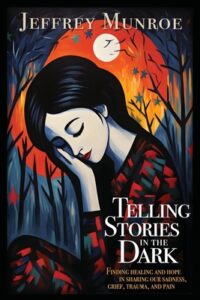 Telling Stories in the Dark: Finding healing and Hope in Sharing Our Sadness, Grief, Trauma, and Pain Jeffrey Monroe (Reformed Journal Books) $21.99
 Prayer in the Night: For Those Who Work or Watch or Weep Tish Harrison Warren (IVP) $22.00
 A Day’s Journey: Stories of Hope and Death-Defying Joy Tim Keesee (Bethany House) $16.99
 The Matter of Little Losses: Finding Grace to Grieve the Big (and Small) Things Rachel Marie Kang (Revell) $17.99
 Hopeful Lament: Tending our Grief Through Spiritual Practice Terra McDaniel (IVP) $18.00
 The Least of Us: True Tales of America and Hope in the Time of Fentanyl and Meth Sam Quinones (Bloomsbury) $18.00
 Raising Lazarus: Hope, Justice, and the Future of America’s Overdose Crisis Beth Macy (Back Bay Books) $19.99
 A Prayer for Orion: A Son’s Addiction and a Mother’s Love Katherine James (IVP) $16.00
 Addiction Nation: What the Opioid Crisis Reveal About Us Timothy McMahon King (Herald Press) $17.99
 When Everything’s on Fire: Faith Forged from the Ashes Brian Zahnd (IVP) $22.00
 Surprised by Doubt: How Disillusionment Can Invite Us Into A Deeper Faith Joshua Chatraw & Jack Carson (Brazos Press) $21.99
 Deconstructing Your Faith Without Losing Yourself Angela J. Herrington (Eerdmans) $19.99
 Hope in Times of Fear: The Resurrection and the Meaning of Easter Timothy Keller (Penguins) $17.00
 Special Grace: Prayers and Reflections for Families with Special Needs Elena Evans (IVP) $16.00
 Places I’ve Taken My Body: Essays Molly McCully Brown (Persia Books) $24.95
 Disability and the Church: A Vision for Diversity and Inclusion Lamar Hardwick (IVP) $18.00
 Disability and Inclusive Communities Kevin Timpe (Calvin College Press) $10.99
 The Great Belonging: How Loneliness Leads us to Each Other Charlotte Donlon (Broadleaf) $16.99 OUR SALE PRICE = $13.59
 Wait With Me: Meeting God in Loneliness Jason Gaboury (IVP) $16.00 OUR SALE PRICE = $12.80
 Made for People: Why We Drift into Loneliness and How to Fight for a Life of Friendship Justin Whitmel Earley (Zondervan) $19.99
 Hurting yet Whole: Reconciling Body and Spirit in Chronic Pain and Illness Liuan Huska (IVP) $20.00
 When God and Cancer Meet: True Stories of Hope and Healing Lynn Eib (Tyndale) $15.99
 Douglas Groothuis (IVP) $21.00
 On Getting Out of Bed: The Burden & Gift of Living Alan Noble (IVP) $20.00 OUR SALE PRICE = $16.00
 Companions in the Darkness: Seven Saints Who Struggled with Depression and Doubt Diana Gruver (IVP) $18.00 OUR SALE PRICE = $14.40
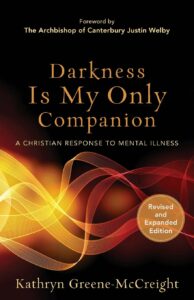 Darkness Is My Only Companion: A Christian Response to Mental Illness Kathryn Greene-McCreight (Brazos Press) $22.99
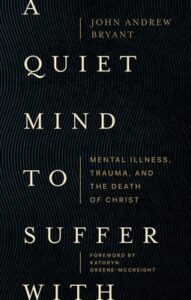 A Quiet Mind to Suffer With: Mental Illness, Trauma, and the Death of Christ John Andrew Bryant (Herald Press) $19.99
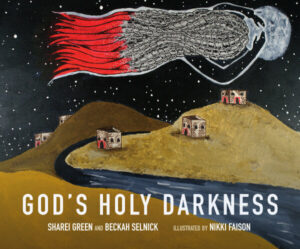 God’s Holy Darkness Sharei Green & Beckah Selnick, illustrated by Nikki Faison (Beaming Books) $17.99
 The King of Easter: Jesus Searches for All God’s Children Todd R. Hains, illustrated by Natasha Kennedy Lexham Press) $17.99
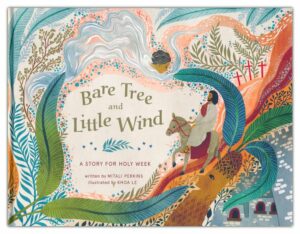 Bare Tree and Little Wind: A Story for Holy Week Mitali Perkins, illustrated by Khoa Le (Waterbrook) $15.99
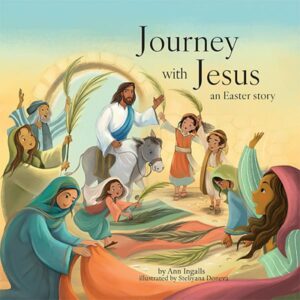 Journey with Jesus — An Easter Story Ann Ingalls, illustrated by Steliyana Donna (Paraclete Press) $12.99
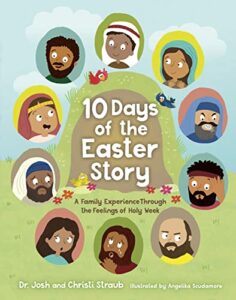 10 Days of the Easter Story: A Family Experience Through the Feelings of Holy Week Josh & Christi Straub, illustrated by Angelika Scudamore (BHKids) $12.99
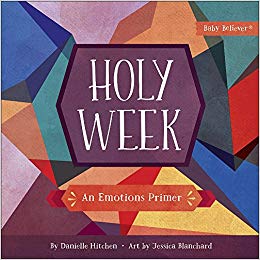 (For a very well-done board book for toddlers or pre-schoolers, by the way, that covers some of this same content, see Holy Week: An Emotions Primer in the wonderful Baby Believers series of board books created by Danielle Hitchen & Jessica Blanchard and published by Harvest House. It goes for $12.99 (OUR BOOKNOTES 20% OFF SALE PRICE = $10.39 and is designed simply for very little ones. What an idea!)
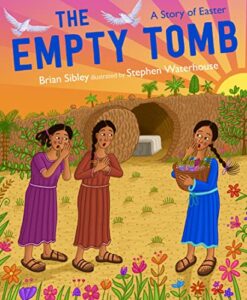 The Empty Tomb: A Story of Easter Brian Sibley, illustrated by Stephen Waterhouse (Lion Press) $8.99
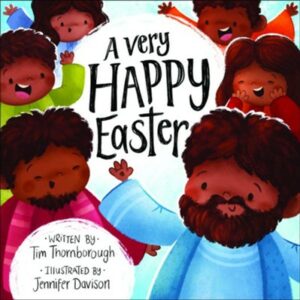 (And don’t forget previously-listed, colorful paperbacks that are inexpensive, like the very cute A Very Happy Easter (for ages 2-4) by Tim Thornborough or the great The Easter Fix (for ages 3 – 5, maybe) by Steph Williams or the Zonderkiz “I Can Read” early reader (with art from “The Beginner’s Bible) called Jesus Saves the World for
 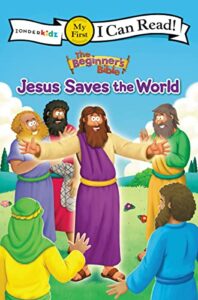 very new readers.
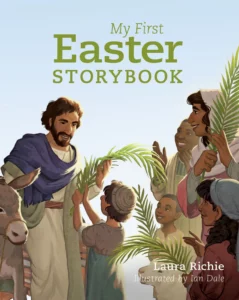 My First Easter Storybook Board Book Laura Richie, illustrated by Ian Dale (David C. Cook) $8.99
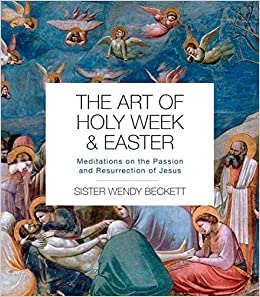 The Art of Holy Week and Easter: Meditations on the Passion and Resurrection of Jesus Sister Wendy Beckett (IVP) $17.00
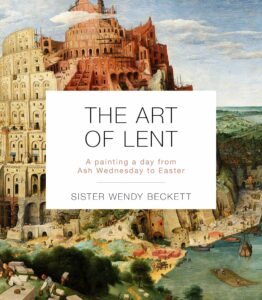 pictures. Try this.
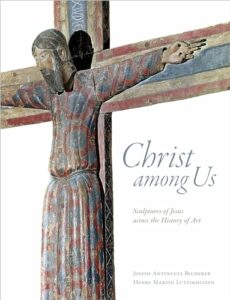 Christ Among Us: Sculptures of Jesus Across the History of Art Jospeh Antenucci Becherer & Henry Martin Luttikhuizen (Eerdmans) $45.00 OUR SALE PRICE = $36.00
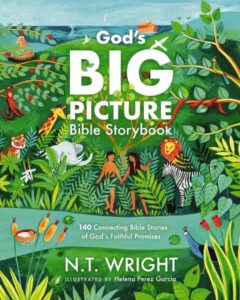 God’s Big Picture Bible Storybook – 140 Connecting Bible Stories of God’s Faithful Promises N. T. Wright, illustrated by Helena Perez Garcia (Tommy Nelson) $24.99
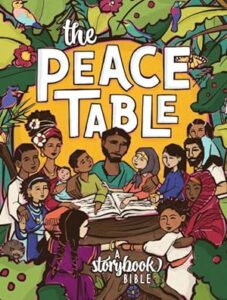 The Peace Table: A Storybook Bible Chrissie Muecke and others (Herald Press) $32.99
 God’s Big Promises Bible Storybook Carl Laferton, illustrated by Jennifer Davison (The Good Book Company) $22.99
 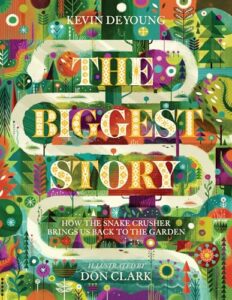 The Biggest Story: How the Snake Crusher Brings Us Back to the Garden Kevin DeYoung, illustrated by Don Clark (Crossway) $17.99 OUR SALE PRICE = $14.39
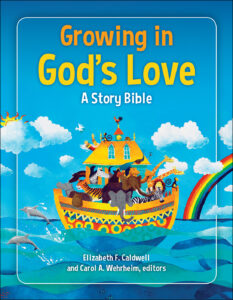 Growing In God’s Love: A Story Bible Elizabeth F. Caldwell and Carol A. Wehrheim, editors (WJK) $25.00 OUR SALE PRICE = $20.00
 Jesus Loves the Little Children Dallas & Amanda Jenkins, illustrated by Kristen Hendricks (David C. Cook) $16.99
 Who Is Jesus? 40 Pictures to Share with Your Family Kate Hox, illustrated by Joe Hox (New Growth Press) $24.00
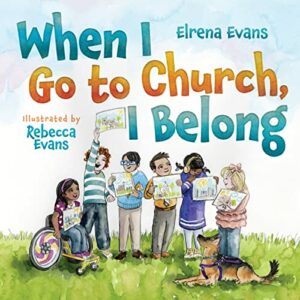 When I Go to Church I Belong Elrena Evans, illustrated by Rebecca Evans (IVP Kids) $18.00 OUR SALE PRICE = $14.40
 Zion Learns to See
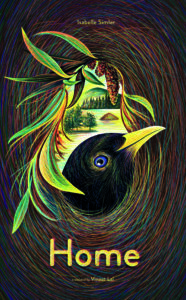 Home Isabele Simler, illustrated by Vineet Lal (Eerdmans) $18.99
 God’s Earth Is Something To Fight For Amy Houts, illustrated by Kris Smolskaya
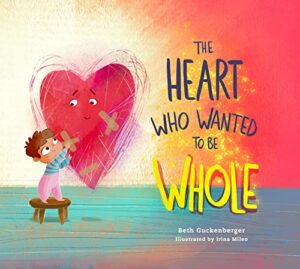 The Heart Who Wanted to Be Whole Beth Guckenberger, illustrated by Irina Miley (David C. Cook) $17.99
 Bless Our Pets: Poems of Gratitude for our Animals Friends poems selected by Lee Bennett Hopkins, illustrated by Lita Judge (Eerdmans) $18.99
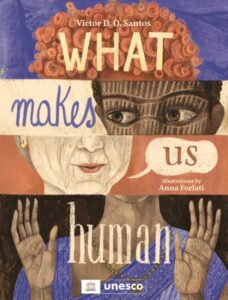 What Makes Us Human Victor D. O. Santos, illustrated by Anna Format (Eerdmans / UNESCO) $18.99
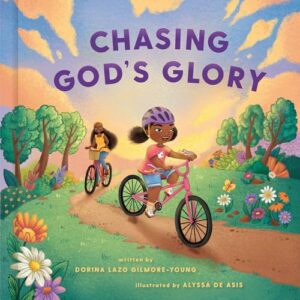 Chasing God’s Glory Dorina Lazo Gilmore-Young, illustrated by Alyssa De Asia (Waterbrook) $12.99
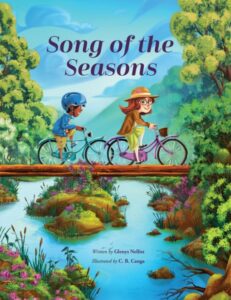 Song of the Seasons Glenys Nellist, illustrated by C. B. Canga (Paraclete Press) $17.99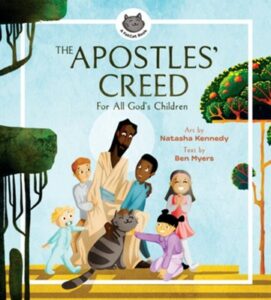

 The Apostle’s Creed for All God’s Children Ben Myers, illustrated by Natasha Kennedy (Lexham Books) $17.99
 The Really Radical Book for Kids Champ Thornton, designed and illustrated by Scot McDonald (New Growth Press) $29.99 OUR SALE PRICE = $23.99
 I’m sitting with my laptop across my lap in the back of the exquisite Great Hall in the old and wonderful downtown Lancaster Trust Performing Arts Center, an old downtown bank repurposed wonderfully for the common good of the city by Lancaster Bible College. We have sold books there before and have heard concerts (including a memorable evening with Bill Mallonee) and lectures (from Esther Meek on epistemology to Wes Hill on friendship to Mako Fujimura on artful culture care) Folks here at the annual Square Halo conference are now filtering in from other workshops, conversations, art-making experiences. I did a well-received talk on why reading widely is important for Christian living and it was good to be preaching to the choir. In many ways, the creative folks gathered at this event — inspired by the hospitable, lovely, thoughtful grace of the late Leslie Bustard who helped run the show before her death not even a year ago — is my tribe. Beth was herself out of town, but she, too, would have loved this energetic coalition of various ages, denominations, and styles, from the most hipster young artists to buttoned down conservative clergy to graying old hippies, all united around a generous orthodoxy of faith (what a delight to know there were Catholic deacons and priests, Mennonites of various sorts, high church Anglicans and low church charismatics, local Methodists and Baptists from other states, with Reformed folks of all stripes from within the alphabet soup of Presbyterianism) gladly side by side wondering how to nurture and live out a sense, as the conference theme has it, of “creativity, collaboration, and community.”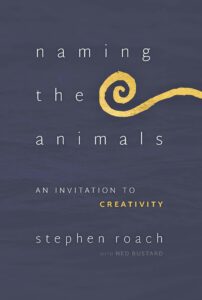
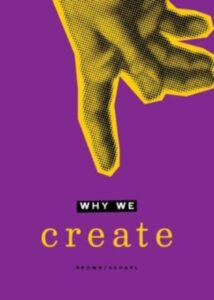 There were a few workshops recorded live for podcasts (including one with Square Halo Books creative director Ned Bustard in conversation with North Carolinian Stephen Roach (author of the very nice Naming the Animals) and Coloradan Brian Brown (leader of the thoughtful Anselm Society and author of the excellent collection Why We Create.) There was a (nearly) graduate level seminar on C.S. Lewis as reader and writer by Corey Latta (author of C. S. Lewis and the Art of Writing: What the Essayist, Poet, Novelist, Literary Critic, Apologist, Memoirist, Theologian Teaches Us about the Life and Craft of Writing) and a delightfully inspired presentation by a New York City kindergarten teacher offering innovative picture books that could be used to enliven the imaginations of little ones and even community something about the mystery of the Holy Spirit. Did I mention I think this was surely my tribe, creative folks who care about the world, who gather in both joy and lament? You should come to next year’s Square Halo event!
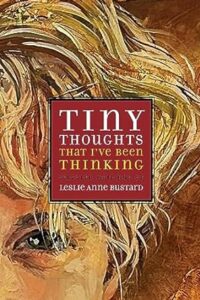 The newly released volume of Leslie’s poetry, essays, and CaringBridge pieces, Tiny Thoughts That I’ve Been Thinking was popular there and there was a workshop presented by friends and family to help folks engage with some of her “tiny thoughts.” (I couldn’t bear to attend it, thinking I would just weep through it all, so I missed it, but I share with you now that Leslie was honored well by her colleagues curating such a fine event.)
  Seeing the Holy Spirit in Narnia in the previous BookNotes announcing how really is good it is and how it should be greatly appreciated by the vast network of Lewis scholars, institutes, centers, reading groups. Spread the word about this new one — there is nothing like it.
 contributors to some of our favorite Square Halo anthologies, like the fabulous one about kid’s books (Wild Things and Castles in the Sky: A Guide to Choosing the Best Books for
  Children) or Ordinary Saints: Living Everyday Life to the Glory of God (where
  I have a chapter, by the way) or finding those who contributed to the fabulous It Was Good Making Art to the Glory of God and It Was Good: Making Music to the Glory of God. To connect faces and stories of people whose names we’ve seen in books is so nice. And — you know who you are — how rewarding and refreshing it was to catch up with old friends and valued customers.
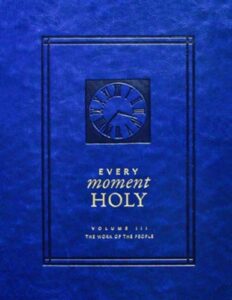 Something special sometimes happens when I’m up front, like when I was highlighting the marvelous third volume of the extraordinary Every Moment Holy liturgies/prayer books, by writer and editor Doug McKelvey, only to realize that he was in the room. He, too — along with circles of friends from places like Rabbit Room in Nashville or Laity Lodge in Texas or Jubilee in Pittsburgh — values the Square Halo team, both their publishing efforts and their conferences that offer theology and the arts and culture and friendship. And there he was.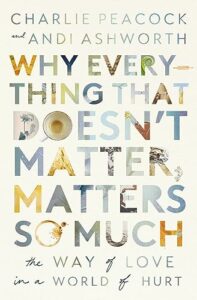
 For what it is worth, they’ve been on podcasts and online venues often, but you could check them out at the
 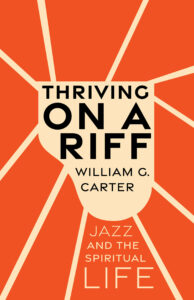 Thriving on a Riff: Jazz and the Spiritual Life William G. Carter (Broadleaf) $26.99
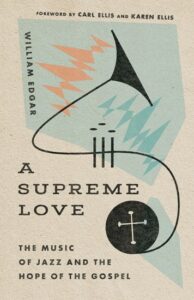 the must-read 2022 release by William Edgar (another Reformed thinker who plays a mean bit of jazz on the keys) A Supreme Love: The Music of Jazz and the Hope of the Gospel, and, say, various theological studies of certain artists and their work, like the vivid book on Coltrane by Jamie Howison called God’s Mind in That Music: Theological Explorations Through the Music of John Coltrane. But Thriving on a Riff is the best I’ve read. It is simply a must for musicians or music fans, and jazz-lovers will surely dig it. A few of the characters and stories may be well known, but most of it was new to me, and really exciting. Even those of us who are not full fans, or who only dabble (or don’t at all!) in the genre, will find it really, really helpful.
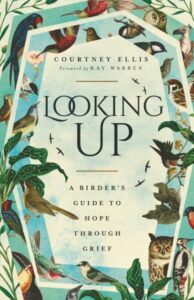 Looking Up: A Birder’s Guide to Hope Through Grief
 Reading Genesis Marilynne Robinson (Farrar, Straus, and Giroux) $29.99
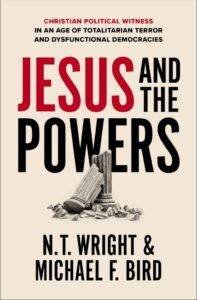 Jesus and the Powers: Christian Political Witness in an Age of Totalitarian Terror and Dysfunctional Democracies N.T. Wright & Michael Bird (Zondervan Academic) $22.99
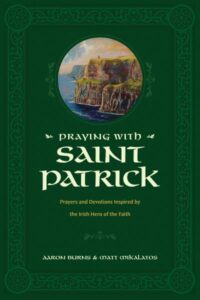 Praying with Saint Patrick: Prayers and Devotions Inspired by the Irish Hero of the Faith Aaron Burns & Matt Mikalatos (Tyndale) $18.99
 Field Notes for the Wilderness: Practices for an Evolving Faith Sarah Bessey (Convergent) $26.00
 Humility: Rediscovering the Way of Love and Life in Christ Michael W. Austin (Eerdmans) $24.99
 The Gift of Limitations: Finding Beauty in Your Boundaries Sara Hagerty (Zondervan) $26.99
 Strange Religion: How the First Christians Were Weird, Dangerous, and Compelling Nijay K. Gupta (Brazos Press) $18.99
 Exiles: The Church in the Shadow of Empire Preston Sprinkle (David C. Cook) $19.99
 Honest Creativity: The Foundation of Boundless, Good and Inspired Innovation Craig Detweiler (Morehouse Publishing) $29.95
 You Are A Tree And Other Metaphors to Nourish Life, Thought, and Prayer Joy Marie Clarkson (Bethany House) $17.99
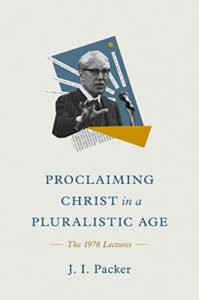 Proclaiming Christ in a Pluralistic Age — the 1978 Lectures J. I. Packer (Crossway) $24.99
 Solo Planet: How Singles Help the Church Recover Our Calling Anna Broadway (NavPress) $17.99
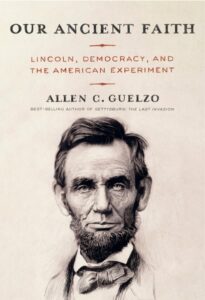 Our Ancient Faith: Lincoln, Democracy, and the American Experiment Allen C. Guelzo (Knopf) $30.00
 Okay, friends and faithful BookNotes readers: I won’t do an epic post-Jubilee conference report this year, but our big Pittsburgh gathering sponsored by the CCO, as I write, is nearly done. It’s the Monday after the conferees have left and we’ve been working hard boxing up the remaining books. Teamsters at the Convention Center are using forklifts and pallet jacks to move pallets full of boxes
 onto their loading dock where Beth and our buddy Sean – a rare bird who is a happy, energetic helper, incredibly strong, and a well-read philosopher who casually mentions Merleau-Ponty or Herman Dooyeweerd alongside his amazing knowledge of Scripture – are getting things into the rented truck so we can get it back across the state and unloaded by Tuesday, before they charge us for another day. Our backs and legs are sore, our brains a bit fuzzy, but our hearts are full.
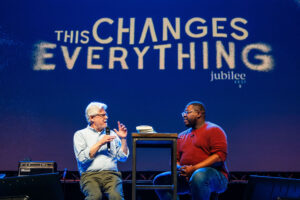 The joy of talking about how books can inform us and help us embody a distinctively Christian lifestyle in and for the world, even in college studies, work, and civic life quickly shifted to trying to figure out how to get odd shaped boxes and boards and displays and cash registers and gobs of paperwork into a truck without them getting damaged. Dreaming
  with college students about the Jubilee vision with speakers like Steve Garber, CPJ Director Stephanie Summers, After College author Erica Young Reitz, Redeemer City-to-City leader Abe Cho and selling books to serious Christian students and seekers, too, as well as workshop presenters, speakers, and CCO staff is so rewarding, but now we’ve got some serious unloading to do. Will have hundreds of boxes unloaded into the shop later tonight. As the old catchphrase by one of the first black Hollywood stars goes, “Feets don’t fail me now.”
 I’d love for you to read my past missives about Jubilee
 What If Jesus Was Serious About Heaven? Skye Jethani (Brazos) $16.99 SPECIAL SALE PRICE = $10.19
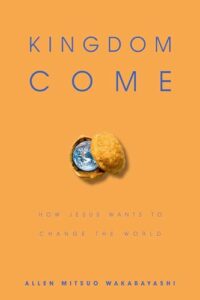 Kingdom Come: How Jesus Wants to Change the World Allen Mitsuo Wakabayashi
 Do Something Beautiful: The Story of Everything and A Guide to Finding Your Place In It R.York Moore (Moody Press) $13.99
  A Liturgy in the Wilderness: How the Lord’s Prayer Shapes the Imagination of the Church in a Secular Age D.J Marotta (Moody Press) $14.99
 Your Minds Mission Greg Jao (IVP) $8.00
 Being God’s Image: Why Creation Still Matters Carmen Joy Imes (IVP) $22.00
 All Shall Be Well: Awakening to God’s Presence in His Messy, Abundant World Catherine McNiel (NavPress) $15.99
 Beyond Colorblind: Redeeming Our Ethnic Journey Sarah Shin (IVP) $18.00
 Not the Way It’s Supposed to Be: A Breviary of Sin Cornelius Plantinga, Jr. (Eerdmans) $24.99
 For Shame: Rediscovering the Virtues of a Maligned Emotion Gregg Ten Elshof (Zondervan) $16.99
 Disruptive Witness: Speaking Truth in a a Distracted Age Alan Noble (IVP) $24.00 SPECIAL SALE PRICE = $14.40
 It’s Not What You Think: Why Christianity is About So Much More Than Going To Heaven When You Die Jefferson Bethke (Thomas Nelson) $16.99
 The StoryChanger: How God Rewrites Our Story by Inviting Us Into His David Murray (Crossway) $14.99
 On the Road with Saint Augustine: A Real-World Spirituality for Restless Hearts James K. A. Smith (Brazos Press) $19.99 SPECIAL SALE PRICE = $11.99
 The Spacious Path: Practicing the Restful Way of Jesus in a Fragmented World Tamara Hill Murphy (Herald Press) $18.99
 Working From the Inside Out: A Brief Guide to Inner Work That Transforms Our Outer World Jeff Haanen (IVP) $18.00
 Visions of Vocation: Common Grace for the Common Good Step Garber (IVP) $20.00
 Myth of Equality: Uncovering the Roots of Injustice and Privilege Ken Wytsma (IVP)
 Live No Lies: Recognize and Resist the Three Enemies That Sabotage Your Peace John Mark Comer (Waterbrook) $26.00
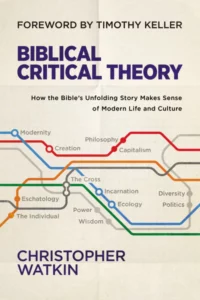 Biblical Critical Theory: How the Bible’s Unfolding Story Makes Sense of Modern Life and Culture (Zondervan Academic) $49.99
 The Liturgy of Politics: Spiritual Formation for the Sake of Our Neighbor Kaitlyn Schiess (IVP)18.00
 A Christian Field Guide to Technology for Engineers and Designers Ethan Brue, Derek Schuurman & Steven Vanderleest (IVP Academic) $28.00
 Three Views on Christianity and Science edited by Paul Copan and Christopher Reese (Zondervan Academic) $18.99
  The Language of Science and Faith: Straight Answers to Genuine Questions Karl Giberson & Francis Collins (IVP) $24.00
 This Here Flesh: Spirituality, Liberation, and the Stories That Make Us Cole Arthur Riley (Crown) $18.00
 Redeeming Vision: A Christian Guide to Looking at and Learning from Art Elissa Yukiko Weichbrodt (Baker Academic)
 Lent: The Season of Repentance and Renewal Esau McCaulley (IVP) $20.00 OUR SALE PRICE = $16.00
 O Sacred Head, Now Wounded: A Liturgy for Daily Worship from Pascha to Pentecost Jonathan Gibson (Crossway) $32.99 OUR SALE PRICE = $26.39
 Unburdened: A Lenten Journey Toward Forgiveness Carol Penner (Herald Press) $16.99 OUR SALE PRICE = $13.59
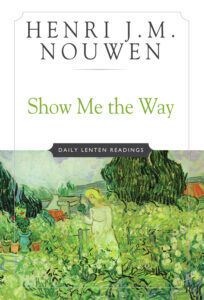 Show Me the Way: Daily Lenten Readings Henri Nouwen (Crossroad) $19.95 OUR SALE PRICE = $15.96
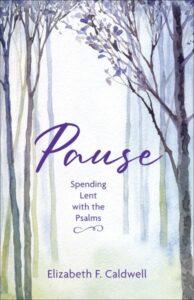 Pause: Spending Lent with the Psalms Elizabeth F. Caldwell (WJK) $17.00 OUR SALE PRICE = $13.60
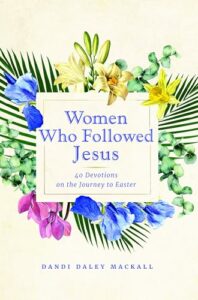 Women Who Followed Jesus: 40 Devotions on the Journey to Easter Dandi Daley Mackall (Paraclete Press) $21.99 OUR SALE PRICE = $17.59
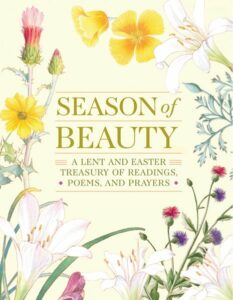 Season of Beauty: A Lent and Easter Treasury of Readings, Poems, and Prayers Paraclete editors (Paraclete Press) $21.99 OUR SALE PRICE = $17.59
 A Different Kind of Fast: Feeding Our True Hungers in Lent Christine Valters Paintner (Broadleaf) $19.99 OUR SALE PRICE = $15.99
 Nearing a Far God: Praying the Psalms with our Whole Selves Leslie Leyland Fields (NavPress) $16.99 OUR SALE PRICE = $13.59
 The Wood Between the World: A Poetic Theology of the Cross Brian Zahnd (IVP) $24.00 OUR SALE PRICE = $19.20
 Humility: Rediscovering the Way of Love and Life in Christ Michael W. Austin (Eerdmans) $24.99 OUR SALE PRICE = $19.99