
If you have seen our recent facebook updates or twitter posts you may know that we had a friend drive a large rented van to New Orleans (we flew down and back) in order to set up a large book display for our friends at the Christian Legal Society national conference. This diverse gathering serves ordinary lawyers, judges, law professors and law students helping them think faithfully about their callings in the field of law.
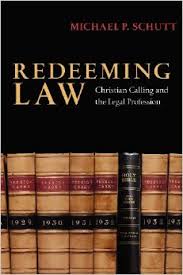 A big seller there is Michael Schutt’s excellent, thoughtful Redeeming Law: Christian Calling and the Legal Profession (IVP; $25.00.) Mike helps emcee the event each year, and he is a dear friend. It’s a must-have book for anyone interested in this field written by a fine and energetic leader who has really thought deeply about his own vocational stewardship. I once joked that it was malpractice for a Christian who is in law-related fields not to own this book, but, you know, I really wasn’t joking.
Others in the core library for lawyers who follow Christ that are maybe a bit more basic, but still excellent include The Lawyer’s Calling: Christian 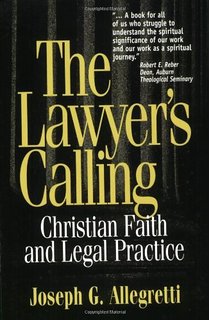 Faith and Legal Practice by Joseph G. Alligretti (Paulist Press; $12.95) and
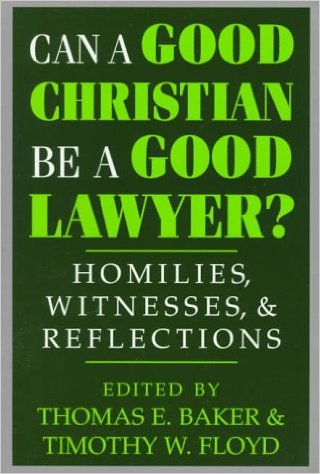 Can a Good Lawyer Be a Good Christian: Homilies, Witnesses & Reflections edited by Thomas Baker & Timothy Floyd (University of Notre Dame Press; $25.00.) I wish other fields — public school teachers, engineers, doctors, for instance — had such thoughtful Christian resources that are interesting, helpful and faithful.
We sell all sorts of books on legal theory — we had almost a hundred, I’d bet, but should at least note these significant ones:
God’s Joust, God’s Justice: Law and Religion in the Western Tradition by John Witte, Jr. (Eerdmans) $36.00
Law and the Bible: Justice, Mercy and Legal Institutions edited by Robert Cochran & David VanDrunen (IVP Academic) $24.00
Christian Perspectives on Legal Thought by Michael McConnell, Robert Cochran and Angela Carmella (Yale University Press) $50.00.
Justice: Rights and Wrongs Nicholas Wolterstorff (Princeton University Press) $32.95
Christianity and Human Rights edited by John Witte & Frank Alexander (Cambridge University Press) $34.99
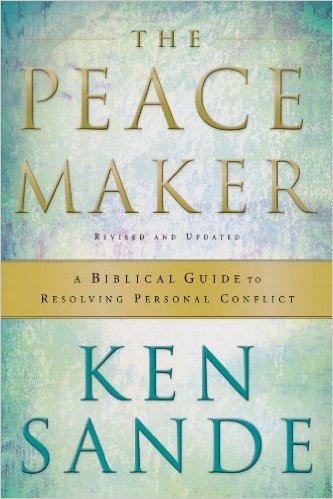 Most CLS participants aren’t law school profs or academics, though, and most are just doing ordinary work, day by day, being salt and light in their field. A number of the attorneys that show up are actually involved in encouraging litigants to settle out of court, and be at least somewhat reconciled. We featured the remarkably practical and very useful book The Peacemaker: A Biblical Guide to Resolving Personal Conflict by Ken Sande (Baker; $16.99) which we highly recommend. CLS even had a special training on this model of conflict resolution, although the book itself is good for anyone, anywhere. I hope somebody in your church has a copy around!
Others do work with immigration law, for instance, and some are fighting sexual trafficking. A few prosecute bad guys stateside and there are  usually a few international folks around, too, some who may work for groups like IJM or Not for Sale. Of course we had a good handful of these sorts of books, and are happy that we sold a few of the must-read Locust Effect: Why the End of Poverty Requires the End of Violence by Gary Haugen and Victor Boutros (Oxford University Press; $18.95.)
Still other CLS members work, often in a pro bono capacity, doing legal aid for the underserved and poor. The stories of how Christian Legal Aid clinics are popping up around the country is very, very inspiring. For anyone who has read important books like Robert Lupton’s Toxic Charity: How Churches and Charities Hurt Those They Help, and How to Reverse It or his brand new Charity Detox: What Charity Would Look Like If We Cared About Results or the popular Helping Without Hurting series by Steve Corbett and Brian Fikkert (or heck, Ronald Sider’s still relevant and nearly unrivaled Just Generosity: A New Vision for  Overcoming Poverty in America) you know that addressing root causes and reforming structural matters are often more effective and just then mere hand-outs and soup kitchens. Hearing about lawyers serving the legal needs of the poor is a great example of the kinds of social support and development that can truly make a lasting difference. Three big cheers for CLS for this being a part of their Godly agenda of setting up free or reduced cost legal aid clinics in places of need. Here is a brief video of a rather ordinary lawyer talking how she gives a few hours a month to a local Christian Legal Aid Clinic.
 And while most ordinary lawyers don’t do this kind of work up close, there was a keen interested in Bryan Stevenson’s Just Mercy: A Story of Justice & Redemption (Spiegel & Grau; $16.00.) Of course. (I hope you know we’ve promoted this from it’s first day, and have been glad to see it becoming well known. Truly one of the best books of the year!)
 Books more generally about public theology and civic life are important to this crowd. I pushed the great little book by Vince Bacote, The Political Disciple: A Theology of Public Life (Zondervan; $11.99), Miroslav Volf’s passionate A Public Faith: How Followers of Christ Should Serve the Common Good (Brazos Press; $18.99) and made a plea from up front for folks to work through James Skillen’s major work, The Good of Politics: A Biblical, Historical, and Contemporary Introduction (Baker; $24.00.) We sold books on worldview and work, leadership and leisure, culture and the renewal of society, the Christian mind and a bit of philosophy. (Okay, not much philosophy.) Two of last year’s CLS keynote speakers have new books out, so we plugged those and they were a natural fit for this gathering: Russell Moore’s Onward: Engaging the Culture without Losing the Gospel (BH; $24.99) and John Stonestreet’s Restoring All Things: God’s Audacious Plan to Change the World Through Everyday People (Baker; $16.99.) They were perfect sorts of books for many in this crowd.
 Renaissance: The Power of the Gospel However Dark the Times by Os Guinness (IVP; $16.00) was also one we prominently display; we continue to think this is a helpful antidote to culture wars and social division and religious frustration, and a reminder to trust God and put first things first. I do hope you’d consider reading it and sharing it. It’s a book that should be well known among us.
Many lawyers are drawn to apologetics. Last year one of our biggest sellers at their conference in Boston, in fact, was by a prominent lawyer and highly regarded U of Penn Law School professor, John Skeel, whose True Paradox: How Christianity Makes Sense of Our Complex World (IVP; $16.00.) had just come out.
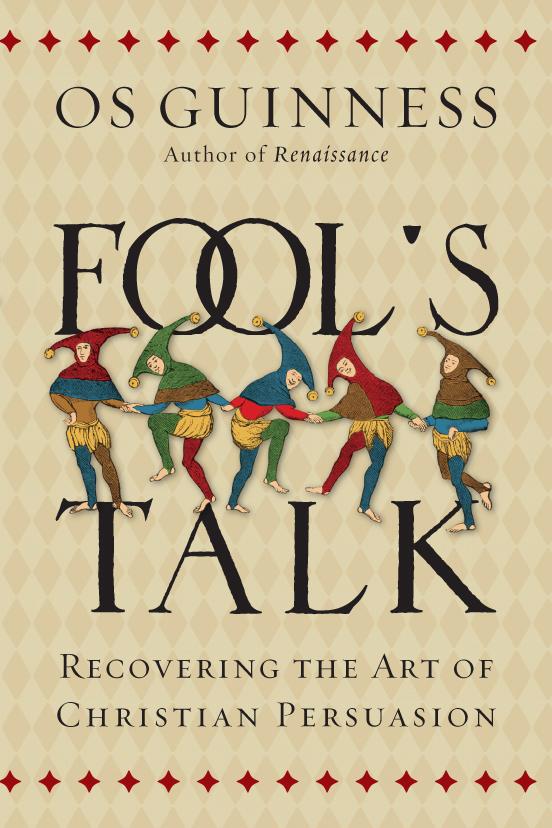 This year in NOLA we sold a bunch of Os Guinness’s very thoughtful, recently released book on Christian persuasion Fools Talk: Recovering the Art of Christian Persuasion (IVP; $22.00.) I trust you saw our BookNotes review describing it and it’s value when it came out.
I promoted it passionately during a book announcement, and invited these thoughtful leaders to purchase it and read it carefully — in many ways, it is the life work of Guinness, offering insights he learned from his own main intellectual influences (C.S. Lewis, Francis Schaeffer and Peter Berger.)
Of course, many of the CLS tribe know Guinness and his books good on civil society such as A Free People’s Suicide: Sustainable Freedom and the American Future and The Global Public Square: Religious Freedom and the Making of a World Safe for Diversity (both IVP; $16.00 each.)
I hope you know them.
And, naturally, we always tell thoughtful readers about Steve Garber’s Visions of Vocation: Common Grace for the Common Good (IVP; $16.00) which I continue to say is one of my all time favorite books. How to keep on loving God’s world even while we know “how the sausage is made” is an important matter for  all of us, and certainly for those working in law, since I suppose they quite often have to deal with set-backs, compromises, and great, great human brokenness. If you haven’t picked this up yet, don’t hesitate. It is beautifully done, exceptionally thoughtful, and very, very wise. It is not a simple or quick read, but one to savor and ponder.
Despite the emphasis on social renewal and religious liberties and the like, we also featured rows and rows of books on faith formation, spiritual disciplines, missional discipleship, and practical stuff such as resources on work/life balance and family life (not to mention a few great kids books!)
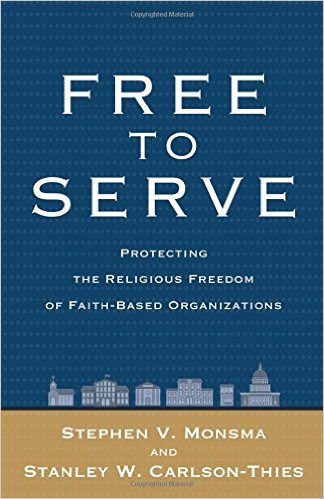 One of the books that we were especially honored to feature was Free to Serve: Protecting the Religious Freedom of Faith-Based Organizations co-authored with former Congressman and legal scholar Stephen V. Monsma by our friend Stanley Carlson-Thies (Brazos Press; $16.99.) We were the first place in the country to have it, launching it there, as it were, as Stanley was there doing workshops and panels on religious freedom and principled pluralism. Not to show off too much, but here are some of Stanley’s impressive credentials:
He has a PhD from University of Toronto (and had studied at the Institute for Christian Studies) and is now director of the Institutional Religious Freedom Alliance, in partnership with the Center for Public Justice (CPJ), in Washington, DC. He is a senior fellow at CPJ and at the Canadian think tank Cardus. He convenes the Coalition to Preserve Religious Freedom, a multi-faith alliance that advocates for the religious freedom of faith-based organizations to Congress and the federal government. Carlson-Thies served with George W. Bush’s White House Office of Faith-Based and Community Initiatives and served on a task force of President Obama’s Advisory Council on Faith-Based and Neighborhood Partnerships. He has appeared on NPR and in the New York Times, the Wall Street Journal, and Christianity Today.
Free to Serve focuses on the debates about whether and what kind of religious freedoms should be legally honored — think of the lawsuits about Hobby Lobby, the Little Sisters of the Poor, the right of campus ministry organizations like InterVarsity Christian Fellowship to have their leaders sign a statement of faith and still be a valid campus organization, or whether churches, synagogues or mosques can rent public school space in the same way other organizations can, the legal questions about whether Muslim men can grow short beards while in prison or whether Native people’s can religiously use Peyote (CLS says yes, by the way!)
Anyway, we are grateful for the work of the Religious Freedom Alliance and glad for Carlson-Thies justice-for-all, bipartisan vision. We now have this excellent new resource which makes practical the questions about what it means to live justly in a pluralistic society. Not everyone agrees with this approach but I think it really is a great book to explore these questions, with lots of stories and case studies and lots to consider. If anyone can advocate for religious freedom without seeming belligerent or unreasonable, who truly stands for liberty and justice for all, it is these two soft-spoken and very smart authors, Monsma & Carlson-Thies. Why not order it today and learn about their proposals for helping to solve this complicated matter in our contentious social fabric.
 Of course we sold books by the main keynote speakers there at CLS New Orleans. Our favorite new friend is Thabiti M. Anyabwile, author of many, many books which we stock — on topics as diverse as the revitalization of the historic black church to the little hardback What Is a Healthy Church Member (Crossway; $12.99) to the communal nature of spiritual formation in The Life of God in the Soul of the Church (Christian Focus; $14.99) to a lovely small book called The Gospel for Muslims (Moody Press;
 $12.99.) He was a fantastic presenter, a great gospel preacher who walked the gathering through the Good Samaritan passage with fresh power and insight, and then even allowed us to recommend books to him, which he will devour, I’m sure.
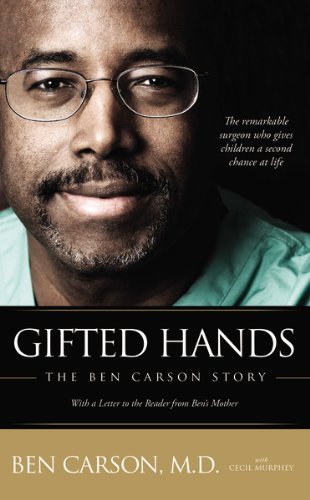 It was fun watching the buzz about the arrival of pediatric neurosurgeon turned Presidential candidate Ben Carson (he had been booked to speak long before his
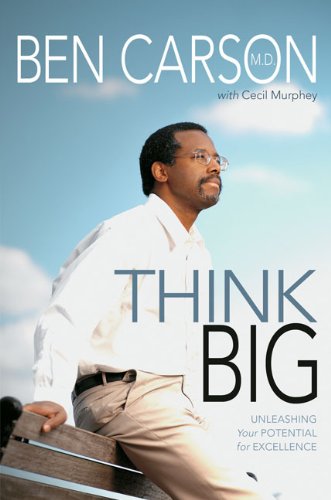 announcement about his candidacy.) We had just gotten his brand spanking new one on the constitution, A More Perfect Union: What We the People Can Do to Reclaim Our Constitutional Liberties (Sentinel; $26.95) although Gifted Hands: The Ben Carson Story — his own story — is still his most inspiring volume and Think Big: Unleashing Your Potential for Excellence is one we often recommend (especially for that chapter on reading!)
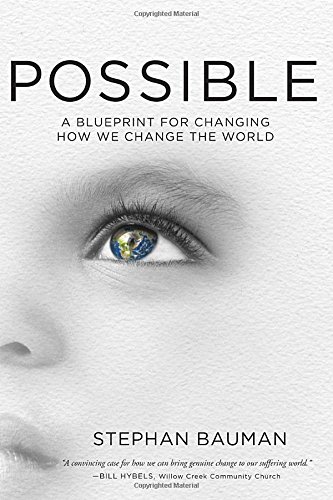
 Speaking of plenary speakers it was really great to be with our friend Stephan Bauman, energetic visionary and CEO of World Relief — you just have to read his Possible: A Blueprint for Changing How We Change the World (Multnomah $22.99.) We’ve mentioned it before, here, and still think it is a very, very moving book — great for anyone wanting to make a difference, to relate spirituality and efforts for justice, and for those that want an experienced guide into working for God’s Kingdom by serving the common good.
What a blast we had, serving this fabulous, diverse gathering. What interesting books we get to transport to events, what a joy to curate and display a pop-up bookstore for those who want to be life-long learners, eager to relate faith to every aspect of their lives, including their work and careers.
Of course, we have all of these here at the shop, so do send us an order if you need any of these kinds of resources.
***
The Little Way of Ruthie Leming: A Southern Girl, a Small Town, and the Secret of a Good Life Rod Dreher (Grand Central/Hachette) $16.00
How Dante Can Save Your Life: The Life-Changing Wisdom of History’s Greatest Poem Rod Dreher (Regan Arts) $29.95
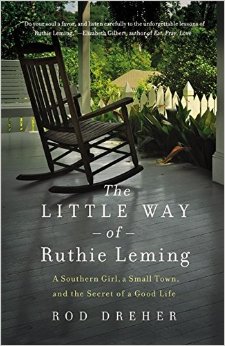
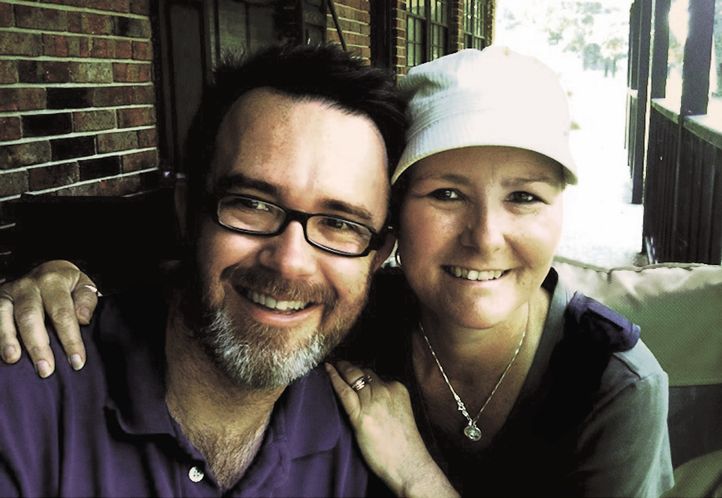
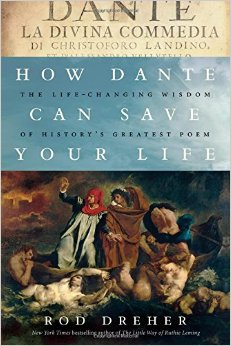 Two books I most want to tell you about, though, are from yet another speaker at CLS, Rod Dreher, who we were very eager to met. To hang out a bit with him and his hilarious wife Julie (who we feel we know from the The Little Way of Ruthie Leming memoir) was a highlight of the trip.
We promoted Dreyer’s The Little Way of Ruthie Leming: A Southern Girl, a Small Town, and the Secret of a Good Life when it came out in hardback a year or so ago, and awarded it one of the best books of the year in our BookNotes end of the year awards. Beth had adored it and voted it onto the Best of 2014 list and although I was quite taken with the premise, just never found time to read it straight through.
But once I started it in earnest, recently, I just couldn’t put it down, racing through it, only to stop to wipe away tears or to ponder the deeper questions it was raising about my own life, family, and vocation and sense of place here in central Pennsylvania. I can honestly say it is one of the best books I’ve read in years!
The plot line of the book is simple: Rod Dreher (who you may know as a witty and thoughtful conservative pundit and Orthodox Christian thinker) found out that his sister, Ruthie Leming, was dying of cancer, and although he and his wife were fast-tracking around the worlds of serious think-tank journalism in the yuppie Eastern seaboard, they were oddly drawn to the colorful cast of down-home country characters in his old hometown in southern Louisiana. They would fly down to visit with Ruthie and so admired her, her husband (a fire-fighter) and her good friends.
I’ve never watched the TV show Swamp People and am only mildly amused by the antics of Duck Dynasty and am not even sure why I bring them up (since Dreher does not, although he does tell about people with nicknames like Big Show and Boo the pharmacist and towns with names like New Roads.) In mentioning a drive in joint kids would visit in his youth that got a “bug zapper the size of a mop bucket” being a big deal, he noted, “It was that kind of town.”) You can imagine the culture shock when Dreher and his wife and kids determine to move back to the Saint Francisville parish and the tiny town of Starhill and reconcile with extended family there.
This was a major move for them, but warranted. As it says on the back cover, “Dreher began to wonder whether the commonplace life Ruthie led was in fact a path to a hidden grandeur, even spiritual greatness.”
The Little Way of Ruthie… is a rumination on place and small town life, on the ways local folk help one another, about real family values — values and folkways that maybe look different when embodied in Starhill then abstractly politicized by the spokespersons of the religious right. It tells a moving tale, artfully hinting at what Elizabeth Gilbert describes in her blurb as “love, surrender, sacrifice, and family.”
 I was struck by a few things in reading The Little Way of Ruthie Leming. First, just how enjoyable a read this was, as good as any great memoir or novel. The subtitle, after all, features a Southern girl and a small town, not to mention “the Secret of a Good Life.” (Okay, it isn’t Sweet Home Alabama with Reese Witherspoon, but the movie rights have been optioned!) We happily commended it often when it first came out, but now I really know how good it is and want to redouble our efforts to spread the word. It isn’t ponderous or difficult, even though there are huge cultural and spiritual questions floating around and behind the narrative. I’ve gone so far as to say that if you’ve enjoyed Wendell Berry’s novels (such as Jayber Crow or Hannah Coulter) you’ll like this.
 While Little Way of… is no tell-all, sappy soap opera, Dreher’s own foibles (and there are foibles) are admitted and his own spiritual longings are part of the story. His being drawn by beauty to deeper Christian faith, his love of Paris and fine food, and older, historic cultures, are moving parts of the story. His yearnings are palpable and inspiring. It isn’t a major topic of the narrative, but he and his wife become Roman Catholic, and then Orthodox. They seem like the ideal urbane sophisticates and heading back to a town with less than 1,700 folks and not much to do (as we say) was surprising and fascinating; his framing this in light of not only his desire for a more sane and healthy life but as part of his own spiritual formation and faith development is instructive.
Ann Voskamp says “This book will make you feel hunger pangs for what you didn’t know you even missed. And then it will feed you, line upon line, like soul bread.” Indeed, it comes to us as a low-key, even sentimental story, but there is rich theological truth here.
Here is another thing I liked: it is not published by a religious publishing house. Many evangelical publishers would blanch at the talk about drinking wine and margaritas and skinny dipping and ghosts and sex and Catholic shrines and bayou river parties and barefoot pall bearers. The writing is frank (although never gratuitous) about all manner of Southern things. It is a profoundly religious book, even though it isn’t pitched as a religious testimony.
Of course, when one leaves such a close knit family, and returns amidst tragedy and grief, thinks are not rosy; how could they be? Much of The Little Way... is a tribute to the remarkably joyful Ruthie and her friends and co-workers at her school who rallied with and for her in her final year but much is also about the subtle pains and dysfunctions of this larger-than-life southern family. Can you go home again? That is the question.
In one scene many of us could imagine, he bumps into an old girlfriend where there was some old tensions and hurts.
This is what it means to move home,” her writes. “Communitarian romanticism is fine, but what do you do when the past isn’t even past, but is in fact jogging down your street, and stepping onto your front porch to say hello?”
We loved Mrs. Ruthie Leming and her daughters and we loved Rod and Julie Dreher and the extended family we got to know through reading this fine book, including Mam and Paw. It did not end with completely resolved happiness, which is as it should be, I suppose. You will close the book glad for having met these folks, feeling perhaps bittersweet about the whole situation, and most likely wishing for more.
And — who knew? — you will get more. A lot more.
Mr. Dreher’s recent book How Dante Can Save Your Life: The Life-Changing Wisdom of History’s Greatest Poem is not just a thoughtful contemporary Christian telling us about Dante’s 700-year old Commedia, it’s a memoir. In fact, he says in the preface that if you want an intellectual survey of this seminal work in the Western canon, you should look elsewhere.
Dreher quickly says, How Dante Can Save Your Life “is not a literary analysis, it is a person view. It’s a self help book for people who may not read self-help books, but who are curious and delight in journeys of self-discovery along roads not often taken. Nothing would make me happier than for you to finish this book and take up the Commedia — but it’s not strictly necessary.”
You see, Dreher himself (as we know from The Little Way of Ruthie Leming) is a seeker and he has burned some bridges and found himself in his own dark wood. He starts off this book noting that he had grown anxious and stressed, even being afflicted with a related autoimmune disorder from his depression.
“This is a book about exile” he tells us. “What does it mean to know you can never go home? This was Dante’s dilemma — and in a different sense, it is mine.”
Rod encourages us all, whatever perplexities we may face, whatever you may face: “Dante showed me the way through. He can do the same for you.”
Though the Commedia was written by a faithful Catholic, its message is universal. You don’t have to be a Catholic, or any sort of believer, to love it and to be changed by it. And though mine is a book that’s ultimately about learning to live with God, it is not a book of religious apologetics; it is a book about finding our own true path. Like the Commedia it celebrates, this book is for believers who struggle to hold on to their faith when religious institutions have lost credibility. It’s a book for people who have lost faith in love, in other people, in the family, in politics, in their careers, and in the possibility of worldly success. Dante has been there too. He gets it.
I am not a purist about what I read, and How Dante Can Save Your Life: The Life-Changing Wisdom of History’s Greatest Poem is, in a way, a perfect book for me. (Again, one does not have to read Dante first.) Maybe it will be useful and fun and inspiring for you, too. It is not a scholarly treatise, but, as a memoir of Dreher’s own inner struggles, we learn a lot about the three volumes of The Divine Comedy. Isn’t that cool in many ways — you don’t have to read the imposing epic poem first. It’s a great doorway into classic literature, accessible, moving, relevant, but not dry or abstract.
Again, in the introduction, Dreher reminds us
For the poem to work its magic on the reader, it has to be taken up into the moral imagination in a personal way. You have to engage in dialogue with our Florentine guide along the pilgrim path. When I gave myself over to him, I found that Dante is not a remote figure from an alien world but a warm companion with whom I had far more in common than I could have imagined. He is simply a fellow wayfarer who has seen great things, both terrifying and glorious, along life’s way, and wants to tell you all about it.
Dreher, too, has some some terrifying and glorious things. I mean that. And he, too, wants to tell you about them. He knows, as he puts it, that “there is no easy way out.”
Virgil said to the pilgrim Dante, “Let us go. The long road urges us.” What a great way to start this literary memoir of self discovering and spiritual salvation.
I will just say this much more. You don’t have to read The Little Way of Ruthie Leming to appreciate this story of Dreher’s Louisiana encounter with Dante. But it might help. And, if you have read Ruthie Leming but thought that Dreher’s Dante book is not for you, think again. In some ways it really is a sequel to Ruthie Leming.
How Dante Can Save Your Life starts, in fact with this good line: “Florence has the Arno; Starhill has the Mississippi.”
Oh yeah, I thought, this is going to be good.
He continues,
Aside from that, the fields and orchards of the rural Louisiana settlement where my family has lived for five generations is about as far from the Tuscan capital as any place in the Western world.
This is the story of that place, and of two men who grew up there and whose lives have been defined by its traditions: my father and me.
So, yes, Rod’s daddy, Ray (also known as Paw in Ruthie Leming) is a key character along with Rod and his family in How Dante Can Save Your Life. Bet you didn’t see that coming?
I sure didn’t. I thought Dreher was back to his classical punditry, his conservative Catholic cultural studies, and giving us a (snooty?) guide to serious Western lit that we all should know. Nope. This really is another memoir, the ongoing family saga, the struggles he and Julie and his kids had once they moved back to Starhill.
There is heavy pain here, a few miracles, some church history (St. Francis of Assisi died just forty years before Dante, and surely influenced him), serious reflections upon ugly church scandals and personal struggles faced and chronicled. One chapter wonders what sons do and do not owe their father figures. There is some fine advise about finding a mentor. There’s a sidebar box called “How To Live with Mystery and Grace” and a chapter about “ties that bind beyond the grave.” (How could he not reflect on the nature of Purgatory?)
How Dante Can Save Your Life: The Life-changing Wisdom… explains that “When Beatrice died, Dante lost her iconic image and became enthralled by false ones.” Yep, there’s a chapter on lust, thoughtfully frame as disordered loves, and then some brief guidance on “how to gentle your heart.”
You see, this really is a self-help book for those who aren’t attracted to such books.
And, it is a literature guide for those who aren’t attracted to such books or who don’t study older classics.
And is it truly is a colorful memoir you are sure to enjoy, even if you tend not to read creative nonfiction.
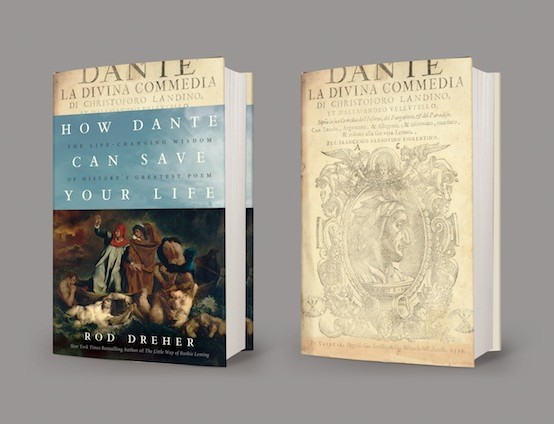 And, for what it is worth, it is expertly designed, beautifully done, from the handsome, 3/4 sized dust jacket to the full color frontispieces. It’s truly a great book.
Here is what Eric Metaxas writes of it:
Sometimes a book comes along that you want to press into the hands of everyone you know. A brilliant, searingly honest account of one man’s path to real healing, and an invitation to the rest of us to join him.
Order either of these mentioned above from us today at our BookNotes discounted prices — we think you will be glad have them, maybe even discuss them with a book club or small group. It was a joy for us to meet these many authors, and hope you are glad supporting our efforts offering good books to enhance our lives, our culture, our world.
Our website order form below is secure, or, as we say, we can just send you a bill to pay later.
BookNotes
DISCOUNT
ANY ITEM MENTIONED
20% off
order here
takes you to the secure Hearts & Minds order form page
just tell us what you want
inquire here
if you have questions or need more information
just ask us what you want to know
Hearts & Minds 234 East Main Street Dallastown, PA 17313 717-246-333
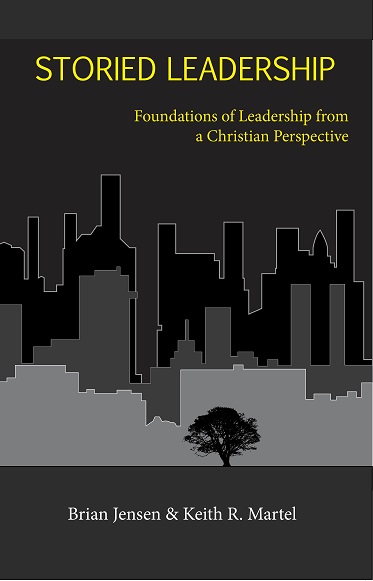 Storied Leadership: Foundations of Leadership from a Christian Perspective Keith Martel & Brian Jensen (Falls City Press) $18.00 Okay, this one isn’t brand new, and we promoted it when it first released early last spring. But I wanted to start off with it as it is a very good, truly delightful, brief survey of what some call “the Biblical meta-narrative” and how that big picture of the unfolding plot lines of the Bible can and should shape our views of reality. Without using the word “worldview” this offers a foundational Christian view of life, out of which can come a Christian view of society and subsequent social imaginaries. And yes, out of all that can bubble up a coherently Christian view of what leadership is and what it looks like. The chapters are short, the writing crisp, the insights profound. I think it is a really good entree into thinking faithfully and learning new ways to practice faith and leadership in the real world. We recommend it for students, for those new to this topic, and I am sure that experienced leaders will be glad to review it, being struck by notions such as “Kingdom Collaboration” and (with a nod to Steve Garber) “Proximate Leadership.”
 Servants and Fools: A Biblical Theology of Leadership Arthur Boers (Abingdon) $19.99 There aren’t many, but maybe a small handful of good books that deconstruct the standard-fare, worldly ways of thinking about leadership, books that move away from power and maneuvering, or technique and control, or benign use of communication skills. In contrast, there are many books offering to Christians standard fare management stuff with a gloss of religiosity on top, books full of promises about success and influence. Some are for Christians serving in the work-world, and some are for pastors or church leaders. Some have even adopted the once-revolutionary phrase “servant leadership” and have tweaked that to be about crass power or manipulation and the metrics of efficiency. For pastors trying to see more clearly the pretenses and dangers of this, and to discern a more pastoral view of their work, Eugene Peterson has of course been the most significant voice. His quartet of books on “vocational holiness” (at least Under the Unpredictable Plant and Working the Angles) are essential. As in most of his books, he gently but directly exposes how the ways and means of following Christ and leading a God-centered life is quite counter to the ways and means of typical North American life.

 H3 Leadership: Be Humble, Stay Hungry, Always Hustle Brad Lomenick (Thomas Nelson) $24.99 Well, this could be, at first glance, an example of some of what Art Boers finds so troubling, a rather glitzy and upbeat view of leadership, with language of going on a noble quest, pushing boundaries, being passionate and such, but not related to the Bible much, let alone the subversive and counter-cultural ways of Jesus. It is marketed, as is his legendary Catalyst conferences, with whiz and bang — I love the cool, striking hardback design sans cover.
 Wisdom In Leadership: The How and Why of Leading the People You Serve Craig Hamilton (Matthias Media) $24.99 In our effort to curate a selection here that brings fresh and sometimes harder-to-find books to the shelves, we discovered this new work from an evangelical Australian publisher. We have appreciated their clarity about outreach and creating fun resources that are contemporary and doctrinally solid. As a publishing venture they are all about the first things of the gospel, and, if I might, could call them a “gospel-centered” ministry. Their practical books are intense with a robust blend of usable guidance while pointing readers to the cross of Calvary and the finished work Christ accomplished in his death and resurrection. So I was eager to see what kind of a book they’d create.
 The Imperfect Pastor: Discovering Joy in Our Limitations Through a Daily Apprenticeship with Jesus Zack Eswine (Crossway) $16.99 This brand book on being a pastor just came yesterday and while it is not about leadership, generally, it certainly seems to fit this little list now, so I have to announce it. Heck, I don’t think it would matter what this list was, I’d want to name this now: he is a really, really good writer, and we should read whatever he has to say.
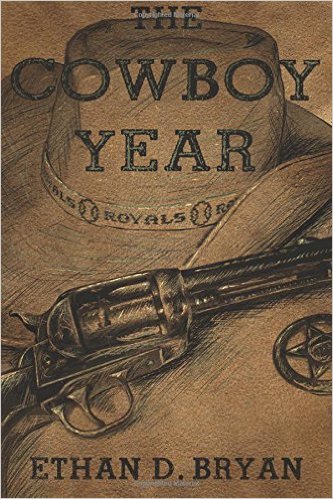 The Cowboy Year Ethan D. Bryan (Electio Publishing) $16.99 I mentioned something about curating an interesting selection here at our bookstore? Well, I wanted to offer a bit of a curve-ball here in this list, a surprising one. This father-and-son memoir is not, at first blush, about leadership. Or is it?

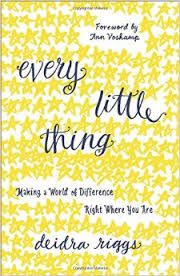 Every Little Thing: Making a World of Difference Right Where You Are Deidra Riggs (Baker) $13.99 Deidra is a woman I respect immensely, for her pleasant demeanor and her professional advocacy for bloggers writing about faith and the work-world at TheHighCalling.org where she serves as managing editor. It’s a big and impressive job, and one of the great things is that she invites her team to encourage younger writers, guiding them into finding their voice, saying their piece, making a difference in ways big and small. Usually small. Which is the theme of this eager-anticipated and very inspiring book — with Deidra’s guidance and encouragement, you can realize that you are a world-changer. Do you ever think that you should get involved in something, or you should take a stand, or follow a sense of God’s leading to stretch you capacities to serve? Do you ever wonder how to know what to do to be faithful to these promptings? Do you ever give up before you even try?
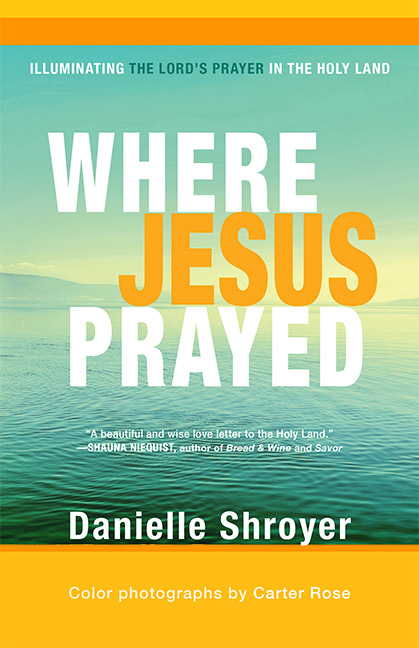 Where Jesus Prayed: Illuminating the Lord’s Prayer in the Holy Land Danielle Shroyer; color photographs by Carter Rose (Paraclete Press) $16.99 The monastic sisters in the religious community who run Paraclete Press are very excited about this, and assured me I’d love it. I think they are right — just glancing through it I notice that it does indeed have some good insights about praying the Lord’s prayer. Maybe you, like me, have read a number of solid books on this, but, like me, never tire of being drawn into this pivotal and important aspect of our Lord’s teaching. But not only is this beautifully written and obviously insightful, it is juxtaposed with photos and stories of being in the Holy Land. The author had gone on a pilgrimage to the Holy Land and she had one goal: “to enjoy God, fully present to the presence of the Holy.” The back cover explains that she was “tired of her own wordy prayers and theological thoughts as a pastor, she wanted her prayers to be quiet listening rather then incessant speaking. When the Lord’s Prayer came to mind in the midst of her silence, she welcomed the words of Jesus as the only words she needed.” This book is the fruition of her discipline of only praying this prayer as she traveled. Immersed in a sense of place, she felt the prayer coming to life in new and unexpected ways.
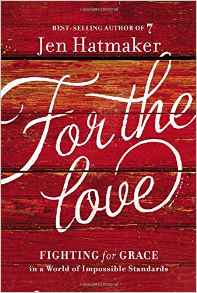 For the Love: Fighting for Grace in a World of Impossible Standards Jen Hatmaker (Thomas Nelson) $22.99 I spent an evening with this a week ago and laughed right out loud. I loved Hatmaker’s book 7: An Experimental Mutiny Against Excess — an honest, upbeat, but serious story of living on less — but wasn’t sure a major hardback release about life being “lovely and fun and courageous and kind” was going to work. And I loved it. I guess it is written for women (yes, come to think of it, given that there’s a chapter including a wife’s view of sex –“have fun and stuff” — and in one chapter she quotes Gwyneth Paltrow from Elle magazine, I guess it is written for women.)
 call to let go of judgements and be freed up to live in grace. Any book that reminds me of Smedes, and that makes me laugh, is well worth it. Kudos, Jen.
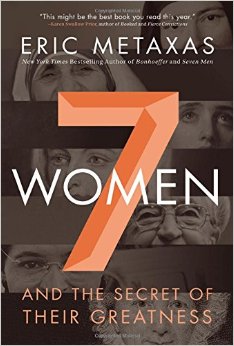 Seven Women And The Secret of Their Greatness Eric Metaxas (Thomas Nelson) $24.99 I hope you know Metaxas’s Seven Men and the Secret of Their Greatness which was a tremendously written, very informative, and truly inspiring study of seven very different men. (How many books put Jackie Robinson, Nelson Mandela, and George Washington in the same league? The Bonhoeffer chapter is nearly worth the price of that one, and of course he does Wilberforce.)
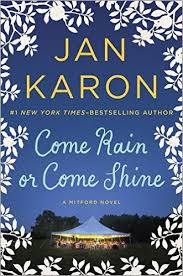 Come Rain or Come Shine: A Mitford Novel Jan Karon (Putnam) $27.95 This may have one of the nicest covers of the year, and I’m drawn to it even though I’ll admit I haven’t read any of the others. There, I said it. But great thinkers that I admire have appreciated them — Lauren Winner’s Girl Meets God memoir tells of her own conversion to Christian faith in part by reading about Mitford! — and, more importantly, customers and staff and friends really enjoy them. I suppose you know all about Father Tim — last heard of in Somewhere Safe with Somebody Good.
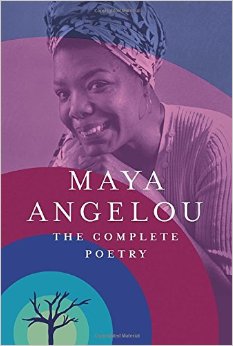 Maya Angelou: The Complete Poetry Maya Angelou (Random House) $30.00 This is one of the more handsome one-volume complete poetry editions we’ve seen — just a little bit bigger than some, but with lots of white space on the page. The titles are in deep blue ink on cream colored paper — complete with deckled edges on the pages. The woman who wrote that she is “phenomenal” is just that. This is a very handsome volume, with over 300 pages. Just holding it brings me joy, and reminds me of her distinguished career in letters. There are some famous ones, too — if you are old enough you will recall her “On the Pulse of Morning” a tribute at the inauguration of President Clinton and the never published before poem “Amazement Waits” that she did for the 2008 Olympic Games. She died in 2014.
 And, speaking of significant women authors, we are still eager to sell Go Set a Watchman, by the extraordinary storyteller Harper Lee. Beth zipped through it the week it released and really, truly loved it. Just a day ago we got a long email from a customer who was exceedingly skeptical, but bought it from us on Beth’s recommendation. His note said that he experienced something he hadn’t in quite a while — the compulsion to keep reading, that made him stay up most of the night, simply unable to put the story down. I don’t know if it counts as a refreshingly inspiring book of the sort I’ve listed here, but, ya know, you could do worse on a hard day. And Paul’s note meant the world to us, reminding us of the great value of good books. That helps keep the discouragement at bay, too. Thanks, ya’all.

 Renew Your Life: Discovering the Wellspring of God’s Energy Kai Mark Nilsen (IVP/formatio) $16.00 Maybe discovering this book last week was what gave me the idea for this post: it is written precisely for those who are exhausted or longing to find a source of refreshment. The subtitle talks about God’s energy! This is just what I needed! Rev. Nilsen is on the board of Renovare (hence, the rather contemplative tone of this gentle guide to renewed spirituality.) He has been a pastor at Peace Lutheran Church in Gahanna, Ohio, and is a certified pastoral coach for the ELCA. Chris Hall says he is a “wise, insightful, empathetic guide for weary wanderers.” Nathan Foster’s quote most invited me into this here in the start of autumn, when he suggested that “many will find this work gives way to a new beginning – a genesis of sorts.” Yes, isn’t this what some of us need now, guidance in turning over a new leaf, recalling how things work in God’s Kingdom? Some assistance towards a fresh start?
 Praying the Bible Donald Whitney (Crossway) $13.99 Obviously, it should be well known that one standard tool to combat listlessness or weariness or anxiety is reading the Bible. And I not only commend reading the Bible, but reading books about reading the Bible. Really: what joy to learn more about the Bible! This new book, despite having the word Bible in the title, is actually a book about prayer. It is simple, and written in wise, plainspoken prose. Dr. Whitney invites us to admit that often we are bored by our praying, mostly because we pray about the same old things in the same old way. This isn’t unusual or wrong, so Whitney reminds us not to blame ourselves. The Holy Spirit residing within us is drawing us to desire God, to want to talk to God more, to trust that God is seeking us out and that we may pray our heart’s desires to HIm. However, when it is “same old/same old” it isn’t our fault, but the problem is in our method.
 Rewilding the Way: Break Free to Follow an Untamed God Todd Wynward (Herald Press) $15.99 I have been eager to tell you about this book, but had to read more of it, to be sure it was all I had hoped. And it is! This is the story of a Mennonite couple – he, a wilderness guide who has spent more than a thousand nights outdoors – who started a very innovative wilderness-based public charter school in around Taos, New Mexico, smack in the middle of the beauty of the Sangra De Christo Mountains. Wynward’s call to “rewild” our understanding of the Christian faith is provocative, challenging, and – for many of us, I’m sure – will be a fresh reminder of the wild call to a joyful and prophetic lifestyle.
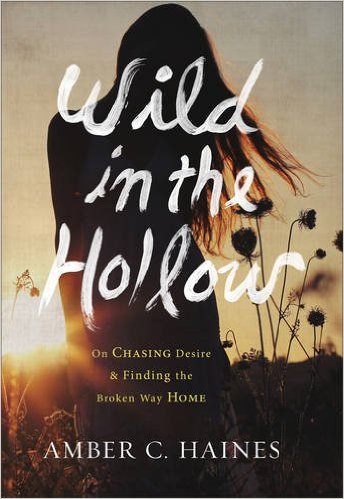 Wild in the Hollows: On Chasing Desire & Finding the Broken Way Home Amber C. Haines (Revell) $16.99 I could write pages about this luminous, creative writing project, this memoir of a woman who, we are told, is “haunted by God.” I believe her. She has here narrated her young life, and some pretty exceptional ups and downs, and some that are more common than we are usually willing to admit. As Emily Freeman asks, “How can a woman with a story so different from my own be telling my story, too? Amber Haines has found a way…this captivating book stunned me speechless.”
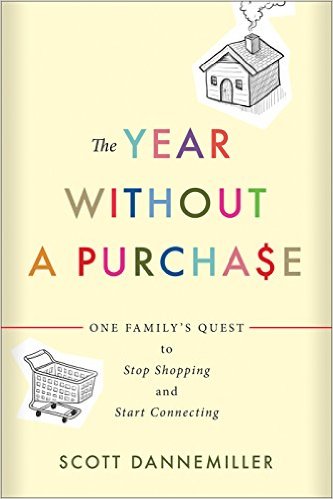 The Year Without A Purchase: One Family’s Quest to Stop Shopping and Start Connecting Scott Dannemiller (Westminster/John Knox) $16.00 Sometimes it doesn’t hurt to let go of some of your anxieties and stress by laughing a lot. I’ve really, really enjoyed in recent years a few of the memoirs about people wanting to eat local, or simplifying their life, stories of a year of gardening or raising chickens or eating better. I love memoirs and was eager to read this new one, but I had no idea how blasted funny it is. It was one of my favorite reads this summer.
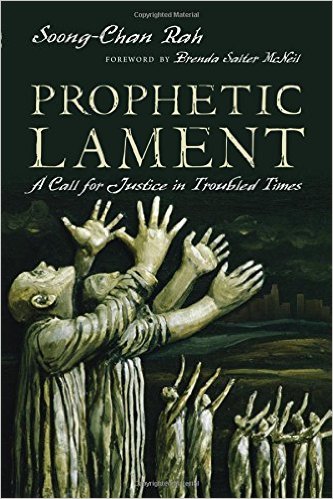 Prophetic Lament: Call for Justice in Troubled Times Soong-Chan Rah (IVP) $17.00 Sometimes, when one is a bit discouraged, tired of carrying the weight of the world, and wanting to read something inspiring and motivational, what might be really doing on is something described in a fine book by Bill Hybells called “holy discontent.” That is, God is stirring up something in your heart beyond the tiredness that comes from stress and lack of sleep, but is actually a burden which could lead to deeper cares and concerns. That is, rather than avoid or cover up our dissatisfactions, we might hear in them a holy calling. And so, I invite you to this powerful, challenging, passionate book. There are other books on lament that have come out in recent years — some, fairly detailed works of eye-opening Biblical scholarship, others poetic and poignant. This, though, is not just about how the American church tends to avoid lament and how it is an essential component of Biblical faith — it is a guide into what it means to lament well and why it matters. I think it will be on our short list of the very best books of 2015.
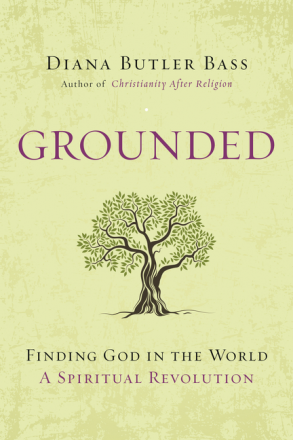 Grounded: Finding God in the World – A Spiritual Revolution Diana Butler Bass (HarperOne) $26.99 NOT YET RELEASED available October 6, 2015 Perhaps this is the sort of book you most need right now – a delightful combination of social research, progressive theology, beautiful science writing, personal storytelling, and practical guidance to finding God’s presence in the ordinary stuff of Earth. We are taking pre-orders for this as it isn’t released yet, although we will be able to ship it early in October. In my own weariness and in my own search for a book that isn’t too heavy but not too light, that is serious but not ponderous, this looks like almost a perfect fit. It will be discussed a lot, I am sure, in the months to come, and I hope you read it so you can join in the conversations, but mostly I hope it will touch you now, deeply, where you need to sense God’s presence, despite all.




 Invisibles: Celebrating the Unsung Heroes of the Workplace by David Zweig (Portfolio) $16.00 our sale price = $12.80
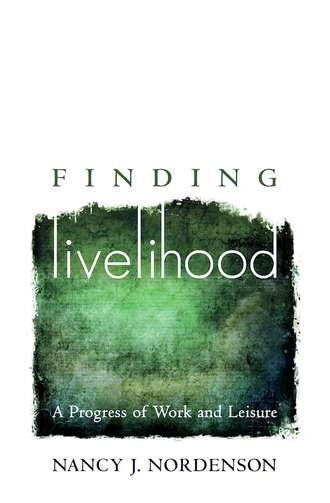
 Finding Livelihood: A Progress of Work and Leisure Nancy J. Nordenson (Kalos Press) $14.95 our sale price = $11.96
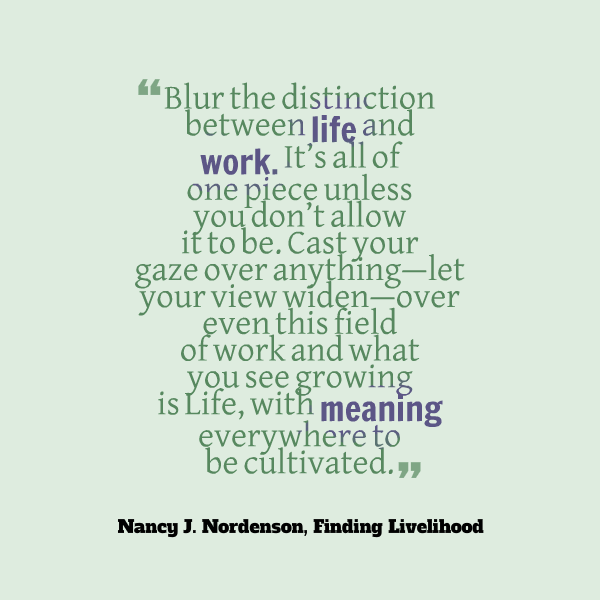 books that are direct about this matter of finding God in the work-world, books that offer clues to spiritual formation for and in the marketplace, thinking Christianly about vocation and call, developing a Christian viewpoint, even, but this is less obvious than that. She does want life to be more seamless, not just to find paid work but to sense a call, to discover meaning in our days. Livelihood. She does ruminate quite a bit on Josef Pieper’s classic Leisure: The Basis of Culture (and in a simple reminder of its post-World War II context helped me understand it more than I had.) Her point in all of this is profound, but not evangelistic on the face of it; Why is Pieper’s message so urgent? She answers her own question in italics: To be human.
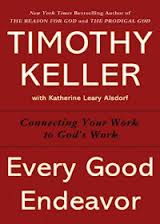
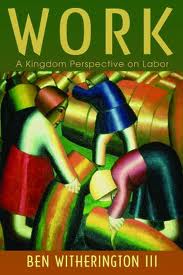
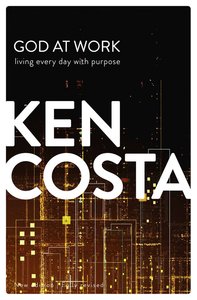 Stevens and his majestic The Other Six Days: Vocation, Work, and Ministry in Biblical Perspective (both published by Eerdmans) or The Gospel at Work: How Working for King Jesus Gives Purpose and Meaning to Our Jobs by Sebastian Traeger & Greg Gilbert (Zondervan.) Ms. Nordenson cites Miroslav Volf’s important book about a theology of work based on charisms, Work in the Spirit: Toward a Theology of Work (Wipf & Stock.)

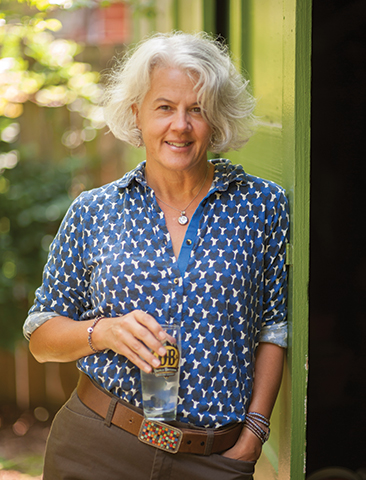

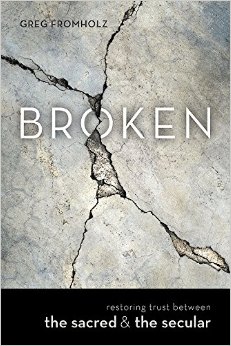 Broken: Restoring Trust Between the Sacred and the Secular Greg Fromholz (Abingdon) $16.99 There are layers and layers of things going on in this feisty, creative book although the umbrella rubric is trust. Trust between overly strict Christian folks and their disapproval of pop culture, and, yes, of overly secularized unchurched folks who are convinced the church is out to get them. But more than a passionate, artful, interesting call to overcome the growing disconnect – if not fully caused, at least made more intense – between religious folks that seem to want to play it safe, avoid risk, and keep the faith compartmentalized and out of deep engagement with the complexities of the modern world. Fromholz is an Irish video director and an interactive iPad book app (Liberate Eden.) He was friends with the late chaplain for U2 (Jack Heaslip) who gave the book a happy endorsement before he passed and other smart folks in the contemporary Christian music world (Martin Smith of delirious, Chris Llewellyn of the Rend Collective.) Blurbs here are vibrant and very positive – from the Anglican Archbishop of Dublin to Shane Claiborne, who says he has a gift for uniting people in “subversive friendships.” Fromholz is obviously a colorful character citing edgy films and The White album and Richard Mouw on Abraham Kuyper and Tom Waits and Ray Bradbury and Eugene Peterson and Keith Green.
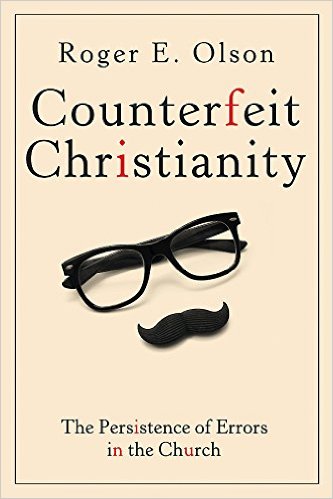 Counterfeit Christianity: The Persistence of Errors in the Church Roger Olson (Abingdon) $19.99 Those that follow our BookNotes blog know that I believe the false division of life into “sacred and secular” (with roots in pagan Greek philosophers like Plato, not the Bible, and seen most grossly in the weirdness of Gnosticism) is one of the enduring heresies in 2000 years of church history. There has been much conversation about this in recent decades and the above book by Greg Fromholz is one such call to a restoration of the full-orbed, creation-based faith – “for the life of the world” as the popular DVD puts it. Nonetheless, for what it is worth, I also think that if we are going to pioneer and sustain a fully relevant 21
 Chosen? Reading the Bible Amid the Israeli-Palestinian Conflict Walter Brueggemann (WJK) $14.00 My life was significantly impacted when Dr. Peter J. Steen, a Dutch neo-Calvinist philosophy professor (who I mention in my chapter in Serious Dreams: Bold Ideas for the Rest of Your Life) gave to me in the mid-1970s Walter Brueggemann’s excellent book of Biblical scholarship, The Land. It was years later that I came to appreciate his Prophetic Imagination and came to know him and his passionate, insightful, broad teaching of the Hebrew Scriptures. Perhaps like you, you’d read Walt on almost anything, even if you may not completely agree (or even understand) all of his eloquent, nuanced, generative prose. And, perhaps like me, you, too, have been waiting for this book for a long, long time. In some ways, it is a brief follow-up to The Land, written for small group use, offered in light of the very tragic current events in the Middle East.
 I (Still) Believe: Leading Bible Scholars Share Their Stories and Scholarship edited by John Byron & Joel Lohr (Zondervan) $24.99 Wow, does this ever look fascinating. I suppose most BookNotes readers are aware that in the 20
 Longing for Paris: One Woman’s Search for Joy, Beauty, and Adventure – Right Where She Is Sarah Mae (Tyndale/Momentum) $15.99 Sarah Mae co-authored a good book on mothering that came out about a year ago called Desperate and we recently realized she was nearly a neighbor (she lives over in Lancaster County.) We were so impressed with an early reading copy of this new book that we hope to have her do an author event here someday soon! For now, you should know about how delightful a book Longing for Paris is. On the back cover it says it is “for anyone who has ever daydreamed of another life…” Although it is written mostly for women, I enjoyed it a lot. I’m hoping people pick it up.
 Anne of Green Gables, My Daughter, and Me: What My Favorite Book Taught Me Ab out Grace, Belonging, and the Orphan in Us All Lorilee Craker (Tyndale/ Momentum) $15.99 This is a beautiful memoir that unfolds a bit of the author’s story — yes, dealing with being an “orphan” and stuff around adoption – interspersed with lovely exploration of the insights and meaning of the beloved L.M. Montgomery Anne of Green Gables novel published in the very early 1900s. Craker is a really good writer. Shauna Niequist says she “writes with both lightness and depth, and I found myself taken by all three stories -her’s, Phoebe’s, Anne’s. The beauty of her storytelling and the tenderness of the events she describes makes this a thoroughly rich reading experience.”
 Gaining By Losing: Why the Future Belongs to Churches That Send J.D. Greear (Zondervan) $19.99 This looks similar to any number of recent books on being a missional church, “outwardly focused” congregational health, and how a vision of Kingdom service is the key to vibrant, revitalized church. It is about being a “disciple-making church” and reminds us that being “gospel centered” is the ground from which our proclamation of grace and service must grow. Unlike most missional books (that explore “staying” and witnessing amidst secularized North American culture) this new hardback book invites us to re-capture (or develop, if it not in your congregation’s DNA) a mission of global church planting and deepening our missionary agenda as a sending church. This is a major point and it is clear that Greear’s church (Summit Church Raleigh-Durham, NC) has learned the art of “sending” and therefore many of the chief leaders, workers, (and givers!) of his congregation leave – on purpose, of course! Gaining By Losing will surely deepen our trust in God if we dismiss our best folks, and it could reignite a deeper desire to be faithful, risky, even in counter-intuitive ways. It is on my “read soon” list, and for those of you who are in congregational leadership positions, it maybe should be on yours, too.
 The Holy Spirit Stanley Hauerwas & William Willimon (Abingdon) $13.99 Holy smokes, it has been a while since Hauerwas & Willimon have collaborated like this. Just this year a 20th anniversary edition of Resident Aliens was released which reminded many of how important this duo have been, not only in their more academic works, but in these small guides to lively Christian living. I was really thrilled to learn this was coming, and glad we just got it in.
 Post Traumatic Church Syndrome: A Memoir of Humor and Healing Reba Riley (Howard) $24.99 There aren’t too many Christian books that hold a bright endorsement from Elizabeth Gilbert, who writes that it is “hilarious, courageous, provocative, profound.” She continues, “If the Pray in Eat, Pray, Love had a gutsy, wise, funny little sister who’d never been to India, it would be Post-Traumatic Church Syndrome.”
 Rising Strong: The Reckoning, the Ruble, the Revolution Brene Brown (Spiegel & Grau) $27.00 One of the biggest best-sellers of the last few years was the astounding Dare Greatly: How the Courage to Be Vulnerable Transforms the Way We Live, Parent and Lead by the social psychologist, research professor and TED talk guru. (Brown’s 2010 Tedx Houston talk “The Power of Vulnerability” is one of the top five most-watched Ted talks worldwide!) As with many TED talkers, Brene Brown has a remarkable ability to combine science and storyteller, her scholarship offered in truly interesting, motivational presentations. She is also the CEO of The Daring Way, an organization that brings her work on vulnerability, courage, shame, and worthiness to organizations, schools, business, communities, families. Her study of this topic helped lead her back to Christian faith, which makes her even more interesting as a renowned public intellectual. Rising Strong is the eagerly-anticipated follow up to Daring Greatly which, in turn, developed from her work such as The Gifts of Imperfection and I Thought It Was Just Me.

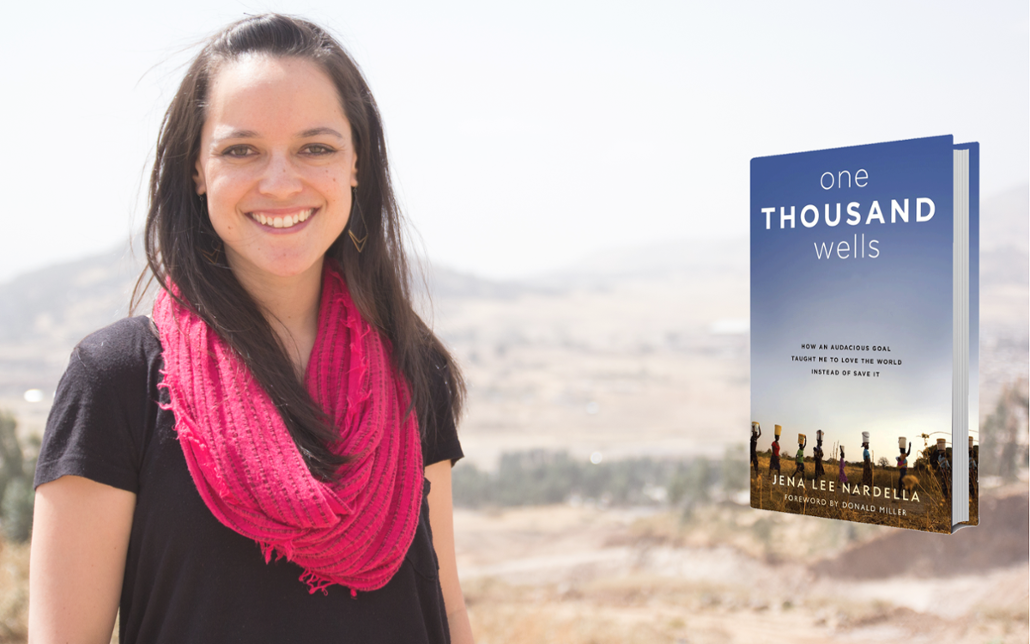
 One Thousand Wells: How An Audacious Goal Taught Me to Love the World Instead of Save It by Jena Lee Nardella (Howard) $24.00 Our sale price $19.00
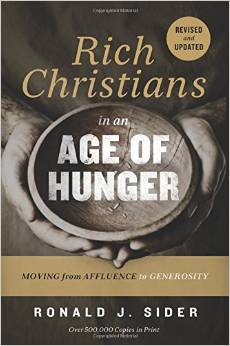 Alongside other recent books like Stephan Bauman’s fabulously energetic and visionary call to enter this fray with creativity and hope, Possible: A Blueprint for Changing How We Change the World (Waterbrook; $22.99) or the free-market-based solutions proposed in For the Least of These: A Biblical Answer to Poverty edited by Anne Bradley and Art Lindsley (Zondervan; $21.99) and last year’s exceptionally important and much-discussed Locust Effect: Why Ending Poverty Requires the End of Violence by IJM founder Gary Haugen & Victor Boutros (Oxford University Press; $18.95) or the fabulous new 12-session Bible study curriculum from the IJM Institute, God of Justice by Abraham George & Nikki A. Toyama-Szeto (InterVarsity Press; $16.00)
 quite a while. Her voice, her writing, her story, her organization – Blood: Water Mission, co-founded by the rock band Jars of Clay, are all so very interesting, and bring to the fore aspects of this work that are captivating to read about, deeply moving at times, informative and good and helpful. I really hope you consider buying it, that your church library might offer it, that book clubs might take it up.
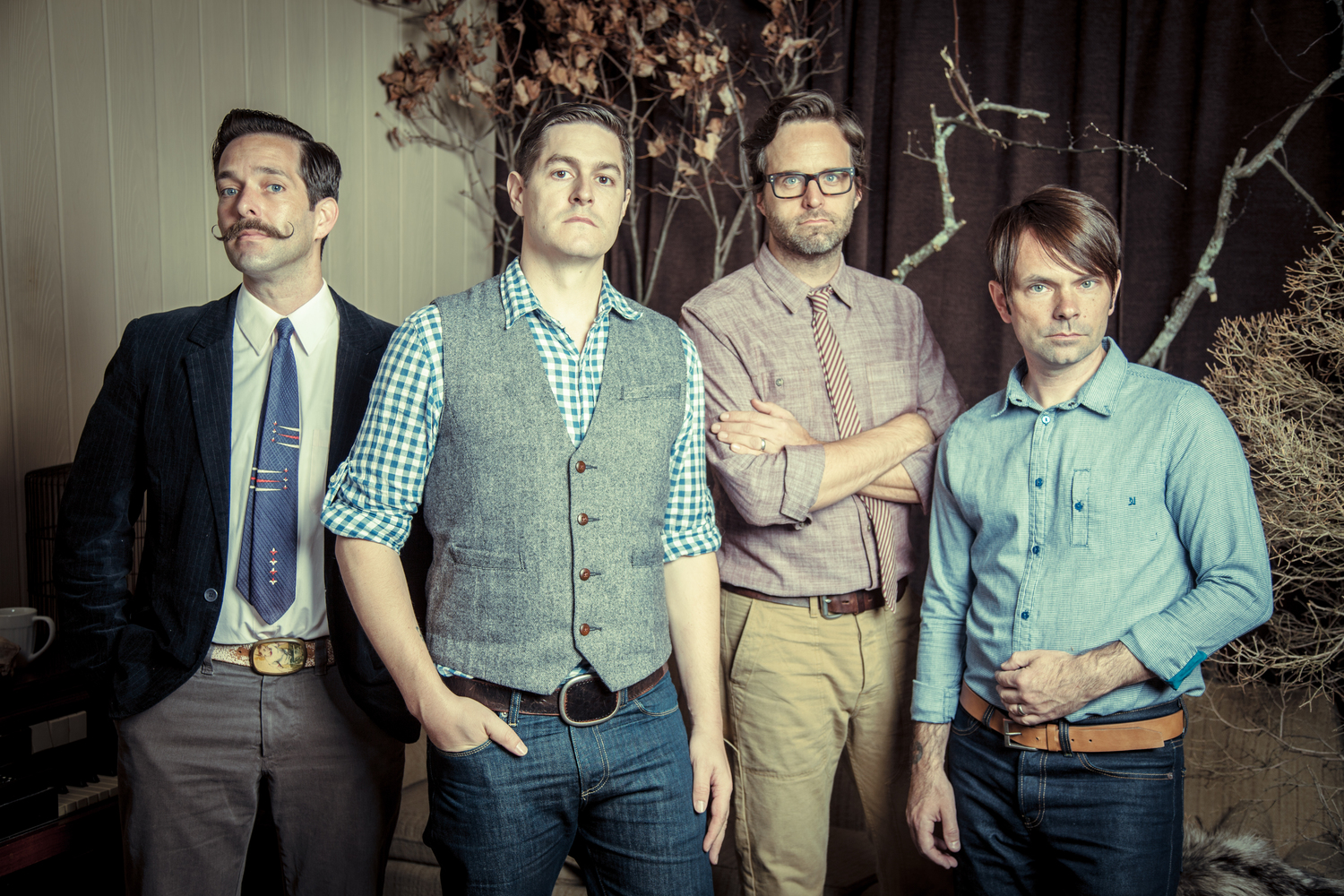
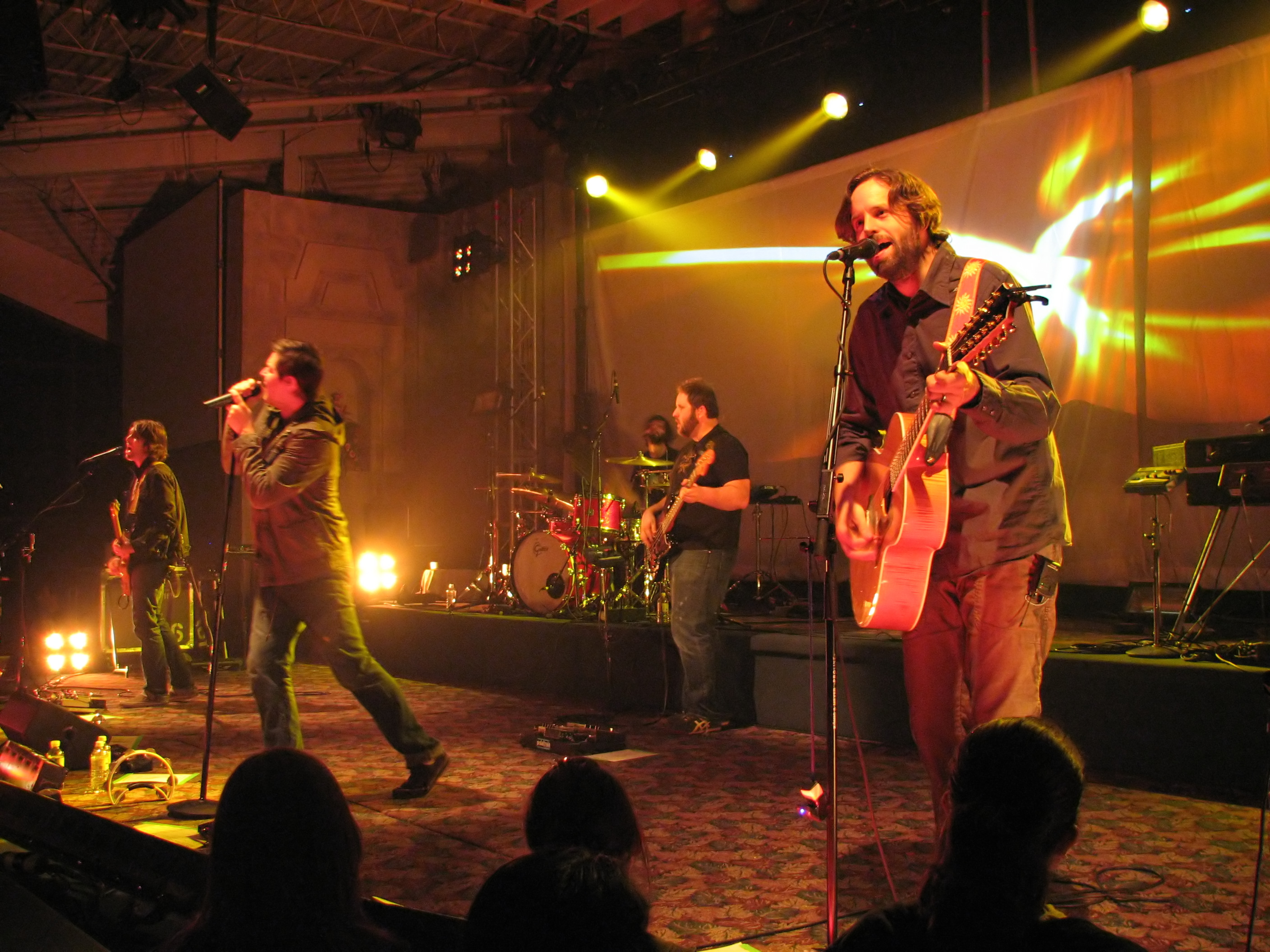 Jars of Clay, a CD which meant very much to her as a young teen. That they show up as the key partners in this story is a blessed bit of providence, and a joy to read about, especially for those of us who have been fans and fanatics about performing artists. Imagine if out of nowhere you ended up being invited to work with the musicians of your favorite band, or, say, the stars of your favorite TV show.
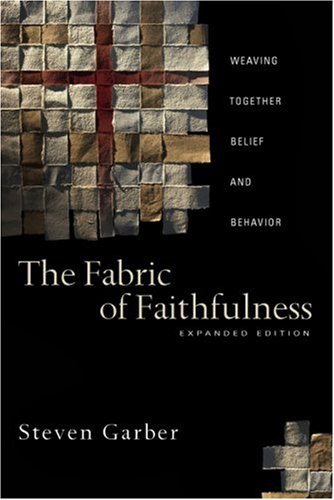 straight from her mentor Steve Garber, who gets at the question of sustaining care over a lifetime in his first book about young adult faith development (Fabric of Faithfulness: Weaving Together Belief and Behavior) and explicitly teaches us about it in his more recent Visions of Vocation: Common Grace for the Common Good.(Both nicely published by IVP; $17.00/$16.00 respectively.) That is, can we know the world in all its brokenness and still love it? Can we avoid utopianism and idealism, on the one hand, and paralyzing cynicism on the other? As we enter in to the pain of others can we still be people who truly love and show God’s grace? There are many who set out to “save” the world (or “solve” a

 were drawn to Africa, and felt called to speak up about the AIDS crisis there. They didn’t want to be a typical Christian rock band, but were serious artists attempting to offer their aesthetically rich songs into the mainstream world (even though their fan base remained mostly those engaged in the contemporary Christian music science, where they mostly played, from church camps to Christian colleges to huge outdoor festivals. They were clearly in another league than many CCM pop stars, but there they were, hoping not only to share their music with a wider world, but to press their evangelical fans to better perspectives and postures regarding social concern and a broader worldview.
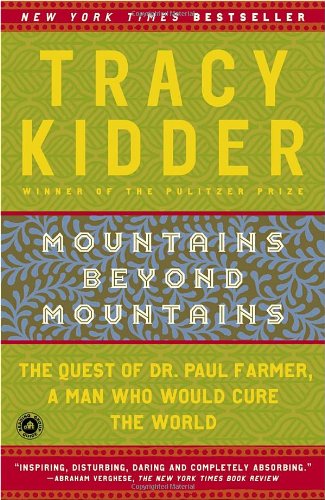 wonderful, award-winning book about him written by Tracer Kidder called Mountains Beyond Mountains: The Quest of Dr. Paul Farmer, A Man Who Would Cure the World.) Dwight Gibson, one of the principles in the much-celebrated For the Life of the World DVD, recently told me about one lively board session in those early years where he was serving with Jars and Jena and the conversations were so rich and moving that he missed an important international plane flight to continue talking late into the night! Every upstart ministry should have such thoughtful, wise, “conversations of consequence” going on around them, asking important questions, pushing beyond easy answers or pragmatic moves or dramatic gestures to discern best practices informed by serious considerations of the deepest matters.




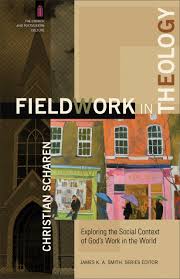
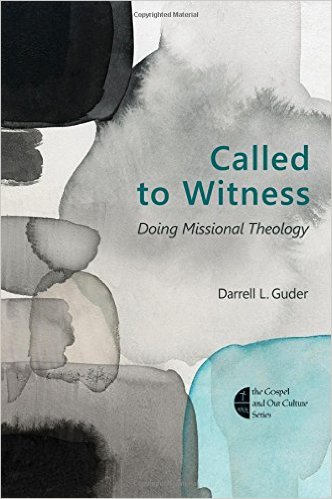
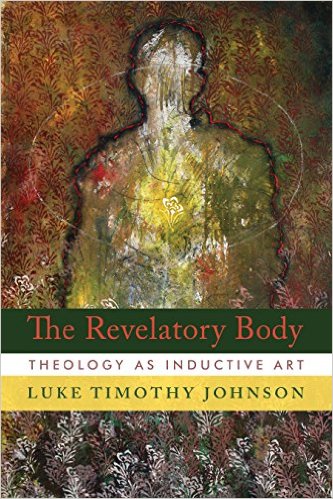 announce Darryl Guder’s new work in the “Gospel and our Culture Network” series, Called to Witness: Doing Missional Theology which moves from a Theology of Mission to Missional Theology. All three of these reviewed books presume that something about our setting, our context, our very creatureliness matters, even for the methodology of doing theology. That’s a heady notion, but these writers tease it out in their work, and we wanted to be sure you knew we had these sorts of resources. These are examples of creative, applied theology for serious thinkers who want to learn, but we trust will yield fruit in deeper faith and wiser Christian living.
 Discussing Mere Christianity DVD curriculum. I can hardly think of a church that wouldn’t benefit from using a study like that, affirming what we most merely believe and why.
 Exploring Christology & Atonement: Conversations with John McLeod Campbell, H.R. Mackintosh, and T.F. Torrance Andrew Purves (IVP Academic) $30.00 Purvis is a hero of many mainline and evangelical Presbyterians who have studied under him at Pittsburgh Theological Seminary, or who have read his wonderful, pastoral works such as The Crucifixion of Ministry and The Resurrection of Ministry. His specialty, as somewhat of a Scottish Barthian, I suppose, is historical theology, and in this book – which has been called “groundbreaking” and a “fine feast” — Andrew explores how some very heavy-weight, incredibly important Scottish theologians of an earlier (but still modern) era wrote about these essential topics, Christ and his cross. I think if one is fairly conservative on these matters, you will be stretched and blessed to walk into these profound topics (the Trinity, the nature of atonement, justification and such) in conversation with these older theologians from the British Isles, with Purves as your guide. And if you are not inclined to appreciate classic formulations, I dare you to not enjoy this fascinating guide into these old thinkers.
 The Work of Theology Stanley Hauerwas (Eerdmans) $28.00 I suppose I don’t have to explain how extraordinarily important Hauerwas is; he has written academic monographs, scholarly works and popular screeds, his colorful seminars and sermons have inspired many (and turned off some, too.) His wide reading and fluency in philosophy and exceedingly fertile mind makes him truly an exceptional scholar. Library Journal wrote that “it is hard to imagine any living theologian more celebrated than Hauerwas” and The Christian Century says that the church needs him, because “His theology is courageous, challenging, and a source of hope when many ecclesial leaders seem to be despairing.” Commonweal writes, “Hauerwas has achieved singular preeminence among theologians in the United States and as a public intellectual…any new book bearing his name is noteworthy.” I should remind you that he has written a fascinating memoir Hannah’s Child: A Theologians Memoir. In this new book he revisits and restates many of his earliest concerns. He thinks he and his work have been mischaracterized and misunderstood and here he wants to use “practical reason” to offer theological reflection and a bit of clarification.
 Theology: A Very Short Introduction David F. Ford (Oxford University Press) $11.95 I hope you know the gigantic series by Oxford University that asks esteemed experts in given fields to write pocket-sized, serious-minded guides to their topic. There are hundreds of them on nearly any imaginable topic, it seems. (The one on spirituality, by the way, is very thoughtful and worth owning.) Ford is a fine, serious writer and has done major theological works, and a few rich, mature guides for ordinary Christians wanting to learn how to reflect upon their faith and lives. He’s a great choice for this ecumenical study, and it is just a fabulous guide into the field, what theology is, why it matters, and the contours of its terrain, the character of those with theological expertise. Of course, one of the matters at stake in theological debates is what “counts” for theological knowledge, the role of experience and what we consider to be the most reliable authority. This is fair and thoughtful, and good little volume.
 A Little Book for New Theologians: Why and How to Study Theology Kelly M. Kapic (IVP Academic) $8.00 If the above-mentioned Ford is a high church, British Anglican, Kapic – whose PhD is from the King’s College at the University of London) is a conservative, Reformed scholar. He is one of the great thinkers within evangelical scholarship and a much-respected teacher and mentor. This is a wonderful primer to the task, about the “why and how” of doing this kind of reading. As Sinclair Ferguson writes, “To study with Kelly Kapic must be serious fun… an ideal start kit for beginning theology student and an affection-refresher for those who have been longer on the way.” Hmmm – this little meditation on how to do theological thinking can “refresh” one’s “affection.” Don’t you want to try it and see if it is true?
 The Divine Magician: The Disappearance of Religion and the Discovery of Faith Peter Rollins (Howard/Simon & Schuster) $14.99 I am not immediately drawn to books which claim to be “a bold and subversive vision of faith on the front line of theological innovation” but I know that many people, including some friends that I respect and like, find sustenance from the writings of Rollins. (His first is called How (Not) To Speak of God, a recent one is called The Idolatry of God.) He is a widely sought-after storyteller and public speaker that integrates live song and liturgy, poetry and preaching, performance art and sonic landscapes into his programs as he deconstructs standard notions of abstract dogma and reasonable faith, pushing participants to, as one book title puts it, Insurrection, where “to believe is human, to doubt, divine.) I want to like his iconoclastic protest and prophecy but I admit to not even understanding many of his obtuse books. I suppose it just isn’t my cup of disco. Here is what it says on the back: “By approaching Christianity as a type of magic trick, firebrand Peter Rollins presents an understanding of faith that is both unorthodox and challenging.” I appreciate that he argues for a deeply material faith which finds meaning not simply in a set of beliefs but in a passionate commitment to the world. Is it “incendiary” as he suggests? Does it “offer hope for those seeking a depth and density in life?” Try it and see. Join with others to read, pray and talk, study and search. Maybe he’s on to something. This much is true: we need deep consideration of these important matters, and if thoughtful folks together work through these kinds of edgy resources it can help clarify what they do and don’t believe, and how to proceed. It ain’t magic, but the process can be wondrous.
 Journeys of Faith: Evangelicalism, Eastern Orthodoxy, Catholicism, and Anglicanism General Editor Robert L. Plummer (Zondervan) $18.99 I am a big fan of those “five views” or “four perspectives” books where different sorts of Christian thinkers offer a chapter in contrast with three or four others. By the end of the book, you get a handful of perspectives, and each of the others critiques of each other. It can make your head spin, and we’ve got ’em on everything from whether we should take Adam literally in the Genesis narrative to what we think about the Providence of God to varying views of the authority of the Bible. From Eucharist to Baptism to the end times to the nature of spiritual maturity, these lively debate-oriented volumes are informative and make fine resources for anyone wanting to cover a handful of views of any given topic. This one is fabulous – not enough, but a great start! – and explores people and their switching to new theological positions. We have the testimonials of those moving from evangelical to Catholic, from Catholic to Reformed; one contributor has become Anglican, another entered the Eastern Orthodox Church. Each chapter has their logic of each writer, followed by respective respondent.
 In a Quest of a Vital Protestant Center: An Ecumenical Evangelical Perspective George Demetrion (Wipf & Stock) $36.00 I have to admit I am really struck by books that draw on diverse theological views and with almost every book I always start with a study of the footnotes, and sometime unfairly, judge the author by her citations, who she or he draws upon or is in discussion with. When, as here, I see insightful use of Puritan scholar and Reformed Anglican pastor J.I. Packer and UCC Bible scholar Walter Brueggemann, I am excited and sing praise to God. It is so sad that in non-evangelical, non-Calvinist circles so few know the wise work of Packer; similarly, it is sad many evangelicals do not read the Brueggemann. I love the ecumenism and the healthy model of how to be in respectful, hopeful conversation with writers such as Douglas Hall, Richard Lints, Stanley Grenz, Os Guinness, Nancy Murphy. I loved a long review written by a UCC pastor pal of mine, Chris Anderson, in The New Mercersburg Review, noting that
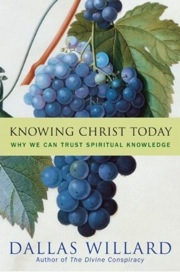 Knowing Christ Today: Why We Can Trust Spiritual Knowledge Dallas Willard (HarperOne) $15.99 I hope you have read some of the late Dallas Willard – his two newest, published after his death, include The Divine Conspiracy Continued (now out in paperback) and the amiable, very valuable book on apologetics called The Allure of Gentleness.) His work about inner transformation is mature and, if taken seriously, life-changing and transformational. (I like, by the way, what is almost an “intro to Willard” written by his good friend, John Ortberg called Soul Keeping: Caring for the Most Important Part, which is also available in a DVD curriculum.)
 The Explicit Gospel Matt Chandler with Jared Wilson (Crossway) $14.99 Oh my, I wish I had time and energy to explain the many fine features of this wise and inspiring book. It speaks to matters that are I think are among the most urgent of our time, and even if Chandler and Wilson don’t get everything exactly as I might wish, they come pretty close. There is more (much more) to talk about than in this book, but this book gets at something that will useful for many Hearts & Minds readers, I think.
