Christ is Risen!
He is Risen Indeed!
Even low-brow evangelicals and hipster missional house church folk have been adopting this ancient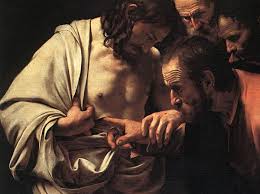 Orthodox call and response these days. I’m heartened by how many have signed off their emails this week with the creedal reminder, and hope this Eastertide season of the church shapes our imaginations and habits. Nothing against the start of baseball season, of course (we have a Baltimore Sun sportswriter Dan Connolly coming in to the store next month to talk about the Orioles!), but there is something good about rooting ourselves in the ancient story. At the change of each liturgical season I get out Bobby Gross’s great devotional Living the Christian Year: Time to Inhabit the Story of God (IVP; $18.00) and re-read Lauren Winner’s spectacular introduction where she reflects on wanting to be more shaped by the church year than the customs of the American narrative and its secular feast days and calendar revolving around school seasons. What does it mean to be alive to the themes and insights about Jesus, season by season?
Certainly one of the great, great truths of this season is that Jesus rose from the dead. So now is a good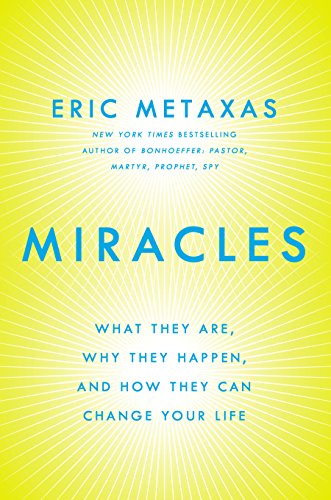 time to think and maybe read about that. He did so in his body, the texts tell us, and I believe it — the modernist lack of imagination among the progressive intelligentsia notwithstanding. If only we could pass out the latest Eric Metaxas book, Miracles (Dutton; $27.95), like loaves and fishes for those hungry for an enchanted universe.
(And, while I’m on this preamble digression, allow me this tangent: New Testament scholar N.T. Wright, perhaps the world’s leading scholar on first century ideas about resurrection has described how when he was trying to figure out if he was a Christian or not, he, of course, had to determine what he believed about this astounding claim that Jesus rose from the dead. To even entertain that, he had to first conclude if miracles – any kind of miracles – could even happen. If not, then there was little point it trying to conjure up Easter faith. So, he read C.S. Lewis’s classic little paperback, Miracles and that was a key step in the process. Once he came to realize that miracles are plausible, then he could proceed to the matter at hand: if that miracle – the literal raising of Jesus from the tomb – had happened. Which is why I commend not only the Lewis standard, but the new Metaxas book. Not only because we may all need a little inspiration to recall that Hamlet was right in his quip to Horatio — there is more to life then meets the naked eye — but so that we can stand seriously on this ancient Christian essential truth: Christ is Risen indeed.)
Okay. That said, I’d like to suggest some books that seem particularly germane this week as we see life in light of the Light of the world, who is now much more than light. He is, as in the famous Updike poem, “Seven Stanzas At Easter,” molecules reknit, the amino acids rekindled. (“Let us not mock God with metaphors” he writes. “Make no mistake: if He rose at all it was as His body…”)
(John Calvin, you may have heard, was once asked if Jesus still sits at the right hand of the Father, as the Apostle Creed declares. His witty reply was that, most likely, He sometimes gets up and walks around. Which is to say, again, Updike is right. This is a real body, which Thomas touched and that reigns in Heaven, even now.)
Enough of me telling it slant, warming up. Here are some books that are about the human body, since bodies matter. Black ones, yes, yes, especially now, but that’s not the half of it. All sorts of stuff matters, and, in Christ, we are like new Adams and Eves, alive in the world, gloriously human, gladly bound by gravity and grace. “This is our Father’s World” the old song says and despite the goofy lines in too many hymns (as documented in a few pages in Richard Middleton’s A New Heaven and A New Earth) the whole Earth does declare the glory of God. And that includes – like it or not – our bodies, from tongues to toenails.
We suggest these books because they are very good. I suggest them now because, well, it is Eastertide, and it seems right.
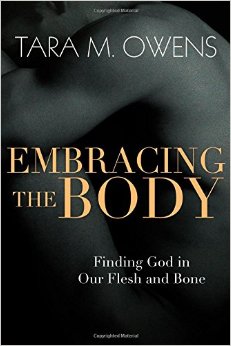 Embracing the Body: Finding God in Our Flesh and Bone Tara M. Owens (IVP/formation) $17.00 This is the third spectacular book published by IVP in the last few years on the nature of the human body, living in our own skins, pondering the deep relationship between our deepest interior lives and our bodies. (We recommend their practical and very spiritually enriching The Life of the Body: Physical Well-Being and Spiritual Formation by Valerie Hess & Lane Arnold and the extraordinary, wonderfully-written What Your Body Knows About God: How We Are Designed to Connect, Serve, and Thrive by Rob Moll. I am sure Debra Hirsch’s soon to be released Redeeming Sex, although a bit more specific, will also wonderful explore the relationship between our bodies and our faith.) I’m glad the acquisition team there are finding these kinds of helpful titles, and releasing them so affordably. Kudos to IVP.
This new book by Tara M. Owens declares that “Our bodies teach us about God, and God communicates to us through our bodies. Our bodies are more good that we can possibly imagine them to be. And yet at times we may struggle with feelings of shame and guilt or even pride in regard to our bodies. What is God trying to do through our skin and bones?”

But why this, writing on the body? She seems neither terribly broken nor distressed about her body (there are some powerful memoirs about eating disorders, say, or cutting, which get at the woundedness so many know.) She is deeply aware, though, and writes eloquently about these hard things that happen to and in our bodies, even though she comes at this less as a physiologist or psychologist, but as spiritual director. She know that our bodies are a central part of who we are, and that we can embody God’s glorious intentions only as we become comfortable with our bodies. Our spirituality is intimately tied to our physicality.
Part One of Embracing the Body is called “Body Reality” and the four chapters are:
Where Do Our Fears Come From?
How We Lost Our Bodies?
Broken Body, Broken Church
Dust to Dust
In Part Two, Ms. Owens uses her wise and pastoral insights to offer us ways to “face our fears.” She offers really profound ways to frame these conversations and I am sure this is going to be immensely helpful for many. I think it might be helpful to just list these chapters and what they cover:
Angel or Animal: Beyond False Dichotomies
Beauty of Beast: Living with an Unglorified Body
Touch or Temptation: Issues Around Sexuality
Desire or Destruction: Exploring Our Impulses
The third part of Embracing… includes five more great chapters, moving us towards a Kingdom vision,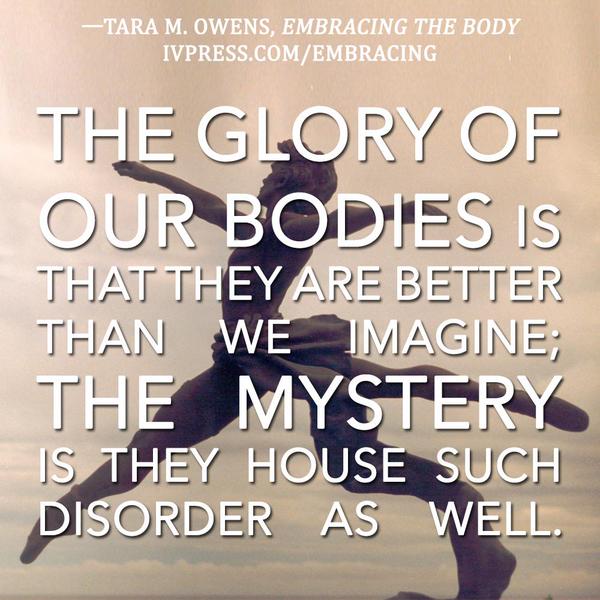 how God’s people in the church -a Body! – might help us with better body images, and how Christ’s redemption may shape and heal our own distorted views and approaches. As you might guess, I loved a chapter called “Sensing God’s Kingdom: Encountering God’s Physical Creation” and highly recommend the chapter on sexuality. (She cites the beautiful book by Lisa Graham McMann, which I often recommend, called Sexuality and Holy Longing: Embracing Intimacy in a Broken World.) There are suggested exercises for reflection at the end of each chapter.
Lauren Winner (whose brand new Wearing God I announced in our last post) says “This book is beautiful, learned and wise. It will make you think, and it will make you want to say ‘amen’ – and, more important, it will enable you to live as a body.” Micah Boyett (author of Found) says “Tara M. Owens is a rare find among contemporary writers. Part theologian, part mystic, her insight is bod and rich, and her writing is fine-tuned… I will be meditating on this book for a long time to come.”
Enjoy this interview with Tara Owens, about her book, done by another astute blogger.
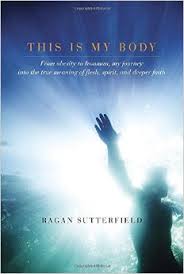 This Is My Body: From Obesity to Ironman, My Journey into the True Meaning of Flesh, Spirit, and Deeper Faith Ragan Sutterfield (Convergent Books) $22.99 It isn’t every day that one sees a mature philosopher write a book about his own body (let alone a triumphant story of becoming an Ironman competitor.) But this – this is smart, exceptionally well-written, captivating, a stimulating blend of memoir and reflection. That Jonathan Wilson-Hartgrove says it is a memoir “that threatens to up-end spiritual writing in the twenty-first century” is significant. This is, truly, an embodied sort of spirituality, a meditation about flesh and weight and sweat and tears and aches and pleasures.
Sutterfield, by the way, wrote a small book that we mention as often as we can, the fantastic Cultivating Reality: How The Soil Might Save Us (Cascade; $16.00) which ponders the harm of industrial food systems, and offers a faithful glimpse of sustainable, soulful, agriculture. That he is indebted to Wendell Berry and the new agrarians is obvious, that he loves the land is evident. That he is a great, solid writer is also evident. He cites rich pieces of the New Yorker and knows good literature from the classic poets to the best theologians. He is studying to become an Episcopal priest.
In This Is My Body Sutterfield helps us think about our physical natures in ways that remind us that “God glories in the flesh.” Even on the back cover, he asks, “What if we had the same joy about our bodies” as God does? Although there is plenty of spiritually-enlightening reflection and some good and challenging diagnosis of our cultural dysfunctions, it is, after all, a memoir. (Rodney Clapp, founder of Brazos Press, and himself author of Tortured Wonders: Christian Spirituality for People, Not Angels) says it is “unflinchingly honest.” This book is exactly that, and it is almost stunning to see anyone reflect on his own views of his own body with such candor. Each chapter tells of a season of his life, from a certain setting. (Including his time on a farm, which is pivotal.)
Chapter by chapter, Sutterfield unfolds his story as he tells how he perceived and experienced his body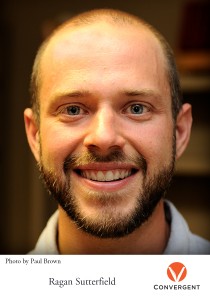 as a body, as he awakened to his body, to his own body in college. He became obese, and has chapters telling how his body was lonely, broken, fulfilled… you’ve been there, no doubt. Interspersed with these auto-biographical ruminations are episodes from his taking up Ironman training as a spiritual discipline. I usually have little interest in reading about these kinds of hard exercise regimens or extreme sports stories (although we do have a book called Slowspoke about a guy riding a unicycle across the country) but found these parts very interesting. Beyond that, they were inspiring, and one more way into this conversation that God cares about this world, that there are, as Bruce Cockburn has sung, “rumours of glory” and that Christ’s own resurrection helps us know in the deepest sense, the promise of the redemption of all things, including our bodies. Did I mention that one of Mr. Sutterfield’s chapters is called “My Resurrected Body”?
I like that on the back cover it notes that Sutterfield “counts his success, though, not in his decreased clothing size, but in his increased understanding of how much God truly loves us and what it means to be stewards, not just of our souls, but of our skin and bones, too.” What a story!
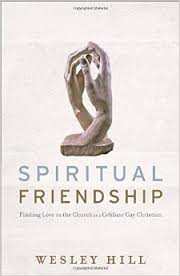 Spiritual Friendship: Finding Love in the Church as a Celibate Gay Christian Wesley Hill (Brazos Press) $14.99 This book deserves its own longer review, and I am afraid I cannot do it justice here. It is one of the most important books of our time, vital, important, rare, wise, exceptional. It is exactly about our embodiedness, yes, even about the redemption of our sexuality. It is beautifully written, exquisite at times, and more candid then one might expect in an evangelical Christian book. We are proud to carry it, and eager to commend it to one and all.
The author is a very sharp, Anglican theologian (indeed, his just released his long-awaited scholarly book Paul and the Trinity: Persons, Relations and the Pauline Letters (Eerdmans; $26.00) which itself deserves much acclaim.) Mr. Hill, though, is perhaps better known as the author of Washed and Waiting: Reflections on Christian Faithfulness and Homosexuality which was published by Zondervan ($14.99) a few years ago. There, he tells his story of being a thoughtful, evangelical and undeniably gay. As one who holds to the traditional interpretations of the often-contested handful of texts about same sex behaviors, Wes is clear that he believes that he must, like other unmarried singles, remain sexually celibate. Washed and Waiting is the only book of its kind, a candid rumination by an out Christian who is gay and who is committed to sexual restraint, without much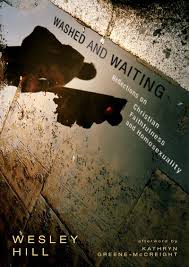 expectation of God re-orienting his own desires for same sex intimacy. Some on the progressive side of things have lamented his prissy fidelity to heterosexual norms and some in the fundamentalist camps have wished for less candor from the brother. (An unashamed gay Christian? Yikes!) We believe that book to be a watershed and exceptionally helpful for those wanting a third way between the extremes. Agree or not, it is, as they say, what it is: a testimonial witness of a very thoughtful, young evangelical leader ruminating on his body, on the redemption of all things, and his hope as he waits for the new earth.
In that significant book he notes that if one is committed to celibacy – no erotic, sexual activity – one certainly needs brothers and sisters along on the journey. Everyone needs companions, serious friends, those who can share life and times more deeply than even in more typical friendships. One needs (embodied) spiritual friendship, and Wes promised that this would be the topic of his next book. Many of us – gay and straight – have awaited this next chapter of his story, and his theologically rich call to better, more profound views of friendship. I cannot tell you how glad I am that this is now available.
Here are four features of this great book which underscore why you should consider buying Spiritual Friendship, as soon as possible.
Firstly, we all know that one of the great themes of our time is the need for authentic community. Not a day goes by without an article crossing my desk – in cyberspace, that is, which may be part of the problem and some of the answer – about the fragmentation of our mobile culture, and why younger Christians, especially, are seeking community. A gang of us moved into a big old house a few decades ago and christened ourselves “an intentional community” and it is beautiful to see that tribe now including houses and apartments throughout that neighborhood in the East End of Pittsburgh, with diverse and nearly intergenerational housing arrangements. (Apropos of not much, I might say it was a pretty depressed area when we moved in, and now there is a Whole Foods and Starbucks nearby.) So, yes, we long for a sense of place, for friends with whom we can do life, for churches to enhance our relationships, for community. Wes moves beyond the rhetoric, it seems, and pushes us beyond grand talk of community to real friendships. (He’s very good on this in the video interview to which I link, below.)
As Richard Hays of Duke writes of Spiritual Friendship: Finding Love in the Church…
Courageous and thought provoking. This is a book that challenges all of us — whatever our sexual experience or longings may be — to think more truthfully about the meaning of love and the complex ways in which our communities either stifle or nurture it.
As Eve Tushnet (author of Gay and Catholic: Accepting My Sexuality, Finding Community, Living My Faith) says, “Honest and poignant, Spiritual Friendship is like a conversation with a good friend who has learned much for books but more from loving and being loved by others.”
Secondly — and this, too, fits with my theme here of the redemption of our bodies, of God’s care about physicality — I suspect this book, which I have only started, will talk about the value of human embrace, of touch. Just this week in church a single friend mentioned to me that she and others she knows are “touched starved.” She was not hinting at anything illicit, of course, but only admitting that single people, widows and widowers, and all sorts of folks need human touch. Let us even leave aside the question of whether we all need something erotic in our lives, sensual pleasures. There is no doubt that we all need touch. I think that Hill writes about this, and enters these frank matters out of both his own personal experience (which he mentions in Washed and Waiting) and from his meticulous, rich, theological studies.
Thirdly, there is, in recent years, a large move to recover ancient theological sources. There is a lot of interest in the patristics, in early church leaders, in a new rapprochement between Catholics and Protestants and Orthodox. (Read the powerful, heady memoir by Thomas Oden called A Change of Heart for some of this story.) Some of this comes from an awareness that much of the crisis of faith in our secularizing time has rattled down from the rise of rationalistic modernity and the Enlightenment. Many realize that it is beneficial to retrieve older sources — pre-modern, if you will — and that ancient guides could provide ballast for shallow evangelicals and liberal Protestants alike. Whether you are immediately interested in the presenting concerns of Mr. Hill, as a celibate gay Christian, or the question of friendship, you may find it helpful to see how early church or medieval teachings presented this notion of spiritual friendship. Hill has recovered a large body of work about friendship — in fact, he has a fascinating epilogue which is an essay on his sources — making this book a major contribution to the growing literature on what Peter Leithart says is “a lost Christian tradition of committed spiritual friendship.”
Lastly, this book is a book-lovers dream. BookNotes readers may not know the works of St Aelred of Rievaulx (Spiritual Friendship written in 12th century England) or the early 20th century author Pavel Florensky. More might know The Four Loves by C.S. Lewis or the many amazing lines in Life Together by Dietrich Bonhoeffer. (There is a footnote, by the way, of a letter to Hill from Charles Marsh, about the spiritual friendship of Bonhoeffer and Bethge that fans will want to see.) Henri Nouwen, of course, shows up, as well. Besides other important theological voices from years ago, Hill quotes popular contemporary studies and recent author (yes, Dan Brennen, whose rare book about cross-gender friendships, Sacred Unions gets a much-deserved shout out.) He notes that moving chapter on loneliness in Lauren Winner’s book Still, the lovely writings on love and romance by Diogenes Allen and novels like The Goldfinch or several by Chaim Potok. Again, his essay which is a guided walk through all manner of recommended books, his own sources ancient and recent, is, for some of us, worth the price of the book.
Here is a remarkable half hour interview with Dr. Hill about his course on Christian friendship that he teaches at Trinity Evangelical School for Ministry. It is very, very good and I highly recommend it.
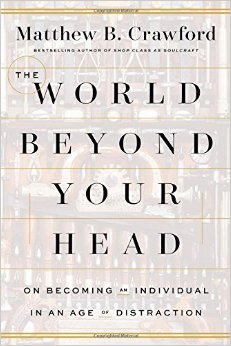 The World Beyond Your Head: On Becoming an Individual in an Age of Distraction Matthew B. Crawford (FSG) $26.00 I announced this notable book on this prestigious publisher in the last post, naming 12 of our favorite books that released last month. I have only dipped in to this – the booksellers joy and frustration – but I have talked to one of our most astute customers, a serious and delightful reader, who assures me it is one of the better books of the year. Crawford, as you surely know (since you read my post earlier this week – ahem!) wrote the much-discussed Shop Class as Soulcraft a few years ago. His story in that rich and learned work, is fantastic. He grew weary of his abstract and seemingly pointless work as a scholar in a think-tank and found new joy and meaning in a motorcycle repair shop he opened. As one well-schooled in the liberal arts (and still involved in the academy as a senior fellow at the University of Virginia’s Institute for Advanced Studies of Culture – run by James Davison Hunter) he can ponder the intricacies and nuances of cultural shifts with the best of them. (Ahh, but can other cultural critics fabricate components for custom motorcycles?) His call to re-instate shop class, for reasons both practical and soulful, is breathtaking.
Here, he moves further into this conversation that honors the work of our hands, literally. Crawford extols practices and craft, he explains how the brain works (yes, neurology figures in to this new volume) and he invites us again to resist Gnosticism. That is the theological heresy, of course, that devalued the physical world, hating the body as Plato did. (I still cringe when a congregation sings “I’ll Fly Away” with its non-biblical, Platonic stuff about this world of God’s being a “prison.”) Crawford, by focusing on our literal, embodied labor and skills, helps us heady types recall the places we live and the ways we work.
Here is what it says on the lovely flyleaf of this handsome hardback (well designed and manufactured and delivered by real hands, by the way.):
We often complain about our fractured mental lives and feel beset by outside forces that destroy our focus and disrupt our peace of mind. Any defense against this, Crawford argues, requires that we reckon with the way attention sculpts the self. He examines the intense concentration of ice hockey players and short-order cooks, the quasi-autistic behavior of gambling addicts, the familiar hassles of daily life, and the deep slow craftwork of building pipe organs. He shows that our current crisis of attention is only superficially the result of digital technology and becomes more comprehensible when understood as the culmination of certain assumptions at the root of Western culture that are profoundly at odds with human nature.
The World Beyond Your Head promises to make sense of an astonishing array of familiar phenomena, from “the frustrations of airport security to the rise of the hipster.”
This glorious book is divided into two major sections: “Encountering Things” and “Other People.” It starts with an epigram by Vincent Van Gogh, who wrote, “The great thing is to gather new vigor in reality.”
Here is a very serious interview with this smart guy from a recent National Review. Wow.
For those of us who believe that Christ is Risen, there is, indeed, a really real reality. God’s Spirit can give us new vigor to enter it well. Perhaps we can imagine, envision, inhabit and embody the new Easter creation by experiencing grace firstly in our bodies. As down-to-Earth farmer/poet Wendell Berry put it, we must “practice resurrection.” Maybe these books can help.
BookNotes
DISCOUNT
ANY ITEM MENTIONED
20% off
order here
takes you to the secure Hearts & Minds order form page
just tell us what you want
inquire here
if you have questions or need more information
just ask us what you want to know
Hearts & Minds 234 East Main Street Dallastown, PA 17313 717-246-3333
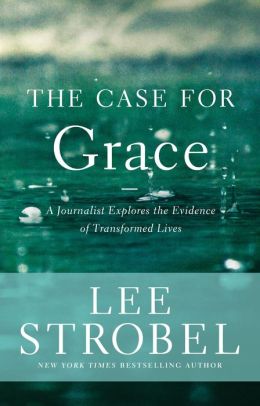 The Case for Grace: A Journalist Explores the Evident of Transformed Lives Lee Strobel (Zondervan) $22.99 I bet that not a few of us heard sermons this week about how the message of Easter can change our lives. Maybe you heard a good story or two of real people whose lives were transformed by the gospel. If you, like most people, love those kinds of stories – or you want to share a book with somebody who needs those kinds of stories – this is the book for you. Not unlike his other useful anthologies (Case for Christ, Case for Faith, Case for a Creator) Strobel uses his considerable journalistic skill and his own lively verve to tells the tales of those who met Christ, came to understand grace, were set free by free-flowing mercy. What great and intriguing and fabulous stories. Strobel is more candid here about his own journey from atheism to follower of Jesus. There is an extensive study guide in the back, too, making this great for book clubs. This is Strobel’s most personal and practice book yet. Watch Lee talk about it in this very nice
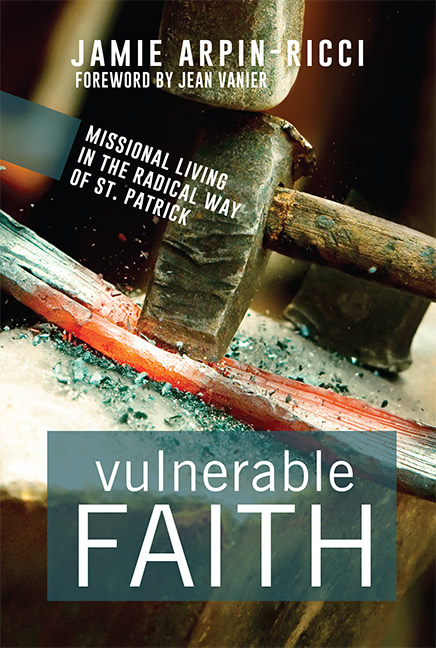 Vulnerable Faith: Missional Living in the Radical Way of St. Patrick Jamie Arpin-Ricci (Paraclete Press) $16.99 Like most of the titles in this list, this fine book deserves a much better review than I can offer here in these brief annotations. Trust me, here: Jamie is the real deal; an experienced and wise missional pastor of an inner city faith community in Winnipeg called Little Flowers who is always worth listening to. He has spent decades in urban ministry, and has written widely – good, if provocative and challenging, stuff on grace and discipleship, community and servanthood, prayer and public life.
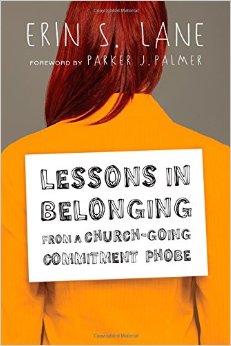 Lessons in Belonging From a Church-Going Commitment Phobe Erin Lane (IVP/cresendo) $16.00 One of the best written paperbacks of the year, this is a truly splendid, very honest, often funny, really enjoyable and profound rumination on commitment and belonging to a local church. I’m telling you, you’ve not read a book on community or parish life like this before! If you are young and longing for community but not so sure of the local congregation, you have to read this. If you are an older reader, wondering why young adults may not be as active in church as you may wish, and want a wonderful and helpful glimpse into their lives and faith, this story is a must. Ms Lane has a degree from Duke Divinity School, to make matters more sticky, her husband is a pastor. She knows her way around good sentences and storytelling, too; she helped edit an anthology we love of Christian women telling their stories called Talking Taboo. Lessons in Belonging written by a “commitment phobe” is very highly recommended.
 Wearing God: Clothing, Laughter, Fire, and Other Overlooked Ways of Meeting God Lauren F. Winner (HarperOne) $24.99 This is, for me, personally, the most anticipated book of the season, and I almost regret that it hit bookstores the week before Easter. I have not yet more than cracked the cover and glanced at the table of contents and footnotes I (and, okay, the acknowledgements, because, well, that’s what I always do to get a feel for whom and what the author is grateful.) This is not the first book that explores lesser known Biblical images for God, but it will most likely be the most beautifully written, the most inspiring, the most enjoyable to read, and significant to take to heart. Here is what it says on the back:
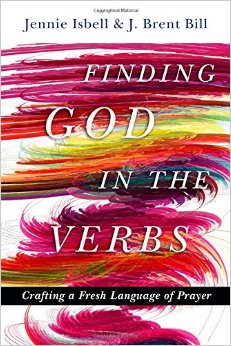 Finding God in the Verbs: Crafting a Fresh Language of Prayer Jennie Isbell & J. Brent Bill (IVP/formation) $16.00 I think it is kind of funny to see the zesty swirls of color on this busy cover, realizing the authors are both Quakers. But maybe Friends are not as you imagine, and energy captured here is just right. This new handbook is not that quiet or still, not even all that sober, but is fresh and lively and full of mystery and energy; it’s about verbs, you know. Language, they remind us, shapes and guides us, even our understanding of our encounters with God. As Nathan Foster notes of it, Finding God in the Verbs “ultimately unlocks our hearts into a deeper, more intimate relationship of joy and ease with God.” A book that offers “ease with God.” Wow. (Now that sounds Quaker, eh?) These two writers and spiritual directors obviously have spent some time in some deep waters, and they are obviously lovers of words, of good language. This book of exercises can help you deepen your love, too, for prayer and words and, finally, for God.
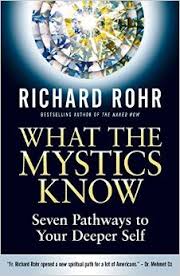 What the Mystics Know: Seven Pathways to Your Deeper Self Richard Rohr (Crossroads) $19.95 Anyone who keeps up with the most popular spiritual writers knows Fr. Richard Rohr, a lively and socially engaged Franciscan. In this new hardback, he invites us to central values that guide the monastic path, offering, as he has in recent works, not only practices to know God more deeply, but ways to know one’s own self with more holy awareness. One of the interesting things about this handsome book is the color on the inside (even the ink color) and the full color pictures illuminating the text. This might remind readers of good on-line text or a classy magazine, with useful art and color and photographs. Maybe these seven pathways were given as talks and these were the PowerPoint slides that enhanced it. However it developed it is a bit unique, and many will love this guy into the mystical path.
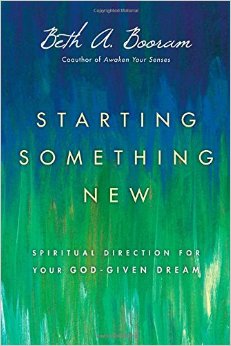 Starting Something New: Spiritual Direction for Your God Given Dream Beth A. Booram (IVP/formation) $16.00 I have often recommended Booram’s lovely The Wide Open Spaces of God to those who are interested in experiential education and finding ways to relate faith formation and place; her book of meditation based on many different paintings of Jesus (Picturing the Face of Jesus) is a sleeper that should be better known. The fabulous book Awakening Your Senses is packed with exercises and suggestions for using our senses to experience God and God’s creation. This new one is a wonderful resource which, as Randy Reese puts it, “offers both inspiration and wisdom through her own story and the stories of those who trusted the Spirit’s stirring to follow after their own God-given dreams. Whether you are seeking direction or providing it for others, Starting Something New will help set people on a path they were meant to follow after.” Here is what it says on the back cover: “Do you long to change your lifestyle or vocation, or to start a new business or nonprofit ministry? Do you find yourself wondering “How do I know for sure that this dream is from God and for me? And what in the world should I do?” This really is a book to help guide you through the spiritual process of defining and acting on the idea stirring within you.
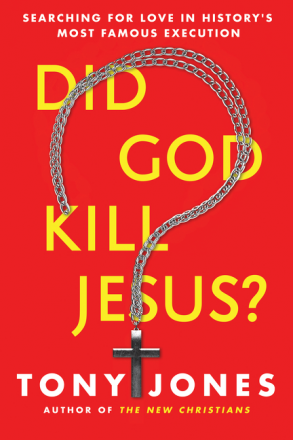 Did God Kill Jesus? Searching for Love in History’s Most Famous Execution Tony Jones (HarperOne) $26.99 I suppose you are aware that there has been a lively (and at times ugly) debate in mostly evangelical (or emerging post-evangelical) circles, about the nature of the atonement, what the cross is about, and the significance of Christ’s death. I have read many of these recent books – defending classic penal substitutionary views of atonement and justification, looking at orthodox but fresh new perspectives, and even some that are what conventional believers who think to be a bit “out there.” There are good books that survey various schools of thought, and there are scholars who are irenic and balanced, some who are iconoclastic and deconstructive. This small announcement is not the place to further describe this robust conversation, other than to say that I have found Tony Jones’s book to be one of the most interesting, stimulating, approachable and provocative books on this topic I have yet read. He covers a lot of ground, and explains things with wit and (most of the time) fairness. From the honest explanations of why some of Bible stories and teaching (not to mention later theological formulations) are disturbing to some folks, to how various models or approaches were developed, this really does offer hope and new ways of holding all of this together for those who are frustrated with conventional single-minded teaching that explains the death of Christ solely in punitive ways. Although Jones is known as a provocative writer, this isn’t some fringe, weirdo topic: we all should reflect, regularly, how best to understand and explain this central core of Christian faith. And Tony is right to ask what kind of God is behind each model of atonement, and what kind of fruit our theological explanations bears (he calls it “the smell test.”) This is vital stuff. Adam Hamilton says “Every Christian should read this book” and Nadia Bolz-Weber (an edgy-looking emergent Lutheran pastor who preaches pretty standard law-gospel messages week by week) says “I will be honestly referring people to it for decades to come. It’s that important.”
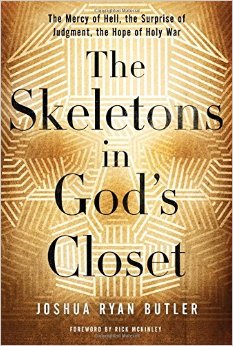 The Skeletons in God’s Closet: The Mercy of Hell, the Surprise of Judgment, the Hope of Holy War Joshua Ryan Butler (Thomas Nelson)$ 15.99 This 350 page book was obviously a labor of love by a very thoughtful, aware and hip, young pastor. (Joshua – a reader of BookNotes, I suppose I might add – is a pastor of outreach at the very creative Imago Dei Community in Portland. Rick McKinley, whose books I love, is from there, and wrote a nice foreword.) As one who oversees the churches considerable activism around foster care, against trafficking, homelessness and global issues like HIV-support and clean water projects, Butler knows, more than most of us, what it means to long for God’s redemption of the fallen creation. He understands the hope of the gospel and offers here what Scot McKnight describes as “relief and joy.” Let’s face it, though: for many of us it does seem like God has some skeletons in the closest – some even think God appears like a moral monster, a sadistic torturer, even, especially when thinking about hell or the violence in the Bible. I think Butler has given us one of the better books about all this, sensitive, honest, creative and fresh, energetic. He doesn’t stretch for untenable, obscure answers, but yet willing to work out the implications of our “texts of terror” with the Bible’s testimony that God is good, and working to heal the fabric of this world. Can hell be merciful? Can judgment be surprisingly good? I think this is a fine contribution, and will thrill those who appreciate Biblical scholars such as Oliver and Joan O’Donovan, N.T. Wright, Chris Wright, John Goldingay, Leslie Newbigin, Miroslov Volf.
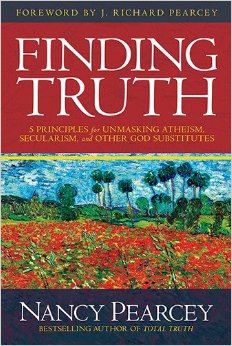 Finding Truth Nancy Pearcey (David C. Cook) $22.99 A few who know me know that one of the great influences in my life in the 1970s was a Dutch Kuyperian professor and activist named Peter Steen who taught college students to analyze Western society by discerning the main “spirits of the age” and the idols that formed the main worldviews of the secularized culture committed mostly to capitalism and progress. Drawing on Dutch philosopher Herman Dooyeweerd, Steen taught us (including some in the CCO and those who founded the Jubilee conference) this conceptual tool that was somewhat akin, if a bit deeper, to the cultural and philosophical apologetic of Francis Schaeffer.) We learned that many of the cultural shifts of the middle of the 20th century (most bluntly, a reductionist rationalism, mostly on the right and bohemian romanticism, mostly on the left) have their most immediate roots in the eighteenth Enlightenment, even the French Revolution (even though Steen insisted that the dualisms and wrong-headed ways of seeing life and doing education began with the ancient Greek philosophers, and in the early church’s accommodation to pagan Greek thought.)
 Rejoicing in Christ
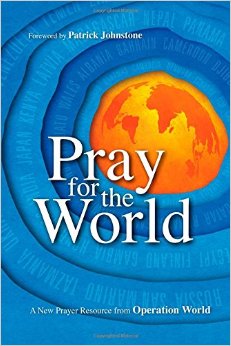 Pray for the World: A New Prayer Resource from Operation World Foreword by Patrick Johnstone (IVP/Operation World) $15.00 Many know, and some use, the spectacular prayer guide which offers details about and need to pray about for every country on Earth. Operation World remains an essential tool, but it is, in a few cases, a bit dated, now, and is, admittedly, chock full of data. This up-to-date new volume emerged from the Operation World research teams who asked Christian leaders in every country one key question:


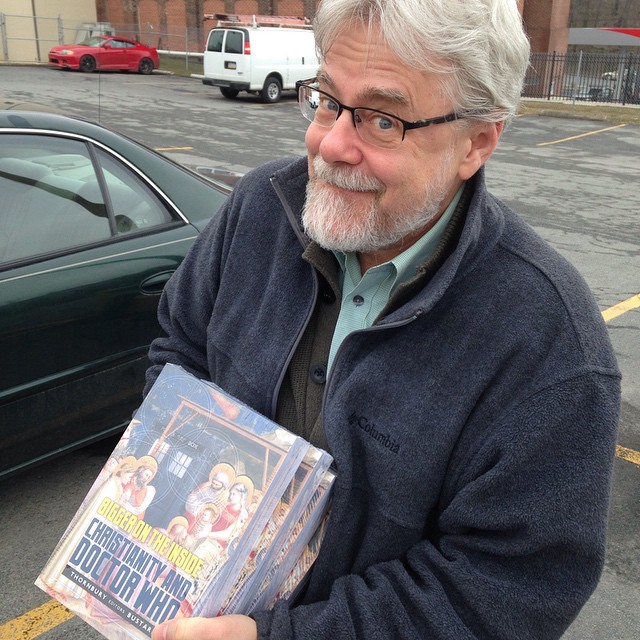
 granddaddy of many of these books, Eyes Wide Open: Looking for God in Popular
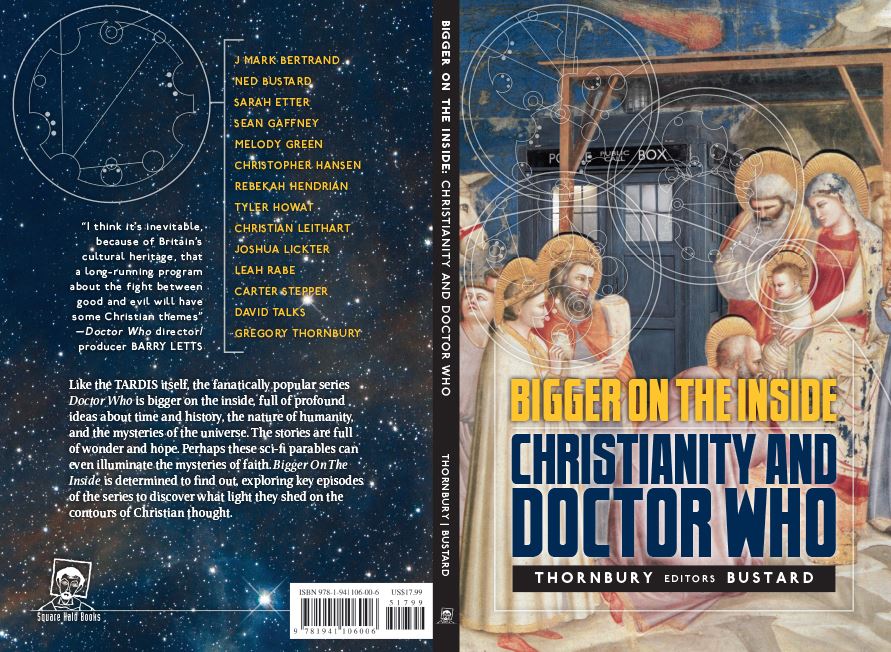
 Bigger on the Inside: Christianity and
 The show premiered in 1963 (the day after the Kennedy assassination) incredibly lasting in its first incarnation until 1989. Increasingly, perhaps a bit like the Star Trek franchise, the Doctor Who show has developed a cult following, especially now, after the popular relaunching/revival of it the show in 2005.
 commonly-used expression when characters in the show learn of the phone-booth-like, British police box that serves as the Doctor’s time
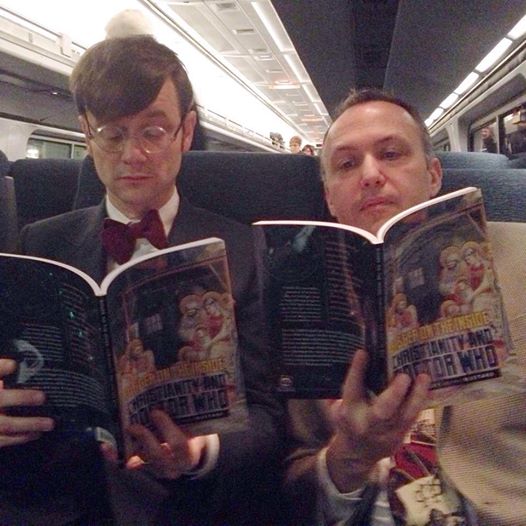 school student to an Anglican minister with a degree in the natural sciences from Cambridge.

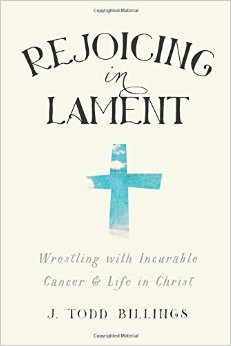 Rejoicing in Lament: Wrestling with Incurable Cancer and Life in Christ J. Todd Billings (Brazos Press) $18.99 In
 One chapter title is called “Walking in the Fog: A Narrowed Future or a Spacious Place?” Another is called “Joining the Resistance: Lament and Compassionate Witness to the Present and Future King.” Yet another is called “The Light of Perfect Love in the Darkness.” (Ha – let that sink in!) You can see he is exploring some deep stuff, and he has a good eye for a good phrase.

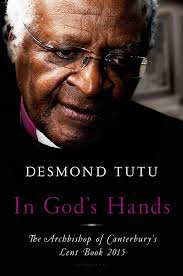 In God’s Hands Desmond Tutu (Bloomsbury) $23.00 I hope you know that every year the Archbishop of Canterbury suggests a book to read during Lent. It may be (given the world-wide nature of the Anglican communion) one of the most popular “book club” reads of which we know. We usually carry this Archbishop’s Select (which makes it sound like a fine wine) and we were especially glad this year that the 2015 selection was a brand new one by Desmond Tutu.
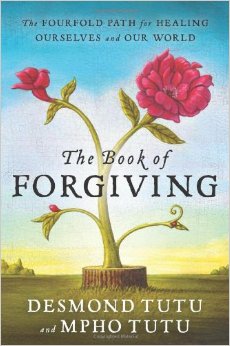 his daughter, Mpho Tutu (who lives in the US and is also a priest) is a fine book called The Book of Forgiving The Four-Fold Path for Healing Ourselves and Our World (HarperOne; $25.99) and that would itself make a
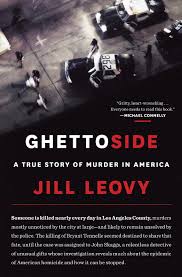 Ghettoside: A True Story of Murder in American Jill Leovy (Spiegel & Grau) $28.00 I have written in the last BookNotes column that Lent is a time to be honest about the brokenness of our world, lamenting our own complicity in sin and attending to our own pain and sorrows. The Bible authorizes this among us, and healthy piety and spiritual practices always allow us to be more honest, more authentic, not less. Perhaps it isn’t wise to always “air dirty laundry” as the elders among us used to put it, and maybe we need not wallow in our own miseries, such as they are. But, again, at least in this season of the church year, we follow Christ towards his own great passions, and are fortified to take up the sadnesses of our lives, and the sacrifices of our own callings
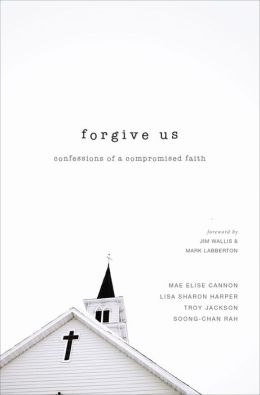
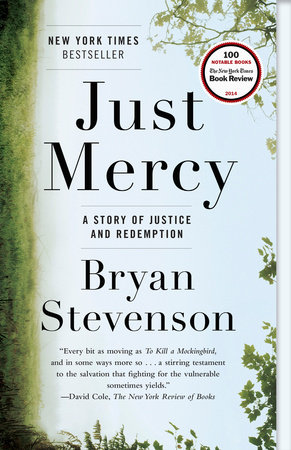 informative and deeply moving Just Mercy: A Story of Justice and Redemption by a young hero of ours, Bryan Stevenson (Spiegel & Grau; $28.00.) Also, we promoted often the collection of essays inviting the church to public repentance, a book I even read in manuscript form, to offer an endorsing blurb, called Forgive Us: Confessions of a Compromised Faith edited by Lisa Harper and others (Zondervan; $22.99.) Either would make an excellent read over the next week or so and we commend them both.)
 with the found poetry of the street. This book will take an honored place on the shelf that includes David Simon’s classic Homicide and Michelle Alexander’s explosive study of mass incarceration, The New Jim Crow.


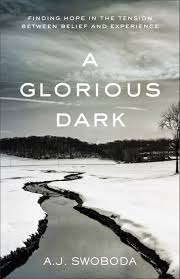 A Glorious Dark: Finding Hope in the Tension Between Belief and Experience A. J. Swoboda (Baker) $14.99
 ALMOST
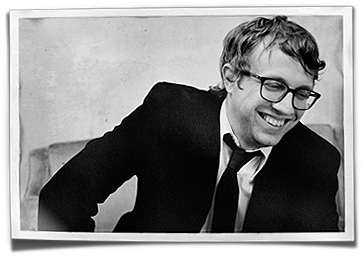
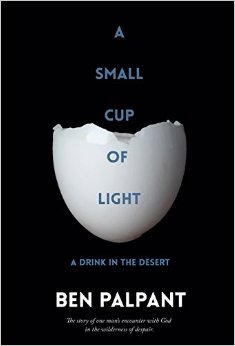 A Small Cup of Light: A Drink in the Desert Ben Palpant (Ben Palpant) $14.99
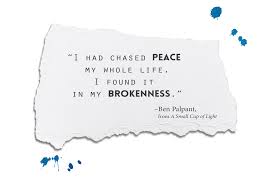 . He is in a camp with the likes of Jonathan Edwards and John Frame and John Piper, here, and it was a great comfort to him, knowing that even suffering is redeemed by an all powerful God. (This comes through in the powerful trailer video, above.)
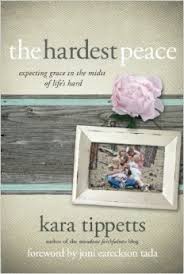 The Hardest Peace: Expecting Grace in the Midst of Life’s Hard Kara Tippetts (Cook) $15.99 I have had this book on the stack to tell you about for several weeks now, waiting till this column. You may have been following the amazingly poignant, deeply sad blog of the dying Kara Tippetts, called mundane faithfulness. You may have heard that she died today, and we name this book, now, published less then a year ago, in her honor. I don’t want to say much more about this, am sorry for her husband and family, but it has been very moving for many and we wanted to show it. She started the book before she was really well known, and includes more than just her time of dying. Rest in peace, honest sister.
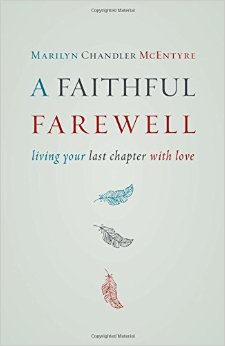 A Faithful Farewell: Living Your Last Chapter With Love Marilyn Chandler McEntyre (Eerdmans) $15.00 You may know my profound admiration for this writer, whose book Caring for Words in a Culture of Lies is an all time favorite, often mentioned in workshops I do on reading and books. (They were the Princeton Stone Lectures a few years back, knowingly standing on the shoulders of Kuyper.) She did another wonderfully written set of ruminations on phrases of the Bible (What’s in a Phrase?) that was wonderfully done. This just came in, reflections for the dying. She has volunteered in hospice work and may have had the loss of a family member recently. These first-person essays have fantastic endorsements, from Richard Lischer, Michael Lindvall, Harold Koenig and others who are well acquainted with the night.
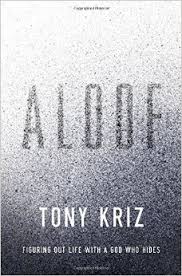 Aloof: Figuring Out Life with a God Who Hides Tony Kriz (Thomas Nelson) $15.99 Years ago, Tony was most known as Tony the Beat Poet from Blue Like Jazz. I raved about his memoir Neighbors and Other Wise Men. Here he has taken spiritual memoir to a new level, reflecting honestly about God’s absence, or our experience of God’s absence. Frank Schaeffer says of Aloof, “It is a work of art.” Randy Woodley says “Tony Kirz asks difficult questions and shares sacred stories that find their way into our souls, drawing out our hidden questions and helping us to voice our sacred stories. Tony’s style reminds me of someone…sometimes his words are in red!” There are pages and pages of endorsements on the front — from edgy activist friends like Lisa Sharon Harper and Tim Soerens and Sean Gladding and Leroy Barber, and more established figures like Dr. Andrea Cook, the President of Warner Pacific College and Kevin Palau Oregon State Senator, The Honorable Jason Atkinson. In a way, this is brave stuff, shifting away from any formulas, and sharing doubt with honesty and passion. Kudos.
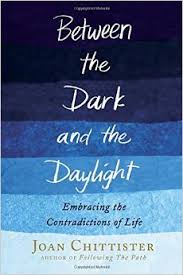 Between the Dark and the Daylight: Embracing the Contradictions of life Sister Joan Chittister (Image) $20.00 This, too, is brand new, and I’ve not spent much time with it. But Sister Joan, a Benedictine who I met years and years ago in Erie, has grown to be one of the top and most beloved religious writers of our time. (Sometimes people ask me who has taken over the spot left by Henri Nouwen. Joan’s name always comes to mind.) With endorsements from Barbara Brown Taylor and Richard Rohr and James Martin, you can imagine that this is progressive, gracious, well written, Catholic spirituality. Judith Valente (who wrote the great memoir Atchison Blue) says “Joan Chittister has written what promises to become a spiritual classic — a guide for those of us who have ever spent sleepless nights wrestling with our own frustrations, fear of the unknown, and pain of loss and separation… This is the most poetic writing yet from a woman who is a modern prophet.” I like what Barbara Brown Taylor says when she insists that “these are the questions that make you human, and can make you more joyously human if you choose.” And right there’s another seeming contradiction, a paradox, if you will. Reading hard books about complicated things that don’t have easy answers can be enjoyable, and give us great joy. How ’bout that?
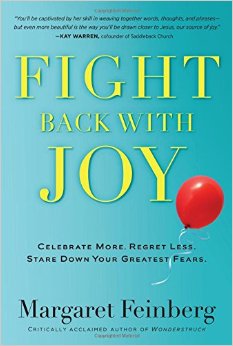 Fight Back With Joy: Celebrate More. Regret Less. Stare Down Your Greatest Fears Margaret Feinberg (Worthy) $15.99 Dear Margaret does not write like Henri Nouwen or Joan Chittister, although I am sure she appreciates them. She is more lively, more funny, more conversational about real-world daily stuff (her dog, her hubby) and although a bit Pentecostal, it seems, she brings a down-to-Earth faith that always leaves me buoyed. Except here, which tore me up as I read an advanced manuscript. Margaret, who we learn in the very beginning, is setting out to do another book, and it is to be on joy. She experiments with some typical Feinberg stunts — saying yes to everything! Joy is going to be her “one word” etcetera — and too soon, on page 9 to be exact, she gets the dreaded call. She has serious, serious breast cancer. I am overcome sitting here, thinking about it, even though I’ve read that damn page a dozen times. Still, she concludes she should carry on with her joy bit, and, indeed, it saves her life. Fighting back with joy becomes a serious study of the costs of discipleship, the “dangerous duty of delight” as another author once put it. She is not Ben Palpant, debilitated and paralyzed with existential and poetic questions, she is a go-getter and, cancer or no cancer, is convinced God wants her to be joyful, to share good news with others, to be a blessing. She’s like Bob Goff on steroids, bringing helium balloons to others and overcoming depression by reigniting her imagination using laughter and goodness.

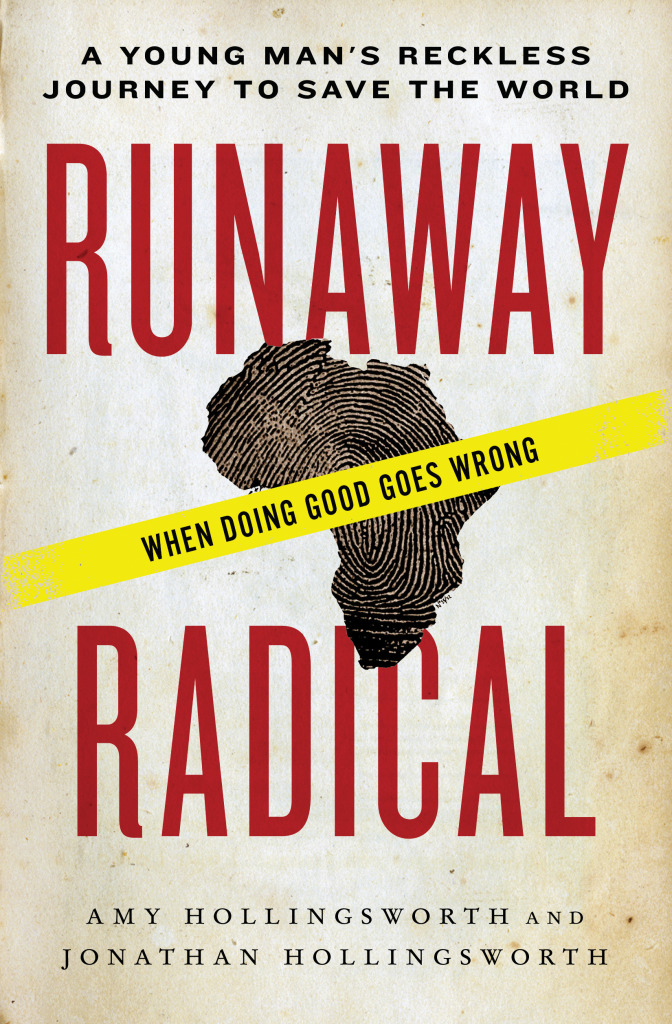 Hollingsworth and Jonathan Hollingsworth (Thomas Nelson – regularly $15.99) is a book that is very well written, exceptionally moving, of interest to many different sorts of readers, and, I think, is very, very important. I could hardly put it down, except when I had to stop to talk to Beth about it. (And boy, did it cause me to ponder, to pray, to confess, even. It struck fairly close to home, for some reasons I need not describe here.) I think it is the best book I’ve read so far this year.
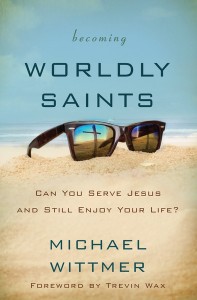 good creation, with titles such as Becoming Worldly Saints: Can You Serve Jesus and Still Enjoy Your Life? a must-read book by Michael Wittmer (Zondervan; $15.99.)
 Mission), Christine Caine (Undaunted and Unstoppable), Jeremy Courtney (Preemptive Love), Ken Wystma (Pursuing Justice: The Call to Live and Die for Greater Things) or the good folks at Mission Year, say, inviting young adults to a year of voluntary service where they can see, as their latest, wonderful book puts it, God is in the City: Encounters of Grace and Transformation (by Shawn Casselberry.) Who would ever want to silence the always whimsical, Jesus-centered, if sometimes audacious Bob Goff, author of the popular Love Does? I’m glad for extraordinary DVD curriculum like the World Vision produced Start. Or the compelling book by their director, Richard Stearns, The Hole in the Gospel. And glad for the publicity given in recent years to those who fight sexual trafficking through groups like
 only sad part of the story of Runaway Radical: A Young Man’s Reckless Journey to Save the World. A significant part of the story is a surprising twist in the plot: the mission agency in Cameroon where Jonathan goes is, to put it simply, corrupt. He sees abuse of funds, abuse of people — domestic violence and spiritual manipulation and emotional abuse. He cannot blow the whistle; he himself is seemingly caught in a nearly tragic situation. (Oh, the irony, that the Cameroon church leaders, all men, in that place, are preaching an extreme version of the false “prosperity gospel” and living large at the expense of their impoverished flocks. It is widely known that this troubling North American teaching has found significant inroads in many parts of the African church, and I was surprised that the Hollingsworth’s had apparently not adequately vetted this particular ministry or expected these sorts of troubles. How this mission agency was chosen is not explained although it becomes clear that it was connected to folks Jonathan knew, perhaps in the church in which he was involved. It is a slight hole in the narrative, but I suspect they are trying to be discreet and honorable. Throughout the book no names or authors or churches or ministries are named, which I suppose is to their credit.)
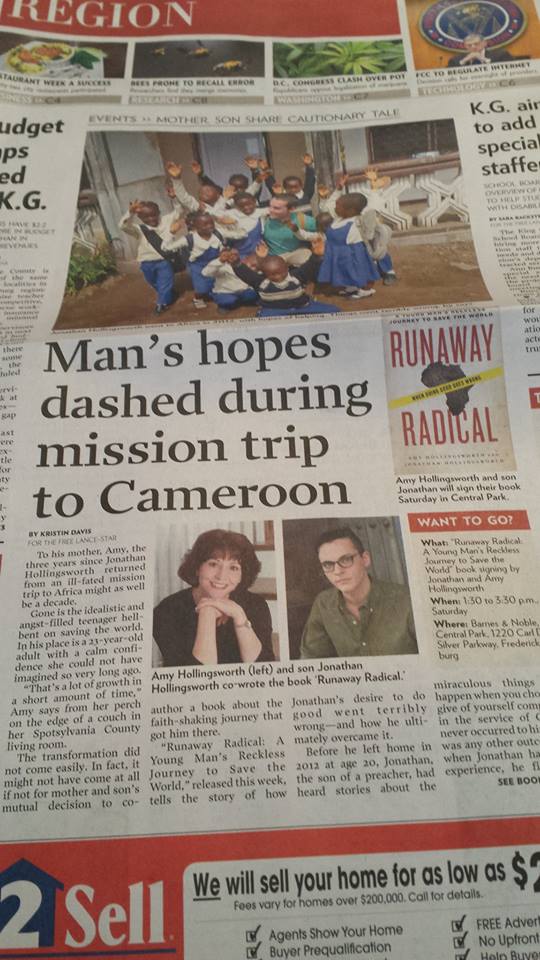
 fiery young man’s faith left little room for doubt, let alone failure. Yet, in his journey into tough questions, a failed discernment of his call, and his experience of spiritual abuse at the hands of fundamentalists, he has emerged with a sober, gentle, and lighter sort of faith. He has not renounced the gospel, he has come to understand it more profoundly.

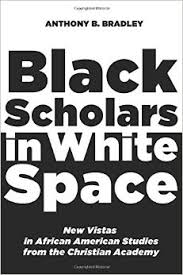 conservative, Reformed theologian and public intellectual who has written widely about racial injustices, black theology, and just released a volume he edited, Black Scholars in White Space: New Vistas in African American Studies from the Christian Academy [Wipf & Stock; $26.00.] that includes pieces by a number of African American scholars and leaders in higher education, including some who were at Jubilee.
 political life, we are to honor God by opening up the potentials of the created order, designed and upheld by the Triune God of the Bible.
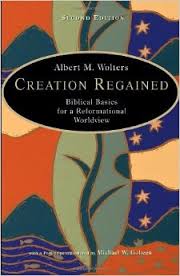 ones on the fall, and redemption) helps frame the conference. His chapter on discerning God’s creational ordinances, in contrast to the distorting and disfiguring misdirection caused by sin, idols and ideologies — he uses the distinctions between “structure” and “direction” which is to say that we must know what is good, ordered by God and creation and what is sinfully off, twisted, not as it is supposed to be — is nothing short of brilliant. It was great to hear Dr. Anthony Bradley preach around these themes, knowing he is familiar with this key text, Creation Regained. That Dr. Bradley is one of the stars of the For the Life of the World DVD didn’t hurt, either. That DVD is so, so solid on this very matter.
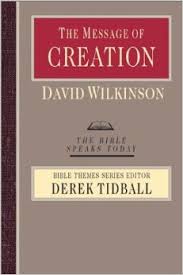 The Bible Speaks Today: The Message of Creation: Encountering the Lord of the Universe David Wilkinson (IVP Academic) $20.00 I trust you know the commentary series “The Bible Speaks Today.” In recent years they have branched out, doing Biblical exegesis, as you would find in a solid, mid-range, useful commentary, in books about a theme. This one, systematically commenting on all the Biblical texts about or alluding to creation, is extraordinarily useful as this Bible scholar traces the theme of creation through the rich tapestry of Scripture and brings it into lively conversation with contemporary concerns. There is even a several week Bible study guide in the back making this ideal for small groups or adult Christian education classes.
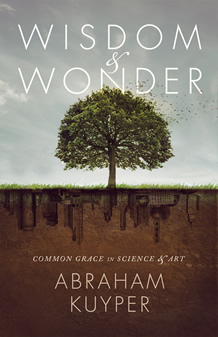 Wisdom and Wonder: Common Grace in Science and Art Abraham Kuyper (Christian’s Library Press) $14.99 The spectacular Saturday night speaker at Jubilee, Jon Tyson, co-wrote (along with Gabe Lyon) an excellent foreword to this recently translated book which was written in Dutch in the early 20th century by the famed Dutch theologian and statesman. Jubilee conference friend and regular speaker there Vincent Bacote wrote the very helpful introduction. This is Kuyper explaining more about common grace and the goodness of creation, especially as a key to understanding a Christian view of work in the sciences and in the arts. To think this rich work was written more than 100 years ago and is still relevant for those who want to dig deep for a sure-footed foundation.
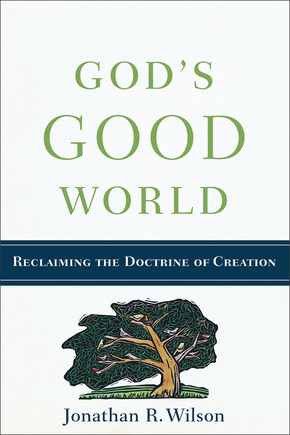 God’s Good World: Reclaiming the Doctrine of Creation Jonathan R. Wilson (Baker Academic) $25.00 I raved and raved about this when it came out in 2013 and continue to think it is one of the more helpful (and important) books of its kind. There are large implications for the robust Biblical view of creation, and this explores many of them. It is serious, but just wonderfully written (and even includes some artistic touches, which are not incidental.)
 God’s Wider Presence: Reconsidering General Revelation Robert K. Johnston (Baker Academic) $25.99 Here is how the publisher describes this outstanding recent work: ” a senior theologian explores how Christians are to understand the wider revelatory presence of God, mediated outside the church through creation, conscience, and culture.” You should know that Johnston wrote a book years ago on play, and has written three very influential, insightful books on film. He understands that the fruits of human culture — modern cinema, for instance — functions in the world graced by God, and is, in many ways, a good example of the implications of a high doctrine of creation.
 only realize the good news of the gospel, how we are forgiven in Christ and made new by His Spirit, and invited into the new community called the church, but how this narrative of creation/fall/redemption makes sense of our world. As Steve Garber often suggests in his must-read Visions of Vocation: Common Grace for the Common Good this is the world we live in. It is a world of wonder, true, but also a world of ache, and we need the gospel not only to save us from ourselves but because in the Scriptural story, we get the “truest truths of the universe.” If we are to take up our callings in the world with any integrity and longevity, we need these visions, and these visions come from the greatest story every told, which is also the truest.
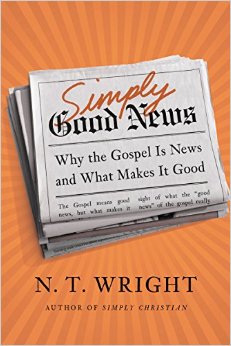 Simply Good News: Why the Gospel Is News and What Makes it Good (HarperOne; $24.99) really does help us see how this narrative of the Kingdom coming simply must shape and direct our lives. After that, if you haven’t, be sure to read his How God Became King (HarperCollins; $24.99) and his much-discussed
 own blog
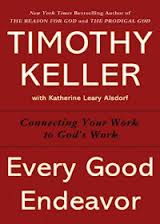 whose callings take them into sophisticated professional careers, the next step in all of this is to take this story of all of life redeemed and do a lot of thinking about what all that means for the particulars of our work lives and the work-places we inhabit. It is essential to know the doctrine of vocation and calling from visionary books like The Call: Finding and Fulfilling the Central Purpose of Your Life by Os Guinness (Nelson; $17.99) to theologically substantive but practical books like Work Matters: Connecting Sunday Faith to Monday Work by Tom Nelson (Crossway; $150.99) or Every Good Endeavor: Connecting Your Work to God’s Work by Timothy Keller (Dutton; $16.00) or others I describe at
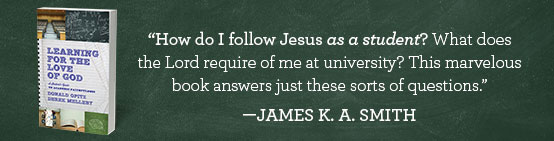 to Academic Faithfulness by Donald Opitz and Derek Melleby (Brazos Press; $14.99.)
 discipline or career area — health care, business, architecture, video game design, psychology, counseling, art, music, theater, writing, math, engineering, education, social work, law, economics, sociology, advertising, family studies, child development, sports, outdoors education, physical therapy, urban design, computers, history?
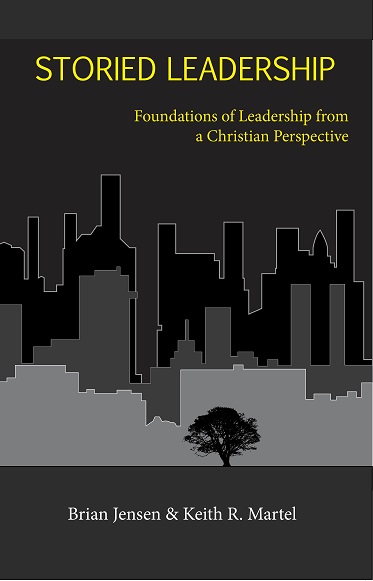
 Storied Leadership is easy to read, and not long, but it is deceptive in its breezy conversational style and upbeat illustrations and stories from their own colorful lives. Not every book that so easily captivates readers with good writing, whimsical and moving stories — sneaking out of children’s church to listen to Casey Kasem, getting to know a small town luthier who restores old guitars, leading outdoor wilderness trips, having heart to heart tender talks with their
 children — also offers a substantive, serious biblical theology. But this book does both; it is chock full of gratifying episodes, helpful insights drawn from crazy stories, and truly wise comments (not to mention a few wise cracks) as it offers what has to be called a robust, narrative, Christian theology. Perhaps I could say it offers a subtle, Biblically-informed, Christian philosophy. (They quote, most helpfully, the Dutch Kuyperian philosopher, Herman Dooyeweerd, for crying out loud, which gives it away as a particularly thoughtful project.) Like I say, this is a fun, but serious work.


 biggest thing we do all year (with 3000+ college students drawn together in Pittsburgh by the
 Smith, Skye Jethani, Vincent Bacote and Diane Paddison, a significant book list Beth and I curated, and a bunch of ads from innovative mission and educational organizations. Not to mention descriptions of all the speakers and workshops. It’s really worth seeing. And do notice that book list – good stuff, in several key categories.

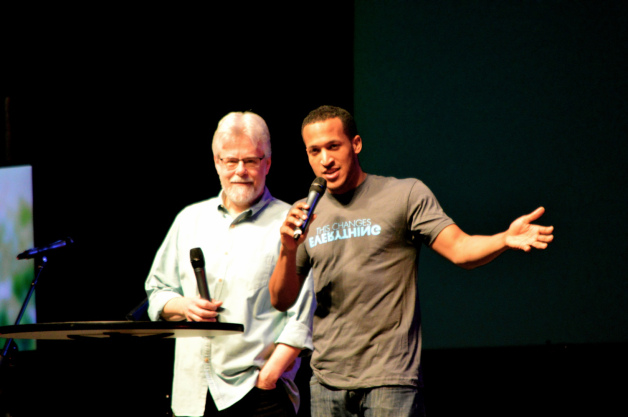

 Deepening the Colors: Life Inside the Story of God
 Christian Worldview: A Student’s Guide
 Philosophy: A Student’s Guide
 Rumors of God: Experience the Kind of Faith You’ve Only Heard About Jon Tyson & Darren Whitehead (Nelson) $15.99 Between Beth and I we have been to every Jubilee since the founding of the conference in the late 70s and have heard most of the major addresses there. After Tyson’s 2015 Saturday night talk, I exclaimed that this was the best one-time presentation that explains the theological overview of Jubilee in the history of the conference. With his clear-headed, no-nonsense style, it wasn’t, perhaps, the most passionate or the funniest or the most immediately stunning. But, it was exceptionally well received and I think both students and old-timers new this was as historic moment. With tears running down my cheeks I joined others in the holy applause. Faith does relate to all of life, and the lack of a robust vision based on the Biblical scope of Christ’s redemption will continue to haunt us if we don’t grasp these bigger, transforming truths. I’ve been a fan of Tyson and his Trinity Grace church work in New York. His Aussie accent is cool, too. This is his only book, a wonderful overview of Christian faith made real for today. The video of the Jubilee talk will be up at the Jubilee website before too long, I trust, and that content isn’t exactly spelled out simply in this volume. But this is a great, great book, and we were happy to promote it at Jubilee.
 Disunity in Christ: Uncovering the Hidden Forces That Keep Us Apart
 A Long Obedience in the Same Direction: Discipleship in an Instant Society
 Following Jesus: Biblical Reflections on Discipleship
 A Journey Worth Taking: Finding Your Purpose in This World
 Imagination Redeemed: Glorifying God with a Neglected Part of Your Mind
 Joy To The World: How Christianity Lost Its Cultural Influence and Can Begin to Rebuild It
 Breaking Old Rhythms: Answering the Call to a Creative God
 Love Does: Discovering a Secretly Incredible Life in an Ordinary World
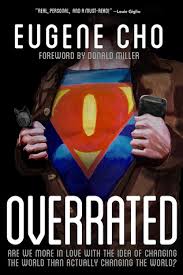 Overrated: Are We More in Love With the Idea of Changing the World Than Actually Changing the World? Eugene
 Welcome to the Revolution: A Field Guide for New Believers
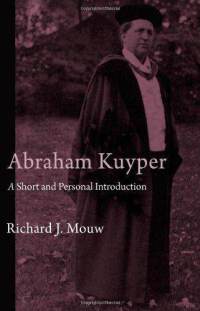 Abraham Kuyper: A Short and Personal Introduction
 Jesus on Every Page: 10 Simple Ways to Seek and Find Christ in the Old Testament
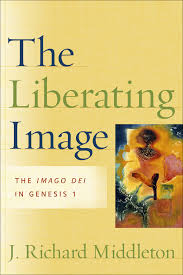 The Liberating Image: The Imago Dei in Genesis 1

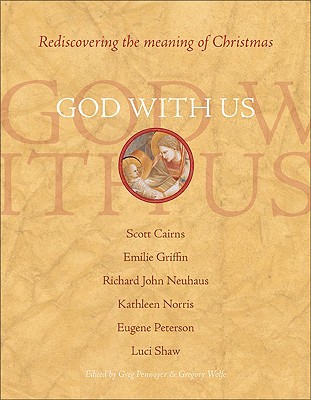 and it became our biggest selling item during Advent. We have raved each year about the very handsome, artful, mature volume, and said important about it was that it “emerged from the mature writing in the pages of our best literary journal, Image, a sophisticated, faith-based quarterly of literature and art and criticism; Pennoyer & Wolfe are extraordinary thinkers and writers themselves, and have put together what is without a doubt one of the most glorious books you could own. (Except, perhaps for the long-awaiting, luxurious sequel, God For Us: Rediscovering the Meaning of Lent and Easter which Paraclete released this past Spring…”
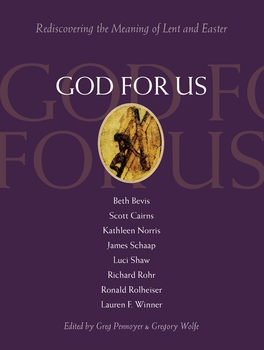
 marker, includes very nice short pieces on the history of various customs and Feast Days within the time of Lent. Beth Bevis offers more than a dozen of these extra one page ruminations that are delightful and inspiring, perhaps especially for those of us not accustomed to thinking much about Shrove Tuesday, the Annunciation, Maundy Thursday or Holy Saturday.
 book.

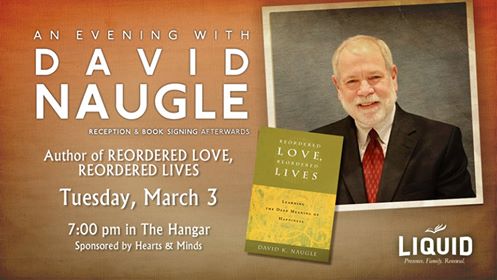
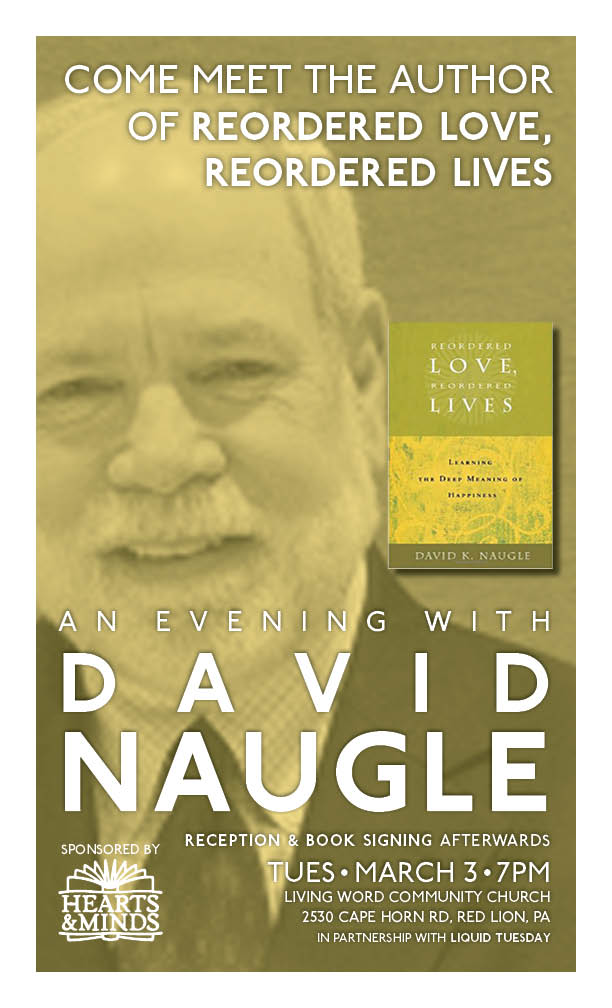
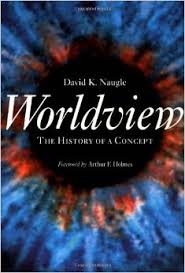 the Philly born, Swiss Francis Schaeffer to Wheaton-area James Sire, from Scottish James Orr, to American Charles Colson and Nancy Pearcey to so many more, the word has been used, mis-used, abused, tweaked and written about, celebrated and criticized (think of Jamie Smith, just for instance) and Naugle’s Worldview: The History of a Concept (Eerdmans; $34.00) tells you all you need to know, and more. It is fascinating, a major contribution to Christian and Reformed cultural studies, and we are, as you might guess, true fans.
 leaders in all of church history, beloved (mostly) by Protestants, Catholics and Orthodox alike,