
Last week I described the new Tim Keller book, Every Good Endeavor: Connecting Your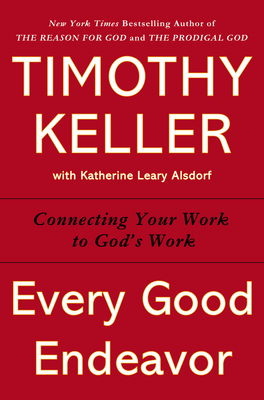 Work to God’s Work (see my review, here. We have it offered at a sale price of about 25% off, by the way.) You know our passion for cultural engagement, for selling books about taking faith into the public square, about what we sometimes call “whole life discipleship.” That is, our faith compels us to love our neighbors in ways that are concrete as we embody our faith in every area of life; we learn to think Christianly so we can live Christianly, “in but not of” the surrounding culture.
For many of us, the main place in which we must respond to this gospel call is in the marketplace, the job site, the work-world. Books like the excellent one by Mr. Keller help us “connect Sunday worship and Monday work” as the subtitle of the equally excellent Work Matters by Tom Nelson (Crossway; $14.95) puts it. I suggested that it is nearly clergy malpractice if pastors don’t help their parishioners navigate these missional matters, and help them think about how to serve God in their public lives as citizens, employers or employees, people who shop, vote, play, work. You know all this: we live out our lives in daily ways that indicate our deepest desire to honor Christ as King. Liturgy and worship and prayer shape us, but our worship of God must spill over into life outside the sanctuary.
Two things that I said in my comments about Every Good Endeavor generated a question or two from readers. These are both huge matters, so I thought I’d address them.
COMMON GRACE
Firstly, I mentioned common grace. “Common grace for the common good” is a lovely phrase, often used by my friend Steve Garber (for instance, here, in a piece about baseball stadiums) and this reminds us that we serve God as ordinary humans in God’s real world and therefore are not somehow living in a spiritual realm disconnected from our fellows. There is no “other” world; we all bear God’s image in a world stamped by the Creator. Our co-workers and colleagues, neighbors, and fellow citizens, regardless of their own faiths (or lack of faith) are, we believe, recipients of blessings from a good God who has gifted us with a good creation, laden with possibilities. That we help to nurture human and cultural flourishing — through the arts, through business, through education, through entertainment, through engineering and research — matters to God. “All truth is God’s truth” we used to say, and the theological expression for why that is so is “common grace.” In God’s benevolence good stuff happens and we can be glad. Non-believers can do good work and we can be glad.
There is one grea t book on this topic that we highly recommend, and its title draws on a line from a well-known hymn, a favorite from my childhood, “This Is Our Father’s World.”
He Shines In All That’s Fair: Culture and Common Grace by Richard Mouw (Eerdmans; $14.00) explores the tricky theological implications of this line of thought and admits to some of the debates about this profound doctrine. Of course, Mouw is a Calvinist, but this is urgent stuff for all of us and I suggest this to our mainline friends and our evangelical friends. I am glad that Tim Keller draws upon it, and think it is one essential aspect of sound Christian thinking about sin and grace and goodness and the state of the world and the meaning of our work. If the sentence from the hymn is true — that God is honored and Christ “shines” in the good things that happen in life (a well played jazz tune, a great baseball fastball, and joke well told, a good marriage, a good invention a good law on the books) it does two things, at least. It “justifies” or gives theological significance to real life in the real world and it can prevent secularization and cultural accommodation since God shines in “fair” things, the good and beautiful. It is revolutionary, in many way, to both celebrate the good and to realize that not all things are to be celebrated; common grace thinking should not glibly uphold the status quo or affirm just any old cultural contribution. It is complicated, and this book will help you think about things you maybe never even knew to think about! (That is what a good book can do, no?)
Anyway, Dr. Mouw’s book is fantastic on this curious stuff and we recommend it. I don’t need to explicate it more, now, but it is, after all, an important theological foundation for our bookstore — we believe in reading widely, we stock non-Christian books by non-Christian authors. So there it is, common grace for the common good, on the shelves of any good bookstore.
GOSPEL-CENTERED LIFE
Secondly, I mentioned that Every Good Endeavor, unlike some thoughtful books on the integration of faith and work, might be called “gospel-centered.” Keller makes it clear that we must guard against triumphalistic notions that our live’s meaning derives from our work or that we somehow “build” God’s Kingdom by our efforts; rather, a more (perhaps Lutheran?) idea is offered, that we serve in work, as in all of life, in response to grace, in union with Christ. That “gospel-centered” line is a phrase that has come to have some particular meaning in some circles, and I thought I’d try to explain that. For those who find themselves in conservative but culturally engaged Reformed churches, it is a phrase that will resonate. Others, too, I trust.
The phrase “gospel-centered life” seems to me to be more than a general slogan indicating a “Christian perspective” or a generic sort of nod to the good news of Christian hope. It is, rather, a phrase that points to the essential centrality of the first things of the gospel: salvation by grace and the transforming power of God’s work in our lives as we realize we cannot rescue ourselves. God’s atoning and forgiving work — “the cross” is how the apostle Paul names it, using shorthand for the glorious, complex restoration of the covenant that God works in justification and sanctification — allows us to be adopted back into God’s family; we are beloved and we belong. There is much fruitful thinking going on about the radical implications of being grafted into this tribe, of being re-made as sons and daughters, brothers and sisters, transformed by Christ alone. The more we know the holiness and sovereign grace of God, the more we realize our need. And, therefore, the more we know we must depend upon the huge significance of the cross. Like Paul, that rowdy, cross-cultural, anti-Imperial missionary for Christ, we come to think that everything and anything other than the cross is (as he indelicately puts it in Philippians) just crap. All that matters is the glory of God being manifested by a newly adopted community that is being formed by the blood of the crucified One, agents of goodness through grace. As we reject any and all substitutes for our salvation, we become increasingly changed by God’s own grace. To be gospel-centered is to reject all idols, to rely on God alone, to rest in the confidence of the cross’s work in our lives. There is a gentle sweetness to this approach, something different than pompou
s religiosity and unlike uptight moralism. Another hymn I grew up singing: “tis so sweet to trust in Jesus, just to take Him at his word…”
A rather intense Bible study curriculum that invited people into small group communities to study gospel transformation was created years ago by a wholistic missionary outfit near Philadelphia, World Harvest Mission. Their stories of how a focus on grace, on the gospel being not only a “ticket to eternal life” but the source of how people change, of a transformation of our character, were stunning; it seemed this emphasis and rubric was really working, helping focus come alive as they trusted God to do what only God can do—make us into the image of Christ, fit for Kingdom service! This doubling down on grace was the key to maturity and growth and holiness and a fruitful basis for daily discipleship that wasn’t strict or goofy. It was grace-based and gracious. It also takes our sinful tendencies seriously so offers gospel-centered ways of dealing with our own temptations, with conflict resolution, with rejecting idols. It works on perennial stuff on the relationship of law and grace. Picky moralism was rejected as unhelpful and a generic liberal religiosity was equally rejected. Our righteousness, Jesus insisted, must be more than that of the Pharisees. There are tons of great Bible study guides and discipleship essentials, but this WHM stuff is rich.
 This robust and profound approach to radical Christian living reminds us that we don’t serve God merely out of duty or on our own strength. God’s grace isn’t earned or deserved, it isn’t achieved but happily just received. Their Bible study material was recently refined as a 9-week study and published by New Growth Press. It is simply called The Gospel-Centered Life. There is a Leaders Guide edition ($12.99) and a Participant’s Guide ($7.99) and it really is pretty serious stuff. It uses simple and direct language and helps people apply the gospel to their lives.
The same good folks at World Harvest Mission who have this passion for grace-based discipleship and gracious disciple-making — helping equip folks to be clear about God’s overtures in our lives and a cross-centered formation — had another larger curriculum that in their parlance was called “Gospel Transformation” (it was 36-weeks!) This fabulous stuff was also recently reformatted and re-issued by New Growth Press in a three volume set of Bible study guides selling for $12.99 each. (A good friend of ours, a guy who shops at our bookstore, helped with the editing of these new Bible studies.) I suppose one could do them in any order, but they are best used in this order:
Gospel Identity: Discover Who You Really Are (New Growth Press) $12.99
Gospel Growth: Becoming a Faith Filled Person (New Growth Press) $12.99
Gospel Love: Relationships & Everything That Gets in the Way (New Growth Press) $12.99

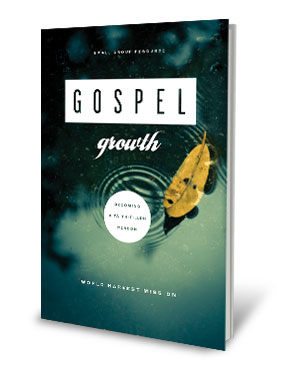
I like what Steve Brown (author of Three Free Sins: God’s Not Mad at You (Howard Books; $14.99) — a gospel -saturated book if ever there was one) says about these Bible study guides: “It is very easy to lose the ‘main thing’ about the Christian faith in the religious morass. These books remind me that it’s all about Jesus, and Jesus is all about the Good News (the Gospel.) They are refreshing, informative, and life changing.”
Paul Miller (author of personal favorites Love Walked Among Us and A Praying Life) writes that these resources are unique in that they “work at the very heart of our faith…It is all about getting the central passion of Christianity — the cross of Jesus Christ — at the center of your life. And not just your thinking, but your doing and experiencing life. So it is good theology and good practice combined. If you get the cross right, then everything else works.”
We stock these study guides and are happy to commend them to you and your group. We love WHM and carry everything New Growth Press has released. This is good stuff.
THE GOSPEL + THE KINGDOM
Yet, I have one concern.
For Jesus, the gospel is not explained in systematic detail, and it isn’t explained in propositions about how His Cross is an atoning sacrifice that we receive by faith alone. It just isn’t. We know that this formulation is a true one — it is clear that the rest of the New Testament uses this language, and the Protestant Reformation’s recovery of this is, I believe, essential. But for the synoptic gospels, as anyone who pays attention to them knows, the gospel, taught in perplexing parables and miracles, is the announcement of the news that the Kingdom of God has broken into human history. God’s faithfulness is being seen in the rightful King a-coming. The cross is the way into the Kingdom, but it is the proclamation of the advent of the Kingdom that is the great news that is to be proclaimed as gospel. If we overstate the personal nature of individual salvation, no matter how appropriately based on grace and no matter how wonderfully linked to the cross, if we don’t talk about the Kingdom, we aren’t talking about the same good news that Jesus and the apostles proclaimed.
I’m sure you have heard that the word itself, gospel (εá½Î±Î³Î³Îλιον), in the Roman Empire, was not used just for any old happy news. A “gospel” was the glad tidings, the great front page news of an announcement from the King that the realm was being expanded. It was the report from the battlefield, the public, political assertion that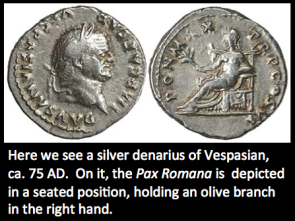 Caesar had won the day, that his rule was secure, that his battle was victorious, that He Ruled. This become central to Pax Romana, the “peace” that Rome could bring. It is no accident that the early church used this word to describe Jesus’ counter victory not just over the small potatoes of the Roman rulers, but of all dysfunction and distortion that had brought brokenness to the cosmos. Jesus, in Pauline language, defeated Death. Like in that great scene in the Chronicles of Narnia, Winter is undone and Spring has come. All things are made new!
The gospel is not just a self improvement course, no matter how piously construed, and it is my one concern about the gospel-centered life fixation on personal sanctification:
it runs the risk of missing the full-orbed Kingdom proclamation of Jesus’ reign. Spending too much time naval gazing, rooting out our idols, seeking God’s sufficiency for all our fears and foibles, well, it could detour us from Kingdom living. Jesus, we should recall, after healing a person oppressed by the demonic, says, essentially, that that is kid’s stuff. If I cast out demons (with my finger) that is merely pointing (he says in Luke 11:20 ) to the bigger fact that He is inaugurating His project of restoring all things. The good news is not mere personal salvation or even a gospel-centered life. It is the announcement that the Kingdom of God is at hand! Anyone who talks about the gospel but doesn’t talk about the Kingdom is, in my view, being less than fully faithful to the Biblical testimony.
Jesus’ first sermon, after all (Luke 4:16-20) was an announcement of His divinity, His Kingdom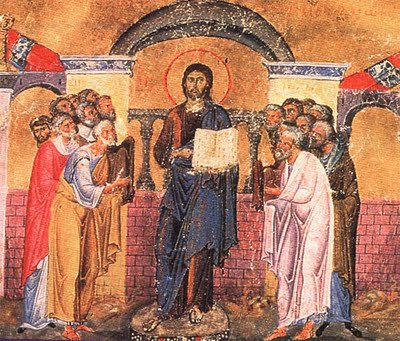 work, His relationship to the law and prophets (through the Jubilee tradition of Leviticus 25 and Isaiah 62 from which he read) and his inclusion of outsiders, the move that almost got him killed (vv 25-29.) So we need a Jubilee vision of an inaugurated Kingdom in which we live (“already but not yet”) if we are going to talk faithfully about the gospel.
Here are several excellent books that I think will help you explore all this. I think, together, these kinds of books will create the right kinds of conversations to help us recover the full gospel-centered life in a way that is transforming, and that is true to the best reading of Scripture. None of these are too academic, but they each are thoughtful and provocative.
Please consider using the study guides listed above. We stock them and promote them with confidence; they were written by folks we admire and they have proven to be helpful. Learn to be formed by the gospel. Realize the necessity of the cross of Christ. Refresh yourself with the basics of the Christian living, relying on grace. It is sweet to trust in Jesus. (The third verse of that old favorite promises “life and rest, and joy and peace.”) Learn about and buy (from us) other books from New Growth Press, too.
But allow the sorts of truths in these sorts of books below to frame and shape any Bible study you do and any longing you have for gospel-transformation. Because it is a true truth: the Kingdom of God is at hand!
All of these, of course, are on sale here at BookNotes — just click on the links below. Thanks for caring. Thanks for reading widely. Thanks for helping us spread the word.
K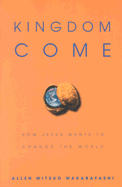 ingdom Come: How Jesus Wants to Change the World Alan Wakabayashi (IVP) $15.00 This is one of the books we often recommend when one wants an introduction to the theme of the Kingdom of God. It is an excellent starter book, and highly recommended. The author was a campus evangelist, leading many to a life-changing relationship with Christ, but he came to believe he wasn’t really announcing the coming the Kingdom. Such a realization drove him back to the Bible to study the theme of the Kingdom, and this book is a happy result. Nicely done.
T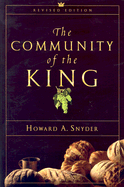 he Community of the King Howard A. Snyder (IVP) $18.00 I have long said that this is one of my all time favorite books, a fine exploration of the Kingdom of God throughout the Bible and the ways the local church can be a crucible of the coming reign of God. Imagine a wheel, with spokes radiating out to the far reaches of the rim, and imagine the hub. Perhaps Snyder can help us get the hub right, as central for the work of living on the rim. The Kingdom and the church are deeply related, of course, but we live to promote the Kingdom, not merely the church. This fine book was prescient, describing what many now called missional. A must-read by a fine Wesleyan scholar.
T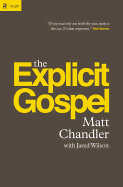 he Explicit Gospel Matt Chandler (Crossway) $17.99 This is a remarkable book that I have recommended before. He has two major sections — one is about the gospel-centered life, learning from systematic theology about the atonement and the grace of the gospel, applied “on the ground” to ordinary lives. The second is the narrative vision of the unfolding work of God in the world, the Kingdom vision of the restoration of all things. From the personal to the social, both of these interpretations of the gospel are essential, and both—one drawn from evangelical theology and the other perhaps more drawn from the Biblical narrative itself — complement each other. Very interesting. It is good how he invites those who are more comfortable with one approach to recall the facets they tend to minimize.
T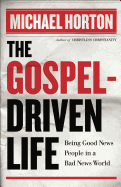 he Gospel Driven Life: Being Good News People in a Bad News World Michael Horton (Baker) $17.99 This powerful book is not just an indictment of how we have missed the orthodox, Protestant proclamation of Christ, but points towards how to live into the truths of the gospel of grace. “Don’t just do something, sit there” he playfully suggests. This is a serious-minded, weighty book. As Anthony Carter (On Being Black and Reformed) puts it, “More than a fad, a twelve- step program or a forty-day challenge, Horton reminds us that the gospel is the everyday brick and mortar of a life built on the promise of eternal life in Jesus Christ.” In some ways, this is a follow up to his powerful Christless Christianity: The Alternative Gospel of the American Church (Baker; $16.99.)
K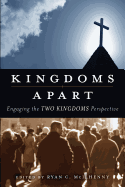 ingdoms Apart: Engaging the Two Kingdoms Perspective edited by Ryan McIlhenny (P&R) $24.99 This is, admittedly, an obscure new book about a rather obscure recent debate among culturally-engaged Reformed folks. It draws on Kuyper and Bavinck and Dooyeweerd and other “neo-Calvinists” to push back against Horton, VanDrunen, and others who have been critical of notions of common grace and cultural engagement. Gideon Strauss, James Skillen, Al Wolters, and other mentors of mine endorse this as a must-needed book with vast implications for those wanting a clear and orthodox perspective on the mandates of cultural transformation and the scope of the gospel’s power. See a somewhat longer review I did for Comment, here. The other book I reviewed there, by the way, the new All Things New: God’s Dream for Global Justice by R. York Moore (IVP; $16.00) is fantastic, too, and very germane to this discussion about the true gospel, the role of grac
e, and a robust vision of new creation, social change, and the hope of the Kingdom coming. Right on!
G ood News and Good Works: A Theology of the Whole Gospel Ronald J. Sider (Vaker) $20.00 Again, this is a book I often recommend, and one of the best overviews of the (relevant) discussion about the relationship of word and deed, of evangelism and social action, of the clarity of grace and the cost of discipleship. Sider spells out a beautiful vision of the full-orbed restoration of creation promised in Scripture and shows how the rubric which unites all of this is the language of the Kingdom of God. As an Anabaptist, Sider gets the poignant power of Christ’s counter-cultural ways, and how we, to be gospel-centered, must embrace and live, by the power of the Spirit, the gracious (even nonviolent?) ways of Jesus. Highly recommended.
H ow God Became King: The Forgotten Story of the Gospels N.T. Wright (HarperOne) $25.99 I’ve been telling everyone to read this, one of Wright’s best, offering a helpful overview of Jesus’ view of the Kingdom, and how we have too often missed it. I suppose you know that Wright is a major contributor to this conversation, and this book, again, shows his sensible, informed, and solid view of the the study of the gospels. Certainly one of the best books of the year! (We are partial since he lectured from this in our back yard last spring, but who’s name-dropping? Ha!) Seriously, this is great, great stuff. The one that was published earlier in the year is a good prequel to it, Simply Jesus: Who He Is, What He Did, and Why He Matters (HarperOne; $25.99.) Excellent.
T he King Jesus Gospel: The Original Good News Revisited by Scot McKnight (Zondervan; $19.99.) This is in many ways similar to Wright’s important book and is equally important to understand the Biblical theme of the Kingdom. Really useful, especially for evangelical readers… This one carries two wonderful forewords by both Dallas Willard and N.T. Wright. Three cheers for McKnight. And three cheers that his Embraced by Grace: Discovering the Gospel that Restores Us to God, Creation, and Ourselves was just re-issued in an new edition by Paraclete Press ($16.99.) Certainly germane to this discussion is the quote on the back by John Ortberg who writes, “This is a book for people who want not only to be saved by grace, but to live by grace.” Very, very nice.
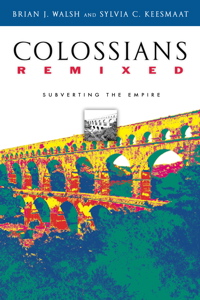
C olossians Remixed: Subverting the Empire Brian Walsh
& Sylvia Keesmaat (IVP) $23.00 In my brief ruminations above I did not mean to give the impression that the “gospel-centered life” is drawn
from Paul, but the theme of the Kingdom only comes from Jesus.
Clearly, Jesus taught and embodied God’s grace and Paul, properly
understood, proclaimed the coming of the Kingdom. Few books open up a
New Testament letter with such creative and fruitful energy as this
stunning, provocative, subversive work. Keesmaat is a New Testament
scholar (whose PhD under NT Wright was about shades and echoes of Old
Testament liberation motifs [from Exodus] that appear in the New Testament) and Walsh
is a campus minister and worldview scholar. Together they steward a
homestead and sustainable farm outside of Toronto. You want gospel? Read this.
Th e Gospel in a Pluralist Society Lesslie Newbigin (Eerdmans) $26.00
Do you know the former Anglican missionary to India? His work is greatly esteemed, and he was a very, very important figure in global Christianity. He was keen on how to be faithful in articulating and living the gospel narrative in ways that were unique to one’s cultural context. This isn’t too far afield, and I think Newbigin’s profound insights on the nature of the gospel
are well worth considering. I hope you know his “reverse mission”
work, an exceptional book, Foolishness to the Greeks: The Gospel and
Western Culture (Eerdmans; $16.00) which is also a “must-read” in these
matters!
C ulture
Making: Recovering Our Creative Calling Andy Crouch (IVP) $26.00 You
know I love this book and it is always worth naming, especially when we are reflecting on the need for a Kingdom vision, seeing the gospel as central to the larger story of God’s care for creation and development of its potential. Most who pick up this much-cited book find it
very engaging, surprisingly fresh, loaded with new insight, and a great vision
that brings together themes of the cultural mandate, the hope of urban
restoration, the beauty of common grace, and the ways the gospel of the
Kingdom under-girds all we do, including manifestations of creativity
and healing social initiatives.

DISCOUNT
ANY BOOK MENTIONED
20% off
order here
takes you to the secure Hearts & Minds order form page
just tell us what you want
inquire here
if you have questions or need more information
just ask us what you want to know
Hearts & Minds 234 East Main Street Dallastown, PA 17313 717-246-3333
read@heartsandmindsbooks.com
 people I ever met), adapting fun-loving, camp programing for those in wheelchairs of all shapes and sizes. I became a fan of the Easter Seal Society, became a special ed major, and loved those crazy, long hours at Camp Harmony Hall, for four consecutive summers. I visited the camp a bit that fifth summer, since Beth was working there at the time, and in between my training for campus ministry with the CCO in Pittsburgh, I’d drive (or hitch hike) to help out a bit at Harmony Hall and, mostly, to pester my bride-to-be. We both loved that camp job, even as demanding as it was on body and soul, and came to realize what my father used to tell me: work could be deeply rewarding, true service; work could be innovative, work could be with great people, work could meaningful, it could matter. You should enjoy it. And work was not about making money.
 month between getting out of college and heading to camp, for my “real” summer job. And there, amidst the saw mills and forklifts, which we called tow motors, pulling boards from conveyor belts set too fast, stacking skids on graveyard shift, the people were surly, the work loud and dangerous, and the workplace a setting of palpable alienation and frustration. Unlike Harmony Hall, the exhaustion at the end of the day carried no sense of blessing or gladness. The contrasts made my head spin.
 more important religious writers of our generation — The New York Times has suggested that he is a modern-day C.S. Lewis, Publisher’s Weekly has noted his “encyclopedic learning” and the exceptional success of his faithful church planting in Manhattan (Redeemer Presbyterian and its City-to-City Network) is an indication that he is a voice to be heard, a leader to whom we should listen, a writer of serous import. Fan or not of his conservative Calvinism, his missional urban vision, his traditional sensibilities (he’s no Rob Bell, for instance) Keller is a thoughtful writer, himself well-read and attuned to sociological matters alongside his love for the Bible and theology, so he brings a certain contemporary weight to the books he writes. They are not heady or arcane or academic, but they are not chatty and upbeat, either. They are mature, important, uniformly good, in my view. That Keller has weighed in on this topic is so good for the larger movement, and it is good to have his thoughtful views on this vexing, urgent matter. Keller has a lot of fans, and he could have written next on any number of topics. His long-standing passion for this topic, of course, is illustrated by his church sponsorship of
 of failing in the business world. (Katherine’s behind-the-scenes husband, too, for what it is worth, has extraordinary experiences, having studied at Union Theological Seminary and having worked in the business world in “the city” as New Yorker’s call their home turf.) Ms Alsdorf is passionate and kind, deeply rooted in a gospel-centered sort of discipleship, but she has walked where many lay people have walked; some of her story is told in the introduction to Every Good Endeavor and it is riveting. She knows what it is like to be an agent of God’s ways in corporate America. It is rare that someone embodies theological, spiritual, and business savvy as she does, and this book brings such depth and expertise to us all. It will be taken seriously by those in the corporate sector who read it because Keller and Alsdorf have listened and studied well. They know what their talking about. Watch a short video clip of Katherine Alsdorf talking about work in Christian perspective,
 social transformation. As Keller properly put it in his recent Generous Justice, Christ’s justification makes us just. There is no glorious triumphalism here, but a humble reliance on the cross. As those claimed as beloved by God, we now can work not for prestige or power or wealth, but to serve Christ’s Kingdom, for God’s glory. I’m a fan of John Piper’s chapter “Serving God in the 9 to 5” in his passionate Don’t Waste Your Life, and this book has a bit of that tone — we think hard about this stuff, but in a way that is warmly dedicated to God’s reputation, responding to God’s gospel grace, gladly clear that we find joy in honoring God, 9-to-5. As one early reader put it, this book reaches both your heart and your mind. Obviously, we like that a lot.
 The previous three affirmations are general — important, but general. That the book is written by an esteemed theological writer, that it emerges from real-life experiences of an effective and fairly sophisticated marketplace emphasis, co-authored by a mature business woman, and is grounded in gospel truth shows why I think it is to be taken serious, studied, discussed, shared.
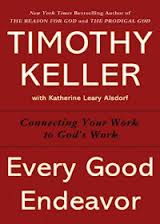 service to others to hard, tedious work that seems almost exploitative. Or, maybe you’ve experienced another sort of whiplash, just going from an idealistic and glorious faith community one day to a harsh and realistic job site the next. Anyway, there are disconnects galore, and we believe that God is pleased whenever we try to live more integrated lives, relating life and faith, creation and redemption, Sunday and Monday. God is pleased by “every good endeavor” that we offer and we are glad to be able to offer this wonderful new book that explores these themes with clarity and wisdom, by an author and co-author we enjoy and respect. May Every Good Endeavor: Connecting Your Work to God’s Work (regularly priced at $26.95 but on sale at BookNotes for $19.95 be a blessing to many. After all, as that old James Taylor songs reminds us, “a young girl ought to stand a better chance.”

 ver the last month or so we’ve been on the road a lot, out selling books, and meeting friends and customers. Of course, our fantastic staff have been working above and beyond the call of duty here, caring for our local customers, meeting all sorts of book and information needs. Beth and I enjoy setting up book displays and book nooks at gatherings and conferences, and we hope some of the good folks we’ve met in recent weeks are reading now — we want to publicly thank those who invited, hosted, helped and bought books from us. Let’s stay in touch.
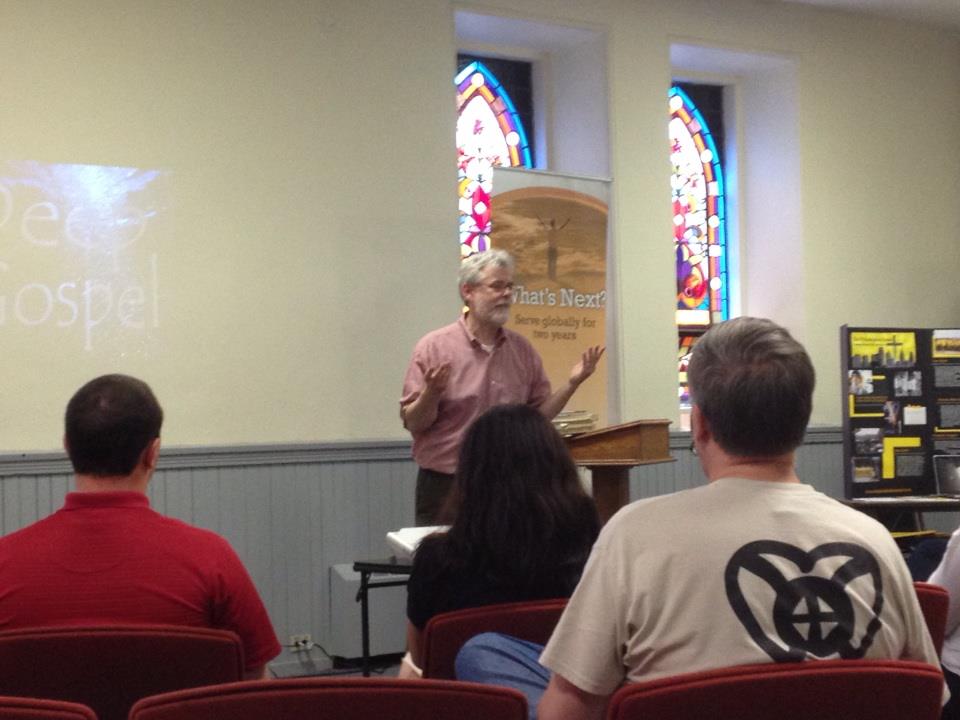 parish nursing event here in central PA; we’ve been out to Western PA twice, once for a conference of pastors and leaders of very small Presbyterian churches and then for the CCO’s always great staff training. We sold books at a debate between an atheist and a Christian at Messiah College. We’ve flown to Colorado with the Christian Legal Society, and offered resources for a UCC prayer retreat; we had books sent for sale at a conference on ten books that influenced C.S. Lewis (in Madison WI — see a list of the ten,
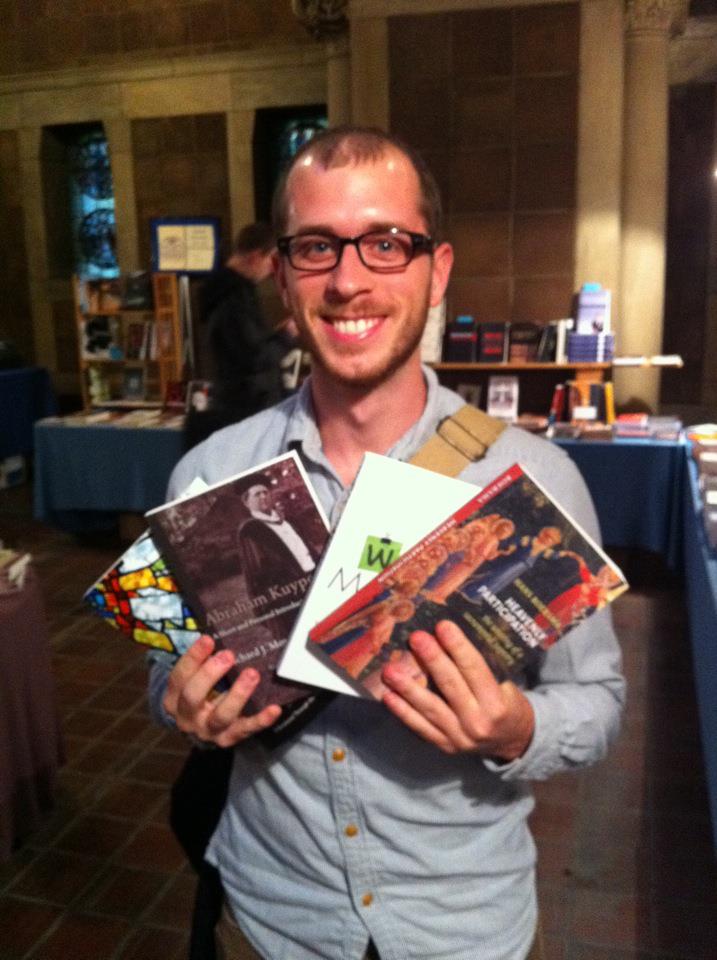
 in Erie, PA. (Thanks Seph!) We served our local hospital at a large, professional conference on palliative care, showing books to hospice caregivers and others who work in the field of death and bereavement and the next day we zoomed to resilient NYC in the middle of the night to get set up for the important conference sponsored by Redeemer Presbyterian’s
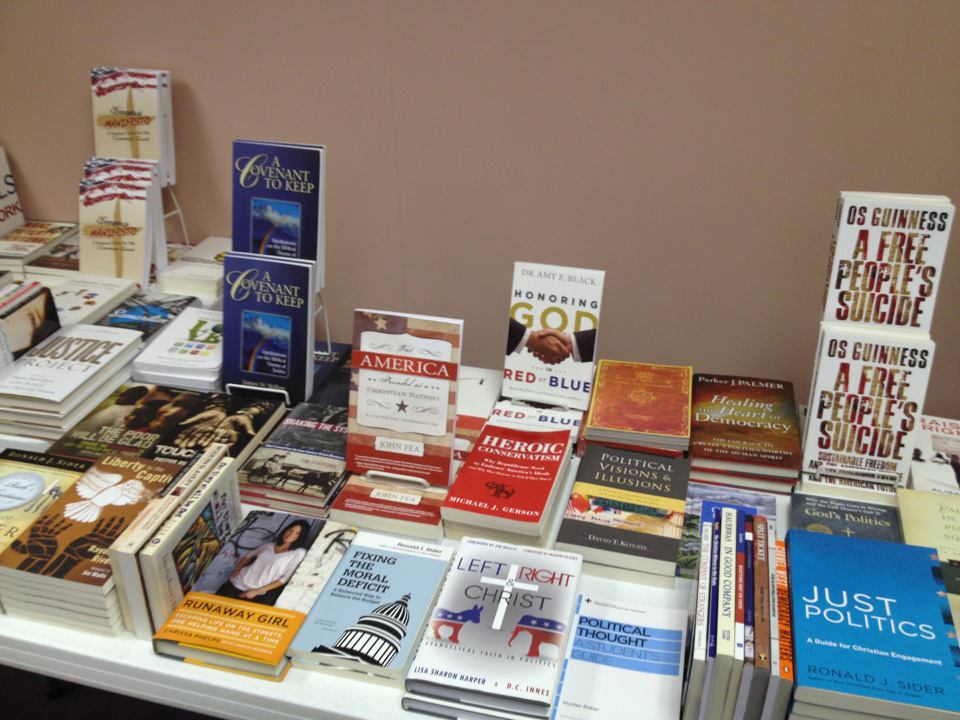 their new dean, D. Brent Laytham, whose brand new book, iPod, Youtube, Wii Play: Theological Engagements with Entertainment (Wipf & Stock; $24.00) is just out. And that’s just the last few weeks.
 peaking of Dying: Recovering the Church’s Voice in the Face of Death Fred Craddock, Dale Goldsmith, and Joy Goldsmith (Brazos) $19.99 I am amazed at how such a non-negotiable matter, and such a vexing one, is so little talked about among us. How do we faithfully engage with those who are dying? What does it mean to offer pastoral and theological insight, based on gospel truth? Why does the church not cope very well with this touchy subject? Ringing endorsements sound out on the back from Thomas Long (you know his book on funerals, I hope) and Richard Lischer and Rob Moll. Forward is by Stanley Hauerwas who notes that it helps us “recover our voices as a people taught to speak by the one who died on a cross.” It doesn’t hurt to note that Fred Craddock is a renowned United Methodist preacher and a pretty funny Southern storyteller.
 ntroducing Covenant Theology Michael Horton (Baker) $17.99 Some think this to be one of the best basic studies of Reformed theology, no nonsense, serious, and built on the covenant structure of Scripture. Very impressive. When it was out in hardback it was entitled God of Promise. Horton hosts a very provocative radio talk show,
 Grace Revealed: How God Redeems the Story of Your Life Gerald Sittser (Zondervan) $19.99 We have long recommended A Grace Disguised as one of the very very best books about grief. You may know that story of a car accident that took his wife, mother, and daughter in one awful crash. This is Sittser’s beautiful, well-written story, twenty years after the tragedy described in that earlier grace-filled book, showing how God’s narrative can be written out in our lives, through good times and bad. This is story theology at its best, beautiful writing, profoundly inspiring, one of the best brand new books of the year by a man that we truly admire. It isn’t difficult reading, but it is well worth enjoying.
 ust Politics: A Guide for Christian Engagement Ronald J. Sider (Brazos) $19.99 We’ve touted this as the best mid-level book, great for any thoughtful reader, on the methodology of how to develop the Christian mind for civic engagement. Very highly recommended, Biblically balanced, helpful, still very important, maybe moreso now that the election fever is subsiding. This may step on some toes as Ron is quite conservative on some policy issues, and pretty radical on others, seeking a “third way” that is non-aligned and responding to the grace of the gospel. He’s Mennonite, but influenced by the est of global thinkers, Kuyper stuff, and has been in conversation with left, right, and center views, forging a theologically sound and Biblically-informed perspective. Yay. Come on, people, you need this!
 mergence Christianity: What It Is, Where It is Going, and Why It Matters Phyllis Tickle (Baker) $19.99 There have been oodles of books on the shifts in culture, postmodernism and the like, and the shifts in thinking about religion, leading to fresh expressions and various options for new ways of doing church. Tickle reads widely, has traveled among all sorts of new ministries and movementes, and she offeres here one of the clearest, most interesting updates of emergent and emergence thinkers and practitioners. The lively Ms. Tickle, a former Baptist who now is Roman Catholic, is always worth reading and this is a topic that is very relevant, no matter what sort of congregational life you embrace.
 rt as Spiritual Perception: Essays in Honor of E. John Walford edited by James Romaine (Crossway) $40.00 I named this in last month’s review column as one of my favorite books so far this year, and although I am not well-versed in the history of Western art, I found it to be exceptionally insightful and very, very interesting. I recently did a somewhat more extended explanation of its wonder and significance in
 he Real Face of Atheism Ravi Zacharias (Baker) $15.99 This is a more recent updating of his very early book The Shattered Visage (which, as literature buffs will know, is a phrase from Percy Bysshe Shelley’s Ozynandias.) I assume you know folks who are reading the “new atheists” and you know people who are curious about the reasons some hold to a position like this. Zacharias is eloquent and firm, offering considerable intellectual clarity and a wide awareness of many cultures. From Eastern mysticism to American cynicism, Ravi makes the case that such views finally lead to despair, and that the gospel, properly understood, is the only credible hope. By the way, much of content in these chapters were first delivered at the famous Bell Labs, in conversation with brilliant scientists and creatives. Few Christians, in my view, adequately grapple with the profound, troubling insight of Nietzsche, and this book does so, bravely.
 ed Letter Revolution: What If Jesus Really Meant What He Said? Shane Claiborne & Tony Campolo (Nelson) $22.99 Look: I don’t really appreciate the whole red-letter thing — yes, Jesus is undeniably central to the Biblical narrative, but I don’t think it wise or theologically sound to put some words of the Bible in red. I don’t like red letter Bibles, even. Having said that, we are utterly irresponsible if we disregard or minimize the direct teachings of the Master. This
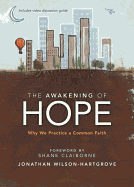 he Awakening of Hope: Why We Practice a Common Faith Jonathan Wilson-Hartgrove (Zondervan) $14.99 I ordered more of this book then almost any new book this season, and just haven’t found time and energy to tell you about it, which I regret. I hope to do a longer review, but for now, we want to move ’em out, getting them into your hands and your discussion groups. I hope you know the basic tenants of the “new monastic” movement, their commitments to living in intentional community, serving the poor, practicing hospitality and engaging in spiritual disciplines (and eating lots of food together!) From Biblical nonviolence to local congregation life, from making promises, offering prayers to doing politics, these folk are offering such a powerful witness that it breaks my heart open, wanting to be more faithful, more intentional, more winsome and more like I dreamed I’d be back when I was living in community in an urban setting back in the late 70s. There is a companion 6-session video, too, and my hat is off to them for doing it so well. (We can’t sell that at 50% off, but we do have it at 20% off of the regular price of $24.99.) This handsized paperback is very cool, very compelling, quite stimulting. Kudos to Zondervan for releasing this since it ain’t your typical CBA material and I suspect they took some risks offering such radical stuff. I believe that this book offers a vision that is very close to the life Jesus intended for us and we would be glad to have you buy it and consider it. Perhaps you need an awakening of hope in your own life thes
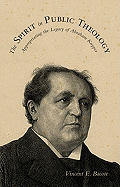 he Spirit in Public Theology: Appropriating the Legacy of Abraham Kuyper Vincent E. Bacote (Wipf & Stock) $20.00 Not only do I love the new cover, now that it has been re-issued, but I really love Vince’s serious call to be fully Trinitarian, and not forget the workings of the Holy Spirit. He gets us there by way of the important work of old Abraham Kuyper, who not only wrote widely about the Spirit, but applied the Spirit’s work to our own work in culture and in the reformation of the arts, sciences, politics and such. Read this and you’ll realize that maybe Calvin College philosophy professor Jamie Smith shouldn’t be the only Pentecostal Kuyperian! This book is meaty but accessible, important and vibrant. Theology for the people of God, serving the world, in common grace for the common good, by the power of the very Divine Spirit who hovered over creation!
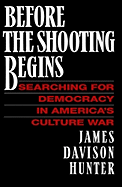 efore the Shooting Begins: Searching for Democracy in America’s Culture War James Davison Hunter (The Free Press) $24.95 Hunter is most known these days for his remarkably important Oxford University Press title To Change the World but years before that he nearly coined the phrase “culture wars” and explored the ways in which huge cultural forces were, in the 1980s, poised to tear at the very fabric of our society. This book is vastly important, hugely under-appreciated, offering insights about how to bolster civil society, making a profound moral plea for democratic dialogue. I think its sober insight is needed as much now as ever. Endorsements ring on the back from Richard Neuhaus, Robert Wuthnow, Jean Bethke Elshtain and the like. His chapter “The Culture of Ambivalence” is nearly worth the price of the book…. Very useful as we move forward post election 2012. Check out his journal Hedgehog Review from the Institute for Advanced Studies in Culture at UVa.
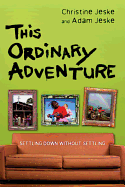 his Ordinary Adventure: Settling Down without Settling Christine & Adam Jeske (IVP) $15.00 Interested in following the fresh winds of the Spirit, no matter what? Wanting to continue on in short term missions, global concern, world travel, even if you’ve got a house, job, kids and a dog? Does settling down mean giving up dreams of adventure? Does embracing a spirited missional vision preclude a home and family, caring about ordinary life, being involved in a local place? I wish I had this book when I was 25 and I’m very glad I have it now that I’m almost 60. What a story! You’ll enjoy this travellogue of young, hip missionaries, who also long for an ordinary home. Can we settle down, without settling? Spread the word about this great new book.
 Year of Biblical Womanhood: How a Liberated Woman Found Herself Sitting on Her Roof, Covering Her Head, and Calling Her Husband ‘Master’ Rachael Held Evans (Nelson) $15.99 I hope you have read A.J. Jacob’s Year of Living Biblically, which is better written and funnier than almost any Bible study book I’ve ever read. Clearly, Evans is derivative here, standing in this proud tradition of “try it out” journalism. (Does anybody remember George Plimpton, the reporter who actually played pro football for the Detroit Lions in order to write about it? I loved that book!.) So, here she is, clever and funny and offering her take on the perplexing number of perplexing things in the Bible about women. If you want a sober and solid study of hermeneutics, this ain’t it. If you want a memoir of a year-long experiment, clever and insightful, by an up-and-coming, progressive young evangelical writer, this is great. Enjoy!
 he Center Church: Doing Balanced, Gospel-Centered Ministry in Your City Timothy Keller (Zondervan) $29.99 I know it is a textbook. I know it is for church planters. I know it says “in your city” right there on the cover. Forget all that — this is one of the best books on missional thinking, cultural engagement, congregational life, and how the gospel of grace shapes how we do contextualized ministry in our particular place (whether you’re an urban church planter or not.) It is handsomely produced (with two color ink and useful sidebars and a brilliant chart or two), very thorough, has questions for discussion, making it ideal for (serious) book groups, ministerial cohorts, or personal reflection. Of course pastors should own it, but I think it is good for any church leader. There is so much goofy stuff about church life these days, this will be a good baseline, a mature marker, a solid standard. This is a tremendous book, and I truly hope the word of it spreads. Getting a few at half price this week only may help you — why not give it to your pastor or church board or campus minister or seminary student? Heck, get it for yourself. You’ll be glad you did.

 It is World Series season

 older woman, clearly struggling to walk with her canes, a person
 Another wonderful feature
 a foil for

 f the title When God is Absent (Xulon Press; $24.95) sounds a bit like some

 angerous Calling: Confronting the Unique Challenges of Pastoral Ministry Paul David Tripp (Crossway) $22.99 You may know Tripp, a conservative, Reformed scholar and Biblical counselor who has written wisely about pastoral care, about personal issues, about the radical power of the gospel, about new life found in Christ alone, as we appropriate His grace. This is hard hitting stuff as he, after years of traveling and listening well during thousands of conversations, is greatly concerned about the spiritual life of pastors and leaders, but also of those who train, support, and are led by them. That is, nearly all of us, at any and every level of church life! We should all care about playing a part in protecting the pastorate. As it says on the flyleaf, this book “reveals the truth that the culture surrounding our pastors is spiritually unhealthy — an environment that actively undermines the well-being and efficacy of our church leaders, and thus our entire church body.” Joshua Harris observes that, for pastors, “this book is ‘good’ in the same way that heart surgery is good…and it just might save your life.” Seminarians, congregational leaders, and pastors — as one reviewer put it “whether you’ve been in ministry 20 minutes or 20 years” you need this book.
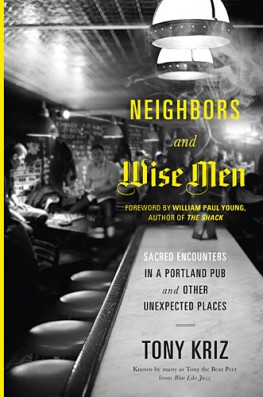 eighbors and Wise Men:
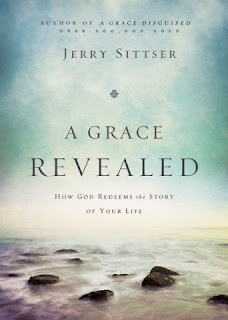 Grace Revealed: How God
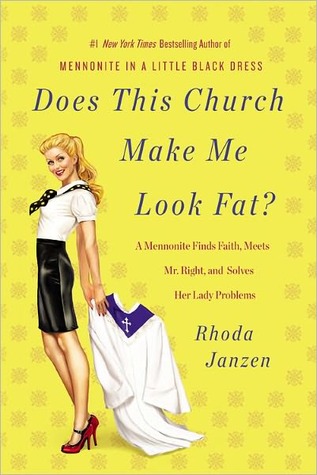 oes This Church Make Me
 Spirituality of
 esus: A Theography
 he Mystery of God: Theology for
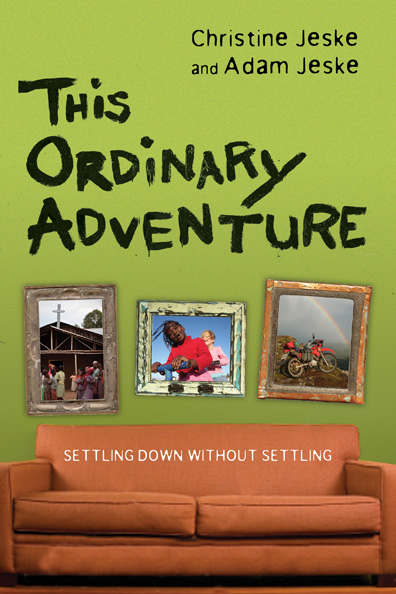 his Ordinary Adventure: Settling
 ob Bell and a New American
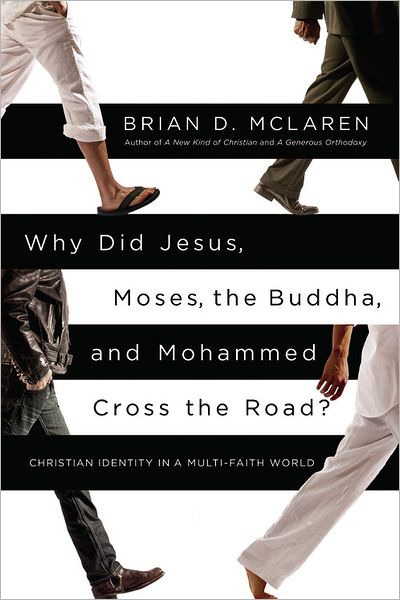 hy Did Jesus, Moses, the Buddha,
 me and

 he Exact Place: A Memoir by Margie L. Haack (Kalos Press) $16.95
 Mortals Dwell: A Christian View of Place for Today (Baker Academic; $29.99), a major work that examines the role of place in the Bible, in the history of Western philosophy and theology, and how such a category of thinking can affect our daily discipleship.
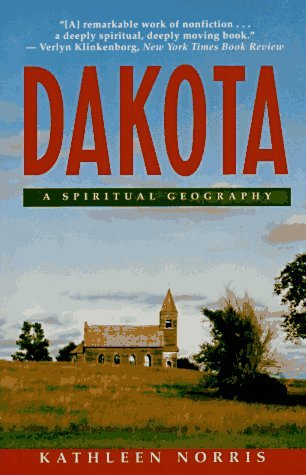 interesting, inspiring new memoir, The Exact Place, is yet another example of a contemporary Christian leader reminding us of the importance of place. I wanted to put her story alongside heavier non-fiction studies in order to suggest this. Indeed, in her beautiful, potent introduction Ms Haack cites Kathleen Norris’ evocative phrase “a spiritual geography” as she tells how her own rugged Northern Minnesotan upbringing shaped her personal landscape.
 Ms Haack is certainly not trendy, and she did not long to share her childhood story to make some grandiose statement about place–that is my framing of it, the teacher/bookseller in me wanting to observe one important reason all of us should read these kinds of books, indeed, this book. Whether she likes me saying it or not, The Exact Place: A Memoir is important for this very reason, and is therefore instructional; useful, even. As with any good novel or biography, it raises good questions, allusively. It certainly doesn’t preach but intentional readers may be led to ponder many big questions. How might you think about your own sense of place? Do you live your life well-grounded, caring about real life in God’s real world? Do you know your place, your exact place? Do you want to shed your past? How would you describe your “spiritual geography” and personal landscape? This collection of almost old-fashioned storytelling will help you and those you give it to, I am sure.
 Margie and her husband, Denis Haack, run one of the most wonderful ministries of which we know (with one of most fabulously interesting websites, too, which you must visit.) They call themselves
 is told colorfully in another newsletter, which she does, nicely called Notes from Toad Hall. You can browse great archives of some of the stuff Margie writes at the Ransom webpage,

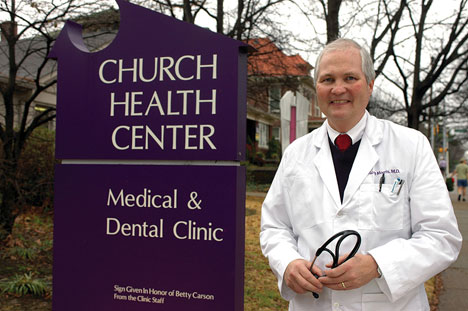
 & Breath: Faith, Health — and Why the Church Should Care About Both is written by Kendra Hotz, Matthew Mathews, and Gary Guderson
 od, Health, and Happiness: Discover Wholeness in Body and Spirit Scott Morris (Barbour
 Jonathan Kozol’s new Fire in the Ashes: Twenty-five Years Among the Poorest Children in America [Crown; $27.00] for how



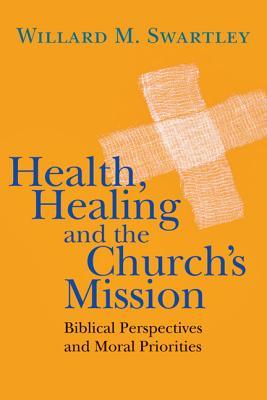 s Willard Swartley (IVP) $24.00

 Do you remember a month ago, in my essay preceding the list of books about vocation and work, I
 work, art,
 For the fourth
 of the three
 Paul Miller and Sacred Rhythms by
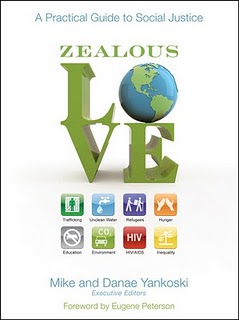 Social Justice edited by Michael Yankoski
 Goff has a chapter in it. One student picked
 One education major bought
 don’t know him.
 A science major was
 My friend Jonathan
 Season of Life (Simon & Schuster; $21.00.)
 Business majors, and an
 purchased the back-and-forth
 Student’s Guide by my very good
 We sold a copy of
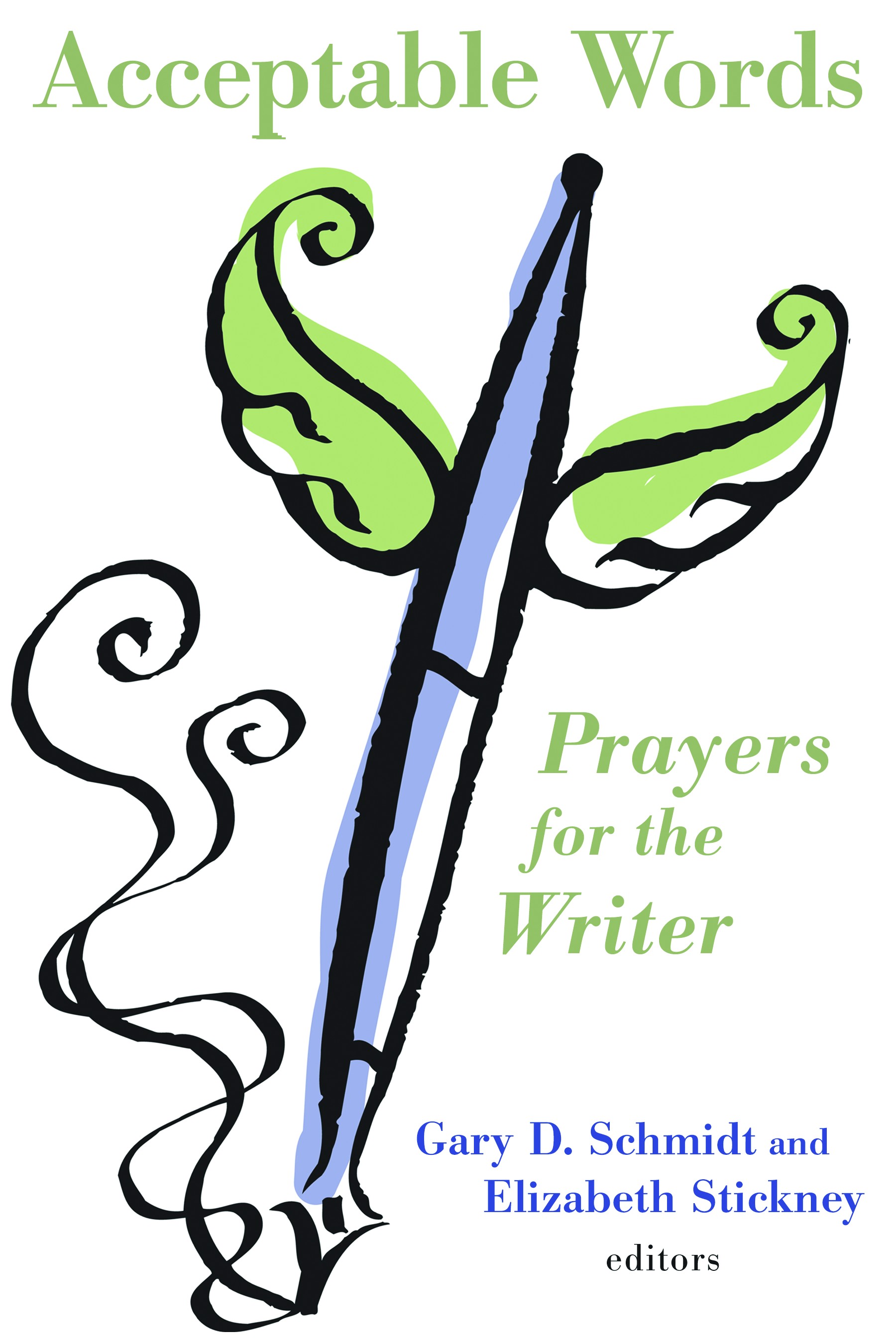 $16.00) which is a delight for anyone who loves reading or writing—you may know Schmidt as a popular YA novelist. We had some other books on lit and writing, sold one which was a religious exploration of Harry Potter, although that student maybe wasn’t even a lit major. And what a joy to have a young woman pick up the new The Terrible Speed of Mercy: A Spiritual Biography of Flannery O’Connor by Jonathan Rogers (Nelson; $15.99.)
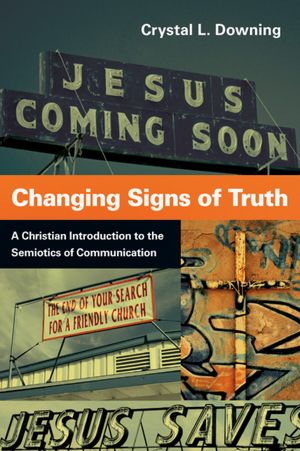 — to a communications major.
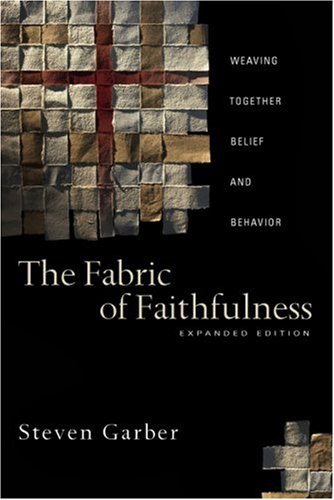 me of another book we sold there on Friday night (in fact, one that was mentioned more than once from up front) Steve Garber’s Fabric of Faithfulness: Weaving Together Belief and Behavior (IVP; $16.00.) You know this is a thoughtful and important book, and we often commend it for serious readers. If you want to get a flavor of the sorts of ways Steve gets all this said, earnestly and thoughtfully, check out this

 Even while the world’s leading news story was the unfolding drama of the savage attacks on US Embassies throughout the Arab world, inspired by stupid anti-Islamic propaganda, a group of us gathered in a small hall at Georgetown University to discuss and debate and learn about the Biblical call to peacemaking. A major theme of the
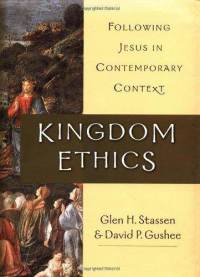 off titles like Ron Sider’s new book Just Politics: A Guide for Christian Engagement (Baker; $19.99) and to commend Lisa Sharon Harper’s pro-Democratic back and forth conversation with a political conservative, Left, Right & Christ: Evangelical Faith in Politics, co-authored by Kings College political science prof D.C. Innes (Russell Media; $22.99.) We think the world of the excellent study Kingdom Ethics: Following Jesus in Contemporary Context by Glen Stassen and David Gushee (IVP; $35.00) and enjoyed stacking ’em up with both authors there. I only wish we had sold more. It’s a great book.

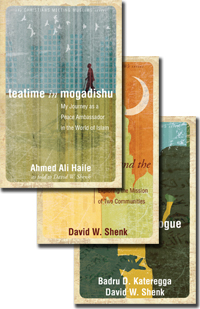 issues. He has had his book, co-authored with Badru Kateregga, A Muslim and Christian in Dialogue (Herald Press; $14.99) translated into Arabic, and he has been invited to share his it with radical Muslim leaders (who reported being astonished that a Christian could be so gracious, and that Jesus spoke so much about peace and love of enemy.) His Journeys of the Muslim Nation and the Christian Church: Exploring the Missions of Two Communities (Herald Press; $14.99) is nearly as classic and the riveting Teatime in Mogadishu: My Journey as a Peace Ambassador in the World of Islam by (Somalian convert to Christ) Ahmed Ali Haile as told to David Shenk (Herald Press: $14.99) is fabulously inspiring. I hope you consider these, perhaps for a book group or adult ed class as they are really quite interesting.
 And what a joy it was to recommend titles to Texas mega-church pastor and author Bob Roberts, whose books Transformation: How Glocal Churches Transform Lives and the World (Zondervan; $19.99) and Glocalization: How Followers of Jesus Engage a Flat World (Zondervan; $18.99) help ordinary churches reach out in more global ways. We laughed about the word “glocal” which he borrowed from Len Sweet, who maybe swiped from VisaCard. Check out his
 serve the world. His preaching and teaching this missional vision has paid off: the government of Viet Nam asked them to help create a curriculum to teach special education teachers; he is sending short term workers from his church to Afghanistan, too, doing simply extraordinary work. If you are inspired by that video idea, order his useful book Real-Time Connections: Linking Your Job with God’s Global Work (Zondervan; $16.99) which is pretty darn great. His flock are the real deal, doing stunning stuff in hard places.
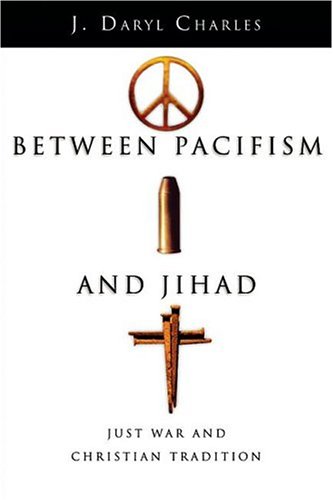 antinomian in this school of thought, so it to be considered differently than raw violence.) He reminded us quickly of the jus ad bello and the jus in bello criteria, and recommended the well-informed, no-nonsense book, War, Peace and Christianity: Questions and Answers From a Just-War Perspective by J. Daryl Charles & Timothy Demy (Crossway; $25.00) which we carry. I somewhat prefer, by the way, and featured, Charles’ earlier book, Between Pacifism and Jihad: Just War and Christian Tradition (IVP; $21.00) as it seems to me to be written with less caricature of the pacifist view, a bit of a downfall of the feisty Crossway one. We stock most of the standard just war theory texts, too, Walzer, Elshtain, Weigel, James Turner Johnston and the like.
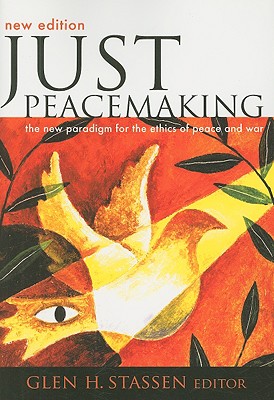 theorist that justifies nearly every war or a pure pacifist that refuses to engage the details of realpolitik. Rather than endlessly debate the matter about violence, why not work together to find ways to actually reduce the likelihood of armed violence? His edited volume–including 23 scholars, each offering a chapter on one of the just peacemaking principles—called Just Peacemaking: The new Paradigm for the Ethics of Peace and War (Pilgrim Press; $18.00) is a vital resource showing, from serious research, just what sort of things might happen to prevent warfare, to minimize injustices, to develop diplomatic pressures for human rights, all of which can help us find alternatives to war. Some may derisively dismiss this as “crypto-pacifism” but it is a good start, I think. Just war theorists and pacifists alike should agree that we should work to find solutions to conflict so that war would be, at least, usually, a last-ditch resort.
 it at almost half price. The publisher is giving us a bit of a deal, and we’re happy to pass the savings on to you. For a just a few weeks, we are offering A Thicker Jesus: Incarnational Discipleship for a Secular Age (Westminster/John Knox; $25.00) at a special pre-publication price. If you order it now, it is $10.00 off — just $15.00.) I’ve read some of the early version and it is serious, intense even, and draws on Bonhoeffer a bit.
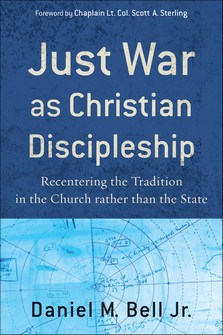 the State Daniel Bell, Jr. (Brazos) $21.99 Well, this is a book unlike most just war resources. As Chaplain Lt. Col. Scott Sterling writes in the forward “Bell has written a book that I wish I had during my deployments…contributes to the Christian soldier’s desire to embody the principles as a lifestyle…” Bell studied at Duke, teaches at a Lutheran seminary, and is ordained in the United Methodist church. I know of know book that does what this does, and we highly recommend it for anyone studying this topic. As Hauerwas says, Bell has “breathed new life into these debates…we are in his debt.”
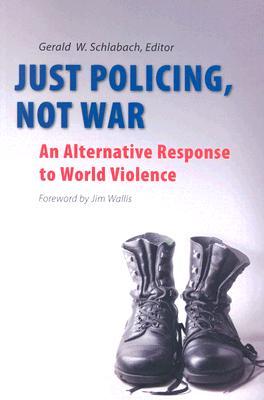 editor (Michael Glazier) $27.95 Schlabach is a Mennonite pacifist who has long been engaged not only in conflict resolution studies, but it fabulous conversations with just war theorist of the Roman Catholic tradition. Here, he offers the mutually agreed upon legitimacy of policing as a paradigm for thinking about some common ground, a different model than the conventional military one. There are serious ideas floated here, and solid debate. There are ten good chapters, from Anabaptists and Jesuits, Presbyterians and Catholics, both more conservative and more liberal. Nicely dedicated to both John Paul II and John Howard Yoder.
