
 See our order form link, below. All books mentioned, 10% off.
Perhaps you have been taken in by the stories of law, politics and political campaigns in shows like The Good Wife or one of the best shows ever on TV, The West Wing, or even the comedy hit Veep. For a bunch of reasons, Beth and I have been really enjoying Madame Secretary. (How cool is it that the show features a major character who is, among other things, a religion professor and Aquinas scholar at the Army War College?) But despite these shows dramatizing the moral ambiguities of many social issues and underscoring the hardball maneuvering of campaigns – yeah, I’m thinking of you, Eli Gold — nothing in fiction has prepared us for the stunning weirdness of this current election cycle. I’ve tried to avoid thinking about why so many of our fellow citizens (and, apparently, fellow Christians) are attracted to Donald Trump, and I’ve not shared the many thoughtful on-line opinion pieces about our current situation. Kudos those who are doing reasonable work on this, but I have hardly been able to bear it.
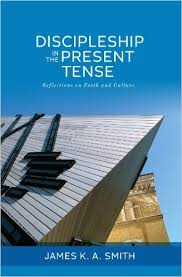
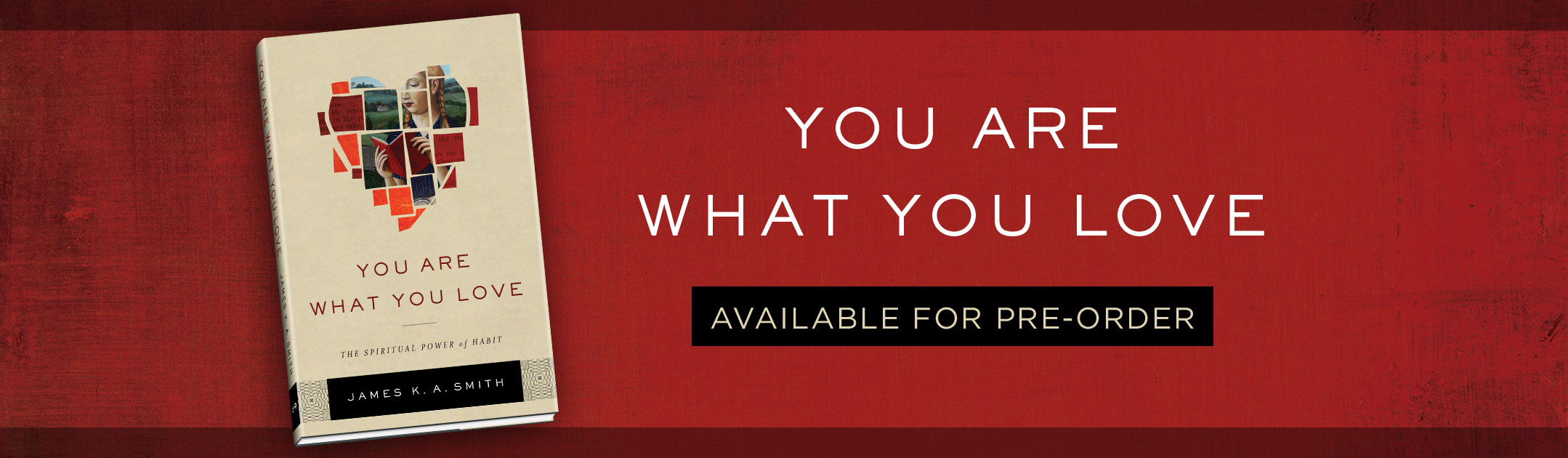
 Rather, I have taken an intentional step back, reviewing books that, if read and discussed among us, could have significant, long-term, civic implications, books like Andy Crouch’s wonderfully insightful Strong and Weak: Embracing a Life of Love, Risk, & True Flourishing (IVP; $20.00) and James K.A. Smith’s significant new work about how habit, liturgy and realigned desires can be shaped by Christian worship, for the sake of the world.
If you haven’t, I hope you studied my two recent, long reviews of Smith’s You Are What You Love: The Spiritual Power of Habit (Brazos Press; $19.99) first here and then here. The first, especially, is somewhat of a backstory, written in anticipation of the  release of YAWYL; the second also included a bit more of my take on how Smith came this recent project and why I care so much about it, and then dove into a fuller review, chapter by chapter. We’ve really appreciated that some have shared this review among their own friends and tried to generate some sales for us. It is our joy to tell people about these kinds of books and hope that one of the things people desire, one of the habits that shape their wants (to use Smith’s phrases) is spending money at places they believe in.
Anyway, it’s good to recall that political life is part of a bigger cultural story, informed by the zeitgeist, and that our views and behaviors as citizens, as Crouch implies, and as Smith specifically shows, emerge from our deepest character, our virtues and habits and longings and the story we see ourselves to be a part of. If we hope to re-calibrate our attitudes and practices in our civic life we must deepen our discipleship by allowing our hearts to be changed. And that, my friends, happens best in church. In YAWYL, church and worship are not alternatives to civic life, or a super-spiritual move of “world flight” Christianity disengaged from public concerns, but is a worldviewish radicalizing of us and our desires, in church and home, for the life of the world. As we become more Christ-like and long for His Kingdom ways, then all of life will begin to be seen as inherently religious, with the possibility of Godly transformation, starting with our own convictions and lifestyles. Including our understanding and involvement in politics as citizens.
I don’t mean to be melodramatic, but it may be, therefore, that Smith’s You Are What You Love and Crouch’s Strong and Weak may be among the most important books to inform your politics that you’ll read this year.
Of course, if our deep desires are for imagining God’s Kingdom, and living coherent lives shaped by Biblically-informed visions and virtues, if our hearts are truly longing for God’s glory to be seen more in our broken world, then we will necessarily want to develop some kind of uniquely Christian view of the common good, of public justice, and of the role of politics. You will desire a “Christian mind” about what the best Christian traditions and writers have said about government, politics, the task of the state and the nature of responsible citizenship.
I have written a number of BookNotes columns for our bookstore blog over the years inviting us to think more faithfully and live more graciously in the public square, and I have named my favorite books on faith and politics. Read two of my columns with lists HERE and HERE. There have been newer works on faith and politics released, but those lists are still useful and we’d be glad if you shared them.
 One book that just came in to our shop last week that ought to be mentioned as similar to those on those previous book lists is Power Made Perfect? Is There a Christian Politics for the Twenty-first Century? by Timothy Sherratt (Cascade Books; $18.00.) Blurbs on the back include a rave by a political mentor of mine, James Skillen, a wonderful endorsement by the always brilliant Gideon Strauss (Associate Professor of Worldview Studies at the Institute for Christian Studies) and remarks by Stephanie Summers, CEO of the Center for Public Justice, who says,
Here we have the resource many citizens have longed for…Christians who are tempted to give up on political engagement will be refreshed by the wise and practical counsel contained within.
I myself am looking forward to reading this, as I very much respect the author, a Professor of Political Science at Gordon College.
But there is another new one I must tell you about, and I am jazzed about it for several reasons, not least of which is that one of the shining parts of this multi-authored, back and forth volume, is the contribution by James K.A. Smith. Sometimes (well, quite often, actually) I wonder how some of these authors do it. As Smith was writing the profound and beautiful YAWYL he was also writing a long and great chapter on Reformed views of Christian politics, and responding astutely to four other co-authors from other Christian traditions, replying to their own claim of what Christian politics looks like for a brand new volume.
Welcome to Five Views on The Church and Politics edited by Amy E. Black (Zondervan; $19.99.)
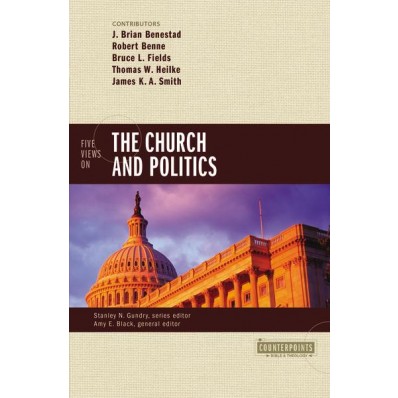 At the risk of sounding like a political geek or a Jamie Smith groupie, I want to tell everyone about this multi-authored book about politics for reasons I will state below, but also because of Smith’s very good role in the book. I am partial to Professor Smith’s writing, his ecumenical flavor, his knowledge of the Dutch tradition of public theology (such as Bavinck and Kuyper and Dooyeweerd) and his great gift of being able to write about complex matters with incision and clarity and what seems like joy.
If you are a James K.A. Smith fan, you will want to read him in here.
As I read each essay in this new book, each one representing a different take on the relationship of church and politics, faith and government, and each of the five author’s rebuttals of each other — it is one of those “counterpoints” books — I found myself appreciating Smith’s pieces each time. He is a remarkably well-read scholar and he is spot on in bringing just the right insight at just the right time. I would guess that had this been a live debate, most of the other conversation partners might have been nervous being in counterpoint with him; in this, though, they all are exceptionally cordial and more than civil. This book was a model of pleasant, if at times pointed, discussion and a great learning experience. Each author obviously knows their theological tradition quite well.
 The five views represented in this volume were pulled together and helpfully introduced by Dr. Amy Black, herself a serious political scientist (with degrees from Claremont and MIT) who now teaches at Wheaton College and is widely published. Kudos to Ms Black, not only for creating such a helpful volume, but for her own writing in it — not only is the introduction very well done, but the closing chapter (“Christian Witness in the Public Square”) is practical and useful as she tries to draw on the best practices of these varying traditions and suggesting which strengths of each might be fruitful for our own growth and fidelity in the political sphere and public life.
The views represented here are arranged in a bit of a spectrum, I suppose, with some language borrowed from Richard Niebuhr’s taxonomy in Christ and Culture. The five perspectives and traditions presented are:
- Anabaptist (Separationist) by Thomas W. Heilke, Dean of Graduate Studies at the University of British Columbia
- Lutheran (Paradoxical) by Robert Benne, formerly of Roanoke College in Roanoke, VA
- Black Church (Prophetic) by Bruce L. Fields Theology prof of Trinity Evangelical Divinity School in Deerfield, IL
- Reformed (Transformationalist) by James K.A. Smith of Calvin College in Grand Rapids, MI
- Roman Catholic (Synthetic) by J. Brian Benestad of Assumption College in Worcester, MA.
A feature of this book that should make it widely appealing for thoughtful church classes or book groups or even in colleges and seminaries is how it is shows how the views of the church and the basic ethos of each theological tradition shapes how they then tend to approach public life. In many ways Five Views on The Church and Politics is as much about church and theology, adding to a needed ecumenical conversation between and among us church folk as it is on Christians as citizens or those active in political life.
The authors are not political scientists, it should be noted, which, I suppose, is both a strength — making the book more widely interesting for any who care about the wider church, but may therefore be a little weak in terms of its goal of nurturing the Christian mind in politics as such. In fact, this approach, and even the book’s title – am I over-thinking this? – points to this assumption; it is not just about varying views of statecraft or policy, but about how each faith tradition sees church life, and how church life relates to daily life and society. Yes, each chapter does get around to thinking Christianly about politics as such, eventually, but the chapters are by design as much about theology as they are political science, and as much about church history as political history.
 Five Views on The Church and Politics will thrill church history fans and will be a boon to any of us who long for greater ecumenical awareness and inter-denominational dialogue. I think that all but the most focused politicos will find its broad themes — how various church traditions have related to the world, to culture, to public life — a great place to start (rather than digging too deeply into nuances of political theory as such which it mostly does not do.) For some of us we might wish for a bit more specificity about politics and the messiness of voting well, party involvement, policy proposals and such, but for most of us this big-picture view will bring us up to speed quite nicely.
Bring us up to speed?
Exactly. You see, I suspect that most of us — even the sharp and well-read fans of BookNotes — are woefully unaware of the ways in which great Christian thinkers that have come before us have written and taught about Christian political life. This is why I have offered lists like the ones mentioned above, or done extensive reviews of the very, very important historical overview of Christian thinking about the state, The Good of Politics: A Biblical, Historical, and Contemporary Introduction written by James W. Skillen (Baker Academic; $24.00.) Do check out my review of that, here. Skillen helps us see — through his own particular lens and opinions, of course — the strengths and weaknesses of many great public thinkers who wrote about politics and justice down throughout history. Who knew?
Listen to Amy Black in her introduction to Five Views of Church and Politics,
Not every theological tradition has a robust and distinctive set of teachings we might call a “political theology,” but four in particular (Catholic, Reformed, Lutheran, and Anabaptist) stand out for their enduring influence on conversations about church and state over many centuries. A fifth tradition, that of the Black Church, is specifically rooted in the United States and represents a distinctive theological perspective, not to mention forms of communal practice, that is too often discussed in isolation or simply ignored.
In telling about the rich and diverse views represented in this five-way conversation, Black notes that each tradition has developed and evolved. “The endurance and adaptation of each of the traditions in this book, despite vastly changing political contexts, highlight their value for understanding present and future contexts, not just the past.”
What a good spectrum of views, and what a good way to learn about some of the strengths and weaknesses of these five enduring faith traditions. As I said, it seems this book works well as a primer on inter-denominational/ecumenical discourse and the ups and downs of church history and differing theological impulses as much as a guide to thinking about modern citizenship. I commend such inter-denominational conversations to you.
I hope I’m wrong, but I doubt such conversations are going on in your town, let alone in your own congregation, so you need to read books like this once and again to remind you and yours of other members of the Body of Christ and how they think and speak out as they do, and why. Especially in this season when Christians are courted as a voting block and evangelicals are routinely cited in the news for supporting candidates who are pretty obviously not very Christian in tone or substance. What the heck is going on? Well, part of what is going on is that good Christian people haven’t read books like this.
In each chapter, the representative author first traces the historical developments of their own tradition, explaining some of the “foundational principles and theological distinctives.” Eventually, they get to their tradition’s view of government and its role in society. Some are, Dr. Black observes, “primarily optimistic, emphasizing the ways in which government promotes human flourishing and contributes to the common good” or they tend to be “pessimistic, focusing on the need for government to restrain the effects of sin.” Or, perhaps some are a mix of the two.
(I am reminded here — although bringing it up here may seem a bit simplistic, and Black’s book is not simplistic — that Richard Mouw has written that when he used to debate his Mennonite friend John Howard Yoder, Yoder once said that Reformed and Presbyterian types said the world and public life was created but fallen, while Mennonites and other Anabaptists say created but fallen.” Hmm.)
So. Of course, with these theological impulses or tendencies or postures made more forthright, they then explain what their tradition or church might say about how ordinary Christians should be involved in political life and the role of churches in addressing political questions. “Engagement with these questions”, Black says, “helps outline the hallmarks of each perspective, but it focuses primarily on the theory animating each view.”
In a helpful move, each chapter in Five Views on The Church and Politics ends with a case study, asking how that faith tradition might address the situation of domestic poverty. How might their perspective address policy questions (if they do at all) about this?
And, of course, then there are the rebuttals – often mostly affirming what the diverse authors appreciate about each other and what they share in common. I am not sure I am remembering correctly, but it seems to me that Professor Smith is the most pointed – gracious, always – but clear about differences. Perhaps it is because, in many ways, Smith’s Reformed view may, in fact, stand apart in singular ways in insisting that the doctrine of creation yields a positive view of culture and subsequent institutions (such as government) and that therefore, God’s redemption can be seen breaking into all areas of life, including politics. When his Kuyperian faith says “no dualism” it seems he really means it!
For instance, in one of Smith’s critiques of another view, he insists, after a page lamenting violence shown centuries ago over disagreements and offering key appreciations for his interlocutor:
I continue to find Anabaptist principles of political engagement (or disengagement as the case may be) to be rather simplistic and naïve in their account of political life as an aspect of human culture. Or, to put it differently, it seems to me that Anabaptist stance vis a vis the political falls into the trap of treating political life and institutions as “givens,” as a kind of black box that operates apart from our understanding of its emergence or inner workings. We just find ourselves thrown into the world, and there are political powers, authorities, structures, and systems that we have to deal with, and those political systems are taken to be simply synonymous with “the world” of, say, John 17:15 – the world that is under the control of “the evil one.”
Behind this assessment of government and politics is a problematic theology of creation that seems to write off swaths of creation as not only fallen, but almost diabolical. There is a kind of all-or-nothing take on government and politics here that is problematic.
 (And, then, in a footnote, stemming from Smith’s blunt accusation of unwarranted pessimism about the state, Smith avers, “Conversely Anabaptists are much more confident in the purity of the church than Reformed folks would ever be. Thus, when Heilke identifies “the ‘good city’ of political philosophy” simply with “the church,” Reformed folks will express eschatological caution, emphasizing that ‘the good city’ is one we await (Rev. 21:2.)”
Later, in the same response, Smith says “While the Reformed position does not simply baptize the status quo, it is characterized by a hope for the possibility of political transformation rooted in a theology of creation and culture coupled with a conviction about the creation-wide scope of Christ’s redemption – through still tempered by a deep sense of eschatological waiting.”
I cite this not to underscore any particular animosity Smith may have against Mennonite brothers or sisters (close readers know my own personal appreciation for some Anabaptist thought and practice) but to clarify how clarifying this book at its best really is. Particularly in the rebuttal sections, where each author says what they don’t agree with, brings to the fore some of the theological quandaries we must ponder. It is a good theological and spiritual exercise and very, very informative.
To be honest, there are times in this book when the debate might have been a bit more feisty. I 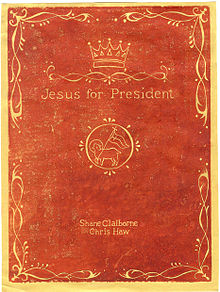 sort of wish the Anabaptist voice had a bit of the passion and prophetic edge of, say, Shane Claiborne’s Jesus for President: Politics for Ordinary Radicals (Zondervan; $16.99) and that the Roman Catholic scholar, alongside his good explanation of natural law, might have talked more energetically about the consistent life views of the US Bishops. Indeed, it was Smith who noticed that Professor Benestad didn’t talk at all about the historic reading of Pope Leo XIII’s famous Rerum Novarum that has lead Roman Catholics to be generally supportive of labor and labor unions. Smith observes, politely, that Benestad offers a “selective” reading of Catholic Social Teaching. And while Dr. Bruce Fields, the black theologian and professor, cited many great sources (such as Cheryl J. Sanders, Renita Weems, Cain Hope Felder, the essential J. Deotis Roberts, and Peter Paris) it would have been interesting to have this dialogue with somebody like a James Cone or Cornel West or someone more overtly connected to the historic civil rights movement. To put a better spin on my small frustration I can assure you that the book is exceedingly fair, civil, no-nonsense, studious and is hardly contentious at all.
Five Views on The Church and Politics is a fine introduction to key theological traditions, to trans-denominational conversations, and to various models and approaches to the big question of faith and culture, social change, politics and the common good. But, again, I think it is best seen as a guide to understanding and appreciating differences among the church, and becoming more alert and wise and in some ways appreciative of each other. We don’t have to – the authors of this book would probably say we don’t get to – make up our own rules or ideas about all this. We stand within a great (diverse) tradition and within the communion of saints; from within the big Body of Christ we can learn from each other and honor one another, even as we sometimes disagree with one another. This book is, therefore, as much about ecclesiology, about church and theology as it is about government, legislation, policy or politics. But it is an example of mature conversation, an invitation to join in learning more and broadening our views.
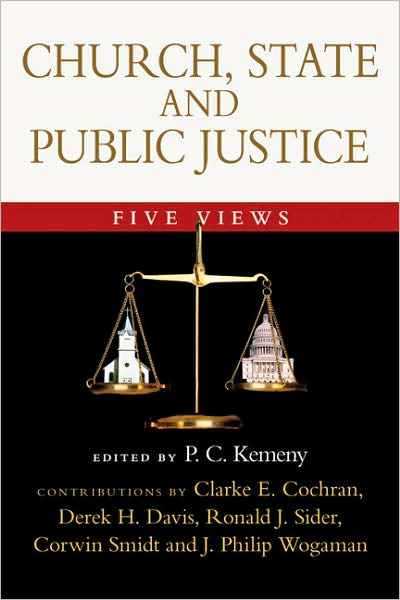 Compare and contrast this with another similar book I’ve often recommended, Church, State, and Public Justice: Five Views edited by P.C. Kemeny (IVP Academic; $20.00) which tends to be more about different Christian views of the state, how public justice is defined within different Christian schools of thought, and what sort of ways different traditions answer the question about how the government should (or shouldn’t) work to bring about a just social order. That book, too, offers five noted contributors who each offer a major chapter and then respond to the other four positions. It seems a bit more eager to jump to the political science, but is, like Dr. Black’s, delightfully broad and ecumenical. The five traditions represented in that book edited by Dr. Kemeny are a Roman Catholic perspective (written by a Roman Catholic political theorist, Clark Cochran), a Classical Separation perspective (written by a Southern Baptist attorney and liberal arts Dean from Baylor, Derek Davis), an Anabaptist perspective (written by Ron Sider, a Brethren scholar and political activist), a “Principled Pluralist” perspective (written by a Calvin College political science prof, political pollster, and board member of the Center for Public Justice, Corwin Smidt) and what seems to be a “realist” social justice perspective, written by a mainline Protestant social ethicist and Washington DC-based United Methodist pastor, J. Philip Wogaman.) Church, State, and Public Justice: Five Views edited by Professor Kemeny, is deeper, a bit more heady, not primarily written by theologians but by politicos, and is therefore exceptionally useful for those serious about thinking about political questions, as such. Perhaps it would be a good follow up to the broader, more theological approach taken in Black’s Five Views on The Church and Politics.
I like what Amy Black writes of her new Five Views on the Church and Politics collection, although it would serve to describe Kemeny’s work as well:
We have focused on these differences to help readers think more deeply about the dynamics of Christian witness in the public sphere and consider alternative perspectives. But the purpose of this book is not to convince readers they must choose a side as if in the midst of a raging debate. Instead, we invite readers to compare and contrast central ideas and themes from each tradition to help them develop a more thoughtful, careful, and Christ-centered approach to politics and government.
And that is an urgent need.
Because if you think the characters and politics and campaigning in The Good Wife is outrageously flamboyant, welcome to US politics in real time circa 2016. We who follow Jesus simply must be discerning and thoughtful about how we can most faithfully respond. But we don’t have to reinvent the wheel, or fret that we are the first to face times such as these. God’s people have been here before and people smarter then most of us have considered these things deeply. These books can help.
BookNotes
DISCOUNT
ANY ITEM MENTIONED
10% off
order here
takes you to the secure Hearts & Minds order form page
just tell us what you want
inquire here
if you have questions or need more information
just ask us what you want to know
Hearts & Minds 234 East Main Street Dallastown, PA 17313 717-246-3333
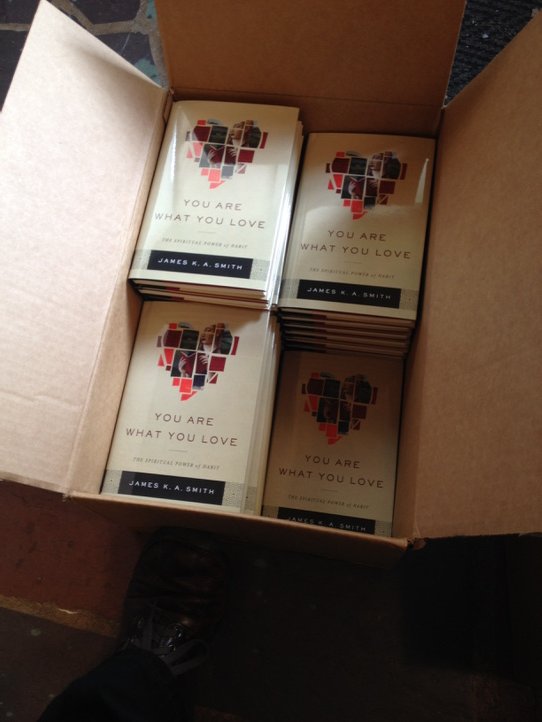 The new book by my friend Jamie Smith has arrived, and we couldn’t be happier. The endorsements on the cover of the nice hardback are stellar. It is doubtlessly one of the best books of the year. Read on.
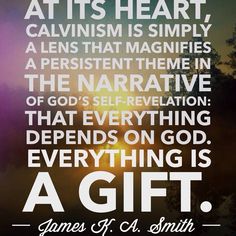
 laziness. This shifted the tone of our faith conversations and our understanding of discipleship towards a more culturally engaged and wholistic vision, a transforming vision. We started using the phrase world-and-life-view, shortened it to worldview and regularly explained how bad ideas (like the pagan Greek notion adopted from Plato by the early church of a big divide between the so-called secular and sacred and the subsequent general disregard for culture, work, the arts and sciences) could deform our discipleship and harm our witness in the world.
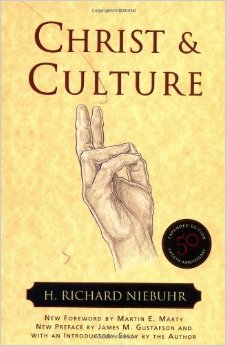
 ran with that taxonomy – dualists of the right were fundamentalists who despised culture; their faith often opposed Christian social concern, while more liberal dualists accommodated themselves to culture; the Reformed “Christ transforming culture” option gave us the most helpful posture: in but not of the world, eager to make a difference with holy relevance. As a book by Richard Mouw put it in those years we were “called to holy worldliness” and as another by Robert Webber put it we were to be “secular saints.” Some of my very best friends in the CCO wrote a book (now long out of print) called, simply, All of Life Redeemed.
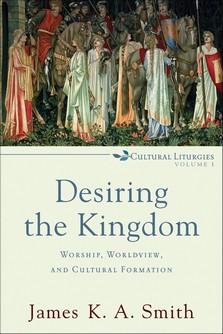
 (For the record, although beyond the scope of my overview of and run-up to Smith’s new book, I think this telling is somewhat overstated. Some odd-ball right-wing dominionists and some interested in evidentialist apologetics started using worldview language, but many who used it – from James Sire to Nancy Pearcey, Al Wolters to Sylvia Keesmaat, Mark Bertrand to NT Wright – mostly did not reduce the notion of a deeply held, often subconscious heart perspective, shaping how we “lean into life” as Sire put it, to mere ideas. Suggesting this is, in my view, a small mis-step made by Andy Crouch in his splendid Culture Making and it is a trope in Smith (especially in Desiring the Kingdom) that ought to be clarified somewhere along the line. In recent years, James Sire attempted to clarify the notion of worldview as a concept in a book called Naming the Elephant, which is worth reading. I’ve already cited in that previous BookNotes the collection about all this called After Worldview published by Dordt College Press. In any event, there is a huge difference between, say, James Olthius (and his 1985 Christian Scholars Review article “
 heavy conference – bracing, contested, important — on this very matter and a whole academic book was edited in 2008 by Neal DeRoo and Brian Lightbody dedicated to Smith’s views, The Logic of Incarnation: James K.A. Smith’s Critique of Postmodern Religion.) Walsh, Midddleton and Smith were not the only ones in evangelicalism to write favorably of postmodernism, but they were pioneering and prescient. They started to write more about the role of the heart and the imaginative stories that conscript us into visions of the good life. Perhaps we should talk more about stories and visions, and less about worldviews and ideas.
 My Skin: Unlearning the Racist Lessons of a Southern Childhood. Grimsley grew up in rural North Carolina, one of the students at one of the schools in the late 60s that were the first to become racially integrated. Without excessive flourish Grimsley described how he was born and bred to be a racist, by otherwise good people in his small, religious town. While most frowned on the public usage of the “n-word” (it was considered “course”) and several of the Klansman his parents knew were disrespected for their excessive violence, he, nonetheless, was unknowingly conscripted into a culture of white supremacy. The goal of his captivating memoir was to ponder how he, over time, “shed the skin” with which he was raised. How does one’s heart become taken with bigotry and how does one unlearn such disordered prejudices? Although the book is not heavy-handed, it seemed to me a spot-on parallel to one of Mr. Smith’s central arguments, namely, that we are not primarily or firstly “thinking things” and therefore, “thinking-thingism” (one of the very few clumsy phrases in the book) will not do if we desire to deepen our discipleship and live more consistently Christian lives.
 an (appropriate) structure/form from one arena (my pun intended) is inappropriately imported into another. That is, it is little wonder that those who grew up with “worship leaders” rocking out with lights and amps performing with cool affectations aping what they learned from rock stars for our consumption in worship experiences end up leaving a church if the musical stylings change or their favorite worship leader moves on. They’ve been taught – without any words but by the structures and forms and ethos and unspoken narratives, rituals, symbols – that worship is for me and an expression of my own heart and is to be taken in the same way I consume the experience of a big rock show. The “lessons” about what worship is and what it is about and how to participate have been “caught” no matter what is really taught. Even if a pastor or church school teacher verbally instructs more nuanced and proper views of worship, the ritual of how worship is experienced trumps. Smith’s dear letter in that book is much clearer and better written than my quick summary here and I commend it. It’s important for what it explores, but I mention it here as another example of the sorts of things that matter to him and that inspired YAWYL. We are not “brains on a stick” and our understandings of life usually are captured by stories and myths and values that are embedded in rituals, habit-forming liturgies.
 James

 I don’t know about you, but for many of us, the week before Easter is a time within time, a holy and meaningful time; I try to spend more time in solitude, the Lenten practices (some of which I do not keep well if at all) of spiritual reading, prayer, fasting, and mid-week church services are intensified. I hope you have a faith community that does a Maundy Thursday service, and that you take in Good Friday services. Experiencing in some way the flow and rhythm of Christ’s final week seems essential to our own being well grounded in the passion of Christ, our servant King.
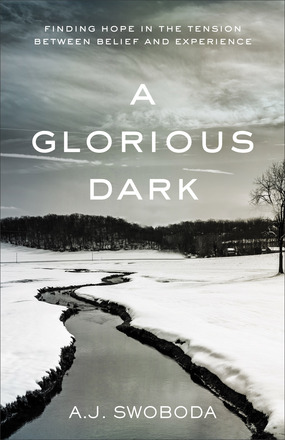 A Glorious Dark: Finding Hope in the Tension Between Belief and Experience A.J. Swoboda (Baker Books) $14.99 SALE PRICE $10.49
 The Undoing of Death Fleming Rutledge (Eerdmans) $22.00 OUR SALE PRICE $15.40
 The Seven Last Words from the Cross Fleming Rutledge (Eerdmans) $12.00 OUR SALE PRICE $8.40
 Between Midnight and Dawn: A Literary Guide to Prayer for Lent, Holy Week, and Eastertide compiled by Sarah Arthur (Paraclete Press) $18.99 SALE PRICE $13.29
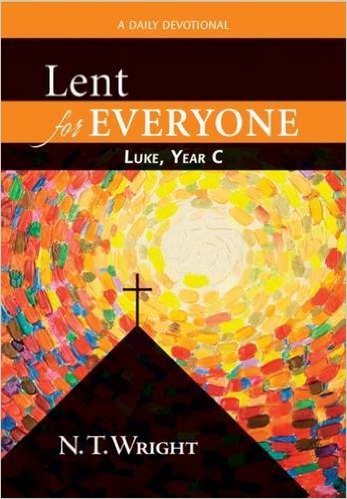 Lent for Everyone: Luke (Year C) N.T. Wright (Westminster/John Knox) $16.00 OUR SALE PRICE $11.20
 Prayers for Lent and Holy Week David N. Mosser (Abingdon) $12.00 OUR SALE PRICE $8.40
 The Garden, The Curtain and the Cross: The True Story of Why Jesus Died and Rose Again Carl Laferton, illustrated by Cataline Echeverrt (The Good Books Company) $14.99 OUR SALE PRICE $10.49
 The Story of Easter Mary Joslin illustrated by Alida Massari (Lion Press) $14.99 OUR SALE PRICE $10.49

 Love Kindness: Discover the Power of a Forgotten Christian Virtue Barry H. Corey (Tyndale) $15.99 When reading an advanced copy of Good Faith which I reviewed a week ago I noticed a footnote to this book that had not yet been released. Kinnaman and Lyons said very good things about it in that footnote and I made a mental note to be sure we had it on order. It came not long ago and, as I expected, it is remarkable. And it has Micah 6:8 printed on the back — the first verse I learned as a kid, my dad’s favorite. There are surprising blurbs on the back from David Wells, a serious-minded, no-nonsense and very careful thinker I great admire, a Distinguished Research Professor at Gordon Conwell, and a long, passionate endorsement by Miroslav Volf. These are impressive signs. Alistair Begg calls Love Kindness “a thought-provoking, heart-stirring challenge to consider kindness as a barometer of a grace-shaped life.” I know some very kind people and admire them. You do too. Maybe we need this book so we can be more like them. The author, by the way, has a PhD in education from Boston College, was a Fulbright scholar and worked with the landless poor in Bangladesh. This looks really, really rich.
 Letters to Jacob: Mostly About Prayer Fr. John-Julian (Paraclete Press) $7.99 This is a very, very small book and I intend to read it devotional here in the second half of Lent. Any title that alludes to Letters to Malcolm by C.S. Lewis, and says “ordinary mysticism” on the cover has to be good! And I hear it really is. Desmond Tutu has a rave on the front saying “Wise counsel for all on how to grow in that life of prayer and what pitfalls to avoid.”
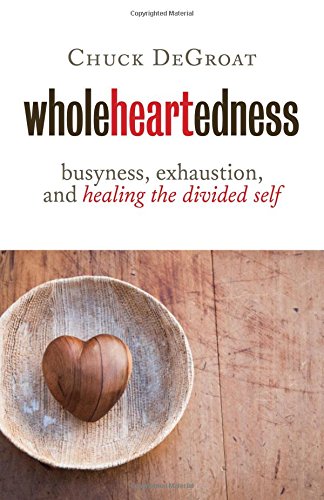 Wholeheartedness: Busyness, Exhaustion, and Healing the Divided Self Chuck DeGroat (Eerdmans) $15.00 We discovered DeGroat a while back, appreciated by many for his helping to found the Newbigin House of Studies in San Francisco, but who is now a prof of pastoral care at the RCA’s Western Theological Seminary in Holland Michigan and who also has a counseling practice. He wrote the wonderfully interesting and beautiful book called Leaving Egypt: Finding God in WIlderness Places and then a most helpful and very thoughtfulToughest People to Love: How to Understand, Lead, and Love the Difficult People in Your Life Including Yourself. This new one looks remarkable — just the footnotes alone show how wide of a reader DeGroat is, citing everybody from evangelical neuroscientist Curt Thompson to poet Mary Oliver, from David Letterman to Thomas Merton.
 Night Comes: Death, Imagination, and the Last Things Dale C. Allison, Jr. (Eerdmans) $18.00 A very, very smart friend of mine, a world-travelled, small-church Presbyterian pastor who is remarkably well read, has confided in me that Dale Allison is one of the smartest and most amazing people he’s ever met. Those of us that have heard him or worked with him know this is true: he is an eloquent and interesting writer, luminous at times, even. He has written major scholarly works, and a few probing, moving meditations, too (such as The Luminous Dusk: Finding God in the Deep Still Places.) Blurbs on the back of this new book include extravagant endorsements by John Burgess (Pittsburgh Theological Seminary), the deeply thoughtful Orthodox scholar and writer David Bentley Hart, and Thomas Long, the well known preacher and prof from Candler.
 Colors of Goodbye: A Memoir of Holding On, Letting Go
 Making All Things New: Inaugurated Eschatology for the Life of the Church Benjamin L. Gladd & Matthew S. Harmon (with a hefty introductory chapter by G.K. Beale) (Baker Academic) $19.99 Wow –this just came and it is asking a very, very important question. If we believe — as we’ve written about often, here, even in the last column which introduced the forthcoming James K.A. Smith book — that God’s Kingdom is in some ways now inaugurated, and that the “end times” of “all things new” and “creation restored” is breaking into history now in newness, well, how then shall we pastor? What should the shepherds to do prepare people for “now but not yet” sorts of lifestyles?
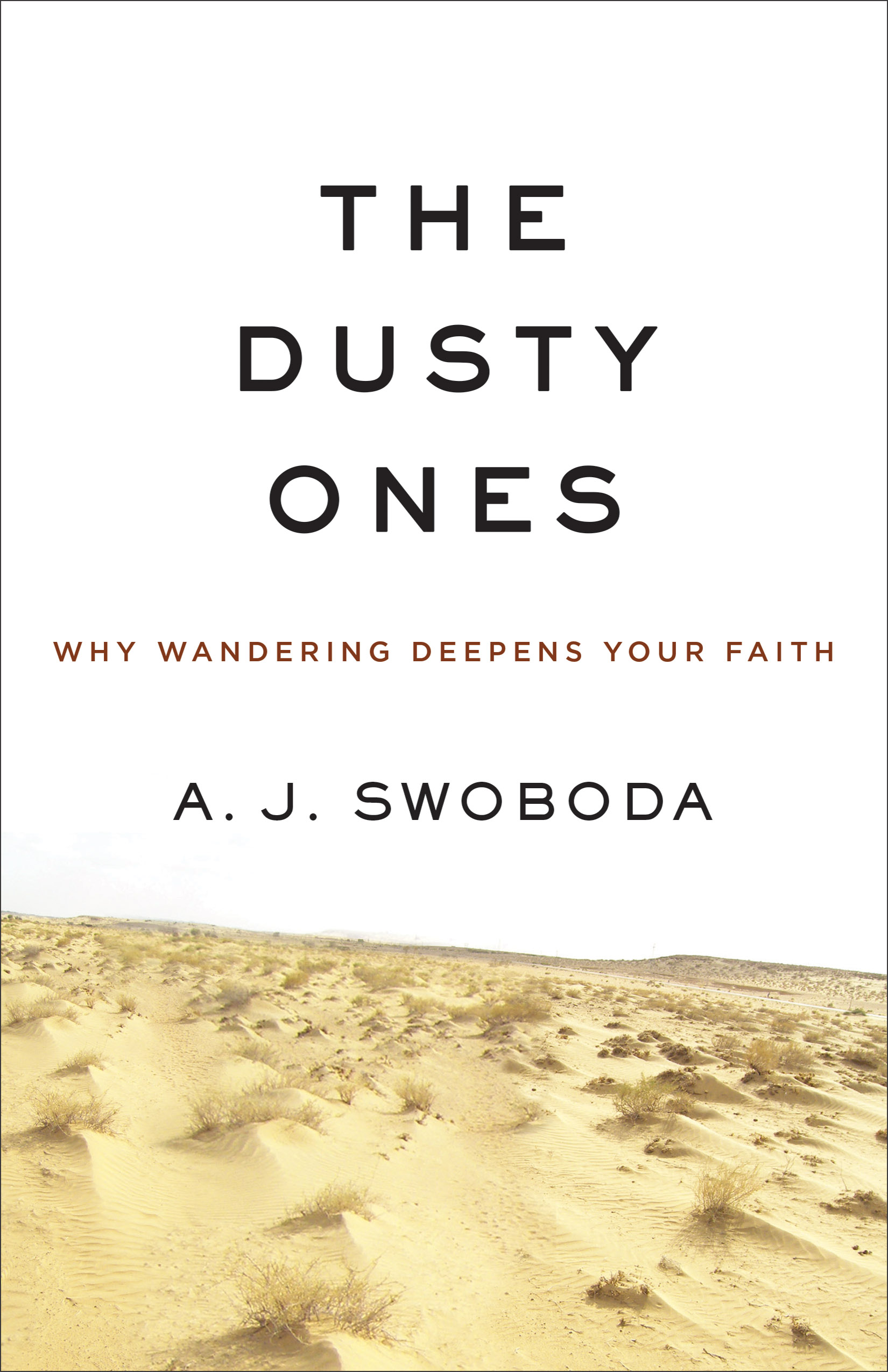 The Dusty Ones: Why Wandering Deepens Your Faith A.J. Swoboda (Baker) $15.99 Last year about this time I read A.J.s A Glorious Dark which reflects profoundly on the triduum — Good Friday, Holy Saturday, and Easter Sunday. Through his own study and sharing of pain and doubt and darkness and trust, that book moved me deeply and I will re-read it this Holy Week I am sure. (By the way, not only was Glorious Dark one of my favorite books of last year, he also co wrote the significant and commendable Evangelical Ecotheology.)
 One Dress. One Year. One Girl’s Stand Against Human Trafficking Bethany Winz with Susanna Foth Aughtmon (Baker) $12.99 Just earlier today I read of the awful slave ships from Thailand that do much of the commercial fishing that sells shrimp to Kroger, Wal-Mart, Whole Foods and Red Lobster. President Obama last month signed a bill to ban all seafood caught with slave labor, which rocked the Thai fishing industry — David Batstone at
 now in college at Trevecca Nazarene University), learned about some of this sort of stuff and just decided she had to do something. She tells us that she processes the world and what she learns by blogging and writing, and this fantastic new book emerged from her one-year experience of writing about a social experiment. Bethany determined to wear the same black dress (that she made, by the way) every day for a year to focus attention on the lack of choices people in modern-day slavery face and to raise money to help end human trafficking. It is fascinating to see what all happened to and through her in that year — her blog really was popular and she’s a fine young writer, so it makes great sense to know this is now out as a book.
 How to Be Here: A Guide to Creating a Life Worth Living Rob Bell (HarperOne) 25.99 Again, this is brand new and I haven’t spent more than a few minutes browsing through it. I can tell you two things, at least: even though the advanced buzz on this has been that Rob is seeing his own calling these days (at least in this book project and round of public speaking) as oriented to those outside of the church, doing what some dumbly used to call a “crossover” book, he is still clearly writing as a pastor, a person of faith, a media figure who is drawing people into the story of Jesus as revealed in the Bible. Agree or not with all that he does or says in this good goal getting folks to consider the Bible — how is that working for you in your own life, I’d ask before getting ugly in condemning Bell for sounding less evangelical than he once did, by the way — he does cite the Bible and Christian theologians in this volume. He has not lost his faith or gone “secular” (certainly, not: this is a guy who did a bar and rock venue tour doing a lecture called “Everything is Religious.”) He cites St. Ephraim the Syrian and Dorothy Sayers and Cornelius Plantinga (yes, Engaging God’s World!) and Charles Foster, all right next to Rumi the poet and Abraham Heschel the prophet, Elizabeth Gilbert — he loves, as he should, her recent book on creativity called Big Magic — and the podcast comedian Pete Holmes, not to mention the fun band Jimmy Eats World, who I think he’s quoted before.
 Revelation: A Search for Faith in a Violent Religious World Dennis Covington (Little Brown) $26.00 Okay, I announced this a week ago in a listing, not unlike this one, of brand new titles I wanted to tell you about but had not yet read. I stayed glued to a chair or a bed or another chair for hours on end over the weekend and finished this in one huge gulp or two. As I expected it blew me away and I now really want to tell you about it.


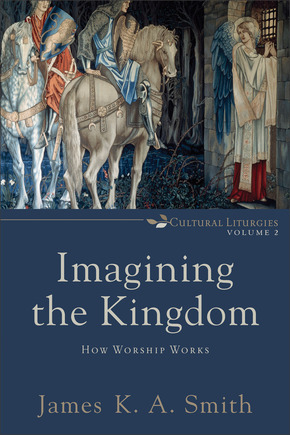
 I want to ease into a review of James K.A. Smith’s important new book, a book that I am very, very impressed with, and found to be a joy and of great value, the much-anticipated You Are What You Love: The Spiritual Power of Habit just about to be published by Brazos Press ($19.99.) It will be shipping shortly and we will have it on sale at $17.99 very soon.
 called a “Perspectives Class” that we got from Toronto’s
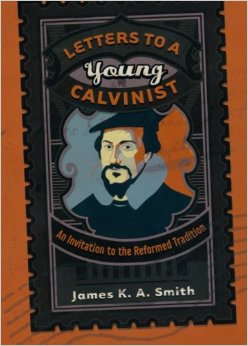 stock, or his more specific introduction to gracious, broad Kuyperian themes — and Augustinian as well — in his set of lovely pastoral letters to young Reformed Christians called Letters to a Young Calvinist: An Invitation to the Reformed Tradition (Brazos Press; $14.99.) I once (okay more than once) quipped that that particular little book might be subtitled “moving from Piper to Kuyper.”
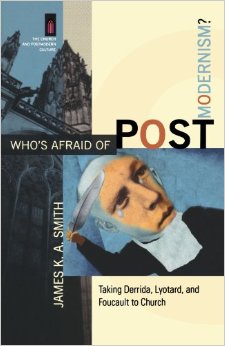 like James Olthius as they began to dig deep into postmodern philosophy. Think of Smith’s own important little book, based on lectures given at L’Abri, called Who’s Afraid of Postmodernism: Taking Derrida, Lyotard and Foucault to Church (Baker Academic; $19.99.) These and his other books on postmodernism do not drift off into weird radical theology or the slippery trendiness of some in the emerging church conversations, yet give a rousing call for historically orthodox believers to engage and in some ways embrace insights from continental philosophy. Which surely includes rejecting the straight-jacket of faith in autonomous reason that seems so prevalent in many theological circles and, he might say, distorted some of our best theological traditions.

 unpacking book boxes from the huge

 Thank you for joining this far-flung reading community, being a part of the on-going conversations, even of breaking down old walls (oh, between, just for instance) mainline denominational church folks and para-church ministries, between liturgical traditions and more free-spirited charismatics, between progressives and missionals and evangelicals. Jubilee and the Taylor University events both bore witness to ethnic, racial diversity, with women and men from a variety of faith traditions pointing us towards a generous orthodoxy and inviting lived practices that are informed by Biblical and theological reflection and not civil religion or old school dogma.
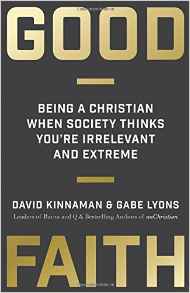 Good Faith: Being a Christian When Society Thinks You’re Irrelevant and Extreme David Kinnaman & Gabe Lyons (Baker Books) $19.99
 young adults tended to think about the Christian faith and American church life, a useful book called unChristian:

 The Next Christians: Seven Ways You Can Live the Gospel and Restore the World Gabe Lyons (Multnomah Books) $15.99 The first third of this explores the demise of the end of American civil religion and Christendom, and offers a four-chapter-Biblical story that is more helpful then the typical dualistic fare, and the last two thirds offers seven key areas where the rising generations of Christians are leading the way to fresh practices across various spheres of life. I really, really like it and recommend it often.
 Public Faith: How Followers of Christ Should Serve the Common Good Miroslav Volf (Baker) $18.99 I am honored to have a blurb on the back of this, exclaiming how much I appreciated it. It is about more than politics as such, and argues for a robust commitment to the common good. Very thoughtful, very impressive.
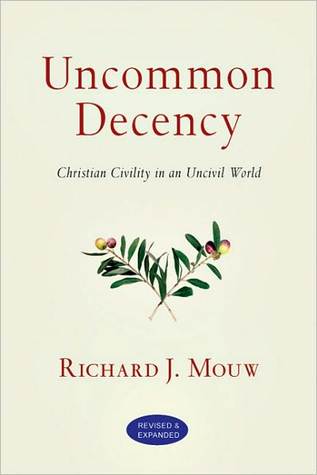 Uncommon Decency: Christian Civility in an Uncivil World Richard Mouw (IVP) $16.00 I am not alone in suggesting this is one of my all-time favorite books. It is nicely written, very thoughtful, and helps us be honest about any number of quandaries and challenges in showing “convicted civility.” I know you know it is one of the most needed topics these days. Please, please, please, help us get this book into the hands of those who most need it, which, these days, is just about all of us. That last thing we need now is a loud-mouthed and rude critique of the loud-mouthed and rude. Mouw can help.
 The Political Disciple: A Theology of Public Life Vincent Bacote (Zondervan) $11.99 You may recall that we hosted Dr. Bacote at a lectureship we sponsor in Pittsburgh each summer, and we promoted this little book with great joy. It is part of a four-book series of “ordinary theology” and is maybe the best, most balanced, short book on public theology. Bacote has served on the Board of the sophisticated Center for Public Justice in their efforts to offer a non-partisan framework for political life (drawing, among other things, the serious social philosophy of Abraham Kuyper.) Bacote gives us very accessible intro to public theology and Christian views of civic life.
 Flourishing: Why We Need Religion in a Globalized World Miroslav Volf (Yale University Press) $28.00 This is a major, new, academic volume, making a case that religion is important, even in the modern, global world. Volf is an important author; as he wrote with such acute insight in Exclusion and Embrace, his own experiences in the violent context of the Serbo-Croatian war has given him great sensitivity to God’s call to be a peacemaker amidst inter-faith conflict. This is going to be a very important contribution, especially in a globalized culture where
 Reconciling All Things: A Christian Vision for Justice, Peace and Healing Emmanuel Katongole and Chris Rice (IVP) $17.00 This is the first book in a wonderful multi-volume series from the Duke Divinity School’s Center for Reconciliation, published in partnership with InterVarsity Press. It is a fabulous, refreshing, inspiring book co-written by a global scholar and a US activist. Oh my, if only we would embrace this big vision of God’s reconciling work in all creation and see ourselves as agents of that restoration mission. Their tone and insight and passion would have been a nice addition to the good faith project of Gabe & David. This book (and the others in the set) are remarkable and important. This one, at least, should be on your shelf and in your conversations.
 The Way of Love: Recovering the Heart of Christianity Norman Wirzba (HarperOne) $25.99 This is brand new and I am very pleased to announce it. I’m eager to see how Wirzba writes about this chief Christian virtue and how he applies it to our strained cultural situation. I trust you know his name – we awarded his most previous Baker Academic Press book, From Nature to Creation:
 Scars Across Humanity: Understanding Violence Against Women Elaine Storkey (Cascade) $16.00 When I think of good faith Christian leaders who have done some of what Kinnaman and Lyons call us to — living radically and yet winsomely in the public square — I think of the UK scholar, activist, writer, Elaine Storkey (and, while we are at it, her thoughtful husband, Alan, author of Jesus and Politics.) I admire the broad and sophisticated work of many British evangelicals who seem to have avoided the polarizing rhetoric of the US Christian right and seem to be taken seriously even by secular authorities and agencies. (Elaine directed the Tear Fund for more than a decade and garnered international respect.) In this book, Elaine offers a very detailed, sophisticated and rather rare study of the crisis of how women are mistreated — as it is manifested throughout the world. From domestic violence in the so-called developed world to global concerns such as female genital mutilation or honor killings in the sub-continent or enforced under-age marriage, she brings a Biblically-informed Christian social theory and faith-based feminism to bear, exposing and offering proposals to reform complex patterns of injustice and abuse.


 It’s Not Too Late: The Essential Part You Play in Shaping Your Teen’s Faith Dan Dupee (Baker Books) $15.99
 As I’ve said, Dan Dupee is a good friend and a person I admire greatly. I’ll happily admit that I’m biased: Beth and I know Dan and his wife, Carol, and some of his kids, too, themselves now college students or graduates. Dan is the past President of our beloved campus ministry organization, the CCO (Coalition for Christian Outreach) for which we used to work and still serve as Associate Staff and bookseller for the organization.

 The big Jubilee conference in Pittsburgh is over (except for putting away all the unsold books – thousands and thousands. Yikes!) We thank you for your prayers and encouragement; we were stressed and aching from all the mental work of curating the selections and from the physical labor of lugging the boxes and in the middle of the chaos of setting up last Thursday and Friday we almost wanted to walk away and give up. Our staff back at the store worked really hard getting us there and our CCO friends out in Pittsburgh are so supportive, and a number of good folks volunteered yet again this year. (Chris Carson and his Jubby team are always so good directing this big gig geared to college students. some of our boxes and a list of categories
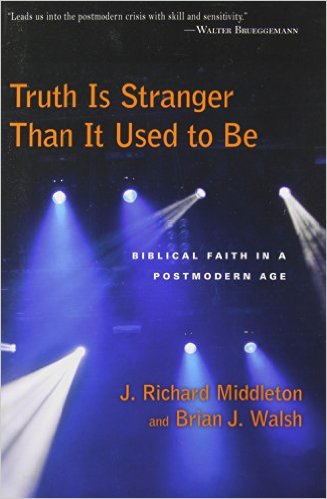
 up conference classics like Al Wolter’s Creation Regained: The Biblical Basis for a Reformational Worldview or The Call: Finding and Fulfilling Your Life’s Purpose by Os Guinness, Truth Is Stranger Than It Used to Be: Biblical Faith in a Postmodern Age (the provocative sequel to an older Jubilee classic, Transforming Vision by Brian Walsh & Richard Middleton) or our Book of the Year a year or so ago, Visions of Vocation: Common Grace for the Common Good by former Jubilee conference director Steve Garber. Or try something by N.T. Wright, such as his accessible Simply Good News or
 convinced is transformational once folks grasp it.
 and their ministry. Tom and some of his congregants have been to Jubilee in past years, by the way. Or, recall my review a month or so ago of Radical Sending: Go To Love and Serve by Demi Prentiss & J. Fletcher Lowe, two Episcopalian authors who invite mainline parishes to think about work, calling, vocation, the missio dei, and how congregations can facilitate ordinary folks serving God in their work-a-day lives. As the conference slogan declared a few years ago, “this changes everything!”
 Create vs. Copy: Embrace Change, Ignite Creativity, Break Through with Imagination Ken Wytsma (Moody Collective) $14.99 Jubilee has, some years, and certainly this year, a strong message of inviting folks to be innovators, cultural entrepreneurs. Friday night opened with a Biblical reflection on the goodness of creation, of all the potential God has packed in to this abundant world, and how, made in the Holy Triune One’s image, humans can make stuff. (Do you remember how I reviewed last summer a groovy book called Jesus, Bread, Chocolate by John J. Thompson? It is about what some call “maker” culture, the DIY trend fighting mass marketing and mass consumption and offering instead creative, authentic, artful and often local, sustainable lifestyle choices. I think of this now as it is a nice, practical, fun way into conversations about what it means to be creative, imaging God in an age stuck with the idols of economism and technicism, to use the language of Transforming Vision.) Anyway, Ken Wytsma is an amazing writer, a leader who seemed to come out of nowhere (I know that isn’t so; he’s obviously paid big dues) when he founded exceptional, huge, nationally-known The Justice Conference a few years back and followed it up with his flagship book Pursuing Justice. His second book was called The Paradox of Faith and it had a rave, rave endorsement by philosopher Nicholas Wolterstorff which immediately caught my attention. What a thinker, what a writer, blending smart, good stuff in an accessible, interesting style.
 The Justice Calling: Where Passion Meets Perseverance Bethany Hanke Hoang & Kristen Deede Johnson (Brazos) $19.99 What a thrill to help launch this brand new, very handsome hardback book at #Jubilee2016. Bethany has been to Jubilee before and her role this year as a workshop leader was exceedingly important – she basically did a serious-minded Bible study, explaining the Biblical and theological foundation for working for social change. Her MDiv is from Princeton and she continues to work with the premier anti-trafficking organization, IJM (International Justice Mission) where she directs the Institute for Biblical Justice. Her vibrant co-author is associate professor of theology and Christian formation at Western Theological Seminary in Holland Michigan. While a prof at the nearby Hope College (a Reformed Church in America college) she helped create a program dedicated to upholding the significance of theological formation, spiritual growth, cultural engagement, and vocational discernment. Which is to say both women are exceptionally well-schooled and committed to educating for lasting, formational transformation in learners so that they might be the kind of people who are empowered to be healthy activists in church and world. They understand the big flow of the Scriptures, the story, as we say, and place God’s relentless call to do justice in that context. Andy Crouch has called it “a deep, wide, wise contribution to a truly comprehensive Christian understanding of Justice” and says, “I can’t imagine a better biblical and theological introduction to the topic of justice.”
 Strong and Weak: Embracing a Life Full of Love, Risk, and True Flourishing (Andy Crouch) $20.00 We have announced this previously, inviting people to pre-order it from us, and we are thrilled to report that the book has shipped out to stores and that we had it at Jubilee – right from the printing press to the convention center in Pittsburgh. Andy has been very supportive of Jubilee over the years and although he wasn’t there this year, Strong and Weak was almost the top seller there. (We sold more of Good Faith by Gabe Lyon and David Kinnamon we we had a supply of for the event; they were both there so that was expected. And we are taking orders for it, since we cannot sell it here in the shop until the national release date, March 1st.) That Andy’s new book was of such interest illustrated not only that he’s an important writer whose name people know, but that the topic – power, vulnerability, leadership, authentic human and cultural flourishing – resonates. In a way it is a sequel to the very, very important Playing God: Redeeming the Gift of Power (which, in turn, follow-ed up quite nicely his classic and exceedingly significant Culture Making: Recovering Our Creative Calling.)
 The Future of Our Faith: An Intergenerational Conversation on Critical Issues Facing the Church Ronald J. Sider & Ben Lowe (Brazos) $18.99 What a book! On the heels of #Jubilee2016 this is perfect for me, since the conversations within circle around a huge question for many of us: what is the future of the evangelical movement, in what ways do the rising Christian leaders see things similarly or differently than older church leaders, and what are the burning issues pressing on us now, and looming on the horizon. Sider, as I hope you know, is one of our favorite gentleman and authors; he is impeccable theologically and holds to fairly conventional historic, orthodox doctrine, even if he has a reputation for being a progressive advocate of peace and justice causes. (And even in his robust calls for simple living and creation care and nonviolence and racial justice and such, he is deeply Biblical and theologically sound.) Ron has been a mentor to me from afar and has been a long-standing friend of Hearts & Minds. He is the founder and president emeritus of Evangelicals for Social Action.
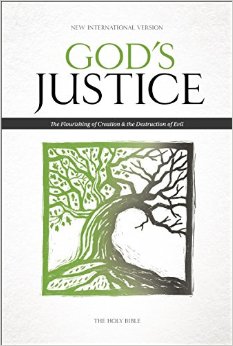 NIV God’s Justice Bible: The Flourishing of Creation & the Destruction of Evil (Zondervan) $39.99 There have been a handful of niche market Bibles that have come out in recent years — The Green Bible in the NRSV has, rather than certain verses in red letters, texts in green, all the passages about creation and creation-care. There is the Poverty and Justice Bible which is designed with craft paper and has sidebars about poverty, naturally. There are men’s and women’s and leadership and Holy Spirit Bibles. We don’t really like most of them very much (although the “green letter” is a pretty neat idea.) We are not so sure that shoe-horning texts into a pre-determined theme or offering sidebars and devotionals that may be fine content, but linked to texts with dubious interpretation, well, it’s just not the best way to read the Bible.

 Forty years ago — I was just 22 years old — I worked for the Coalition for Christian Outreach (now branded the CCO) and I witnessed the evolution (or perhaps I should call it a reformation) of a exciting and flexible evangelical para-church campus evangelistic organization growing into a wholistic ministry that took some of its cues from that famous cry of Abraham Kuyper, the 19th century Dutch Reformed theologian, statesman, and civic leader about Christ’s redemption encompassing “every square inch of creation.”
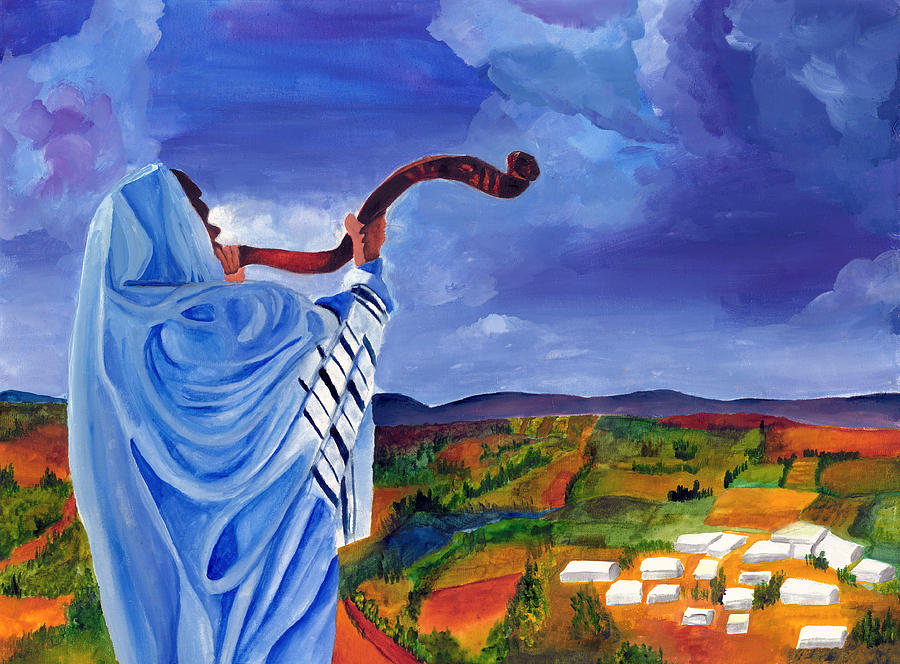 Artwork from the blog of Chris Melanie Thompson.
 We need books to give us insight about what it might mean to be faithful followers of Jesus, to live out the implications of the Kingship of Christ, in a pluralistic, secularized, post-Christian culture, across every zone of life.
 I hope you indulge me to remind you that we here at Hearts & Minds have books — unlike most Christian bookstores, or so we have been told — on art, science, business, politics, urban design, architecture, gender studies, counseling, education, engineering, environmental science, philosophy, sociology, sports, dance, media, film, business, video gaming,economics, legal theories, and on and on.
 You’ll enjoy and be inspired to see the speakers — from student leaders (an international undergrad who, inspired by her evangelical faith, started what has become the largest organization for Mongolian students in North America!) to some famous authors. Gabe Lyon and David Kinnaman will be talking about their soon to be released book Good Faith, which we will have there.
 Yes, I have the great, great privilege of speaking Sunday morning at Jubilee 2016. I’m not sure if a conference speaker should be called a preacher, but, with God’s help, I’m going to bring it. I’ll be inviting folks to big hope, to understand a bit about the restoration of creation that is the ultimate hope of those of us who believe Christ’s Kingship is truly coming “on earth as it is in heaven.” End times details aside, I’ll be inviting folks to live into this dream of a better world, taking up visions of vocation that last, bearing witness to what we most deeply believe. All things (re)newed. Every. Square. Inch. Maranatha.

 years mentoring adults moving out of college and into their post-college young adult years. As she honed her insights for this newer generation of rising adults, equipping them to make the transition well, she needed to revise and expand her classic, one-of-a-kind After College book. This bright new edition came out not long ago and we have a big stack here — on sale! — for your ordering pleasure. Her newly revised edition of After College goes usually for $18.00 but we have it at 20% off. Scroll down to the bottom of this column and click on the order tab which will take you to our secure order form at our Hearts & Minds website. Thanks.
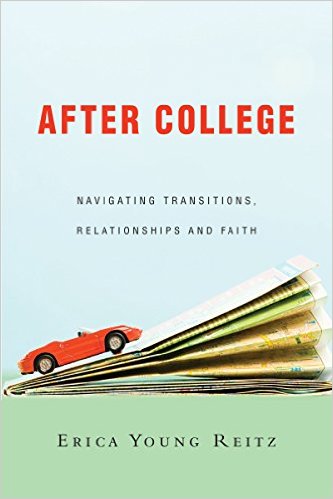 After College: Navigating Transitions, Relationships and Faith by Erica Young Reitz (IVP) $16.00
 And, yes, you may recall, we drew upon her good storytelling, sensible vision, and practical experience to offer a down-to-Earth epilogue for my own book, Serious Dreams: Bold Ideas for the Rest of Your Life. A number of folks said they enjoyed her brief piece there as much as the larger and perhaps more serious contributions by famous speakers, authors, and Christian thought-leaders. I was honored that she was willing to craft that afterword for my book, and now I’m delighted — thrilled, really — to tell you about her own book. It came out the first week of August 2016 and, along with Serious Dreams (naturally) it will be one of the essential books for college graduates.
