
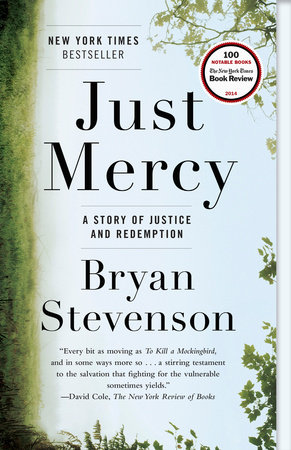
 Many BookNotes readers and Hearts & Minds customers know of my great, great appreciation for legal aid advocate Bryan Stevenson and his spectacular book Just Mercy: A Story of Justice and Redemption (Spiegel & Grau; $28.00.) We named it one of the Best Books of 2014, offered links to interviews and TED talks, (bragged that he came out of Eastern University and that he spoke at Jubilee in Pittsburgh.) We’ve promoted it most places we’ve gone the last half a year, and sometimes have read out loud Desmond Tutu’s endorsement exclaiming how thrilling the book was to read, and how important. Regarding the stories of flagrant legal injustices, often racially-tinged, that are so well told in Just Mercy and Mr. Stevenson’s persistent and faithful advocacy, to achieve criminal justice for poor folks, the mentally impaired, children, even, Tutu declares what hangs in the balance: “Nothing less than the soul of a great nation.”
 More readable, I think, than the definitive and compelling The New Jim Crow: Mass Incarceration in an Age of Colorblindness by Michelle Alexander (The New Press; $19.95) Just Mercy stands alongside her work as a must read for anyone wanting to understand racial tensions, crime and punishment in our age.
You know we appreciate these two, as we’ve said it before.
Well, a few months ago the same prestigious publisher who released Just Mercy, Spiegel & Grau, released another stunning work, now surely another must-read book on similar, related themes. I didn’t think it was possible, but this one is even more riveting and page-turning than Just Mercy. And it is a bit more complicated, with a bit more going on. But one thing that is clear: there are racial dimensions to the large numbers of black men killed in American and it is astonishing we don’t talk about it much.
GhettoSide: A True Story of Murder in America Jill Leovy (Spiegel & Grau) $28.00
 GhettoSide: A True Story of Murder in America was written over many years of detailed research by Jill Leovy, an award-winning reporter for the Los Angeles Times who certainly deserves acclaim and honor for her extra-ordinary work documenting how mostly black-on-black murders in Compton and other parts of South L.A. are investigated and prosecuted. I would suggest that if anyone wants to understand episodes such as the uprising in Ferguson MO or the riots in Baltimore, the recent national conversation about community policing, or, for that matter, if one wants to understand the real life work of criminal investigation and gritty urban police work (beyond Law and Order or Blue Bloods) this is the book to read. In fact, if you like those popular police shows, you will love this book.
I’ve been wanting to tell our readers more about this incredible work for months, now (I had already described it briefly when it first came out) waiting both for my own ability to process it all and describe it with something approximating what it deserves, and for the best time to do so, in terms of current events and recent controversies. I must admit that the tragedy in Baltimore – the murder of Freddy Gray, the riots, the arrests of the police officers, and the stressful rounds of comments and arguments on-line that followed, made me not so sure I wanted to share a review at that time. I didn’t want to add to the noise, and I didn’t want the book to be ignored or have BookNotes readers connect it too closely to those events. It is such a good read, such a valuable story, and I have been waiting for the right time to tell about it, but, now, can’t wait any longer.
EPIDEMIC OF VIOLENCE vs JOHN SKAGGS
Here is the short version of what this book is about. In great detail and prose that at times is nearly luminous, Ms. Leovy explains the horrors of inner city crime (most often gang related) and the subsequent police investigations and prosecution of the crimes. (Or, notably, the lack of such investigation and prosecution.) On the front of the book, in stark white letters on a striking black cover, it says “Someone is killed nearly every day in Los Angeles County, murders mostly unnoticed by the city at large – and likely to remain unsolved by the police. The killing of Bryant Tennelle seemed destined to share that fate, until the case was assigned to John Skaggs, a relentless detective of unusual gifts whose investigation reveals much about the epidemic of American homicide and how it can be stopped.”
Yes, that is exactly what it is about, and — whew! — what a long, strange trip it is. Buckle your seat belts and get on board; this train is one you don’t want to miss.
Ghettoside is set in the worst years of the violence in Compton, more than a decade ago, now, statistics about which are breathtakingly bad. I know a bit and have read a lot about urban issues, and I was riveted, knocked back at times, shocked by how bad the situation was. With more deaths each week than in most of our modern wars, why aren’t the crimes known and why aren’t the perps tracked down and brought to justice? This is a huge, complex question. The book maintains that “where the criminal justice system fails to respond vigorously to violent injury and death, homicide becomes endemic.”
In other words, the failure of mostly white police forces to prosecute gang violence (and coupled with para-militarized anti-drug campaigns and policing strategies that provoke more than protect) left a huge gap in urban centers. Black on black violence, as it is sometimes described, occurred in the power vacuum left by the failures of adequate, effective policing and stable institutions of law and of order.
Of course there are huge, complicated and reasons for this vexing abdication of duty. Because this book is written like a true crime thriller, by an excellent journalist at the top of her craft, we learn about big policy matters by way of real stories, real people, real scenarios. As such the book is captivating, and compelling, leaving this reader in tears, sometimes in outrage, shaking his head, smacking his fist against the table, reaching for the tissues.
And I was amazed by the unusual, fiercely dedicated John Skaggs. (More on him in a bit.)
So, so much is so very complicated in this real, fallen world. (Fallen may be the theological word we use to describe the distortion and dysfunctions wrought by sin; many of the characters in Ghettoside would use a different f-word, expressing the same awareness with unsanitized anguish.) From page to page we learn just how broken things are.
DETAILS. MOVING, COMPLICATED DETAILS
Just for instance, when a young boy has part of his head blown off by a drive by shooting – perhaps intentional, perhaps due to a mistaken identity – the scene must be secured by yellow police tape so that forensics scientists can do their work, gathering evidence, bone and blood and bullets. (You’ve seen CSI, no doubt.) However, understandably, in crowded urban centers, aunts and mothers, siblings and lovers gather, sometimes before the police do, to mourn, to share tenderness and grief, and to express outrage. When such murders are nearly common-place rituals and means of mourning develop and outrage is severe, with anger often expressed against the law enforcers who seem to fail, and who most likely will not put much effort into solving this particular crime. If police disrupt the communal grief, try to pull the mother off the body, try to secure the forensics integrity of the crime scene, they are seen as brutes. (And, according to Leovy’s careful research and reporting, they sometimes are., but not always.) However, if the investigators are culturally sensitive or allow the body to be disturbed or removed, it is inevitable they will lose time and evidence. Homicide detectives even have a name for this routine problem of loved ones pulling the deceased away from the scene of the crime, forbidding police – who they do not trust – access, seemingly not aware that they are hindering whatever effort the police may want to expend gathering evidence. The police are harassed and threatened and the initial moments of the investigation are sometimes dangerous, bordering on pandemonium, with anguish and mistrust and more violence breaking out, understandably demoralizing the investigators who seem themselves as trying to help. These investigators may be Latino or black, themselves, although they are often white, and the complexities of class and culture are pressing, even at the start of any given crime’s investigation. And there were sometimes several a day in those years. Reading this was beyond sobering.
Prosecution of inner city gang-related or drug-related crime becomes problematic as well — as we’ve seen on the TV shows, similar, too, to the Mob stories — when eye-witnesses are resistant to speak to the police out of real fear of being targeted for revenge. Again, this is complicated as many urban youth have been demeaned and even harmed by police, so when some investigators surely mean well, and cooperation with them would be in the interest of the neighborhood’s safety, there is still mistrust, deep and profound and lasting. Add to this the fear that the brutal enforcers of the harsh drug lords or uber-loyal gang members threaten the families of the witnesses in the most grotesque ways imaginable, the police investigation is exceedingly, overwhelmingly, difficult. Some rookie cops can’t even imagine why good people won’t cooperate. Others understand.
The first part of this moving work is called “The Plague” which is an overt reference to Camus’ famous novel. (And I thought that the futility of The Myth of Sisyphus would have worked as well.)
But yet, the police soldier on, and Leovy tells — with utter sympathy for the crisis of the neighborhoods, the urban downtrodden, the poor and fearful, the good, bad, and the ugly, the kids and the moms — the story of the often valiant efforts of a few expert detectives to pursue justice.
And this is the heart of the story, good cops trying to do their jobs well, nearly against all odds.
Like the Law and Order episodes there are two parts to every story. There is the true crime investigation (and oh, how Leovy captures the street cops, the homicide detectives, the chiefs and administrators struggling with policy and funding and management) and then there is the lawyering — the courts, the public defenders, the judges, sentencing, prisons. Although the book’s focus is more on the former, there is a bit of the latter as well.
HONEST AND GENEROUS
In what seems to me a passionately honest and yet generous eye, Leovy sees and tells the truth about all sides, the different facets and factors, the different people and their stories, their lives and their circumstances, colorful and poignant as they often are. She captures with vibrant prose the nature of inner city street life, the housing projects, the houses and lawns and alleys, the charm and goodness as well as the drugs and violence. She understands inner city lifestyles, the people of many ethnicities that live in the many neighborhoods that make up South Los Angeles County, and with such good writing helps us feel like we understand the nuances and difference between this avenue and that block, between the Crips and the Bloods, the druggies and the preachers and social workers and prostitutes and more. And yet, the book, set in Compton and about urban homicide, is a bigger story, finally about police work, the vocation of being a detective, and the “lucid social critique” she makes about it all.
Listen to the notable writer Martin Amis,
Jill Leovy writes with exceptional sharpness and tautness, and her pages glow and glitter with the found poetry of the street. This book will take an honored place on the shelf that includes David Simon’s classic Homicide and Michelle Alexander’s explosive study of mass incarceration, The New Jim Crow.
Or, listen to these amazing words of Michael Connelly,
Ghettoside is fantastic. It does what the best narrative nonfiction does: It transcends its subject by taking one person’s journey and making it all our journeys. That’s what makes this not just a gritty, heart-wrenching, and telling book, but an important one. From the patrol copy to the president, everyone needs to read this book.
So, yes, this is the kind of book we feel compelled to promote, and hope you will consider recommending it to your book club, or getting it for your own summer reading.
BRAVE
One reviewer said it was the bravest book bout race and crime he ever saw. I saw that comment before I started the book, and wasn’t sure what it implied. You must read the book yourself to discern if it is true, but Dan Baum (author of Nine Lives) says it is “a thoroughly engrossing true-life policier full of vivid and sympathetic characters, but also the bravest book about race and crime I’ve ever read.”
Ghettoside: A True Story of Murder in America is an amazing book. I’ve suggested that it is important because of how it shows the pain and dignity of the urban poor, gang kids, addicts and street people as well as more ordinary folks trying to live normal lives in dense urban settings. And it shows the pain and dignity of cops and detectives and all sorts of police workers; even if you don’t like detective stories, this is a great read to show this side of this profession. Many of us have opinions about race and crime and city strife and law enforcement – some expressed with great passion, even in posters and sloganeering on line – and it seems to me that our viewpoints ought to be shaped by this sort of reporting. (Do you disagree?) Whether you see yourself as basically liberal or conservative on these kinds of things, whether you try to have understanding for the uprisings in the cities or whether you a revolted by the protests, and think we should just always support our officers in blue, I hope you will agree that we simply must know what really goes on, in the streets and in the precinct headquarters and the squad cars. This book is the best I’ve read on this, the most important book on urban problems I’ve ever seen.
POLITICAL ISSUES
(Although grand policy questions aren’t the primary topic, one learns about how the headquarters in certain precincts in LA County were woefully underfunded, how dumb management foibles of this or that chief had huge impact on how crimes are investigated and adjudicated. Not unlike Jonathan Kozol’s blazing critique of what he calls “savage inequalities” (the way some school districts are well funded and others horribly underfunded and how these disparities are drawn around color lines) Ghettoside exposes some truly unjust institutional issues. From funding to training to administration, inner city cops are working with great needs and woeful support and some of that is political. The decisions of Mayors and State and even Federal legislation have repercussions on the ground. Savage inequalities, again. Unbelievable that some police have (well, these days, tanks and grenade launchers) and these police in Watts don’t even have paper and pencils!)
VOCATION, CALLING AND LEARNING BEST PRACTICES
There is another reason why some BookNotes readers will want to pay attention to this moving, gripping book. There is a matter explored, almost as a sub-theme, examined on some pages quite directly, and sometimes nearly between the lines. There is, in Ghettoside, an inspiring exploration of how one or two effective detectives researched, investigated and doggedly pursued the best practices of their craft and wouldn’t give up as they learned how to better serve with success. I can count on one hand the number of well written books like this that explore what it means to see one’s career as a calling, a vocation, and what it means to learn, over time, the best practices of a craft so they become almost supernaturally second nature.
Detective John Skaggs is the primary hero here, not only for his diligence and integrity and passion, but because he learned what worked in his line of work, what little thing matters, what didn’t. One can use that phrase – best practices – but it seems to be a rare few who have inhabited their jobs so intentionally, the have attended to the literal use of their bodies and minds and habits and time, have developed the “body memory” of what works, how to do daily stuff, making them outstanding in their fields. Skaggs is that kind of a person, and his own career’s path — trying to train others in how to do these herculean tasks with sensitivity and effectiveness, his mentoring another in the art of urban criminal investigations — is itself a major part of this story.
VOCATIONAL INTEGRITY, MENTORING OTHERS
And, it raises the question: can those who are great at what they do (teachers or salespeople or doctors, say) rise up the organizational ladder in their careers to new positions of administration and there create new cultures in their own workplaces and institutions? Can a passionate and driven worker learn to work in other venues, in administration, say? (Can he or she retire and still be happy?) This complex story is one of urban hardships and bad guys and injustices and violence and the various ways police respond to solve and prosecute these crimes (or not) but it also reveals something to those of us who care about the Christian reformation of the workplace, and how to humanize and transform moribund and unhealthy institutions and professions. It helps us realize insight about learning a craft, about the long hours of becoming fluent in a field, and about how to accomplish something good in one’s workplace.
We should applaud Ms. Leovy for her astute research doing this book – there is no doubt that she put herself in harm’s way and through the emotional rigors of learning to care about inner city neighborhoods and the lives of people there. And, she was brave to cover these stories of police failings (and also great police heroism and civic dedication) and the complicated struggles to reform inner city policing. But I also want to note that she did more than ride along and report – which itself would have been heroic and notable. She studied this topic in the most profound ways, knowing the scholars of the field, the intellectually formative criminologist and she fairly explored the various schools of thought. She has studied and agrees with “great intellectual prophets” like the late William J. Stuntz, who wrote that “Poor black neighborhoods see too little of the kinds of policing and criminal punishment that do the most good and too much of the kinds that do the most harm.” I admired how she frames many of the riveting scenes and page-turning episodes by her obviously knowledgeable awareness of the bigger picture questions about institutions and cultures and social architecture and the different theories and approaches that are operative in the field.
Like Just Mercy by Bryan Stevenson, Ghettoside: A True Story of Murder in America by Jill Leovy is hard and sad and yet inspiring and finally good. It is truly wonderfully written, fascinating, and as captivating as any good novel. It will let you know much about the nature of our world, help you realize more about the stuff we hear about in the newspapers, movies or hip hop songs. (There is, by the way, a film coming out later this summer about the late 80s hip hop group N.W. A. called Straight Outta Compton.)
Besides being helpful and informative and a quality literary experience, Ghettoside will inspire you, as ordinary people fight to create meaning in their hard lives, and as certain professional police officers see their work as vocations, and do what they must, within the constraints of what they can, to make this world a better place. I was surprised by how much I grew to appreciate the thoughtful efforts of Skaggs and his best partners and compatriots for reform, showing his colleagues that these urban crimes must be pursued and could be prosecuted, and that that sort of enforcement brought more order and dignity to the dangerous neighborhoods then other more overt efforts at establishing control and order. In this, it reminded me of the Christian insight of Gary Haugen, writing about global places of injustice and the need for good order in Locust Effect: Why the End of Poverty Requires the End of Violence (Oxford University Press; $18.95) and how that can be accomplished in fruitful, lasting ways.
Here is a good interview with her on the Daily Show. Check it out.
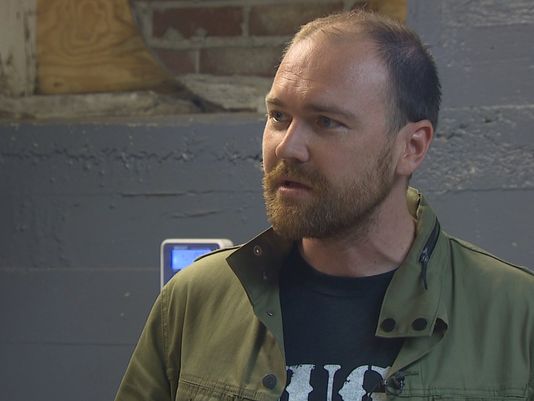
 Wanted: A Spiritual Pursuit Through Jail, Among Outlaws, and Across Borders Chris Hoke (HarperOne) $25.99 I have already given an early shout out to this amazing book, too, and, again, it deserves so much more. I hardly feel like I can do it justice as it is such a moving and rare work.
Hoke works with Tierra Nueva in the state of Washington, a deeply spiritual and anointed, one-of-a-kind wholistic Christian ministry started by Bob and Gracie Ekblad after they left their Latin American mission work where they were doing agricultural work, pressing for land reform, and standing up for human rights of peasants who were often persecuted by U.S. backed death squads and paramilitary police. Bob Ekblad has written two powerhouse books that we stock about his radical solidarity with the poor, Reading the Bible with the Damned and A New Christian Manifesto: Pledging Allegiance to the Kingdom of God, both published by Eerdmans ($22.00 and $20.00) and is also featured in one great chapter of Fred Bahnson’s tremendous memoir of farming and spirituality called Soil and Sacrament: A Spiritual Memoir of Food & Faith (Simon & Schuster; $26.00) Ekblad is the founder of Tierra Nueva — “new earth” of course — where Chris Hoke eventually finds a home.
Chris is a rabble rouser after Ekblad’s own heart, a young subversive who is now a coffee roaster who employs former gang members and other folks hard up on their luck, a prison worker, friend of migrants, runaways, the troubled and the damned. In this high-octane, unforgettable book he tells touching stories of his work at Tierra Nueva, showing us an inclusive and gracious way of living the Christian faith with gospel integrity. Some of our best writers about urban affairs have gushed over this moving work.
Listen to Father Greg Boyle (author of the famous Tattoos on the Heart.)
Chris Hoke’s fine book widens what needs to be widened in a world where some lives seem to matter less than others. What he so eloquently articulates is the erasure of margins and the birth of a new inclusion – where the demonizing cease and the disposable are no longer tossed aside. It is a book which refines one’s own heart to meet the brokenness of the other and discover your own. Exquisite mutuality.
 I am pretty sure most of us have rarely read anything like this. There is recent interest in prison life (Orange is the New Black, for instance) but this is the really, real deal. It is beautiful, blazing, profane and grace-filled. It is tragic and good, beautiful and broken. It is a gripping book, full of stories, human and real, full of faith and prayer and love. He calls these stories (some comic, some crazy, almost all deeply moving) “mystical portraiture” and the prose comes to us from someone who knows a bit about creative writing. (He has an MFA from the famed writing program at Seattle Pacific University.) But more than the beauty of these stories is their power to impact us. Wanted: A Spiritual Pursuit Through Jail… is very different than the narrative nonfiction of Ghettoside, in style and religious perspective and setting, but I am glad I read them back to back. You might want to, too.
Listen to what some others have said about the joy and impact that reading this might have.
Scott Cairns, the wonderful Orthodox poet, writes,
Chris Hoke is what I would call a Christ-follower. He follows the path
that Jesus walked, eyes open, hands ready to help, heart ready to break.
The result is life-changing — for him, for those he serves, and for us
if we have ears to hear.
Fr. Richard Rohr (of the Center for Action and Contemplation) says,
As a former jail chaplain myself, I have yet to find a book that is so well written, so honest, and so non-naïve – and yet compassionate – about the kind of world we live in! You will live in your own world with greater courage if you read this book.
Glynn Washington, the host and creator of NPR’s Snap Judgement show has written,
When Chris first told a story on my show, it was so beautiful I wept. But I kept asking for more. This book proves what we believe at Snap – stories can lure you into places you’ve never imagined, and maybe even change your life.
And there you have it. Books can inform, they can change us as we learn new stuff, learn to see things differently. If they are well written — as are both Ghettoside and Wanted — this transformative reading experience can even be enjoyable. We can be touched, in heart and mind, and we will be better for it. I think these two books deserve those sorts of promises, and I do not hesitate to offer that sort of expectation. I know what I learned, what I appreciated, what I felt and experienced as a reader going through them. We are happy to invite you to order them from us, hoping they can be influential for you, as well.
BookNotes
DISCOUNT
ANY ITEM MENTIONED
20% off
order here
takes you to the secure Hearts & Minds order form page
just tell us what you want
inquire here
if you have questions or need more information
just ask us what you want to know
Hearts & Minds 234 East Main Street Dallastown, PA 17313 717-246-3333


 continues to come out — and we can’t wait for the Devin Brown DVD study Discussing Mere Christianity [Zondervan; regularly $49.99] which has the very engaging Eric Metaxas as a host, to release later next month. (We’ve waited for decades for just such a resource, so when it arrives we will be almost incredulous. Finally! More on that, soon.)
 C.S. Lewis’s List: The Ten Books That Influenced Him Most edited by David Werther and Susan Werther (Bloomsbury) $24.95 This fantastic, interesting, and learned book is the sort that makes me think “why didn’t someone do this sooner?” And, it makes me say, with a hint of pride, that we had a tiny role in this: the book compiles papers given at a conference – 10 scholars talking about the 10 books that influenced Lewis in 10 different lectures about said books – and we provided the books to sell at the event, held in Madison Wisconsin a few years ago. What a thrill to display classic books such as Phantastes by Lewis’s beloved George MacDonald, Chesterton’s The Everlasting Man, Virgil’s The Aeneid or The Descent into Hell by Charles Williams. There are other remarkable literary works and books that Lewis himself says influenced him, and each are discussed, from poems by Wordsworth and George Herbert to mystical writings by Rudolph Otto to the eloquence of Boswell’s Johnson biography.
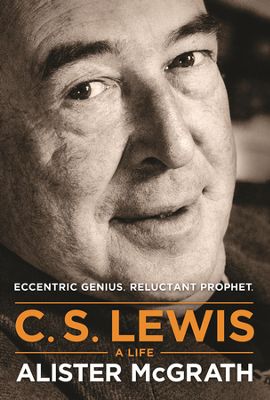 C.S. Lewis: A Life — Eccentric Genius. Reluctant Prophet Alister McGrath (Tyndale) $24.95 I have extolled the value of this remarkable, recent biography before but just had to give it another shout out here. It may be the definitive biography now and although it became known for some new insights about the dating of Lewis’s own conversion, and some new light on a few other topics, it ought to be known not ony because it adds a small bit of new information but for how it so interestingly weaves together so very much. McGrath is ideal for writing this – a former atheist himself, one who has taught at Oxford himself, one who has done magisterial biographies already, almost as a hobby, he once told me. Important, lively endorsements grace the back from Timothy Keller, N.T. Wright, Alan Jacobs, Lyle Dorsett, Michael Ward. It is very highly recommended.
 The Intellectual World of C.S. Lewis Alister McGrath (John Wiley/Blackwell) $32.95 This is only a somewhat smaller book than the previously mentioned, major biography, but it is weighty, mature, and exceptionally useful for understanding the man in light of his philosophical context and intellectual milieu. Some have gone so far as to say it “should be on everyone’s reading list, whether that of the research scholar of general reader.” Michael Ward notes that it is “thoughtful and thought-provoking” and that “these essays help to set C.S. Lewis’s writing in its broader context.” There are topics and ideas explore here that it seems no one else has tackled and it may be that it is distinctive, unlike any previous study.
 If I Had Lunch with C.S. Lewis: Exploring the Ideas of C.S. Lewis on the Meaning of Life Alister McGrath (Tyndale) $17.99 If the big hardback is McGrath’s fabulous, meticulous biography, and the Blackwell paperback is a more academic study of Lewis’s intellectual world, this is the one that showcases McGrath’s vast knowledge of Lewis and which shares it in a creative, winsome, enjoyably storied way. What a fun idea — imagining a series of lunchtime chats with Jack himself. It isn’t overly speculative, though, as McGrath so carefully draws on Lewis’s work; it is playful in imagining a semester’s worth of weekly meetings, supposing what it would be like to chat and learn from him, but it isn’t exceedingly fanciful. Each week the lunch date covers certain specific topics — among other things, the importance of stories, the art of apologetics, the nature of education, Lewis’s views of hope and heaven, friendship, even a week all about Aslan. This hand-sized hardback is a true delight and you are sure to learn about Lewis, and from Lewis.
 The Romantic Rationalist: God, Life, and Imagination in the Work of C.S. Lewis edited by John Piper and David Mathis (Crossway) $17.99 In the class I mentioned, I drew fruitfully on a few of these great essays; I really appreciate the way these capture these two large themes in Lewis’s life and work: imagination and reason. Some know Lewis as a storyteller and fantasy writer, a poet and author of books about friendship, love, suffering. Most, though, I suspect, think of him as a scholar, a thinker, one schooled in rational argument, heady apologetics. Could we have misjudged him (and, well, the entire project of the West, pitting head and heart, romance and reason, thinking and loving against one another?)
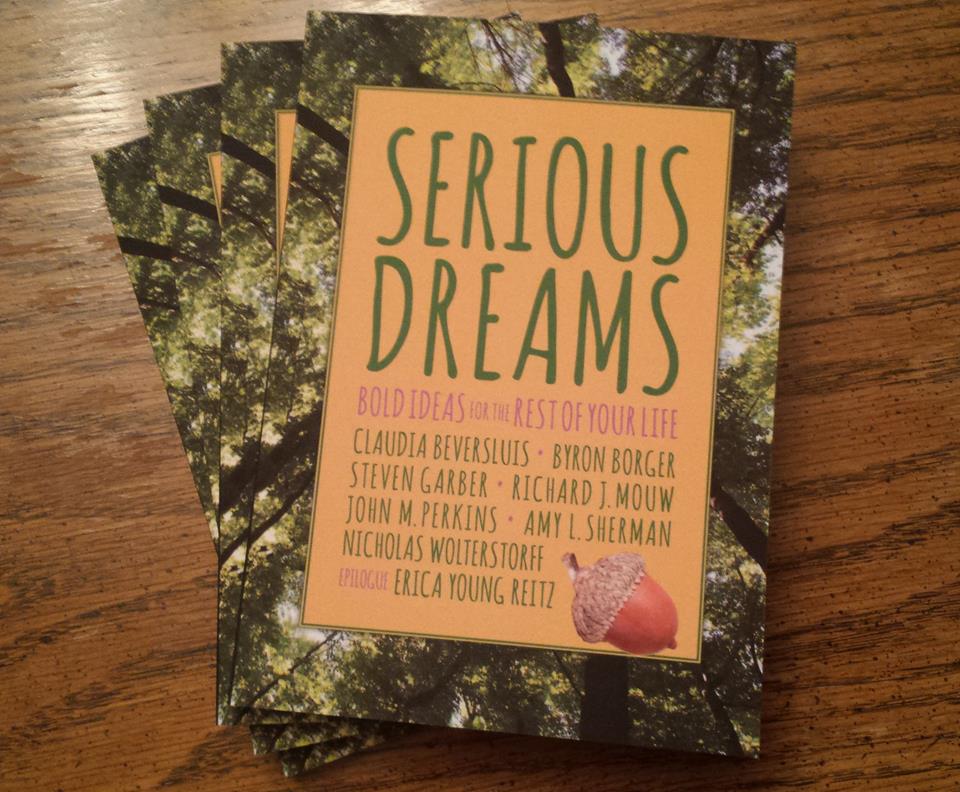
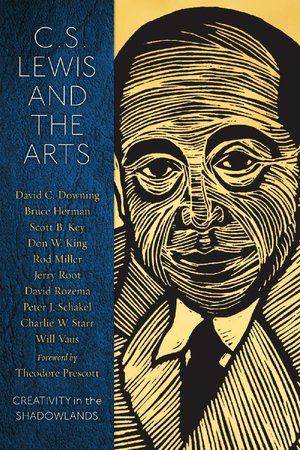 C.S. Lewis and the Arts: Creativity in the Shadowlands edited by Rod Miller (Square Halo Books) $18.99 This is another I’ve mentioned before — I did a lengthy description when it first came out — but think it deserves an extra word here. There is nothing like it in print, and it is very handsomely created. There is an original Ned Bustard linograph (“Saint Jack”) reproduced inside and a crisp typeface for the chapter titles and sub-headings. I really like the stuff Square Halo Books produces (as you may guess, since they did my own Serious Dreams, which does, in fact, cite C.S. Lewis more then once, but I digress.) More importantly, there are original essays here, thoughtful, interesting, important, even, for those who want to understand Dr. Lewis and for those interested in the arts and the creative life. Some of these contributors are top-tier Lewisians (David Downing, Don King, Jerry Root, Peter Schakel) and the forward is by the important contemporary artist, retired recently from the excellent art department at Messiah College, Theodore Prescott. What a fine, fine book! It should be better known among us and I’m happy to include it here in this list of relatively recent books about St. Jack.
 Plain to the Inward Eye: Selected Essays on C.S. Lewis Don W. King (Abilene Christian University Press) $25.99 Another lesser-known book that deserves to be on the shelves of any Lewis fan, this remarkable collection gathers together a lifetime of critical thinking about Lewis and his concerns by one of the great Lewis men of our age. Don King has been a professor of English at Montreat College since 1974 and, significantly, has edited the prestigious Christian Scholar’s Review since 1999. He has contributed articles on Lewis’s poetry to significant books about Lewis, even being drafted to contribute to certain enclopedia entries; further, he has authored several full books on Lewis and on Joy Davidman. But this collection of pieces is his best yet for general Lewis readers.
 Bedeviled: Lewis, Tolkien and the Shadow of Evil Colin Duriez (IVP) $17.00 For some, Colin Duriez is the most significant scholar of the Inklings and is known for being a commentator on the extended version film DVDs of the Lord of the Rings trilogy. In this new book — which I suspect will be widely discussed and significantly reviewed in all the right places – Duriez explores how the battle between good and evil (in the seen and unseen worlds) is understood by Lewis and Tolkien and how their views work their ways into their own writings. How did the Inklings respond to the great tragedies of their time? (Lewis, by the way, we should recall, by the way, saw horrific action in World World I and was seriously wounded in the front.) As it says on the back cover of this new paperback “In these pages we turn also to the way of goodness and the promise of a far country as we explore a the way out of the shadow of evil.”
 Called: My Journey to C.S. Lewis’s House and Back Again Ryan Pemberton (Leafwood) $14.99 This is a fun and fabulous new book which is hard to explain. Well, maybe it isn’t. It’s about a young guy — who tells us early on that he never imagined himself, not in a million years, studying theology, let alone in England, at Oxford. Long story short, this memoir is Pemberton’s telling of his discerning his sense of a calling, his leaving a career in marketing, his tragi-comic roller coaster ride to Oxford. One reviewer likened it a bit to Donald Miller of Blue Like Jazz fame, although perhaps they meant his Million Miles one. In prose that has been called “beautiful and heart wrenching” and “a breath of fresh air for the generations raised to equate divine calling with radical adventure” Pemberton tells his tale, even if it isn’t a radical adventure. For a few of us, though, this really is an amazing adventure, as Pemberton meets Walter Hooper, ends up working as a docent/tour guide at The Kilns, Lewis’s world-famous and beloved homestead. Who gets to house-sit the Lewis home? Called to the Kilns? You’ve got to be kidding me! I bet this will be a great read.

 maker,
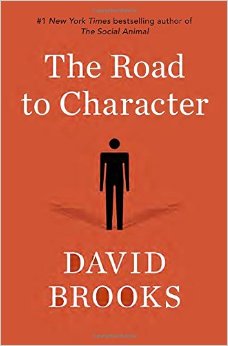
 stunning, deeply rewarding new book by pundit David Brooks The Road to Character (Random House; $28.00) which combines perceptive cultural analysis and nifty reportage as well as hints of his own journey towards more explicit theological awareness. I note that these two books by Smith and Brooks include astute observations about the texture of our times, and help people of faith understand our culture and embody faith in daily discipleship that makes sense. Again, if God is redeeming all of life, and we are to take up our vocation to be Christ’s agents of restoration and hope in the world, these sorts of books (that are certainly not pietistic or devotional in any conventional sense) are profoundly useful for Christian discipleship.
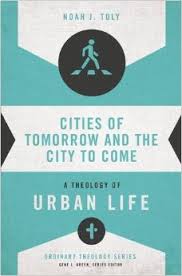 The Cities of Tomorrow and the City to Come: A Theology of Urban Life Noah J. Toly (Zondervan) $11.99 This is a must-read for nearly all of us, I’d say (and I live in a small town!) Knowing about new urbanism, thinking about our spaces and built environment, and wondering how to be faithful as we consider the trends towards urbanization are urgent. This whole area (not just urban ministry, as urgent as that is, but what might be called urban sociology, thinking about design, planning and the like) is increasingly important and even church folks are starting to think about the role of things like zoning, or buying local, or how farmer’s market’s and art galleries enhance neighborhoods. Missional churches are intentional about their locations and the nature of what makes towns flourish and the uniqueness of their own places. This all can be very exciting stuff, and this book is fabulous – what an example of all this we are talking about, relating faith to social location, being attentive to our environment, relating faith the public life. I am perplexed why Toly (who is an experienced professor who guides undergrads in an urban living semester as they consider how to inhabit our spaces) doesn’t cite the wonderful The Space Between: A Christian Engagement with the Built Environment or even Sidewalks of the Kingdom both by Eric O. Jacobsen, which are very nice introductions to these themes as well. Otherwise, Toly’s bibliography is fabulous, his writing is passionate, and the opening story, about a well-known urbanist who asked why he, as a scholar in this field, wanted to “think Christianly” since we wasn’t, technically a theologian, is worth the price of the book. He ends with a lovely prayer for the city from the Book of Common Prayer. This is very highly recommended and should be discussed in churches wanting to be intentional about their own mission to seek the peace of the city.
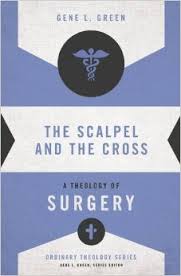 The Scalpel and the Cross: A Theology of Surgery Gene L. Green
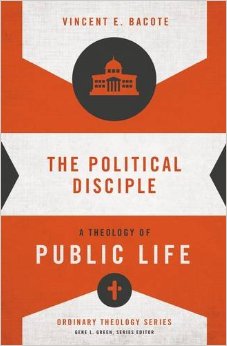 The Political Disciples: A Theology of Public Life Vincent E. Bacote
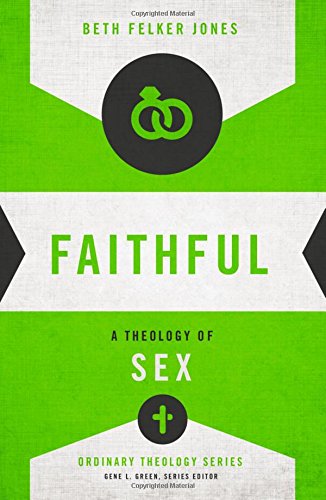 Faithful: A Theology of Sex Beth Felker Jones






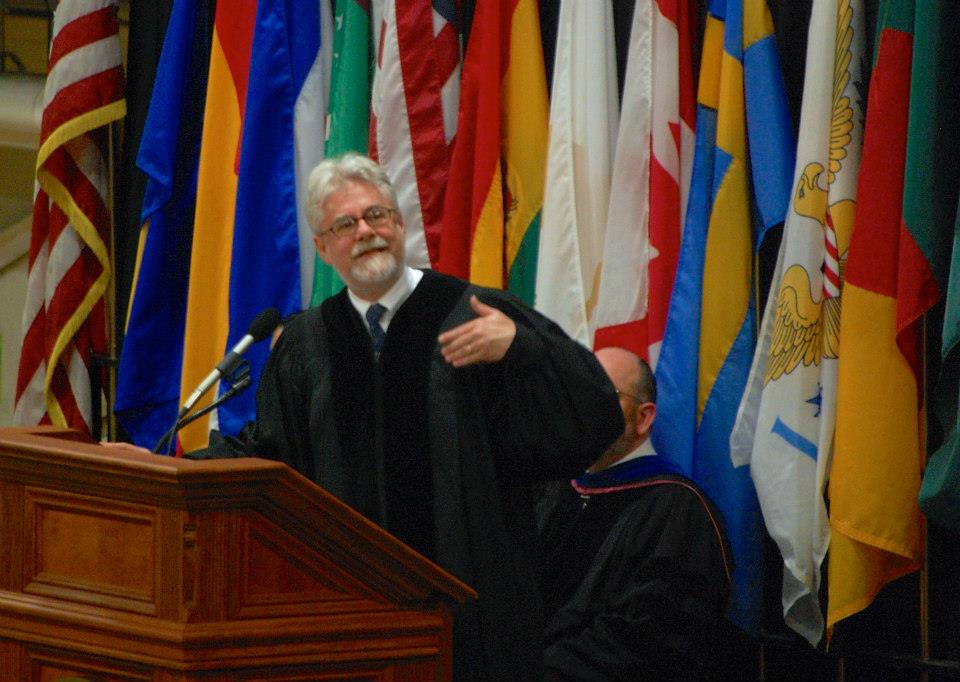
 imagine the complex tasks of stepping into their vocations in the world, for the life of the world. I preached on a few favorite passages, told a few stories, and cried out to God and the gathered community, hoping that these talented young adults would help advance Christ’s Kingdom, especially in their various careers, jobs, workplaces. It got a pretty good response, for which I was humbled and grateful. A number of people asked if I might print it up, and we considered briefly doing a little booklet to share with those who had wanted to read it. Borger getting a free doctorate was quite the news for a bit — ha, ha – and we wanted to honor those who wanted to read my remarks.

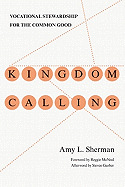 whole talk about it, but the text which Dr. Sherman explores says that the whole city will rejoice when “the righteous prosper.” Rather than producing resentment (which would be understandable, the have-nots frustrated with the haves, so to speak) those who perhaps are not prospering will be gladly rejoicing if God’s righteous ones are successful in ways that cause the healthy flourishing for all. That is, the city rejoices because, precisely, the tsaddiqim are not in it for themselves. Their prosperity apparently is a blessing to others, and develops because of, and is bound up with, the good of the city in which they live.

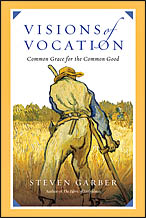
 imagination and gospel-centered, evangelical faith.

 has
 Pray Like a Gourmet: Creative Ways to Feed Your Soul David
 Finding Livelihood: A Progress of Work and Leisure
 Jesus Outside the Lines: A Way Forward for Those Who Are Tired of Taking Sides
 From Here to Maturity: Overcoming the Juvenilization of American
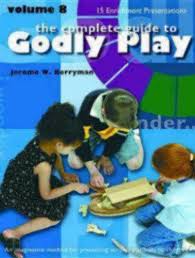
 The Complete Guide to Godly Play Volume 8 Jerome W. Berryman (Living the Good News) $29.95 We have sold these unique resources since they first came out, and while this “Montessori” approach to Christian education is beloved by those who use it, it takes a serious and spiritually profound commitment to trust the Spirit’s leading in drawing children to the Biblical text and playfully/prayerfully allowing them to imagine its meaning. You may know that the various books cover various seasons, or themes; this new one includes 15 new presentations. The back cover tells us “it also includes a wealth of capstone insights gleaned from decades of research and practice, as well as an appendix summarizing the foundational literature and describing the entirety of the Godly Play spiral curriculum as it exits today.”
 Becoming the Gospel: Paul, Participation, and Mission Michael
 The God We Worship: An Exploration of Liturgical Theology Nicholas
 Backpacking with the Saints: Wilderness Hiking as a Spiritual Practice Belden
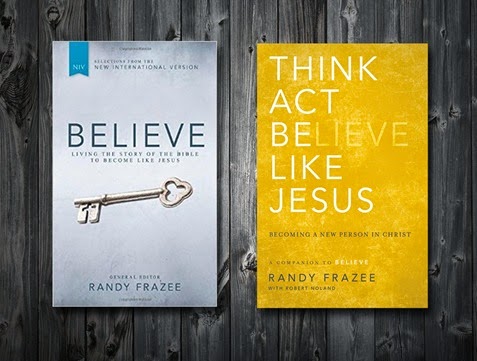 Believe: Living the Story of the Bible to Become Like Jesus
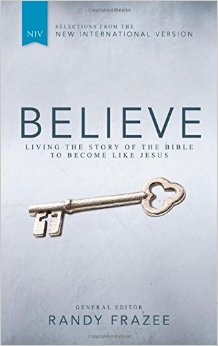 Believe: Living the Story of the Bible is not exactly an abridged NIV Bible, but it is almost entirely Scripture, in a Bible-sized hardback, with the passages and texts arranged around three major
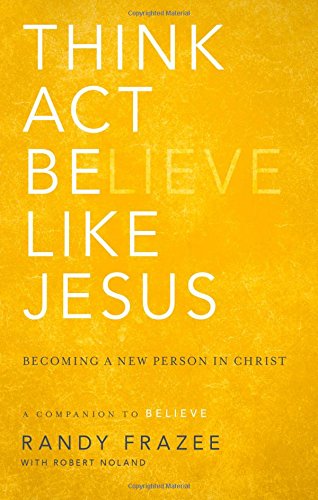 Think, Act, Believe Like Jesus: Becoming a New Person in Christ is

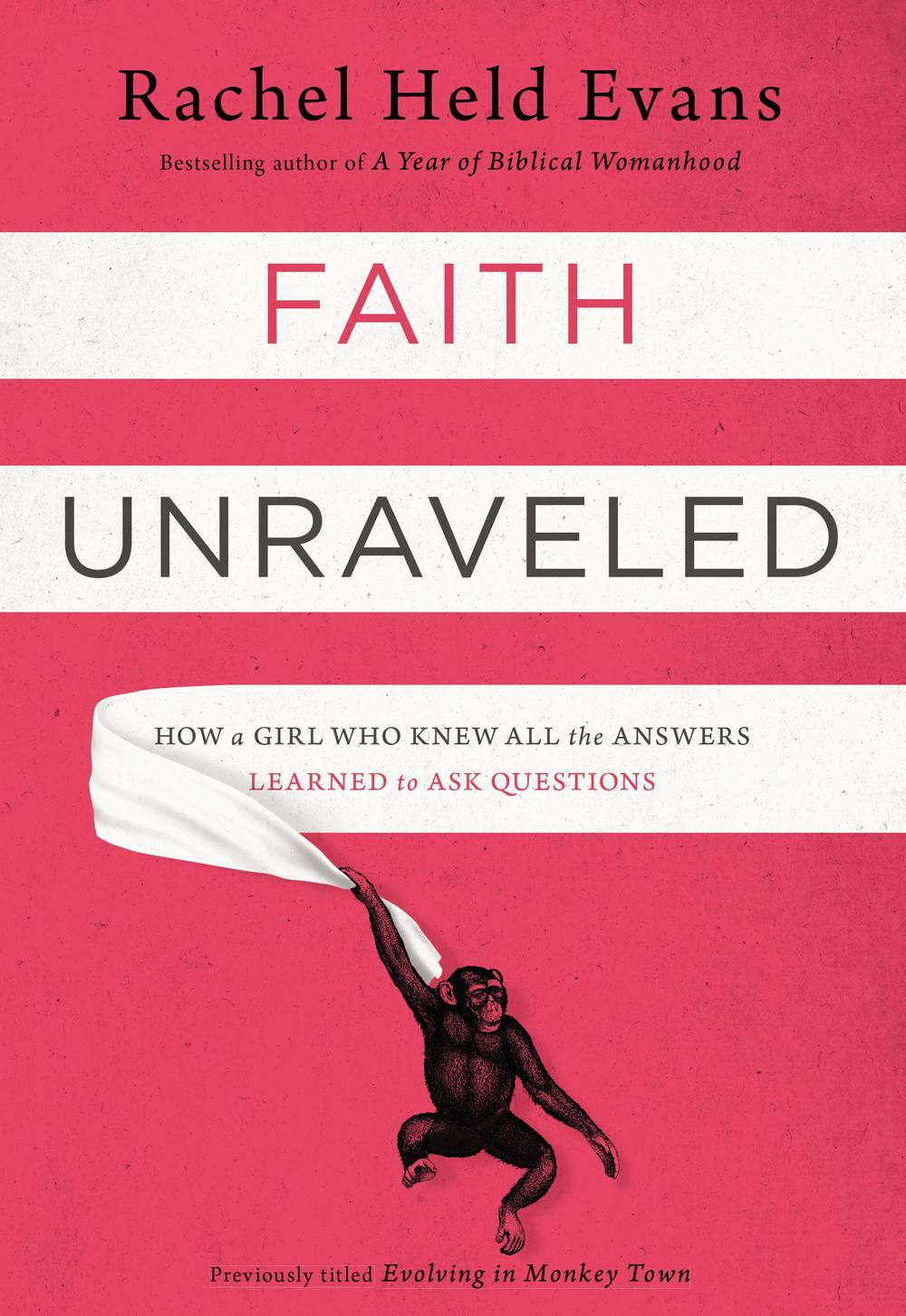
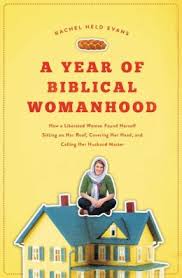

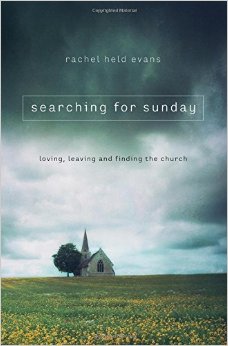
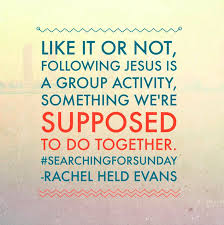
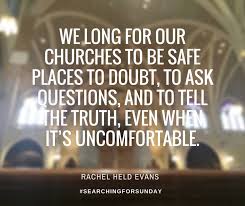 healthy love for the Body of Christ, for the local church, and for the ordinary stuff that gets done in the daily life of faith. It isn’t exactly the same as When Spiritual But Not Religious Is Not Enough: Seeing God in Surprising Places, Even the Church (Jericho Books; $16.00) by UCC pastor Lillian Daniel — which really is a tribute to the small, ordinary, local parish — but I still cannot tell you how grateful I am for this fine work, this voice from the margins, aware of so much wrong with so many expressions of faith, and yet willing to tell us in such beautiful prose and revealing stories, why the church still matters. And that it can still change our lives. This is ecumenical, serious faith, expressed with wonder and grace and captivating prose.
 Catholics call the seven sacraments. (When I first heard this I wondered, although didn’t think it was likely, that Rachel had become Catholic.) These seven parts, each with several chapters, of sacramental reflections are rich and give the book a structure which is more than just a random collection of her latest thoughts. It is a mature, developed, and highly insightful flow of what might be called spiritual theology. She is doing helpful good work here, besides offering us an entertaining third installment of her ongoing series of memoirs. As she unfolds some of her story – their stint away from church, sleeping in on Sunday, watching Meet the Press and reading the paper (“one New York Times crossword puzzle away from liberal nirvana”) and their eventual return, somewhat sobered – she also tells us what she has learned about the seven sacraments.
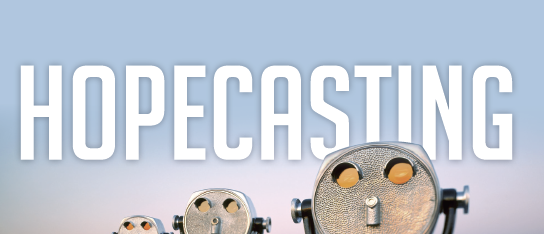
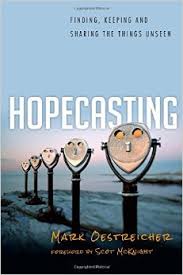 Hopecasting: Finding, Keeping and Sharing the Things Unseen Mark Oestreicher (IVP) $16.00 Oh my, this book (with a nice foreword by Scot McKnight) deserves a long, weighty review. “Why is it that some people are full of hope,” the author asks, “while many of us struggle to get past the snooze alarm?”



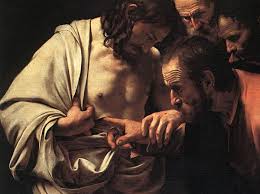 Orthodox call and response these days. I’m heartened by how many have signed off their emails this week with the creedal reminder, and hope this Eastertide season of the church shapes our imaginations and habits. Nothing against the start of baseball season, of course (we have a Baltimore Sun sportswriter Dan Connolly coming in to the store next month to talk about the Orioles!), but there is something good about rooting ourselves in the ancient story. At the change of each liturgical season I get out Bobby Gross’s great devotional Living the Christian Year: Time to Inhabit the Story of God (IVP; $18.00) and re-read Lauren Winner’s spectacular introduction where she reflects on wanting to be more shaped by the church year than the customs of the American narrative and its secular feast days and calendar revolving around school seasons. What does it mean to be alive to the themes and insights about Jesus, season by season?
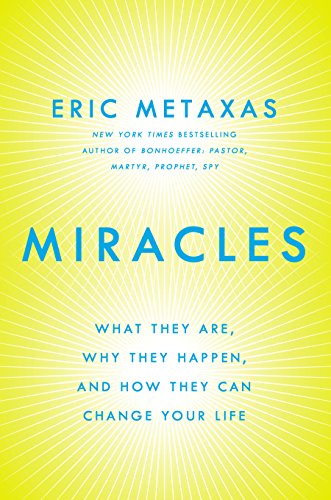 time to think and maybe read about that. He did so in his body, the texts tell us, and I believe it — the modernist lack of imagination among the progressive intelligentsia notwithstanding. If only we could pass out the latest Eric Metaxas book, Miracles (Dutton; $27.95), like loaves and fishes for those hungry for an enchanted universe.
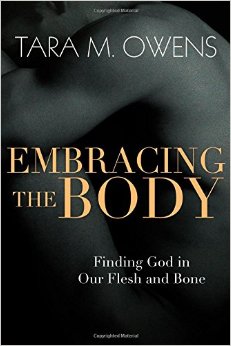 Embracing the Body: Finding God in Our Flesh and Bone Tara M. Owens (IVP/formation) $17.00 This is the third spectacular book published by IVP in the last few years on the nature of the human body, living in our own skins, pondering the deep relationship between our deepest interior lives and our bodies. (We recommend their practical and very spiritually enriching The Life of the Body: Physical Well-Being and Spiritual Formation by Valerie Hess & Lane Arnold and the extraordinary, wonderfully-written What Your Body Knows About God: How We Are Designed to Connect, Serve, and Thrive by Rob Moll. I am sure Debra Hirsch’s soon to be released Redeeming Sex, although a bit more specific, will also wonderful explore the relationship between our bodies and our faith.) I’m glad the acquisition team there are finding these kinds of helpful titles, and releasing them so affordably.

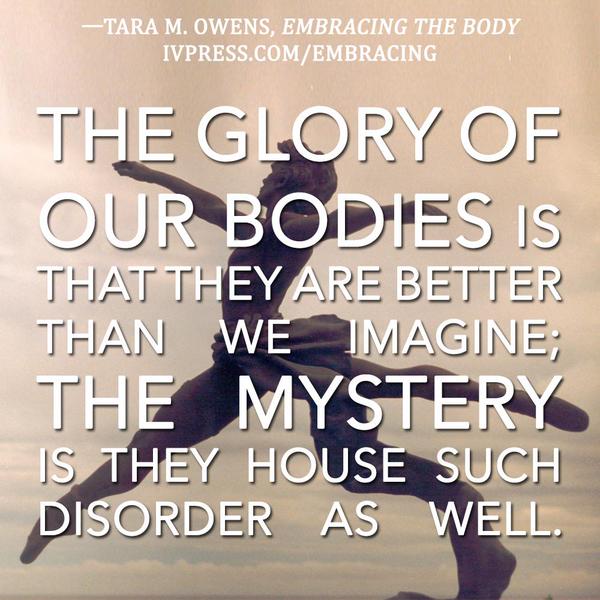 how God’s people in the church -a Body! – might help us with better body images, and how Christ’s redemption may shape and heal our own distorted views and approaches. As you might guess, I loved a chapter called “Sensing God’s Kingdom: Encountering God’s Physical Creation” and highly recommend the chapter on sexuality. (She cites the beautiful book by Lisa Graham McMann, which I often recommend, called Sexuality and Holy Longing: Embracing Intimacy in a Broken World.) There are suggested exercises for reflection at the end of each chapter.
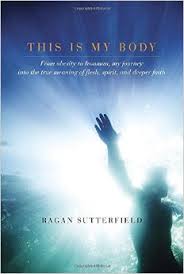 This Is My Body: From Obesity to Ironman, My Journey into the True Meaning of Flesh, Spirit, and Deeper Faith Ragan Sutterfield (Convergent Books) $22.99 It isn’t every day that one sees a mature philosopher write a book about his own body (let alone a triumphant story of becoming an Ironman competitor.) But this – this is smart, exceptionally well-written, captivating, a stimulating blend of memoir and reflection. That Jonathan Wilson-Hartgrove says it is a memoir “that threatens to up-end spiritual writing in the twenty-first century” is significant. This is, truly, an embodied sort of spirituality, a meditation about flesh and weight and sweat and tears and aches and pleasures.
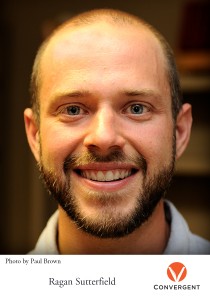 as a body, as he awakened to his body, to his own body in college. He became obese, and has chapters telling how his body was lonely, broken, fulfilled… you’ve been there, no doubt. Interspersed with these auto-biographical ruminations are episodes from his taking up Ironman training as a spiritual discipline. I usually have little interest in reading about these kinds of hard exercise regimens or extreme sports stories (although we do have a book called Slowspoke about a guy riding a unicycle across the country) but found these parts very interesting. Beyond that, they were inspiring, and one more way into this conversation that God cares about this world, that there are, as Bruce Cockburn has sung, “rumours of glory” and that Christ’s own resurrection helps us know in the deepest sense, the promise of the redemption of all things, including our bodies. Did I mention that one of Mr. Sutterfield’s chapters is called “My Resurrected Body”?
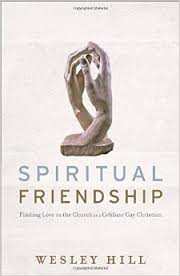 Spiritual Friendship: Finding Love in the Church as a Celibate Gay Christian Wesley Hill (Brazos Press) $14.99 This book deserves its own longer review, and I am afraid I cannot do it justice here. It is one of the most important books of our time, vital, important, rare, wise, exceptional. It is exactly about our embodiedness, yes, even about the redemption of our sexuality. It is beautifully written, exquisite at times, and more candid then one might expect in an evangelical Christian book. We are proud to carry it, and eager to commend it to one and all.
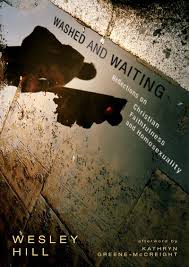 expectation of God re-orienting his own desires for same sex intimacy. Some on the progressive side of things have lamented his prissy fidelity to heterosexual norms and some in the fundamentalist camps have wished for less candor from the brother. (An unashamed gay Christian? Yikes!) We believe that book to be a watershed and exceptionally helpful for those wanting a third way between the extremes. Agree or not, it is, as they say, what it is: a testimonial witness of a very thoughtful, young evangelical leader ruminating on his body, on the redemption of all things, and his hope as he waits for the new earth.
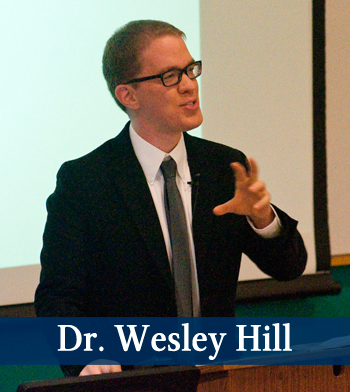 physicality — I suspect this book, which I have only started, will talk about the value of human embrace, of touch. Just this week in church a single friend mentioned to me that she and others she knows are “touched starved.” She was not hinting at anything illicit, of course, but only admitting that single people, widows and widowers, and all sorts of folks need human touch. Let us even leave aside the question of whether we all need something erotic in our lives, sensual pleasures. There is no doubt that we all need touch. I think that Hill writes about this, and enters these frank matters out of both his own personal experience (which he mentions in Washed and Waiting) and from his meticulous, rich, theological studies.
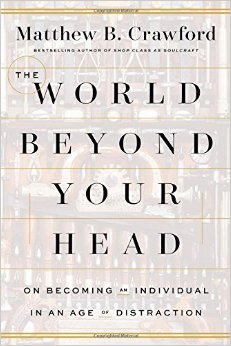 The World Beyond Your Head: On Becoming an Individual in an Age of Distraction Matthew B. Crawford (FSG) $26.00 I announced this notable book on this prestigious publisher in the last post, naming 12 of our favorite books that released last month. I have only dipped in to this – the booksellers joy and frustration – but I have talked to one of our most astute customers, a serious and delightful reader, who assures me it is one of the better books of the year. Crawford, as you surely know (since you read my post earlier this week – ahem!) wrote the much-discussed Shop Class as Soulcraft a few years ago. His story in that rich and learned work, is fantastic. He grew weary of his abstract and seemingly pointless work as a scholar in a think-tank and found new joy and meaning in a motorcycle repair shop he opened. As one well-schooled in the liberal arts (and still involved in the academy as a senior fellow at the University of Virginia’s Institute for Advanced Studies of Culture – run by James Davison Hunter) he can ponder the intricacies and nuances of cultural shifts with the best of them. (Ahh, but can other cultural critics fabricate components for custom motorcycles?) His call to re-instate shop class, for reasons both practical and soulful, is breathtaking.
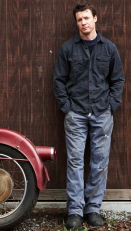 extols practices and craft, he explains how the brain works (yes, neurology figures in to this new volume) and he invites us again to resist Gnosticism. That is the theological heresy, of course, that devalued the physical world, hating the body as Plato did. (I still cringe when a congregation sings “I’ll Fly Away” with its non-biblical, Platonic stuff about this world of God’s being a “prison.”) Crawford, by focusing on our literal, embodied labor and skills, helps us heady types recall the places we live and the ways we work.

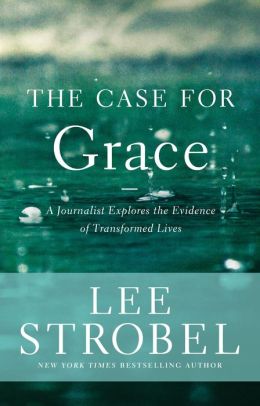 The Case for Grace: A Journalist Explores the Evident of Transformed Lives Lee Strobel (Zondervan) $22.99 I bet that not a few of us heard sermons this week about how the message of Easter can change our lives. Maybe you heard a good story or two of real people whose lives were transformed by the gospel. If you, like most people, love those kinds of stories – or you want to share a book with somebody who needs those kinds of stories – this is the book for you. Not unlike his other useful anthologies (Case for Christ, Case for Faith, Case for a Creator) Strobel uses his considerable journalistic skill and his own lively verve to tells the tales of those who met Christ, came to understand grace, were set free by free-flowing mercy. What great and intriguing and fabulous stories. Strobel is more candid here about his own journey from atheism to follower of Jesus. There is an extensive study guide in the back, too, making this great for book clubs. This is Strobel’s most personal and practice book yet. Watch Lee talk about it in this very nice
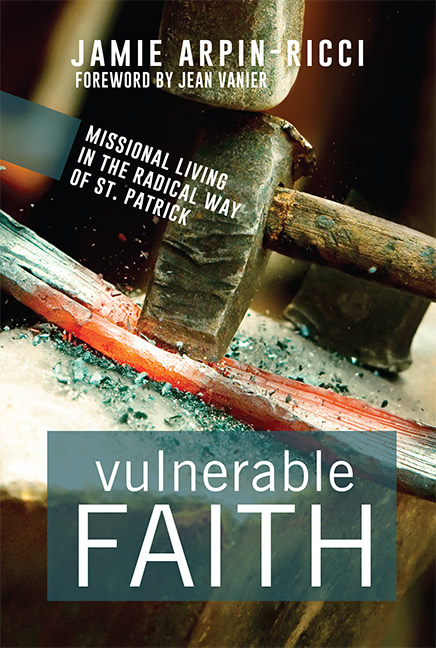 Vulnerable Faith: Missional Living in the Radical Way of St. Patrick Jamie Arpin-Ricci (Paraclete Press) $16.99 Like most of the titles in this list, this fine book deserves a much better review than I can offer here in these brief annotations. Trust me, here: Jamie is the real deal; an experienced and wise missional pastor of an inner city faith community in Winnipeg called Little Flowers who is always worth listening to. He has spent decades in urban ministry, and has written widely – good, if provocative and challenging, stuff on grace and discipleship, community and servanthood, prayer and public life.
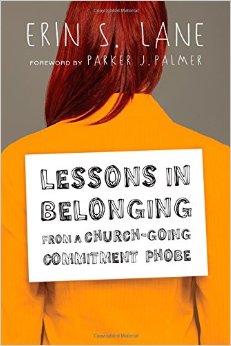 Lessons in Belonging From a Church-Going Commitment Phobe Erin Lane (IVP/cresendo) $16.00 One of the best written paperbacks of the year, this is a truly splendid, very honest, often funny, really enjoyable and profound rumination on commitment and belonging to a local church. I’m telling you, you’ve not read a book on community or parish life like this before! If you are young and longing for community but not so sure of the local congregation, you have to read this. If you are an older reader, wondering why young adults may not be as active in church as you may wish, and want a wonderful and helpful glimpse into their lives and faith, this story is a must. Ms Lane has a degree from Duke Divinity School, to make matters more sticky, her husband is a pastor. She knows her way around good sentences and storytelling, too; she helped edit an anthology we love of Christian women telling their stories called Talking Taboo. Lessons in Belonging written by a “commitment phobe” is very highly recommended.
 Wearing God: Clothing, Laughter, Fire, and Other Overlooked Ways of Meeting God Lauren F. Winner (HarperOne) $24.99 This is, for me, personally, the most anticipated book of the season, and I almost regret that it hit bookstores the week before Easter. I have not yet more than cracked the cover and glanced at the table of contents and footnotes I (and, okay, the acknowledgements, because, well, that’s what I always do to get a feel for whom and what the author is grateful.) This is not the first book that explores lesser known Biblical images for God, but it will most likely be the most beautifully written, the most inspiring, the most enjoyable to read, and significant to take to heart. Here is what it says on the back:
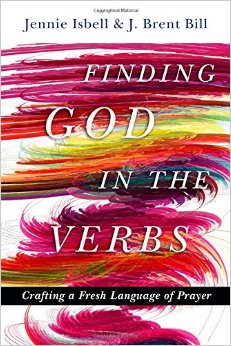 Finding God in the Verbs: Crafting a Fresh Language of Prayer Jennie Isbell & J. Brent Bill (IVP/formation) $16.00 I think it is kind of funny to see the zesty swirls of color on this busy cover, realizing the authors are both Quakers. But maybe Friends are not as you imagine, and energy captured here is just right. This new handbook is not that quiet or still, not even all that sober, but is fresh and lively and full of mystery and energy; it’s about verbs, you know. Language, they remind us, shapes and guides us, even our understanding of our encounters with God. As Nathan Foster notes of it, Finding God in the Verbs “ultimately unlocks our hearts into a deeper, more intimate relationship of joy and ease with God.” A book that offers “ease with God.” Wow. (Now that sounds Quaker, eh?) These two writers and spiritual directors obviously have spent some time in some deep waters, and they are obviously lovers of words, of good language. This book of exercises can help you deepen your love, too, for prayer and words and, finally, for God.
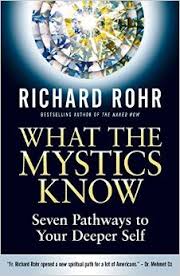 What the Mystics Know: Seven Pathways to Your Deeper Self Richard Rohr (Crossroads) $19.95 Anyone who keeps up with the most popular spiritual writers knows Fr. Richard Rohr, a lively and socially engaged Franciscan. In this new hardback, he invites us to central values that guide the monastic path, offering, as he has in recent works, not only practices to know God more deeply, but ways to know one’s own self with more holy awareness. One of the interesting things about this handsome book is the color on the inside (even the ink color) and the full color pictures illuminating the text. This might remind readers of good on-line text or a classy magazine, with useful art and color and photographs. Maybe these seven pathways were given as talks and these were the PowerPoint slides that enhanced it. However it developed it is a bit unique, and many will love this guy into the mystical path.
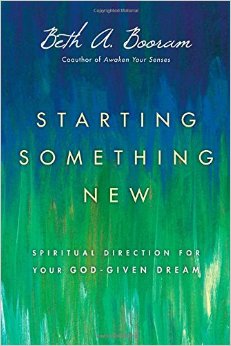 Starting Something New: Spiritual Direction for Your God Given Dream Beth A. Booram (IVP/formation) $16.00 I have often recommended Booram’s lovely The Wide Open Spaces of God to those who are interested in experiential education and finding ways to relate faith formation and place; her book of meditation based on many different paintings of Jesus (Picturing the Face of Jesus) is a sleeper that should be better known. The fabulous book Awakening Your Senses is packed with exercises and suggestions for using our senses to experience God and God’s creation. This new one is a wonderful resource which, as Randy Reese puts it, “offers both inspiration and wisdom through her own story and the stories of those who trusted the Spirit’s stirring to follow after their own God-given dreams. Whether you are seeking direction or providing it for others, Starting Something New will help set people on a path they were meant to follow after.” Here is what it says on the back cover: “Do you long to change your lifestyle or vocation, or to start a new business or nonprofit ministry? Do you find yourself wondering “How do I know for sure that this dream is from God and for me? And what in the world should I do?” This really is a book to help guide you through the spiritual process of defining and acting on the idea stirring within you.
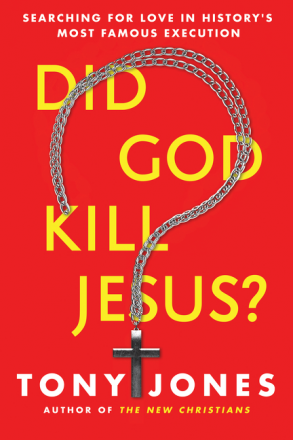 Did God Kill Jesus? Searching for Love in History’s Most Famous Execution Tony Jones (HarperOne) $26.99 I suppose you are aware that there has been a lively (and at times ugly) debate in mostly evangelical (or emerging post-evangelical) circles, about the nature of the atonement, what the cross is about, and the significance of Christ’s death. I have read many of these recent books – defending classic penal substitutionary views of atonement and justification, looking at orthodox but fresh new perspectives, and even some that are what conventional believers who think to be a bit “out there.” There are good books that survey various schools of thought, and there are scholars who are irenic and balanced, some who are iconoclastic and deconstructive. This small announcement is not the place to further describe this robust conversation, other than to say that I have found Tony Jones’s book to be one of the most interesting, stimulating, approachable and provocative books on this topic I have yet read. He covers a lot of ground, and explains things with wit and (most of the time) fairness. From the honest explanations of why some of Bible stories and teaching (not to mention later theological formulations) are disturbing to some folks, to how various models or approaches were developed, this really does offer hope and new ways of holding all of this together for those who are frustrated with conventional single-minded teaching that explains the death of Christ solely in punitive ways. Although Jones is known as a provocative writer, this isn’t some fringe, weirdo topic: we all should reflect, regularly, how best to understand and explain this central core of Christian faith. And Tony is right to ask what kind of God is behind each model of atonement, and what kind of fruit our theological explanations bears (he calls it “the smell test.”) This is vital stuff. Adam Hamilton says “Every Christian should read this book” and Nadia Bolz-Weber (an edgy-looking emergent Lutheran pastor who preaches pretty standard law-gospel messages week by week) says “I will be honestly referring people to it for decades to come. It’s that important.”
 The Skeletons in God’s Closet: The Mercy of Hell, the Surprise of Judgment, the Hope of Holy War Joshua Ryan Butler (Thomas Nelson)$ 15.99 This 350 page book was obviously a labor of love by a very thoughtful, aware and hip, young pastor. (Joshua – a reader of BookNotes, I suppose I might add – is a pastor of outreach at the very creative Imago Dei Community in Portland. Rick McKinley, whose books I love, is from there, and wrote a nice foreword.) As one who oversees the churches considerable activism around foster care, against trafficking, homelessness and global issues like HIV-support and clean water projects, Butler knows, more than most of us, what it means to long for God’s redemption of the fallen creation. He understands the hope of the gospel and offers here what Scot McKnight describes as “relief and joy.” Let’s face it, though: for many of us it does seem like God has some skeletons in the closest – some even think God appears like a moral monster, a sadistic torturer, even, especially when thinking about hell or the violence in the Bible. I think Butler has given us one of the better books about all this, sensitive, honest, creative and fresh, energetic. He doesn’t stretch for untenable, obscure answers, but yet willing to work out the implications of our “texts of terror” with the Bible’s testimony that God is good, and working to heal the fabric of this world. Can hell be merciful? Can judgment be surprisingly good? I think this is a fine contribution, and will thrill those who appreciate Biblical scholars such as Oliver and Joan O’Donovan, N.T. Wright, Chris Wright, John Goldingay, Leslie Newbigin, Miroslov Volf.
 Finding Truth Nancy Pearcey (David C. Cook) $22.99 A few who know me know that one of the great influences in my life in the 1970s was a Dutch Kuyperian professor and activist named Peter Steen who taught college students to analyze Western society by discerning the main “spirits of the age” and the idols that formed the main worldviews of the secularized culture committed mostly to capitalism and progress. Drawing on Dutch philosopher Herman Dooyeweerd, Steen taught us (including some in the CCO and those who founded the Jubilee conference) this conceptual tool that was somewhat akin, if a bit deeper, to the cultural and philosophical apologetic of Francis Schaeffer.) We learned that many of the cultural shifts of the middle of the 20th century (most bluntly, a reductionist rationalism, mostly on the right and bohemian romanticism, mostly on the left) have their most immediate roots in the eighteenth Enlightenment, even the French Revolution (even though Steen insisted that the dualisms and wrong-headed ways of seeing life and doing education began with the ancient Greek philosophers, and in the early church’s accommodation to pagan Greek thought.)
 Rejoicing in Christ
 Pray for the World: A New Prayer Resource from Operation World Foreword by Patrick Johnstone (IVP/Operation World) $15.00 Many know, and some use, the spectacular prayer guide which offers details about and need to pray about for every country on Earth. Operation World remains an essential tool, but it is, in a few cases, a bit dated, now, and is, admittedly, chock full of data. This up-to-date new volume emerged from the Operation World research teams who asked Christian leaders in every country one key question:
