Advent Conspiracy book & DVD

We have been gratified to see that a few customers ordered the handsome and important new volume about micro-financing The Poor Will Be Glad by Peter Greer & Phil Smith that we featured last week.  The discounted prices still hold, so if you’d like to browse back over the past few weeks, you’ll see some excellent titles that offer a faith-based perspective on our global citizenship, on world hunger and the ways in which contemporary Christian faithfulness demands a responsible stewardship of our role in the international economy.  (We raved last week about Everyday Justice by Julie Clawson; not everybody loves her book, however, and she reports at her blog getting some pretty harsh criticism on one radio interview.  Her frustrated and powerful lament “Smashing Economic Idols” where she quotes Brian Walsh is really worth reading!)

 Thanks to those who sent notes, facebook quips, and promises to buy some of these kinds of books.  Indeed, the poor will be glad when those with resources commit to learn, study and work towards a more justice way of life.  Reading these kinds of books may be demanding for some, but, yet, I am convinced they can be richly rewarding, exciting, even, as we take newer risks into deeper discipleship.  It is a privilege to be one of your booksellers and one of the places you look to for reviews of this kind of content.  Glad we are in this together.

AC book.jpgSo, one more to tell about, a really practical and inspiring “next step” in this journey of being vibrant people of faith who care about justice and responsible stewardship: The Advent Conspiracy: Can Christmas Still Change the World? by Rick McKinley, Chris Seay and Greg Holder (Zondervan; $12.99) is a book & study guide that is the best thing on this topic we have yet seen.  Not since the rather obscure Whose Birthday Is It Anyway stuff (from the wonderful alternatives) has there been a powerful, relevant, Biblically-rooted, spiritually-based resource to help us navigate the crazy Christmas consumer-fest.  And, wow, is this cool.

Two years ago, these fellas–all pastors of what might be called edgy evangelical emergent congregations—started a very spiffy Advent Conspiracy website for sharing Bible studies and ideas and resources, mostly around a shared vision, a pledge of sorts, to conspire together to do four simple things, four things which would be ancient/future type disciplines designed to help folks focus on (how does one say this without sounding cliched or cheesy) “the true meaning of Christmas.”  Well, there it is, said in all its cliched glory.  Who, really, doesn’t want the true meaning of Christmas?  It is a cliche, has been romantically sentimentalized and, nowadays, stupidly politicized by the Christian right (who are now busy boycotting stores that don’t say “Merry Christmas”) but, still, don’t most of us hunger for the real thing?  Aren’t some of us—more women, then men, I’d bet—nearly queasy thinking about the stress of the upcoming season?  And don’t we all know we have to do something to tone down the materialism?

Here are the four things that the original conspiracy website invited:  Worship Fully, Spend Less, Give More and Love All.  Yep, these four disciplines, taken together, can help put us in a place of creating a holiday season worth remembering, not dreading.  Especially if we do it together (the true meaning of conspiracy, of course.)  They call it “entering the story.”

Now, there is a creatively presented Advent Conspiracy DVD ($19.99) and the brief but powerful book, which includes a small group discussion guide to be used with the DVD.  Although any individual or family could do this alone–and you should, if you have to—it is best to cling together to a few other conspirators, a small group, a Bible study, a Sunday school class, a fellowship group.  What would our congregations look like if everyone was invited to take the pledge?  Worshiping fully we find what Calvin called “union with Christ.”  Knowing grace we can (as Calvin Seerveld translates Luther) prance with joy.  And give freely.  Knowing we are loved, we pledge to  love everyone, so we spend less on ourselves and give more to those with greater needs. 

Here is how they describe the four week curriculum.

Worship Fully—Because Christmas begins and ends with Jesus.
Spend Less—And free your resources for things that truly matter.
Give More—Of your presence, your hands, your words, your time, your heart.
Love All-–The poor, the forgotten, the marginalized, the sick, in ways that make a difference.

This is a prophetic dream against the false religion of consumerism, as they baldly put it.  And, they are not fooling around: they give strong warnings against the toxic power of ungodly consumerism. And, they are serious about giving. They’ve included a brief appendix of a few letters from fellow co-conspirators from the website, such as a church of 175 who have raised,  $13,000 for clean water wells in Africa;  one church in Cincinnati set a goal of raising $18,000 and they raised $72,000.  Many churches are working with Living Water International to save lives by drilling wells, but other letters tell of congregants bringing in coats; another did baked goods at a local shelter.  These testimonials are encouraging and exciting.  Maybe if more of us “breathed together” and found motivation and accountability be being involved in a strategic plan like this, we really could give more. 

Here is one such letter in the book:

This is my first year in a parish, and I ran across the Advent Conspiracy website with very little time to prepare.  The leadership pulled together, however, and we were able to present the call to live a more simple Christmas season all four Advent Sundays.  On Christmas Day we held a single offering to be given to Christian Reformed World Relief Committee to purchase wells for communities that do not have access to clean drinking water ($250 buys one well.)  Our church of 220 active members raised just over $50,000.  God is good.

I love how they frame this early in the book: they frame it not as a system, but a story. 
AC brochure.gif 

The Advent Conspiracy is not a four-point checklist for how to do Christmas.  It is not a formula or a fool-proof system to make your Christmas more meaningful.

The Advent Conspiracy is the story of the wondrous moment when God entered our world to make things right.  It is the greatest story every told, and it changes everything—including the way we celebrate Christmas.

As you read this book, understand what you’re doing and why you’re doing it.  This is not about anger, disgust, or guilt—it is about entering the story of Jesus more deeply with a desire to worship more fully.  It is not enough to say no to the way Christmas is celebrated by many; we need to say yes to a different way of celebrating.

Our dream is that as you read this book you will discover Christ and be transformed by entering his story.
Here is the regular prices, and then our 10% off deal:

  • Advent Conspiracy  book $12.99
  • Advent Conspiracy  DVD  $19.99
  • Advent Conspiracy  DVD/book pack  $29.99 (save $3.00.)

AC banner.jpgBLOG SPECIAL
10% off
ORDER HERE

Hearts & Minds 234 East Main Street Dallastown, PA 17313     717.246.3333


The Poor Will Be Glad: Joining the Revolution to Lift the World Out of Poverty

I don’t usually write about books before we get them here in the shop, but sometimes we get advanced copies or have such stellar reviews from our sales reps (yeah, you know who you are) that we are sold on the thing before it is released, and are itching to talk about it. Every once in a while we shout about a title before it actually arrives.

Since last week I tried to remind our readers that you H&M-ish, thoughtful and well-read, relevant, Christian folk need to be living out our vision of God’s reign by attending to issues of the global economy—the kind of stuff raised in the debates about the G20 Summit—I have wanted to tell you about a book that we expect to show up here any day now.  It is a perfect book to follow up some of the others I’ve mentioned.

The Poor Will Be Glad.jpgThe Poor Will Be Glad: Joining the Revolution to Lift the World Out of Poverty by Peter Greer & Phil Smith (Zondervan; $19.99) is a new book that the publisher is releasing with a happy degree of unsuspected fan-fair;  I am surprised, I suppose, since most publishers know that international micro-financing isn’t, well, very sexy (as they say.)  It sounds rather arcane and, if not depressing, at least complicated.  Maybe we’re glad somebody has devised this simple way to enhance the lives of the poor, but what do we know? What should we do?

Well, for starters, we should read up on this stuff, and this could be one of the great introductions to the ways in which we really can make a difference.  I did that hefty bibliography last month and you know I think everybody should read Rich Christians in an Age of Hunger by Ron Sider.  I shared how excited I was about the new Baker/emergent release The Justice Project.  This new title illustrates that the current younger generation of new leaders understands that we have to be involved, that most of the world is in great need and the gospel simply cannot be presented as abstract dogma, but only makes sense as a community lives out the ways of God’s Kingdom, working for justice in the great issues of the day.  One doesn’t have to be Ron Sider or Bono to get excited about these new initiatives that transcend ideologies left or right. Greer & Smith show us that through this ingenious plan of small loans (that must be paid back) development can happen through local economies of scale, human dignity, genuine justice as folks are given (to use the Habitat for Humanity slogan) a hand, not a hand-out. You can see it for yourself in the very handsome pictures (by award-winning photographer Jeremy Cowart) in this nicely designed book.  Believe me, once you see this, you’ll want to share the book.  Once you get involved in donating to this cause, you’ll want the book as a keepsake reminder of it all.

The Poor Will Be Glad is the work that came out of an extraordinary international ministry of increasing renown: Hope International. (Do check out this website—there are podcasts and videos and great stories and stuff for you to do;  be sure to see the spiffy “Hands Up” pictures.)  Started by young, thoughtful, good, folk from Lancaster PA (yay) they have developed this way of investing in the lives of local communities, using micro-financing ideas and wholistic ministry to truly change lives and whole regions.  As they invest in “hope entrepreneurs” they truly see multi-faceted change and development.  Greer, their director, did his undergrad in the great business department at Messiah College, and has an advanced degree from Harvard’s Kennedy School, and did micro-financing in Africa for several years before coming to Hope.  We know of his background and work, have investigated their ministry, sold books to ’em even (and can report that they’ve had a presence at Jubilee in Pittsburgh, as they will this year, as Peter takes the stage at Jubilee 2010 in February.) So, we vouch for them.  Peter is speaking at the big Catalyst “next leaders” event in Atlanta this week, too, and Seattle’s remarkable “Faith, Film & Justice” film festival this weekend, for that matter, so it is clear he’s quickly growing to be a respected spokesperson for what ordinary people can do to invest wisely and fruitfully in the lives of the poor.  It makes me glad to know that folks are promoting such an important and strategic plan, and that sales of this book is part of it all.  We are part of it all.  You can be part of it all. 

Rob Bell wrote the forward to The Poor Will Be Glad, a move that, again, illustrates not onlypoor will be glad image.jpg that Zondervan is really pushing this, but that this represents a newer, younger generation of activists– savvy, sharp, theologically mature and very passionate about being effective in ways that are faithful.  We expect the book to arrive this week, and we are pleased to offer it at the same G20 20% discount we were offering on these sorts of titles last week.  We are very excited about this, are fully confident that it will be informative, inspiring, and practical.  It is a book you should know about right away, will want to see, and maybe share with others.  We are sure that H&M readers are the very kind of people that this book is made for.  We are grateful that we are in this sort of work together, and very, very glad that evangelical publishers like Zondervan are investing in such socially significant books, beautifully made and exceptional in every way.  Indeed, the poor shall be glad.  God will be too.

BLOG SPECIAL
20% off
The Poor Will Be Glad
regularly $19.99
now just
$15.99
Order Here

Hearts & Minds 234 East Main Street Dallastown, PA  17313     717.246.3333

Blog Special on a few more books about justice

Here are a few more recent titles to supplement this week’s theme, books about global justice, inspired by the G20 Summit and the protests in Pittsburgh.  For more serious or academic titles, see the brand new list I posted over at my monthly column, here (September 09.)  Some great deeper books listed there, from the new, fantastic Justice Project (which really isn’t that deep, just very comprehensive and in hardcover, so I listed it there) to the fascinating and diverse collection in The Gospel and Globalization by Michael Goheen & Erin Glanville (one of my own personal favorites)  and several more excellent ones….

Here are a few to whet your appetite, perhaps more basic and less academic.

The Skeptics Guide to Global Poverty  Dale Hanson Bourke (Authentic) $9.99 This is a
skeptics guide to global poverty.jpg handsome paperback, full color inside, similar to another fabulous one the author did on AIDS.  These answers the tough questions real people ask, a simple overview of the complex issues. I have long been a fan of Ms Bourke’s journalism and writing, and here she provides a great service.  Very solid information, nicely arranged and usefully presented, simple and clear. 

god's economy.jpgGod’s Economy: Redefining the Health & Wealth Gospel  Jonathan Wilson-Hartgrove (Zondervan) $14.99  Kudos to Zondervan for being willing to publish this feisty author, who draws on radical sources and is impeccably Biblical.  Eugene Peterson has a very good forward, reminding us that the Bible indeed talks about abundance and abundant life but that, ironically, although most Americans talk about it a lot, few seem very content.  This is not a self-help book, nor really a scholarly overview of globalization.  It is just a solid, inspiring, helpful way to get our heads (and hearts) on straight about money, materialism, and God’s call to an upside down way of life that is blessed.  Just what is God’s economy? I suppose you know that isn’t what the television preachers say…

do justice.jpgDo Justice: A Social Justice Road Map  edited by Kristin Vander Giessen-Reitsma (catapult) $7.95  You may recall that we’ve promoted this before…it is a small collection of mostly great writing (aha: I have a bibliography here, too) about development, poverty, justice-education, globalization and God’s call to service, community development and such.  We love the bi-weekly ezine catapult and some of these pieces were published on line.  Some are new for this handsome paperback collection.  Very nicely done.

EMC paperback.jpgEverything Must Change: When the World’s Biggest Problems and Jesus’ Good News Collide Brian McLaren (Nelson) $14.99  You may know how we were somewhat involved in the hardback book’s tour, how we promoted this wonderful study of the inter-relatedness of major world problems and the framing narratives that drive them.  I have used some of Brian’s brief youtube clips around this theme and tour, and then the DVD curriculum, which is very exciting, visionary, inspiring. (Email me if you want more info on that!)  Now, the book is out in paperback, with a bright new cover and a provocative new sub-title. Glad that they are trying to help folk understand what this is about, how Jesus’ Kingdom ways are uniquely able to address the complexity of our broken global world, as we take up our role as “revolutionaries of hope.”  I really recommend this big picture book, readable and interesting and in many ways quite profound.

Social Justice Handbook: Small Steps for a Better World  Mae Elise Cannon (IVP) $20.00social justice handbook.jpg  I have been wishing for a fabulous guidebook like this for 30 years, and in all of my study of resources for social action, there is simply nothing like this on the market. It includes lots of topics, and is well written.  From trafficking to environmental concerns, from homelessness to debt relief, from global trade issues to domestic violence, this has brief articles, good theology, practical suggestions.  There are nice biographical sketches too of folks who have made a difference, Christians throughout church history, and some activists today.  Very instructive, pointing you to further resources.  Rave review on the back from Gary Haugen and a forward by John Perkins.  Thank God for what Shane Claiborne calls “a cookbook for plotting goodness and stirring up holy mischief.”


G20
20% off

any book mentioned
Order Here
or call
717.246.3333
Hearts & Minds 234 East Main Street  Dallastown, PA  17313

A Short list of books about globalization, economics, poverty

Earlier this week I did a pair of posts inspired by the
important and much publicized G20 Summit held in Pittsburgh, PA.  And the mixed
bag of serious protests, important resistance, violent anarchist disruption and
police over-reaction in the city of steel.

I wanted to list
off a batch of important books for those who want to further study this
topic–globalization, economic development, world hunger, and such.  I am tired
from a busy week, eager to tell you about these titles, hoping against hope that
some study group or Christian discipleship team or NGO leader might care. I know
this is heavy stuff, serious and depressing at times, but—if the Biblical
story and it’s call to responsible stewardship and commitment to the public good
as we image the God who has been revealed in Christ is true, then this is the
way to abundant life.  This may be part of the cost of discipleship for those of
us who have the benefits of living in the wealthiest land in the history of the
world.  What does it mean to be responsible in these days?  I think part of the
answer may be found in reading some of these books.  I hope somebody out there
agrees; we do stock a lot of these, and more, thinking our customers might find
them important.

(By the way, if you can get to a library that has The
Christian Scholars Review,
there is an excellent overview article by three
Calvin College professors this quarter [Fall 2009] surveying and offering
Christian critique of three main schools of thought in the recent discussions
about poverty and development.  It is very useful and worth the trouble of
tracking it down…)

So, in no particular order, here are a handful that
are either very well done, very important, very new, or very interesting to me. 
Here are the one’s I wanna tell ya about.  Hang on for the
ride
.

The Justice Project edited by Brian McLaren,
Elisa Padilla, Ashley Bunting Seeber (Baker)
justice project.JPG $21.99  We announced this before on
the blog, and are thrilled that it is out, declaring it to be one of the top
books of the year.  Many of these authors are activists, mostly evangelical, or
emergent, explaining how the Bible can be understood as a book of justice, how
this effects different sides of life, how we can work as agents of
transformation for justice in various arenas (from rural life to race relations,
using the arts or in the suburbs, around issues of immigration, say, or for the
creation itself, on trade issues or parenting.)  This is (as Shane Claiborne
puts it)  “Absolutely dazzling.  Here is a choir for social justice that makes
the prophets smile.”  It is a diverse collection (with a few really, really
excellent chapters, including a wonderful introduction by McLaren that is worth
the price of the book, a good piece on Paul by Sylvia “Colossians Remixed”
Keesmaat, Randy Woodley, Shauna Niequist,  Peter Heltzel.  Most are practical
(although a piece (De)Constructing Justice by Tony Jones is pretty serious
postmodern stuff) and very nicely done.  A great place to start on any journey
towards justice and a helpful handbook for anyone wanting to learn
more.

Rich Christians in an Age of Hunger: Moving From Affluence to
Generosity
  Ronald J. Sider (Word) $15.99  I can’t tell you how many
folks, ordinary people of various denominations, and more famous authors, have
said that this was a pivotal book for them, one of the most important religious
titles of our time.  It is not as controversial as some used to say, and it
isn’t that hard to read.  For anybody that thinks they know the Bible, read
this.  For anybody that loves the Bible, read this.  For anybody that cares
about the issues of global poverty, systemic injustice, or how to take steps
towards being responsible in our time, this is a must.  As John Ortberg says,
“This material will be on the final.”  Thank God for this book.  It does,
indeed, do a very good job explaining not only God’s concern for the poor and
the massive amount of relevant Biblical data, not only does it navigate the
important ground between different schools of thought, but it does explain
issues of trade and aid and debt and structural adjustment and so forth, the
kind of stuff that the G20 leaders discussed somewhat and the protesters pushed
for.  Very, very helpful.

Hope in Troubled Times: A New Vision for
Confronting Global Crises
  Bob Goudzewaard, Mark Vander Vennen, David
Van Heemst (Baker) $19.99  Again, this is an essential book for those wanting to
understand the global scene.  Goudzewaard is a Dutch economist and former
parliament member who has been leading a consultation with the WCC and the World
Bank for several years, helping generate theologically informed conversation
around the “over-development of the West” and the proper ways in which
worldviews and ideologies (idols) shape the unfolding of culture and politics. 
How do worldwide poverty, environmental degradation and widespread terrorism
relate?  Where do we find hope?  Some have taken to calling this brave and
insightful trio “the hope-sters” and while this isn’t the easiest read, it is
richly rewarding in Biblical wisdom and a new-found understanding of idols and
the inter-relatedness of the issues of the day, and how they can be reframed and
consequently reformed.  Very, very important.

 
gospel and globalization.jpgThe Gospel and Globalization: Exploring the Religious
Roots of a Globalized World 
Michael Goheen & Erin Glanville (Regent
College Press) $29.95  This is a book that may not be well publicized, coming
out of a small if prestigious Christian graduate school in Vancouver, and
developed by a small think tank of Kuyperian Christians, “The Geneva Society”
(affiliated with Trinity Western University in BC.)  Yet I want to suggest that
this may be one of the most thrilling books I’ve seen this year, largely because
there are essays by authors that I know and respect, authors, scholars,
activists and public intellectuals whose work is only rarely brought together in
one fabulous anthology.  Here we have Biblical scholars Craig Bartholomew and
Richard Bauckham and aesthetic theorist and art critic Calvin Seerveld; 
Anglican Abraham Kuyper scholar, Peter Heslam and literature prof Susan
VanZanten; Brian Walsh has a truly brilliant piece in here offering appreciative
critique of Naomi Klein—it is worth the price of the book if you are at all
involved in anti-globalization work—and a thoughtful overview by the ever
thoughtful James Skillen.  There are so many rich academics here: David Koyzis’
book on the historical roots of both the liberal and conservative movement is
one I often cite, and here he is, doing a serious bit of scholarly archeology;
Bob Goudzewaard, of course, is in this gathering, but so is educator Harro Van
Brummelen.  Egbert Schuurman has long been an esteemed Christian theorist of
technology and it is splendid to see him included.  Here, I am only naming names
that mean a lot of me, and perhaps to those neo-Calvinists who read
catapult or Comment or follow Toronto’s Institute for Christian
Studies or Redeemer College.  In another review perhaps I will discuss some of
the multi-disciplinary chapters, why this is such a rich resource, and why I
commend it so, chapter by chapter.  But don’t wait for my further overview:
trust me and buy this thing today.  It is rare, insightful, righteous,
surprisingly diverse and a beautiful example of moving from a worldview to a way
of life, from prophetic imagination to policy proposals, from scholarly insight
to practical inspiration.

Evangelicals and Empire: Christian
Alternatives to the Political Status Quo 
Bruce Ellis Benson and Peter
Goodwin Heltzel  (forward by Nicholas Wolterstorff) (Brazos) $29.99  Okay, this
is slow sledding, serious scholarship, and a great, great example of the way
serious scholars and activists of faith can engage with the most important ideas
in the world of ideas today.  These are chapters engaging the work of two very,
very important theorists of empire, Michael Hardt and Antonio Negri.  With
authors as diverse as Michael Horton and Jim Wallis, Mark Lewis Taylor and James
K.A. Smith, Elaine Padilla and John Milbank, this anthology is perfect for
anyone seriously interested in politics, economics, globalization, the forces of
Empire and the relationship of Christian faith, ideology, civic life and the
future possibilities of democracy and shalom.  Diverse, international voices,
solid thinking, erudite criticism.  Wow.

Power and Poverty: Divine
and Human Rule in a World of Need 
Dewi Hughes (IVP) $25.00  The
Tearfund is a British evangelical relief and development agency, and, as
faith-based NGOs go, is truly one of the most respected, thoughtful, and vital
of any in the world.  This book is less about the needs of the poor and plans
for assistance, but backs up to reflect theologically on the most foundational
question of power: who has it, how is it used, how do the dis-empowered become
empowered?  Christopher Heuertz (international director of Word Made Flesh and
author of Simple Spirituality) writes, “An important sign and symbol of
where current sociological, philosophical, and theological trends must locate
themselves as thoughtful Christian engage power, poverty and the Kingdom of
God.”  This is mostly a book about the Kingdom of God, the providence of God,
and how to respond to the claims of Christ’s rule in a world of injustice,
suffering and brokenness.  I love Shane Claiborne’s quip that “Folks like Dewi
Hughes are theological paramedics trying to rescue us all from the sort of
theology that gets people killed and leads to fragile systems where markets
collapse.”  We could us a theological paramedic, I believe, so we commend this
serious book to you with great urgency.

Economic Justice in a Flat
World: Christian Perspectives on Globalization
Steven Rundle, editor
(Paternoster) $24.99  This is a rigorous theological press, mostly aligned with
a British kind of progressive evangelicalism, balanced, integrated, wholistic
and robust.  The editor is a professor of Economics & Business at Biola, so
the pieces are not all British; what an amazingly balanced set of articles and
essays, maybe the best one-volume collection of its kind.  Here are pieces by
Donald Hay and Bob Goudzewaard, Michael Novak and Sue Russell, John Tiemstra and
Judith Dean.  This is neither lefty or conservative, but a multi-faceted
collection seeking balance and insight.  It has a few general chapters and then
many that are quite specific on foreign debt investment, offshoring and worker
migration, the role of NGOs in Africa, stuff about the international finance
systems.  For fairly serious students wanting to dig in, this is very good. 
Good discussion questions make this ideal for an undergraduate study group or a
gathering of folks wanting to talk through these issues of international
business and economics.

Enough: Why the World’s Poorest Starve in
an Age of Plenty
  Roger Thurow and Scott Kilman (Public Affairs) $27.95 
This book has gotten some rave reviews.  For those of use who learned about
world hunger from the likes of Art Simon of Bread for the World or Ron Sider or
Frances Moore Lappe, we know that starvation is not mostly a “natural disaster”
but caused by bad policies, unjust economic patterns, inappropriate models of
development and ideologies and violence of the left and right.  These clear-eyed
journalists take us on a worldwide journey to understand the causes and
solutions to vast human suffering.  Muhammad Yunus, winner of the Nobel Peace
Prize (for working on these very matters) writes “In the twenty-first century,
the world has no excuse for tolerating the existence of a billion people going
without food.  Enough is a passionate and clearly-reasoned call
for action to finally end forever the age-old scourge of hunger.”  Bono puts it
like this: “How, in a world of plenty, can people be left to starve? We think,
“It’s just the way of the world.” But if it is the way of the world, we must
overthrow the way of the world.  Enough is enough!”

Dead Aid: Why Aid Is Not Working and How There is a Better Way for
Africa
  Dambisa Moyo (FSG) $24.00  This is a recent contribution to the
debate about foreign aid in Africa and an important, much discussed voice. Ms
Moyo has worked for Goldman Sachs and the World Bank, has a Ph.D. from Oxford,
and is a native of Zambia.  It is a scholarly study of how foreign aid hurts,
not helps.

No Rising Tide: Theology, Economics, and the
Future
  Joerge Rieger (Fortress) $20.00  This came just the other day; 
I had read a blurb on the back of an important book by Dr. Rieger and knew him
as the editor of the spectacular Empire and the Christian Tradition: New
Readings of Classical Theologians.
  I have skimmed it and it looks like a
substantive, theological study of economics from a post-colonial/ liberationist
viewpoint.  Princeton Theological Seminary prof Mark Lewis Taylor says,
“Rieger’s book is where Christian theological reflection on the economy must now
begin.” 

Everyday Justice: The Global Impact of Our Daily Choices by Julie Clawson

In the last post, I reflected that people of faith ought to be aware of the major issues being discussed at the important G20 Summit in Pittsburgh last week.  I tried to suggest that some of what they were doing was good, although I also implied that I believed that the protesters–or at least some of them–had some valid concerns.  I obliquely criticized friends who dismissed ’em all, and invited us to be engaged, both supportive of legitimate institutional reforms, and glad for some civil protest in the streets that dramatized the urgent issues.  Had I been in the ‘burgh, I’d have been with ’em.  I cited one powerful book by a theologian who participated in the famous “battle for Seattle” when the G8 Summit was hosted there many years ago.  Her call for social action and resistance to the forces of globalization are well worth reading. If you are a “big picture” kind of reader, an activist or one wanting to be, this will suit you.  I also suggested that if you really don’t get what the fuss is about–or why in heaven’s name anybody would want to support civil disobedience around these arcane matters—it is a good introduction to how the resistance movement sees things.  It is called Shaking the Gates of Hell and we offered it at 20% off.

everyday justice 2.jpgFor anyone interested in one of the most foundational matters when
talking about the global economy, there is a brand new book that is literally
the best simple introduction to it all I’ve ever read.  Is is called Everyday
Justice: The Global Impact of Our Daily Choices
by Julie Clawson (IVP; $16.00.) 
I will suggest other books about the issues of globalization, development and
such in the September monthly column, but Clawson’s great book deserves to be
mentioned first.  It is an engaging and informative read about how the stuff we buy—coffee, clothes, gas, candy, meat—comes from places where the work situations may have been harmful to the growers or producers.  Our ordinary shopping choices may effect others in serious ways, and looking at this is a layperson’s entry into the field of global economics. I highly, highly recommend it.

I mention it right off the for three great
reasons, at least.

First, it is upbeat, practical, and interesting. It makes the sometimes abstract theory more human, more concrete. It lets us all get involved.  We simply have
to dig deep into some heavy ground if we are going to be responsible stewards of
our gifts as (to use Ron Sider’s phrase from his classic book) “rich Christians
in an age of hunger.”  But this helps us see the big picture in practical and
informative ways. 

Clawson has chapters on coffee, chocolate, clothes,
fuel, waste, even banking and credit…in
julie clawson.jpg each section she shows just how our daily choices effect those
in faraway lands.  She maps our place in the global big picture in a way that is
easy to follow and, although serious, not terribly harsh.  That is, she is not
about creating guilty or knee-jerk over-reaction, and she isn’t simplistic in assigning undeserved blame.  Her first sentence, borrowing
from gonzo fantasy novelist Doug Adams, is “Don’t panic.”   As Tom & Christian Sine write in the
forward, “Everyday Justice filled us with hope as we read Julie’s insights and
the practical ideas she shares of how we can make decisions that really will
bring everyday justice.  These suggestions are possible for all of us to
implement without panicking or feeling overwhelmed.”   So it is a great way into the conversation, a primer that is at once helpful without piling on guilt or drama.

Secondly, not only
is this informative and clear as she traces the journey of sweat-shop clothes,
or sugar picked by child labor, or the way gasoline gets from an oil well in
Africa to your gas pump at the convenience store, but she is, as I’ve said,
practical.  She understands that we cannot change everything, that social and
political change happens in many ways, and that we each can play a part in
understanding and responding to the ethical dimension of our daily choices. 
Consumer demand drives much of the exploitation of God’s groaning creation, and
this affords us a chance to vote with our pocketbooks, making specific informed
decisions about fair trade products, sweat-free producers,
environmentally-conscious corporations.  No, we cannot get it right all the time,
but we are linked irrevocably, into a web of interdependence (as King once marvelously put it) and we can do
certain things to love our neighbors better.  Everyday Justice offers concrete suggestions, a
few key books and websites in each chapter, and is a fabulous handbook to understanding
particular practices and habits that we can move towards.  Almost every chapter has a
case-study store of somebody who has made it a point to make changes in this
aspect of his or her life. Remember that movie What About Bob that had the
therapist teach Bill Murray how to do “baby steps.”  Julie Clawson is your
therapist, guiding you baby step by baby step on the journey towards more responsible lifestyle
choices.  Everybody quotes Ghandi, these days, about being the change we want to
see in the world.  Start here.

Thirdly, Clawson, whose intercultural
studies master’s degree is from the not too shabby Wheaton Graduate School, is a
good writer who is distinctively Christian.  That is, she sees that these daily
choices of what food to buy, which coffee shop to support, what kind of
transportation to use, and how to be more committed to ethically traded
products, as a spiritual practice.  While this isn’t a Bible study or devotional
guide, it is obviously and intentionally rooted in a high regard for Scriptural
knowledge and faithful obedience.  This is not some trendy fad or liberal social
gospel: this is Biblical piety, Christ-like discipleship, firmly orthodox in
intent and tone.  It is, as Will Sampson says on the back cover blurb, “a more
complete way of following Jesus.”  Or, as Nancy Ortberg writes, “By refusing to
make justice a liberal or conservative cause, she helps us participate in
restoration, ethical consumption and the beautiful pursuit of justice in God’s
world.”   I like the way she weaves theological concerns with daily
discipleship; how ordinary choices of where we buy our coffee and chocolate and
jeans and dresses are framed by the call to an abundant life of passion and
purpose.     This tour of everyday life includes some sticky
subjects—international tariffs and child labor and sustainable farming–but
it is done corem deo.   Thanks be to God for InterVarsity Press for doing such a
fun, thoughtful, practical and righteous resource.

fair trade.jpgBy the way, Clawson
cites some sweet titles that we have long stocked here at the shop.  Julia Alverez’s lovely
little coffee plantation tale,  A Cafecito Story,  the fascinating study of where cotton and our jeans
come from, Fugitive Denim, David Batstone’s must-read, truly excellent Not for
Sale
, or the recent Food Inc. book and documentary are all mentioned, showing
that she has waded through the tons of stuff out there on this topic, and has
suggested follow up study using the very best resources.  I rather wish (of course I do) that she might have addressed the “buy local” movement, the question about whether cheaper is better and the problems with the faceless corporations, big box stores and monster websites like (ahem) a-zon etc.  It would have been useful to give a shout out to indie bookstores, at least, no?  It is so frustrating that so many even Christian publishers link to such places, but say nothing in their marketing about local, real stores who deserve support.

By the way, for a wonderfully inspiring call to see shopping as an act of shalom, see Born to Shop? by Hope College professor  Dr. Todd Steen, in the latest Comment e-zine.  He doesn’t develop his perspective on normative shopping as an appropriate human calling with great detail, but it a quick thesis that would make for fascinating conversation alongside this book. As always, Comment gets this “in but not of” tone of Christian discipleship just right, careful and joyful, on balance, neither liberal nor conservative. Thanks, Todd. 

Everyday Justice by Julie Clawson is a book that is not overwhelming, but offers an excellent, readable overview of the complexities of the global economy in a way that is inspiring; it is practical and useful for enhancing our ethical lifestyle habits in different sides of our lives, teaching us what good stewardship entails; it is delightfully rooted in the good news of the Bible.  Regardless of what you know about the G20 stuff, or what you feel about the protests and arrests, we all have to understand the ethical dimensions of our daily choices.  Authors from Ron Sider to Wendell Berry, from Bill McKibben to Marva Dawn, from Terry Tempest Williams to Gary Haugen and more have said as much. We can add Julie Clawson to this distinguished list, and happily know that she makes it all sound quite plausible, even fun.  Order it and another for a friend. We all need support when we make even baby step changes.  Join together and pledge to see the covenantal nature of our economic choices come alive with insight and blessing.

G20
20% blog deal
Everyday Justice
usually $20
now only $16
order here


Hearts & Minds 234 East Main Street  Dallastown, PA  17313  717.246.3333


G20, protests, globalization and Christian faithfulness

pittsburgh.jpgI believe that Hearts & Minds customers are the
sorts of folks who are aware of the news..  I am sure I don’t have
to explain the significance of the recent G20 Summit, and I suspect many of us
are praying that the diplomats there will follow through with intentions to be
fair and just.  

You also know that there were protests.  It needs to be
said that some of the protesters (a large number of them) are anarchists;  some
have legitimate concerns about the complicity of the modern state in Empire
building and colonialism and injustice.  Some are just rowdy ideologues wanting
to smash stuff–nasty left wing versions of skinheads out to cause some
trouble. And, it seems evident, Pittsburgh sure did have a lot of riot-police there to suppress dissent, which, it seems, they did quite thoroughly.

police.JPGHowever, it is also important to note that many who marched were
attempting to make an important statement, a witness to the ways in which these
important global leaders have failed to take the poorest members of the human
family into consideration; from its earliest days, and the infamous meeting in Seattle, this Summit has symbolized
how just a few powerful countries (or, should we say, a few powerful leaders
within those countries) have dominated and set the terms for international
economic issues.   So, many NGOs and human rights groups use it to campaign for a more just global order, and
they are right to do so.

The Jubilee USA campaign to Drop the Debt, for
instance, has been embraced by denominations and church leaders from across the
globe and this is a perfect venue to ask questions about the Western developed
nations promises to set right the injustices and human suffering that were
caused by their previous manipulation of aid and trade, debt and high interest. 
An evangelical friend of mine, with many contacts in the African community in
Pittsburgh, helped lead workshops and teach-ins on this huge issue this week. 
He worked with African diplomats, scholars and students and, while they threw no bricks
and did no rioting, their good work is seen and dismissed too easily by lumping
them all together with the anarchist disruptions.  (Click on the Jubilee USA campaign link above to find a chapter near you if you want to be more involved.)

The ONE campaign, also
had a presence in Pittsburgh with a simple plea: schedule the next global
economic global economic summit in Africa, where the needs are so great, and the voices under-represented. Again, they have a great website with some good information.  If you haven’t visited them lately, please do.

This is the moral heart of the protests, that
those who are in greatest need–sometimes and in some ways because of the bad
policies of previous Western leadership–are given a voice of redress, are
treated as participants in their own futures, and that the trade and aid biases
be reconsidered in ways that are guided by justice for all and not the self-interest
of the powerful. Yes, there is much to the critique, even if it obscured by the kids with handkerchiefs over their faces and their silly sloganeering.

I heard a radio advertisement on a Christian radio
station in Pittsburgh that week that cheerfully advised listeners to avoid downtown during the Summit (which was garrisoned off by National Guard, anyway) by attending a helpful event that they were sponsoring
in the suburbs.  “Get far away from the crazies and the politicians,” they
advised.

It is a shame that evangelicals (and many other faith traditions) so easily
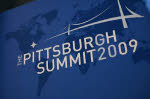
dismiss both groups, without realizingsummit.jpg that they had brothers and sisters in
Christ in both camps, politicians and protesters, whose calling they (unintentionally) demeaned.  Surely there are some well-intended Christians seeking to
be salt and light Daniels or Josephs or Esthers, voices of wisdom and justice, within the high-powered diplomatic
community;  likewise, as I have noted, some of the protesters were themselves
devout Christians, seeking to raise a Godly voice for the common good.

 Perhaps
instead of running to the suburbs the radio station should have boldly invited
folks into the mix of politicians and protesters.  Yes, yes, I know, it is easy
for me to say this from the relative quiet of Dallastown.  And I understand that
there was some danger, not knowing what the unauthorized, wilder faction of protesters were going
to spring.  Still, there were congregations and faith communities in Pittsburgh
that were trying to support both Summit leaders, protesters, the press and the
curious with a ministry of presence and involvement. (There was also a considerable prayer ministry, behind the scenes, that some churches had developed.)  I hope you had some
friends that were there; one good friend went to “pray with his feet” as Rabbi Abraham Heschel used to say, but left when the tear gas canisters came; another H&M fan was quoted in one of the national news stories.  I hope you were paying attention to some of these reports.  Resistance to
injustice is a holy calling and while hitting the streets, doing civil
disobedience and mass protest may not be the most effective way to work for
appropriate reforms, there obviously is a time and place for such public
witness. 

There are opportunities to be involved in issues of
creation-care, global justice, economic stewardship, witnessing for peace and public righteousness and the conversations next week about the Summit will be interesting, I’ll bet.  In my September monthly review column (to be posted soon) are a few books that will help guide us as we engage in thoughtful
conversations about what went on in Pittsburgh this week, in the convention center and in the streets, and what will continue
to go on in the months to come. 

We have specialized in these kinds of books about Christian views of public justice and international affairs
since we opened, and are sad to hear that not many religious bookstores stock
stuff on global poverty, Christian views of economics, stuff for citizen
action.  Maybe that is changing, as most religious publishers have done some
books along these lines.  Let us pray they continue to do so, that bookstores
stock them and that people buy them.  It is easy to fault local bookstores or
church libraries for not having this kind of stuff, but it is often because they
are not purchased by the consumers.  (Uh, dear reader, that you be you.)  When they don’t sell, the publishers are understandably reluctant to issue too many more, and then, of course, folks complain that the church isn’t adequately resourced.  We’ll, we stock ’em whether they sell or not, and trust that the right readers will find us.

 So if
you care to know that we have these kinds of things, pony up and buy some; read ’em or give ’em away to people who might be interested. 
Start a study group, get a social concerns committee going at your church or
campus fellowship, start a Sunday school class.  Let us know what your doing,
and perhaps we can serve you further by offering resource lists, book titles or
action projects.  There are so many really good books available.  Will  trust you value our telling you about them.  Will you help us get the word out?  We believe that is why
you choose to read our blog and order from our shop.  For that, we thank
you.

Here is the link to the book list of a few good titles on
globalization, international justice  over at the monthly column pages.  These may be helpful to inspired faith-based folk to raise up a
witness for the common good, offering unique insights and passions,
Biblically-influenced and spiritually sound.  Feel free to forward it to anybody
who might care.  Thanks again.

In the meantime, though, I will do a brief shout out to a few that you just have to know about.  Firstly:

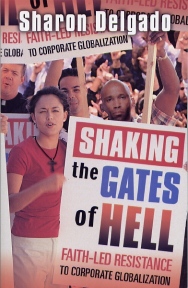
shaking the gates.jpgIf you want to do some theological reflection written by the kind
of person who would be protesting—and arrested–at the Summit, I have to tell
you about Shaking the Gates of
Hell
: Faith-Led Resistance to Corporate Globalization
by Sharon Delgado
(Fortress; $20.00.)  The first page of the book describes her night in jail
after the infamous Seattle G-8 Summit.  Here, she speaks hard truths
about
the injustices of the global economy, the imbalances of power, the
rape of the Earth and the way nonviolent active resistance can be spiritually
enriching, joyful, showing a better way as a symbol of Christian hope.  Jurgen Moltmann says of it, “This
book is authentic and convincing with personal experience and a great vision.  In many
corners of the world there is a new paradigm emerging…I read this book with a
moved heart and new encouragement.”  Catherine Keller, a theologian from Drew,
simply says, “This book doesn’t just shake, it rocks!”  If you wished you could
be part of a spiritually rooted, nonviolent uprising, this is for you.  If you
really don’t have a clue why some people see the world like this, and intend to
make a better world a reality, read it and learn.  Before you dismiss the
protesters as crazies or anarchists or fools, give her a chance.

G20
20% blog deal
Shaking the Gates of Hell
usually $20
now only $16
order here


Hearts & Minds 234 East Main Street  Dallastown, PA  17313  717.246.3333

Hearts & Minds on WORD FM

Thanks to my friends, talk show hosts John & Kathy out in Pittsburgh, PA, who call from time

john and kathy.jpg to time asking me for an on-air book reviews. They sometimes interview me and, as you may guess, they have a huge listening audience.  I feel a bit intimidated, although they couldn’t be sweeter.

Or, sharper.  Half the authors I recommend, they’ve had on the air, it seems–it is Christian talk radio done right!  You may even be able to hear it on line at the WORD FM facebook page here.  

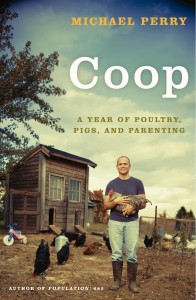
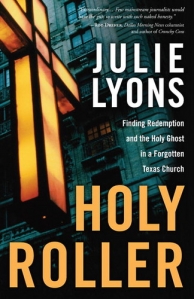
I was on this afternoon, even fielding some calls from listeners.  After talking about Coop: A Year in Pigs, Poultry & Parenting (Michael Perry), The Unlikely Disciple (Kevin Roose) and Holy Roller (Julie Lyons) and some of the others on our blogged list of most fun books of the summer, we got into it. Calls ranged from the need for books about financial planning to the consequences of the Protestant reformation, from a question about Little House on the Prairie to books for one going through a dark night of the soul.  This was a bookselling buzz and the time went too fast. Thanks to those who called in. 

I had a stack of books sitting by my phone, new stuff that I would have loved to have given a shout out about, but time didn’t permit.  It is rare I get to celebrate and recommend books to such a vast audience, and I wish I coulda squeezed ’em in somehow.  So, here, now, for anybody who was listening, the titles I intended to promote.  Thanks again to J&K for their generosity and support. 

In no particular order, then, here are some new, important books that we are excited about:

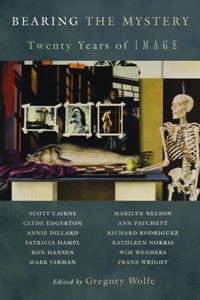
bearing the mystery.jpgBearing the Mystery: Twenty Years of Image  edited by Greg Wolfe (Eerdmans) $30.00  Maybe it is best I didn’t bring this up live on air as I could have talked about it for the full hour: it is a large collection of essays, short stories,  creative fiction, insightful non-fiction, paintings and a goodly number of poems from the flagship journal for those involved in the movement of those doing faith-based literary art.  Image has been around for 20 years and stands doubtlessly as the most classy and significant faith-based literary magazine in publication.  This wonderfully bound, handsome and thick hardback is testimonial that through much blood sweat and tears, joy, goodness and grace, a small band of serious Christian writers (and subscribers and donors) have kept this journal alive.  Contributors to this “Images’ greatest hits” text include Scott Cairns, Annie Dillard, Clyde Edgerton, Mako Fujimura, Pat Hampl, Ron Hansen, Denise Levertov, Kathleen Norris, Ann Patchett, Richard Rogriguez and many, many more.  Film-maker Wim Wenders has a piece; there is something by the late, great musician Mark Heard; there is poetry by Luci Shaw; there are stunning full color plates by the likes of Bruce Herman, Catherine Prescott, Tim Lowley, Ed Knippers.  There is a great woodcut by Barry Moser, a moving charcoal scene of Christ’s passion by Wayne Forte, a haunting b/w piece (graphite, gesso, steel, and pastel on birch) by Erica Grimm-Vance.  This book is a stunning bit of serious literature and art and criticism, artfully made, as a labor of love and celebration.   With rave endorsements on the back dustjacket by Dana Gioia and Kenneth Woodward and Jeremy Begbie and Lauren Winner, you can see this is the highest quality stuff.  It perhaps one of the best examples of the ways in which deeply religious artists have made a contribution to the culture.  See their wonderful Image website here. Glory be.

Woman Overboard: How Passion Saved My Life  Jo Kadlecek (Fresh Air) $17.95  This isWomanOverboard.jpg the second book I’ve enjoyed from this new imprint of the legendary Upper Room press, and it is spectacular.  Fireworks were going off in my brain with certain pages, and I kept running inside from my backyard perch to read a section to anybody that would listen.  Kadlecek has written a number of books and she is good; very good.  These autobiographical pieces hold together as nearly an extended memoir, offering insights about work, calling, passion, relationships, suffering, always finding a way to do more than just go through the motions of life.   Robert Benson, whose tender book on vocation,
 The Echo Within was one of my favorite books of the summer, says that she is a rare writer that has the courage to examine her life closely and gifted “to write so that others can more clearly see the truth in their own lives.”   Learn more about her, her novels and other writing, and her husbands documentary film work at Lamppost Media, here. 

Follow Me.jpgFollow Me to Freedom: Leading and Following as an Ordinary Radical  Shane Claiborne & John M. Perkins (Regal) $14.99  Since my Pittsburgh days with the CCO days in the 70s and our time spent hanging around a few urban churches then, we came to admire and respect John Perkins, an elder African American statesmen of evangelical faith whose books on racial reconciliation and economic development has made him one of the most significant writers of our lifetime. (Read his first autobiographical testimonial, Let Justice Roll Down if you don’t believe me.)  That he founded the wholistic outreach and leadership school in Mendanhall MS, Voice of Calvary, and the important, national CCDA and authored books inviting conservative evangelicals into the civil rights struggle is not his only legacy;  he has mentored dozens of others, leaders in urban ministry, mostly, and is now, in his 80s, wanting to know how to pass the baton on to create a new generation of leaders and followers. These are transcripts of live conversations, with John offering no-nonsense wisdom, and young Shane offering humor, passion and whimsical revolutionary spirit that was seen in his zany and profound Irresistible Revolution.  His own experiences from his work in The Simple Way are amazing, and he adds very relevant insights.  A book by either is worth reading, but this dialogue format makes for a really unique project.

            
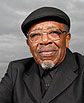
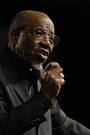
shane.jpg shane c.jpg              john m. perkins.jpgJohn Perkins.jpgThese two men–and older black gentleman and a hipster young white guy— are a perfect duo, and this may be the most interesting book of the fall.  Highly recommended, just for the privilege of listening in on two very, very important and feisty and experienced leaders.

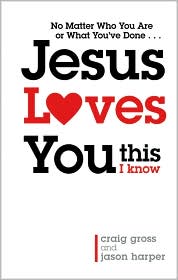
Jesus Loves You 2.JPGJesus Loves You This I Know  Craig Cross & Jason Harper (Baker) $17.99  Many admire Craig Cross for his triple x church, the edgy outreach to porn stars and those in the thick of the adult entertainment industry.  They’ve concluded that, in many ways, these are among the most despised folk of our day, and they’ve earned the right to be heard as they show up, buying booths, at this detestable venues (trade shows of porn dealers, etc.)  Believe it or not, they are taken seriously (not so much by the church community, but by the porn dealers and filmakers.)  So, now, after their stint in that, they’ve created this collection of stories that shows that God loves everybody, that the chance to repent is offered to all, and that it is the job of Christ-followers to met people “where they are at” and offer grace and mercy.   These stories are basic, tender, tough, and strangely moving: God really is love, and as we share that good news, people come to understand religion–and a relationship with Christ–in a whole new way.  There is a DVD that goes with it, too ($12.00.)  This DVD has face-to-face conversations with the people described in the book, showing that Jesus does love the porn star, the outcast, the broken, the skeptic, the crook… Pretty touching stuff.  Check it out at www.jesuslovesyou.net and then come back and place an order.  Thanks.
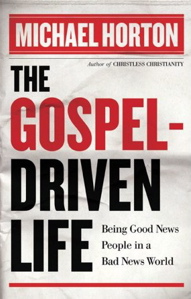
The Gospel Driven Life: Being Good News People in a Bad News World  Michael Hortongospel driven life.jpg (Baker) $19.99  Okay, wondrous literary work, passion for life, radical discipleship for justice, and tender tales of care and outreach make for wonderful, inspiring and helpful reading.  I really meant everything I wrote above about how we commend these titles.  I wish I could have explained about them on the air in the radio talk.  Yet, it is our strong conviction (and has been for as long as we’ve been recommending books) that we also need solid, mature, and serious, orthodox theology to under-gird and guide our culturally savvy and edgy, relevant outreach.  A year ago, Reformed theologian Horton gave a devastating critique to both mainline traditions and especially to shallow and trendy evangelicalism in Christ-less Christianity;  he not only exposed the vapidness of liberal Christian doctrine, but lamented the lack of teeth in most evangelical theology.  In both cases, both “sides” of the Protestant church are basically self-help: we can get by without a radical conversion to Christ exalting faith. We don’t really believe in the doctrine of grace.  Here, Horton revisits this dilemma and offers lasting hope: the good news is a narrative of God’s saving work in the world, and the redemptive work of His cross can be applied not only to those outside the church (who need to “hear the gospel”) but to those inside the church who long for Christian growth and maturity.  We must (as Luther said) preach the gospel to ourselves.  This book shows you how.  Right on.

(Not) On the Radio
BLOG SPECIAL
any mentioned
20% off
Order Here
or call
717.246.3333

Hearts & Minds  234 East Main Street  Dallastown, PA  17313

Head, Heart & Hands: Bringing Together Christian Thought, Passion and Action

Those who follow Hearts & Minds know that we sometimes get to go out to speak at conferences and retreats, doing presentations on vocation, worldview, cultural engagement, social justice and, of course, talks on reading and other book-related themes.  We were thrilled this past weekend to be a part of the student leadership retreat for those involved in the Gordon College chapel ministry.  Held at a lovely, classic, lakefront camp in New Hampshire, I spoke to vibrant students who do various sorts of ministries and mission projects through the chapel.  Dr. Greg Carmer and his extraordinary staff do great work offering programs, discipleship, worship and mentoring and it was a delight to seem them in action with their student leaders—and to hang out with very impressive college students.  (Plus, I will never hear Tom Petty’s Free Fallin’ again, without thinking of the epic Verizon spoof, Free Callin’.  I love college kids!)

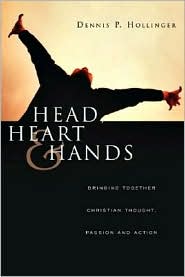
head heart hands.JPGThe theme of our time was captured by the wonderfully titled book by our friend, ethicist and now President of Gordon-Conwell Seminary, Dennis Hollinger, called  Head, Heart & Hands: Bringing Together Christian Thought, Passion, and Action (IVP; $15.00.)  What an important concept and challenge, to bring together these facets of Christian growth in a balanced and wholistic way.  It is a theme Dennis has written about, preached on and listened to folks discuss for years, and this book is a culmination of his good insights.  I think it is very important and helpful.
I think we know the sort of reader who attends to our reviews, here, and I think you’d find this to be a great resource, just as the students did at the retreat.  Hollinger tells good stories, sharing about people he has met who have lived in only one facet of their faith, overstating the role of thinking, or feeling, or doing.  That is, many people (and many churches or faith traditions) tend to miss the depths and riches of a truly balanced and multi-faceted faith journey and live with distortions and subsequent problems.  To put it bluntly, they are lopsided. Yes, yes, we must think, and think deeply; we must feel God’s Spirit and be open to heart-felt faith; of course we must live in obedience, doing concrete acts of daily service, deeds, and mission.  But to see faith as only or mostly a matter of the head or heart or hands is to live a fragmented and reduced form of faith that is not adequate, sustainable, or Biblical.  The distortions are real, and dangerous.  Head, Heart & Hands shows us why, and what do to about it.  Perhaps you might refresh your faith this season by considering your own imbalances or peculiar tendencies.  Or you might know somebody whose faith is less than robust, perhaps a bit odd, maybe toxic.  Maybe your own congregational leadership is a one-note song.  Sadly, many churches are not good places for helpful growth, but feed the very distortions described in the book.  This book could help.
Interestingly, this call to nurture all three aspects of faith reminded me of why we chose “hearts & minds” as a phrase to capture what our store is about.  This stuff is important to us, and important to our calling, here.  Do you, too, have a passion to help others grow in balanced and wise faithfulness?  You should know this book.  It is a book that I truly love, and that speaks well to what we hope will be the fruit of selling the books that we do.  We do indeed need to reject shallow faith, anti-intellectualism, or a religion that fails to grapple with life’s deepest questions, and the culture’s toughest critics.  We need to “think Christianly” and read widely. However, we don’t want just arid dogma or a brainy faith, but an experiential encounter with the Spirit (which leads to a wholesome and authentic sense of self, emotional health and a well-centered personality. It was John Calvin, by the way, who insisted that knowledge of God and knowledge of self are intimately related.) And, of course, it is our calling to live out daily discipleship in real practices, coram deo, especially in our particular careers and vocations, seeing all of life as service to God and neighbor.  Besides daily acts of kindness and obedience, we need to be advocates for public justice and peace and creation-care, working hard in the culture for the common good, as neighbors, citizens, and as people of faith communities. 

One of the great strengths of Head, Hearts & Hands is the way Hollinger shows that we don’t just need more of all three aspects of faith.  Actually, all three are deeply intertwined, and our thinking/feeling/doing can be mutually related.  To think more faithfully will truly allow us to love differently–that is, to care–which, if authentic, will cause us to live differently, as we embody the passions of are heart.  And these experiences of passionate feeling and living will naturally allow us to hold new insights, even as we ask deeper questions about the very things we feel and do.  This leads to what he calls “mutual reinforcement” as we seek a whole faith for whole people.  Dennis is very clear about this, concise and helpful, and we really recommend his work.  I only wish I could have cited him more to the students, as re-reading the book helped me prepare for my passionate messages to these young leaders.  So, I commend it to you, here. 

A beautiful, rich book that deserves it’s own review on similar themes, by the way, is the profound Reordered Loves, Reordered Lives: Learning the Deep Meaning of Happiness by David Naugle (Eerdmans; $18.00.)  I have referred to it here before, and told the Gordon students about it.  What we most love, what we care most about in life, will indeed shape what we think and do. Naugle reminds us that worldview formation and spirituality and distinctive Christian lifestyles are, finally, less a matter of our rational views or creedal affirmations, but a matter of the heart and imagination.  You can learn more about it here. 

We hope our book reviews and book-selling facilitates among God’s people more thoughtful
Byron at Gordon retreat.jpg faith, mature spiritual formation, and relevant, faithful social action.  It is our hope that Hollinger’s ruminations on this in Head, Heart & Hands are read and discussed, helping us all with a faithful, balanced, healthy disposition to the things of God’s Kingdom.  And here is a picture of me in lovely Deer Run lodge.  You can’t see it, but the orange chair to my right has a book on it.  Guess what?
 

meaning of sex.jpgDr. Hollinger, by the way, has a recently released book, (which I actually mentioned earlier this summer, I believe.)  It is called The Meaning of Sex: Christian Ethics and the Moral Life (Baker; $19.99.)  As a wise and thoughtful ethicist, I think Hollinger gives us, as Richard Mouw writes, “a rare combination of theological-philosophical expertise, cultural savvy, and pastoral sensitivity.”  Walt Mueller (of the Center for Parent/Youth Understanding) says “it is the best contemporary treatment…I’ll be recommending it as a must read for all pastors, parents, youth workers and young adults.”  We stock that too, of course.  It is a real case study of the need for a unity of tender thinking, passionate feeling and embodied deeds, eh?  Hollinger is really on to something.

BLOG SPECIAL
Head, Heart, & Hands
regularly $15.00
now 20% off
$12.00
Order Here
Hearts & Minds 234 East Main Street  Dallastown, PA  17313     717.246.3333   

New Donald Miller: A Million Miles in a Thousand Days

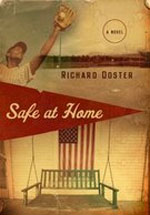
Okay, I sort of told a white lie.  Yesterday I waxed on about my favorite books of the summer, hoping folks would shell out for Michael Perry or Richard Doster.  I explained about Holy Roller and The Unlikely Disciple.  Oh yeah, we listed the books we most loved, enjoyed, learned from, and appreciated over these last few months.

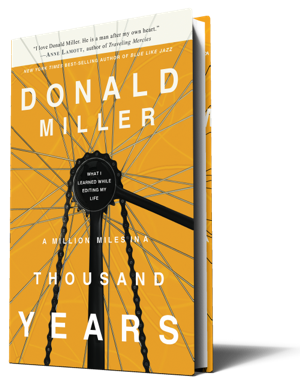
Million Miles in a Thousand.pngBut I did not tell you about one of my absolutely finest reading experiences of the season, the time I spent with my advanced promo copy of the forthcoming Donald Miller, A Million Miles in a Thousand Years: What I Learned While Editing My Life (Nelson) $19.99.  I didn’t feel right mentioning it since it isn’t out yet, and it is a real privilege that I got an early review copy.

So I didn’t mention it.  But when I look at that list from yesterday–and a fine one it is, if I do say so myself–and I think about sitting out back at our picnic table, I have to mention the forthcoming Miller.  I was a highlight of my summer reading.  Heck, it was a highlight of my summer!

I really did like his million-selling Blue Like Jazz: Non-Religious Thoughts on Christian  Spirituality, and thought his Searching for God Knows What was even stronger—clearer about theological concepts, and an important, helpful look at true faith. (For some reason, some are fretful of his doctrine, and I suggest they actually read this one, at least.)  I got teary at his book on fathering (To Own a Dragon), and am happy to be one of the few bookstores that really got behind his very first book, later re-issued as Through Painted Deserts which tells of a post-college road trip in a van, thinking about God, girls, beauty and such. Well worth reading!  I am not sure exactly why I like his books so much, besides the zany characters he seems to meet and the sly stylings, but if you haven’t read him, you simply must.  He is a good, clever, interesting writer that speaks in a voice that really works.  And he’s got fans.

Miller is a somewhat edgy, s they say, a youngish, hipster-slash-bohemian writer whose evangelical faith is challenged by its cheesy and shallow oddities; he’s smart enough to see through that, and so wants to tell about a more authentic, Christ-like, real kind of faith experience.  So he’s been on a journey, trying to be authentic and hip and real and honest about Jesus and life and times.  It has helped some of our customers when I say that he is moving out of evangelical faith’s cultural in-house ways and sort of meets Anne Lamott on her way into faith, out of her sex and booze addled bohemian past.  They are coming from different places, to be sure, but have a bit in common, it seems.  She is truly one of the better essayists of our time (and a fine novelist) and it is nice that, now, on the very front of Miller’s Million Miles in a Thousand Years hardback, there is this solid Anne Lamott blurb: “I love Donald Miller. He is a man after my own heart.”  Well, there ya go.

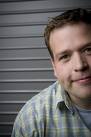
miller.jpgMiller is rooted in and seems to remain in the evangelical church, though (in a way Lamott does not, exactly.) He is a writer that reminds me for some reason of Holden Caulfield, with these simple repetitive sentences and odd places for periods.  He tells stories, and he tells them very well, in an understated kind of way.  He’s funny and also insightful, and this may be his most important book. It is certainly less overtly religious than his others, making it ideal for seekers, or for those wanting to figure out their lives.  I suppose that many Christians will want to give it to people, especially angst-ridden 20-somethings or, those like Miller, angst-ridden 30-somethings who may not read a more obvious theological book.  I know it sure won’t turn anybody off, and it will draw people in.  It is a fabulous memoir.

The book will be out in a few weeks, and I must say that I cannot wait to sell it.  I so enjoyed it earlier this summer, truly wanting to see what happens to him as he re-evaluates his life Big Time.  Why does he do this, you ask?  Well, you’ve got to read the book, but basically it is this: some guys are making a movie of his life, based on the popularity and appeal of Blue Like Jazz.  They ask him—white board now moved into his living room at the condominium, starting to map out the screenplay—what he does.   What does he do?  He thinks about God a bit, imagines himself a writer of deep thoughts. He ponders his last and next book,  goes to the coffee shop, complaining about the Christian right, maybe, with some righteous indignation.   He cares about stuff.  Yeah, yeah, they tell him.  Nobody cares about that.  It becomes evident, in chapters that are hilarious, and yet somehow very convicting (to this reader, at least), that for a movie about one’s life to be compelling, it has to have some narrative arc (as they say in the story-biz) and without some admirable action, some struggle, some movement, well, there isn’t much of a movie or story.

 So–get this– the real Don decides that the movie Don is much more interesting and nobleDonald Miller.jpg and important that he, the real Don, actually is, and decides to do something about it.  If the real Don wouldn’t be all that interesting in the movie, well, perhaps the theories of movie-making—that is, what makes a good story, what makes a good life—might help him reconfigure his own life.

 The subtitle, “what I learned while editing my life” really is exactly what happened.  And, man, does he fly.  A listless, writerly, ironic, Portland-based,  post-evangelical thinker, becomes more intentional, more earnest, more active, more radical, more really real.  It is an amazing transformation, actually.  Graceful?  Well, it isn’t without stumbles and set-backs, but I think it is graceful.  Yes, this is a graceful book.  It is about making a movie about your life, and what that might make you think and do.  That is, he wants his real life to be as interesting and noble as the one in the movie they are making.  Is that a crazy-good idea for a book, or what?  Sederis or Palahniuk didn’t think of that, did they? 

A Million Miles in a Thousand Years: What I Learned While Editing My Life by Donald Miller is a can’t-put-down saga, a dramatic bit of storytelling about, well, about storytelling.  It is about the making of a movie, and the need to have the life the movie is about be worthy of making a movie about.  How about you?  Would a movie of your life be interesting?  Good?  If you studied film a bit, read some novels, learned some stuff about narrative arc and virtue and story, might it effect your own sense of the story you are a part of?  Do you think God is a part of that?

We say, these days, that our lives should be part of God’s story.  That our worldview is really best described as the narrative that shapes us, the story we are a part o
f.  That is exactly what Miller discovers, in his lackluster, oddball way.  He is honest and funny and a bit goofy and ends up in Africa and riding his bike across country and paddling in a kayak or something up to Alaska or somewhere.  He meets some rich people, and some not so rich people.  He tells of a very, very moving funeral, where the person’s life obviously was worth mourning and celebrating.  He wonders about his.  And he invites you to wonder about yours.  This is one of the books of the year, hip, funny, interesting, contemporary, and deeply right.  Our lives need to make sense, and they do that when we live for something other than our own sorry selves.


BLOG SPECIAL
PRE-ORDER
Donald Miller’s new
A Million Miles in a Thousand Years
$5.00 off
now just
$14.99
and get
Blue Like Jazz

for $5.00
Feel free to order extra Blue Like Jazz at this great price if you’d like.
while supplies last

ORDER HERE

Hearts & Minds 234 East Main Street Dallastown, PA  17313     717.246.3333


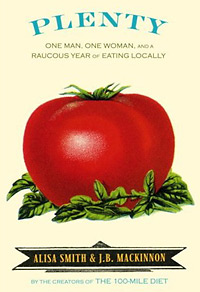
BEST BOOKS OF THE SUMMER 09: Coop, Holy Roller, Unlikely Disciple, Plenty, and more

As is often the case, I’m not quite ready for the Fall to begin.  For one thing, there are too many books still on my “want to read soon” stack, and a few lovely titles that just seem right for summer.  Oh well.  This really has been a rich reading season for Beth and I—that isn’t always the case as sometimes we are just too busy handling the books to actually read much.  So, we’re happy about the lists we’ve made, and the titles we’ve loved.   Here are

coop bigger.jpgCoop: A Year of Poultry, Pigs and Parenting Michael Perry (Harper) $25.99  I’ve noted this before and both Beth and I name this as our number one book of the summer.  Perry is a decent, decent chap, a funny and thoughtful guy, and a heckuva good writer. We love his work.  Some of his sentences just made me smile, others had an impact that I can hardly explain.  Here he is, again, in the middle of rural Wisconsin, recalling his religious upbringing, his farming family, and he narrates a season where he and his new wife do a home birth, raise some pigs, build a chicken coop, mourn the death of relatives child, struggle with the balance of his writing life and their rural life, trying to be good neighbors, good to each other, and actually get some stuff done.  This is one of my all time favorite books, and it is intelligent, wise, very well crafted, and deeply caring.  Highly recommended.  Then get his others, Population 485: Meeting Your Neighbors One Siren at a Time,  Off Main Street, and Truck: A Love Story.
 

holy roller.jpgHoly Roller: Finding Redemption and the Holy Ghost in a Forgotten Texas Church Julie Lyons (Waterbrook) $18.99  This is the story of a white reporter who enters the world of inner city, Black Pentecostalism, where she is mentored by a self-taught holiness pastor and his wife, even as she reports on their healing ministry among crack addicts.  From learning about deliverance from demons, to learning about racism and urban struggles, Lyons and her husband and young child take to the church, and, twenty-plus years later, are still members, the only whites in the African American storefront congregation.  Ms Lyons—a fairly conservative evangelical, now Holiness Pentecostal, who herself has a bit of a backstory of her own sadnesses—writes a blog for her newspaper, the Dallas Observer, that is owned by The Village Voice;  her pro-life stance and calls for traditional sexual ethics are not popular amongst the liberal gay-friendly readership, but the Voice, to their credit, keeps her on. (Talk about diversity!)  So, this woman from a pretty strict, all-white, up-tight, up-bringing, now is getting death threats from her newspaper readership, working the crime beat in what in the 90s was one of the most dangerous neighborhoods in America, and learning to be a spirit-led Christian among these elder brothers and sisters in a run-down Dallas church where poor blacks come, expecting miracles amidst drugs, sexual violence, gangs and all the rest.

It is hard to tell you how thrilling this book was, and how it oddly kept both Beth and I up nights, reading to see what crazy episode would crack open next.  For those who have any interest in charismatic renewal, urban problems, the historic black church, racial reconciliation, or a just rip-roaring spiritual memoir, this is a fine read.  As Rod Dreher, of the Dallas Morning News says, “Extraordinary…Few mainstream journalists would have the guts to write with such naked honesty.”  For a fabulous interview with the author, go here.


unlikely d.jpgThe Unlikely Disciple: A Sinner’s Semester at America’s Holiest University  Kevin Roose (Grand Central) $24.99  I think it was my friend Derek Melleby who convinced me that this was really very important, a fabulous inside look at evangelical students, at college life, and at how American fundamentalism is seen by an outsider.  A very talented young journalist from Brown University takes on, as it says on the back, a “cross-cultural journey of Biblical proportions.”  Roose is a fun,  writer—he was an intern with the talented and hilarious A. J. Jacobs, who helped him cook up this crazy idea of going undercover to pretend he was a fundy student at Falwell’s Liberty U. Of course, Roose doesn’t quite know enough to know how to do that, (like, for instance, that he wasn’t supposed to cuss, and he ought to know how to locate and pronounce the books of the Bible–duh.) Those of us who have spent time in the evangelical sub-culture will cringe and laugh and cry at his awkward situations. (And those who wonder what a men’s dorm is like, well, you get that, too, vividly.) Yet, Mr. Roose is open-minded, and like any good undercover anthropologist, learns to love his subjects.  And what subjects they are!  Rob Bell says of it, “This is a brilliant book. Absolutely brilliant. Roose’s wisdom, humanity, and love kept me going.  And I laughed.  A lot.”  Yep.  I don’t care if you like Falwell or don’t like Falwell, if you are interested in American colleges or care about the evangelical sub-culture, this is a great story, well written, interesting and humane.  Enjoy.

Plenty: One Man, One Woman, and a Raucous Year of Eating Locally  Alisa Smith & J.B.plenty.jpg Mackinnon  (Harmony) $13.95  All right, I’ll say it right out: I liked this better than another book I said I liked last summer, Animals, Vegetables, Miracles by the esteemed and vital Barbara Kingsolver.  Yes, Kingsolver is a master of luscious sentences, and her story of their year of farming was very nicely done.  But this!  This was fun, really interesting, and significantly engaged me as this young couple promise to live on what they’ve dubbed “the 100 mile diet.”  That is, to keep from wasting energy and fuel by shipping food all over the planet–a wasteful and unsustainable habit that they don’t spend too much time describing—they intend to eat only stuff grown within 100 miles of their Vancouver home.  They are both journalists, so they’ve got the reporting thing down, and as young writers, they’ve got a spunky style that is appealing and clever. Some of their pages are truly beautiful, some nearly anguishing.  As Deborah Madison, author of Local Flavors, writes, “I assure you that your farmer’s market will never again look the same.  Nothing you eat will look the same!  This inspiring and enlightening book will give you plenty to chew on.”  Yes, it is noble, and give us much to think about as we try to live better lives; Bill McKibben is right in his blurb that says that their account shows us how we might
live in a way that is “better for this earth, better for the community and better for our bellies.”  But  here is why I list it now: it was just a hoot to read and I really grew to care about them. They can really write.  It was a great saga. I couldn’t put it down. Yay.  By the way, I showed the cover art of the wonderful hardcover ($24.95) above,  although the paperback has a new design.  And a new subtitle, the more prosaic Eating Locally on the 100 Mile Diet. 

Causing a Scene: Extraordinary Pranks in Ordinary Places With Improv Everywhere
causing a scene.jpg Charlie Todd & Alex Scordelis  (William Morrow) $19.99  I know I often list heavy books about theology and social criticism and social injustice and deep stuff about our inner lives.  It’s what we do, mostly, and we think our readers appreciate knowing books about the intersection of faith and culture, worship and work, prayer and politics.  I love regular non-fiction. But sometimes, I just am taken with a book, or even a part of a book that doesn’t have too much point.  I had know idea about “Improve Everywhere” (but my kids knew, and you probably do to.)  They just pull off these large-scale outdoor stunts, pranks that they truly insist should not harm anyone, with a network of folks that show up that they call “agents.” (I’m not making this up!)   They invade a Best Buy store with hundreds of people dressed in blue and kakhi, and watch the mayhem for a bit.  They recruit people to “freeze” in Grand Central Station, freaking people out. They host an autograph signing in a real bookstore with an author that has been dead for a century, until the store makes ’em leave.  They are unpredictable, off the grid, loony, brave, and I think on to something.  I’m just not sure what.  This book explains some of their best pranks, how they came up with the ideas, and I think explained the details of what actually went down during the actions.  I can’t actually say, because I was laughing too hard to actually read it all, and went on line right away to see this stuff.  The Youtube videos are  entertaining, but–and I’m not just saying this–the book really is better. In the acknowledgments, the authors admit that they’ve learned about the “Situationists” art movement, but they mostly thank Andy Kauffman and the Flaming Lips in the acknowledgments.  Of course they do.  Check out .www.improveverywhere.com. 

I have not read nearly any novels this summer, although (as you can see) my love for memoirssafe at home.jpg leads me to books that nearly seem like fiction—who could make up this kind of stuff?  Beth has covered a lot of fictional ground, though, and wanted to give a shout out to a writer we respect, a smart guy who edits a very thoughtful magazine called byFaith, Richard Doster.  Doster’s novel of last year, Safe at Home (Cook; $6.99) was a 2009 Christy Award Nominee and is now available in an inexpensive, handsome mass market sized paperback.  It is about a sports writer, covering baseball in the south about the time of the civil rights movement. It covers sports, yes, and has a classic Southern feel, taking us into the spring of 1953, in a small town called Whitney. (Doster himself lives in Atlanta, and is a Mississippi native.)  As the town comes to grips with racial integration, some very moving stuff unfolds.  Beth loved it, actually, and insists that one doesn’t have to be a baseball fan to appreciate the well-told story.  One doesn’t have to like bee keeping, necessarily, to enjoy The Secret Life of Bees, of course, and Moby Dick isn’t really just for fisherman.  Get it.
. 

Crossing the Lines.jpgCrossing the Lines is Richard Doster’s new one (Cook; $14.99) and it picks up where Safe At Home ended.  The reporter Jack Hall has moved and yet finds himself on the fault lines of race and class as he is sent to cover the Montgomery bus boycott for his new paper.  Beth may not be a scholar or historian of this, but she knows a bit about the civil rights movement, and was impressed at the historical accuracy that Doster carries.  Some rare names are mentioned, showing us he’s done his homework on the details.  More importantly, though, for a novel, the story rings true. The characters are interesting.  The plot unfolds well, the writing is much better than average.  Thank goodness for this kind of fiction, rooted in a Christian worldview, but not didactic or preachy. It is full of drama, though…  Highly recommended.

BEST OF SUMMER
BOOK BLOG BLAST
25% off on any two
10% off on any one
ask for the Best of Summer deal
Order Here

Hearts & Minds 234 East Main Street  Dallastown, PA  17313     717.246.3333