An American Awakening and other new books for post-election civic conversations and action

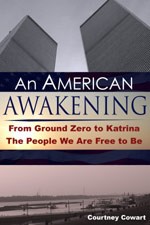
627101_0_150.jpgAn American Awakening: From Ground Zero to Katrina, The People We Are Free to Be by Courtney Cowart (Seabury; $24.00) is a book I’ve not quite known how to promote, but now it hits me.  This is, like the one I mentioned yesterday (How Free People Move Mountains), a great example of the sort of book that could enhance our conversations in these next heady days about who we need to be as a people, and what we need to be about.   President-elect Obama put out a clear call in his moving acceptance speech the other night that government can not–perhaps should not—try to fix everything.  “The first thing to say about politics,” Father Richard Neuhaus has said, “is that politics is not the first thing.”  Efforts at cultural renewal and attention to civil society and institutions other than the state are as urgent now as ever.

An American Awakening is a fine book, a study of hope, and of ways that grace has worked its ways in and around places of real suffering.  This moving telling of the tales of discipleship that have lead to caring and concern, action and activism, is just the sort of witness to relevant faith that we need.  As Walt Brueggemann puts it on the back cover (a cover laced with significant quotes) “It is a raw human account of day-to-day care and generosity that is marked by faith and that smacks of courageous staying power.  It is a narrative of immense power that invites recovery of human dignity, neighborly solidarity, and active hope.”  Rev. Cowart is a “sacred activist” and a 9-11 survivor (she worked at Little Trinity on Wall Street) who has served in relief work across the country.  Sad and serious stuff, to be sure, but also exiciting, substantive and thoughtful.

New Neighbor: An Invitation to Join Beloved Community  Leroy Barber  (Mission Year)leroy.jpg $14.99. Oh wow, is this a cool, cool book.  It is trim, a bit larger than pocket sized, full color on serious stock, and an amazing synergy of graphic art design, photography and testimony of folks who have reached out through the ministry called Mission Year. (Do check out that link to their website, it is fabulous!  Or go to the website for the book itself.)  I like the line of Rusty Pritchard (Director of the Evangelical Environmental Network) who said “When you see the problems of the world as clearly as Leroy Barber does, most are tempted to despair.  But time and again I’ve seen Leroy counter that despair with encouragement, hope, and down-to-earth examples of love in action.”   These stories—and evocative photos by Brian T. Murphy—are enough to inspire even the most jaded to sacrifice and action.  This is the kind of stuff we need to be talking about, the sorts of innovative caring that can bring healing and wholeness to our broken urban communities.  Kudos to Mission Year for their amazingly good work, and, now, for prodocuing a handsome, hip handbook, an art project that shares the gospel, telling the stories of those who love.  Highly recommended.  Mr. Barber, the CEO of Mission Year, will be at Jubilee 09 in Pittsburgh in February.  Gonna be great…
Speaking of inspiring urban warriors, Bill Strickland is a guy I briefly met and immediately admired over 30 years ago in a rough and tumble bit of the North Side of Pittsburgh called Manchester.  There was an evangelical Catholic Worker house nearby, and I’d take friends to hang out and help out.  Strickland, I heard, was starting to do job training for urban youth around traditional arts and crafts skills (and, getting guys to play jazz, as well, which has earned him respect from his friend Quincy Jones.)  From pottery to stained class to flower arranging, the Manchester Craftsman Guild helped bring renewal and change to this tough place, impacting the lives of thousands.  Stickland is still the activist leader of Manchester Bidwell, and has gone on to become a world-renowned speaker and his story is nicely told in Making make the impossible.gifthe Impossible Possible co-authored by Vince Rause (Doubleday Currency) $23.95.  On the front the audacious title continues One Man’s Crusade to Inspire Others to Dream Bigger and Achieve the Extraordinary. 
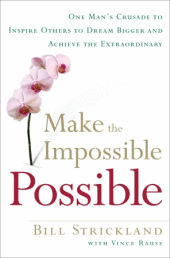
Strickland is a true African American hero, kind of an inner city, artsy, highly motivated, very multi-faceted, entrepenureal Ben Carson, perhaps.  Hillary Rodham Clinton notes, “The Guild is a testament to the power of the arts to transform children’s lives.  Its students learn much more than how to shape clay, take pictures, and appreciate jazz.  They leave knowing that they have the potential and tools to become successful and productive citizens.” 

With endorsements from the likes of Fast Company and Harvard Business School, this ghetto blaster gets around.  His story is remarkable.  That his work told here may inspire more social enterprise innovations is even better.  He will be speaking at the Jubilee 09 conference in Pittsburgh, and his faith and guts will inspire many.  Check out Make the Impossible and invite others to dream about what they could do, even if on a smaller scale.

What can churches do to help create this kind of social reform?  Could you have conversations about this kind of stuff?  We’d recommend  Linking Arms Linking
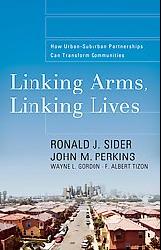
linking arms.jpg Lives: How Urban-Suburban Partnerships Can Transform Communities (Baker) $14.99 which is a title I reviewed here  briefly when it came out a week or so ago.  I could have said so much more as this includes great Bible study, good stories, ideas for “next steps” and discussion.  Written by Ron Sider and John Perkins, Wayne Gordon and Albert Tizon, this is a beautiful example not only of thoughtful and visionary strategizing, but of what God is doing to bring “good words and good works” together in an evangelical, wholistic Kingdom approach.  It has tons of great stories, too, really great stories.  A motivational and inspiring read, this is a book that ought to be in the hands of every church leader who cares about outreach, service, missional thinking and working beyond their own doors.   

If you like Obama and his vision, it seems to me that we must carry on this notion that we are called as fellow citizens to work for the common good, being agents of change and hope in ways that are not necessarily legislative.  If you are more conservative, then you surely agree: it is the task of the private sector and local agencies to reach and out get busy, doing the work that government, to
o often, simply cannot do.  I hope these books can help inspire thoughtful prayerfulness, discernment and action.  We would be thrilled to know that a few people are getting together with their neighbors, friends, co-workers, classmates or church members, to read together how others have worked at these kinds of innovative projects. 

 BLOG SPECIAL

BUY ANY OF THE ABOVE MENTIONED TITLES AND WE WILL GIVE YOU A
FREE COPY

 Linking Arms, Linking Lives,
 a $15 dollar value
. We are eager to get this book out there, happy to give a few away, and hope it inspires you to place an order now while this energy is still in the air, the post-election mood is upbeat and forward-thinking. Place an order on line or give us a call today.

Hearts & Minds 234 East Main Street Dallastown, PA  17313     717.246.3333   
The perfect post-election, culture-making book: How Free People Move Mountains

Since this is a book blog and not for punditry, I won’t indulge myself by sharing many thoughts about this historic time in our nation’s history and the election of Senator Barack Obama.  I loved the gracious and insightful concession speech of Senator McCain last night, and found the victory speech of Senator O to be an excellent one.

Interestingly, Mr. Obama sounded some Republican and conservative notions— mostly, that the government cannot solve all our problems and that social reforms and cultural renewal are best achieved outside of legislation and government.  As many of us have learned to say, politics is downstream of culture.

We often recommend books that can help us with cultural renewal, usually from a faith-based perspective.  Great stuff has been coming out lately, especially from evangelical publishing houses.  (Thomas Nelson, for instance, just released a wonderful study guide from Christianity Today called Engaging the Culture…I’ll write more about it later.)   Andy Crouch’s Culture Making: Recovering Our Creative Calling (IVP; $20.00) is the definitive book yet done on why, and a bit on how, Christian folks (and others) can develop faithful postures that allow us to wisely do good stuff.  It is one of the best books of the year, breaking new ground, too, and we commend it now more than ever.  We have a special price deal, too, from our previous blog post about it.

However, being social entrepreneurs, starting social change projects, becoming local art activists, film critics, or intentionally thoughtful homemakers is only a portion of our human task to create cultures, and Andy is helpful in showing us how culture-making is not (only) about the arts or high culture.  We live amongst our neighbors in a state, and our civic and civil lives demand some adjudication.  That is, we have to learn to get along and work well in public—from schools to neighborhoods, in townships and varied social arenas, as President-elect Obama so powerfully challenged us to do late last night.  I hope he sounds that note often, calling us to care, and implying that we must attend to civil society.

And so, I must tell you, I have been waiting to tell you, about one of the most enjoyable and interesting, and thought-provoking books I’ve read this fall.  It caught me by surprise, and I’ve been itching to speak of it, to get that right time when some of our BookNote friends would pay attention.  I think this book would make a fabulous and righteous resource for a book club now, a library meeting, a bi-partisan conversation starter or a study book for anyone interested in what we do next to heal this divided land. We need this book now, and now is the perfect time to buy and use it.

I am referring to a new book by Kathy Roth-Douquet and Frank Schaeffer (yes, that Franky, who I reviewed last December, who wrote famously and perhaps not fairly of his famous evangelical parents, Francis & Edith Schaeffer in his controversial memoir, Crazy for God: How I Grew Up as One of the Elect, Helped Found the Religious Right, and Lived to Take All (or Almost All) of it Back.)  Frank has written several books about his son being in the Marine Corp, how many in his upper-middle class, swanky New England neighbors have little interest in supporting those in the military, and the enlistment of his son led him to deep, deep consideration of what it means to be a military family and why so few of his social goup seemed disinterested. 

During this work, he came to know, write a book with (AWOL) and travel on book tours with, Ms Roth-Douquet, a well-educated, former Clinton White House staffer, a lefty idealistic politico, with remarkable political experience, who has a husband in the military as well.  They traveled around, wondering how to get Americans to care more deeply about their country, to resist apathy and consumerism and shallowness, and come together around thoughtful, enduring civic concerns.  Roth-Douquet is very impressive as an alert political activist and idealistic patriot. He love for her Democratic party is evident, although she struggles with questions of ultimate meaning, and understands and enhances Schaeffer’s call to a coherent and sustainable set of convictions that might be called a worldview.

The two of them, fresh from arguments, both funny and heated, contentious and tender,  heart-to-hearts, and speechifying and chose to write it all down.   Some is literally written as a script (apparantly transcribed while the tape was rolling.)  It is an incredibly interesting and at times very moving little book, chatty and yet truly serious, important. 

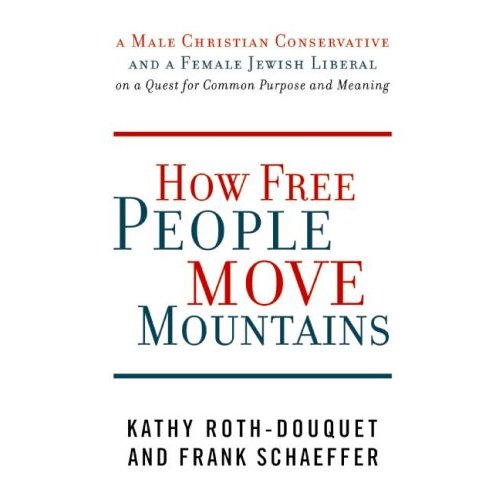
It is called How Free PeopleHow Free People 2.jpg Move Mountains: A Male Christian Conservative and Female Jewish Liberal on a Quest for Common Purpose and Meaning (Collins; $24.95.)  We hear a lot about finding “common ground” but not too many are really doing it.  This is the real deal.

They have given us a back and forth co-written set of diatribes, conversations, debates and discussions and I literally (literally!) couldn’t put it down.  For several days, I carried this book everywhere I went (do I need to be blunt?) and followed their discussions and debates, feeling the weight of their arguments and the heat of their passion.

As you might guess, Schaeffer still has some of his old Calvinist apologetic, pushing this idealistic secularized Jew to the deepest inconsistencies in her views of humans, her understandings of truth, and how we can develop a consensus on what is right and what is wrong without some reflection on our presuppositions.  She puts up with his protests of her humanism, and poking of her liberalism, and pleasantly puts him in his place on occasion as she reminds him of the oddity of his post-fundamentalist fundamentalism.  But yet, he continues to raise these solid questions: if we are to find some way of living together based on transcendent values—justice, goodness, stewardship of the land, quality of community—we must convince people that the crappy stuff of the American dream is inadequate.  These civic questions push beyond politics to our cultural lives, what we want for society, ultimately, to religious questions.  What fun and interesting and wise conversations these two, different and yet deeply connected friends have had.  What a blessing that they’ve shared it with us.  What a blessing that friendships like this–obviously they like each other, and tell lovely and painful stories about their families to one another, despite their political and ideological differences.  (For what it is worth, they have a lot in common, and calling Schaeffer a Christian conservative on the cover is good copy, but not altogether clear, on either matter.  His faith is a bit tentative and hardly orthodox, and his conservatism seems to be for conserving decent culture, like European buildings and human-scale cityscapes, and the Earth, nearly sounding like Bill McKibben or Wendell Berry, without the pacifism, at times.  He’s not your typical conservative, making his partnership with Kathy R-D a bit more understandable.  I’d love to hook him up with crochety old Bill Kauffman, colorful front porch anarchist, author of Look Homeward America; I’d bet they’d like each other. )

I commend this as the perfect post-election conversation starter.  If we are to maximize and exploit (in a good way) the current interest in public life, th
is contemporary window of opportunity, and enhance the positive feelings around our nation breaking the racial barrier by electing a non-white President, we must act soon, raising big questions, starting good conversations, digging deeper, engaging our neighbors in important discussions about values, truth, civil society and who knows what and why.  Of course, I think this will naturally lead to a natural and contextualized kind of evangelism.  But that aside, these deep questions of how we can bridge our divides, come closer together as a people, and work together to move forward on many critical, urgent matters, are the right ones to purse.  How Free People Move Mountains can help.  We highly, highly recommend it.

BLOG SPECIAL

Buy two (for obvious reasons)
Get the second at a bit more than half price.

Two for $35.00

ORDER
HERE

or call
717.246.3333

Hearts & Minds 234 East Main Street Dallastown, PA 17313  

Comparing Keller & Nouwen at the Reviews column

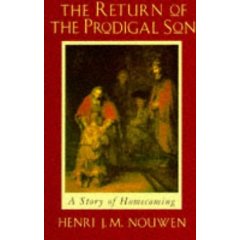
return of the prodigal son.jpgWell, after announcing the brand new Tim Keller book, The Prodigal God: Recovering the Heart of the Christian Faith, in our post last night (and the “blog special” sale on it) I’ve pondered a good question posted as a comment by a friend: how does this new book by a thoughtful and urbane Presbyterian theologian/pastor compare with the lovely classic by Catholic mystic, activist and devotional writer, Henri Nouwen, Return of the Prodigal Son: A Story of Homecoming (Image; $16.00.)?  Good question! 

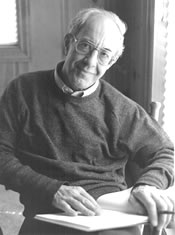
I have written a bit about my impressions of dear Henri, who he was, his temperament and gifts and struggles, and how he exegeted this great Bible story in light of the wonderful, brooding painting by Rembrandt van Rijn.  You may know the story of how Nouwen came to sit in front of the great painting in Saint Petersburg, Russia.

The contrasts between the books are notable, yet both are remarkable.  And both draw on the solid Biblical scholarship of Middle Eastern scholar Kenneth Bailey (whose books I also tell about in the column.) You can see it all in the monthly column for October, which you can find it the “reviews” section of the website, here.

We would be delighted if you read my reflections, and perhaps added your own in our comments section here.  What do you think?  Thanks.

nouwen pic.jpg
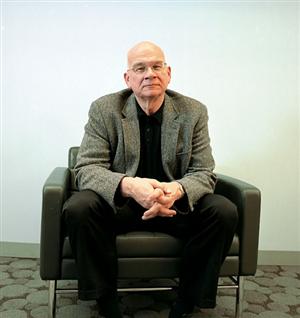
keller pic 2.jpg


A friend of a friend sent me a fabulous photo of a close up of the brand new, rich, bronze Keller cover, arranged on a nice oaken table, and an ancient looking bottle of some rare ale. (It was really to large to copy here.)  It was titled “something old with something new.”

 I think both brothers Henri and Tim would have enjoyed that picture, a fellow happy for a good new book about the gospel, enjoyed over a pint of the fruit of God’s good creation.  I wish the two of these gentleman could have had such a drink together. (And will, as Keller’s book points out, with its reminder of the great feast that is promised—don’t miss his insightful take on Babette’s Feast, by the way.)  I’m sure they both would have cherished the time, and come away glad, deepened in grace.  We commend both their books;  I assume many BookNotes readers know the oder Nouwen title.  And we truly hope many buy, read, give and discuss the new Keller.  Sorry we can’t supply the ale…

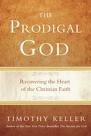
The Prodigal God: Recovering the Heart of the Christian Faith by Tim Keller

I rarely do back to back posts.   It’s been a long day, and I just did the post on Vinoth Ramachandra and others. The long list of titles I want to tell you about is growing (and there are some really outstanding new ones, too) but today, we got our shipment of the brand new Tim Keller, The Prodigal God.  We’ve had customers waiting for almost a year for this!  We had to tell you about it right away.  I had an advanced draft version so have been ready to write about this. I can assure you it is thoughtful, concise, and wonderful.  It is smallish in size, handsome, hardcover. I think you’ll agree that it would make a lovely gift.
prodigal god.jpg
Keller’s book from last winter, The Reason for God: Belief in an Age of Skepticism (Dutton; $24.95) is one of the most talked about books of its kind, the best general book to serve as an apologetic for faith that we’ve seen in quite a while.   We have discussed it here before, and we like his ReasonforGod website, with a handy video clip of him speaking about the book.  Do check it out. The oodles of articles and reviews on the internet are mostly very useful, too.  His success in Manhattan is fascinating (no other evangelical church has been anywhere near as effective, especially reaching out to artists and Wall Street workers.) The Wall Street Journal and the New York Times have even asked if maybe, just maybe, we’ve found the one to whom the mantel of C.S. Lewis might pass. 

Reason for God is good, but half the story is the backstory;  Reverend Keller himself is a great speaker, a much-listened to preacher, a rock star in the podcast world, a church planter in New York City.  Redeemer has reached out effectively without edgy or weird innovations, just solid and articulate care for the city, openness to seekers, and a wholistic embodiment of historic, classic Christianity.  Keller is respected by the literati, at least those who know him, and has a huge following among younger, urbane, and thoughtful Gen X and Millenials.  Workers seeking to relate faith and career, artists, and cultural creatives of all types find Keller and the Redeemer movement to be inspiring in profound, life-changing ways.

And now comes The Prodigal God: Recovering the Heart of the Christian Faith (Dutton; $19.95), a book inspired by Keller’s own mentor, Edmund Clowney.  Those of us who had heard Dr. Clowney preach—his Christ-centered hermeneutic is explored in several books about preaching the Older Testament—will understand how that thoughtful saint could have such an impact on Keller.  For a season or so at Westminster Theological Seminary they co-taught a course on preaching, working out this historically-redemptive approach.  In those same years, Keller wrote Ministries of Mercy: The Call of the Jericho Road, an excellent book on how to reach out to the poor, an orthodox, solid missional guidebook that drew upon Harvie Conn’s amazing Evangelism: Doing Justice & Preaching Grace.  With sophistication and seriousness, Keller has done just that.

Although Keller says he is indebted to Clowney (and to the Finding the Lost Cultural Keys to Luke 15 and other books of Kenneth Bailey, a Presbyterian Bible scholar who lived most of his adult life in the Middle East) his take on this classic “prodigal son” parable of Jesus is his own.  It is clear, balanced, provocative, yet sweet.  It is this kind of preaching that has drawn seekers to Christ and (as he explains) has helped those who were marginally churched and disillusioned, find their way back to–or hearing really for the first time–the message of grace.

You see, Keller reminds us (in prose that is thrilling for its weight and clarity, nearly chatty at times, but carrying much substance) that the story is mostly about the older son.  It is evident in the text to whom Jesus is speaking, and why. (The self-righteous Pharisees wanted to know why he ate with sinners.)  So the story is about the lostness of those who think they are moral, those who think that they are good, those who don’t get that they need a Savior or Lord.

Yes, it is about the younger, prodigal son, and yes it is even more about the other older son.  His reflections on the temperaments and the cultural forms of these two (the bourgeois and the bohemians, groups he knows well in Manhattan) is brilliant.  But, finally, the story is about God, and God is the prodigal.  In only 130 some pages, Keller elegantly explains the goodness of God, redefining sin, lostness, grace, and salvation, so that all can find a personal, restoring, life-transforming relationship with the God of sovereign grace.   Yes, it is God who fits the dictionary definition of prodigal.  That is, recklessly extravagant, having spent all.  This, dear friends, is the gospel. Thanks be to God.

BLOG SPECIAL
regular price $19.95
sale price
$15.95

ORDER
HERE

or call
Hearts & Minds 234 East Main Street Dallastown, PA  17313     717.246.3333
More books to discern fidelity amongst the global Empires

I was worried after the last post that some astute readers might be frustrated at me and my recommendations for not listing this one or that one, not naming this important work or that bestseller.  Of course we do not pretend to mention all the best books and my suggestions are fairly ad hoc…what we’re excited about, what just came in, curious and interesting stuff, titles that have garnered good reviews.  I’m often fearful of what folks will think, yet remain confident that I am called to highlight titles that seem useful, interesting and good.  Our store has tons of stuff, and new titles appear daily as if it’s Christmas—sans the nice wrapping, and, well, we have to pay for ’em all.  Our good employees are busy like elves, wrapping and unwrapping, opening and skimming, making lists (who would like this, who should we tell about that?)  We’re a busy little place and we love connecting books and people. Thanks for your interest in my lists and suggestions.

So, I will forge ahead, naming a few more books that could be read alongside the ones mentioned in the last post.  With no illusions of being comprehensive, these are titles that might be helpful.

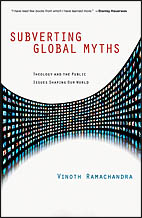
subverting global myths 2.jpgSubverting Global Myths: Theology and the Public Issues Shaping Our World  Vinoth Ramachandra  (IVP Academic) $23.00   This may be one of the most important books of the year, and certainly a major contribution to deep understanding of our 21st century setting.  Ramachandra is a careful, erudite and thoughtful global Christian thinker and leader—he “stole the show” at the Urbana conference a few years ago.  You may recall his good study of world religions, Faiths in Conflict, or his profound (and, sadly, out of print) critique of contemporary idolatry, Gods That Fail.  This is a natural follow up, as he reflects upon and exposes various ideologies and idolatries as they are seen in contemporary discourse on the most pressing matters of our time.  Ramachandra has a B.S. (summa cum laude) and a Ph.D. in nuclear engineering from the University of London and, as an Anglican lay theologian is widely respected.  The back cover sports rave endorsements from international scholars as diverse as Peter Kuzmic (Croatia), Carver T. Yu (Hong Kong), Samuel Escobar (Spain) and Stanley Hauerwas (who lives in a colony of heaven, of course, but resides at Duke University.)  In fact, Hauerwas–who reads more than most scholars on the planet—says, “I have read few books from which I have learned more.”  Wow.  I agree with him when he says, “I really hope this book will have the impact it deserves.”   

A quick story to illustrate the book’s profundity and wide appeal. You may recall that I reported last week about the thrill of selling books at the conference of the Christian Legal Society and the international Advocates International. (Please scroll back a few pages if you haven’t.)  Our good friend and their fearless leader, Sam Casey, Esq., told me that when he read Subverting Global Myths earlier this fall, he immediately had one promptly sent to one of the keynote speakers who would be addressing this cosmopolitan, international audience.  “Read this before you come,” Sam insisted.  Sam has one of the biggest hearts for the poor and oppressed, and is pro-life, culturally conservative, a Bible-believer, ready to defend life and law wherever it is under assault.  That he appreciated this stellar, scholarly critique of ideologies of the right and left, addressing issues as diverse as the myths and worldviews that shape conversations about multi-culturalism or the war on terror speaks not only to Sam’s broad reading, but to Vinoth Ramachandra’s profoundly Christian and deeply wise critical distance from all ideologies and partisan posturing.  He is an exceptional scholar, an important critic, and a voice which we need to hear.

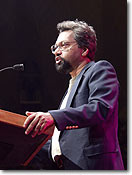
In this work, VR provokes and challenges (and deconstructs) thinking about the war on terror, vinoth picture.jpgthe nature of human rights, economic globalization and such.  The chapter on science is nearly worth the price of the book, as is his chapter on post-colonialism.  His sober insights into the nature of religious violence (his experiences in the sub-continent, amidst the Tamil Tigers and such are extraordinary) is instructive, and his identity as a developing world evangelical positions him to speak a significant word of truth to our times.  Serious, thoughtful, careful and yet provocative–dare I say prophetic—my global lawyer friend Sam is right.  This is an urgent, must-read.

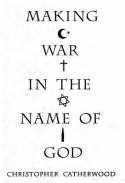
Making War in the Name of God Christopher Catherwood (Citadel) $14.95  I won’t say muchmaking war in the name of religion.jpg about this except to note that there is much nonsense being written in this field–as if people of faith have been the primary mass murderers of the 20th century, or as if all Muslims are either bloodthirsty terrorists or gentle peacemakers.  And, too often, those who are attentive to the Biblical call to robust Christian peacemaking are not very serious in their analysis of the problems faith can bring to the international table.  Catherwood has written widely in this field (Why Do The Nations Rage? is very helpful.) Catherwood is always worth reading, a thoughtful, British historian with a strong global experience, who takes a solid stand against simplistic secularization and sentimental religiosity alike.  He has studied Islamic violence and strikes a wise chord.  Unlike some these days, he is unflinching in his critique of both radical Islam, as well as he is in his critique of the violent expansion of Christendom, the crusades and such.  It may be good to know that Catherwood is a distinguished scholar at Cambridge, and is the son of Sir Frederick Catherwood (former VP of the European Parliament.)  He is the grandson of the famed 20th century British neo-Puritan preacher, Martin Lloyd Jones.

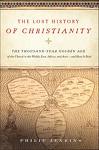
lost history of christianity.jpgThe Lost History of Christianity: The Thousand Year Golden Age of the Church in the Middle East, Africa and Asia—and How It Died  Philip Jenkins (HarperOne) $26.95  A new book by Phil Jenkins is always worth celebrating, and he has contributed much to our awareness of the nature of global religions. You should know of his award-winning, much-discussed, The Next Christendom where he shows the shifting center of Christianity towards the global south and Far East.  The fascinating follow-up, The New Faces of Christianity about how those in the global South use the Bible, is just now out in paperback.  This new one, The Long Histor
y…
looks, as you might guess, at the early years of Christian-Muslim relationships, and how the church of Northern Africa and beyond got caught up in Gnostic heresies and such.  Truly a fascinating and provocative book, its research could provide a helpful backstory to the ongoing struggles for justice, sustained security, and other controversial tensions of the Middle East.   This is sure to be widely read and seriously debated…

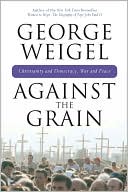
against the grain.JPGAgainst the Grain: Christianity and Democracy, War and Peace George Weigel  (Crossroad) $24.95  Weigel is another important author as we allow our worldviews to be shaped into more global world views.  Harvard Prof. Mary Ann Glendon has written “In these marvelously readable essays, Weigel challenges reigning opinion on a wide range of issues, offers fresh insights drawn from the Catholic intellectual heritage, and opens up a conversation ‘with all partisans of the free and virtuous society, of whatever creed or no creed.'”  Jewish Studies scholar David Novak (U of T) calls Weigel “the most articulate and astute Catholic lay theologian and public intellectual at work in the English-speaking world today.”  Weigel is a Distinguished Scholar of the Ethics and Public Policy Center, and is known for his foundational natural law/just war theory approach, especially to foreign affairs.  (He has two extended chapters here on the just war theory as applied to the Iraq war.  Even those who oppose the war should study these important arguments.)  He has written widely, including the fabulous biography of Pope John Paul II, Witness to Hope.

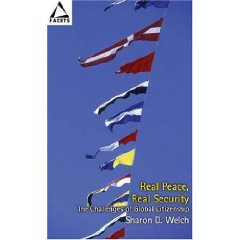
Real Peace, Real Security: The Challenges of Global Citizenship  Sharon D. Welch
real peace real security.jpg (Fortress) $7.00  This slim and brief volume is a remarkable example of the ways people of faith are making important contributions to the efforts to discern the contours of sustained security.  Drawing on sources as diverse as world religious thinkers to tactical analysis of world trouble spots, UN documents and think-tank scenarios, this small book offers chapters on the move from peacekeeping, peacemaking, and peacebuilding.  Drawing somewhat upon the vision and ethos of her 2004 work Beyond Empire, this small volume is an excellent introduction to some of the serious thinking that globally-aware citizens can promote, guiding us in ways to advocate for sustained and enduring, real security.  The forward is written by William F. Schulz, who some may know as the former Executive Director of Amnesty International, offering connections between human rights and peace.

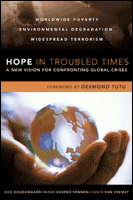
Hope in Troubled Times: A New Vision for Confronting Global Crisis Robert Goudzwaard,Hope in Troubled Times 2.gifMark Vander Vennen, David Van Heemst  (Baker) $19.99  I’ve mentioned this several times, and thought I might as well note it again.  It came out about two years ago, is still getting advertised and cited, and is a book that we think may be one of the most important of the decade.  Dr. Goudzwaard is an economist who has served in the Dutch parliament, and Mark Vander Vennen has done excellent work in the Biblical basis for turning away from reliance on militarism.  David Van Heemst is a very popular political science professor at Olivet Nazarene University That Nobel Peace Prizewinner Desmond Tutu wrote the wonderful forward should illustrate how important this volume is.  I helped edit a tiny part of it, if that matters, and it would make my day if you ordered one. 

We hope that you read something along these lines, staying abreast of the need to grapple with the biggest global issues, and how best to be agents of God’s hope, even as the empires rage..

BLOG SPECIAL
10% off any book mentioned
20% off any two
WE CAN INCLUDE ANY MENTIONED IN THE LAST POST
ORDER
HERE

or call
Hearts & Minds 234 East Main Street  Dallastown, PA  17313      717.246.3333
 

Age of Empire: Books, Biblical scholarship and Music

I have not reviewed many books lately about foreign affairs, but those that know me know that it is a topic of great concern— the war, of course, questions about the debt, the global economy, human rights and such. Here are a few recent books that are important that reflect, in one way or another, upon themes of empire—in the Bible and in contemporary culture.  As prep or background you might listen and watch Bruce Cockburn’s song Call It Democracy (a salty song of prophetic denunciation of the “idolatry of ideology” inspired by the mis-doings of the International Monetary Fund.  Although the language is raw, and the guitar not quite as blazing as in some versions, the song is powerful.  Here are the words, and some of Cockburn’s comments.)

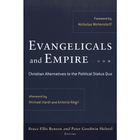
E & E.gifEvangelicals and Empire: Christian Alternatives to the Political Status Quo  edited by Bruce Ellis Benson and Peter Goodwin Heltzel  (Brazos) $29.99  This is a heavy volume, with extraordinary chapters, many responding to the important scholarly work of the much-discussed theorists of empire, Michael Hardt and Antonio Negri.  Agree with Hardt & Negri (et al) or not, this is a wonderful example of what we often talk about here at BookNotes, namely, offering theologically and Biblically-informed thinking to develop a uniquely Christian perspective on the theories shaping our analysis of the modern world, done, particularly, as an asset for wise and faithful social reform. I literally praise the Lord for this kind of conversation, this level of discourse, the witness of a book like this.  Not long ago Ron Sider wrote a wonderful journal piece in The Christian Scholars Review, calling for scholar-activists. Here is a popularly written overview published in Prism.  Fabulous!)  This may be the sort of thing he has in mind, and, in fact, he notes on the back that it is “powerful, urgent, and rigorous.”

Diverse authors (ethnically, nationally, and theologically) offer deep insights into one of the biggest questions of our day (and offer so many significant chapters that anyone interseted in global Christianity or modern missions should consider this.)  Nicholas Wolterstorff writes the forward (which should alert you to the thoughtfulness of the project) and after chapters written by the likes of Elaine Padilla and Amos Yong and Paul Lim and Mark Lewis Taylor and James K.A. Smith and Michael Horton and John Franke, the two scholars under consideration themselves reply. You can see a listing of all the contributers at Brazos Press (but be sure to come back here.)

One of the editors, Bruce Benson, is the head of the philosophy department at Wheaton and the other, Peter Heltzel, is a theologian at New York Theological Seminary.  What a book!  Kudos to Brazos, once again.


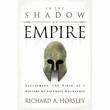
in the shadow of empire.jpgIn the Shadow of Empire: Reclaiming the Bible as a History of Faithful Resistance  Richard Horsley (WJK) $24.95  Horsley is the author of many books of New Testament scholarship and is a renowned scholar activist himself.  This includes others of his ilk, such as Neil Elliott, Greg Carey, Norman Gottwalk, John Dominic Crossan, and a wonderful piece by Walter Brueggemann.  Academic Biblical scholarship explores the role of empires in the ancient and classical world (Assyrians, Babylonians, Persians, Greeks, Romans…) Each chapters offers a way to read the Bible as a reaction to empire and as a call for us to resist imperial forces in our own age.  Horsley, as you may know, is an early proponant of this approach, in his important earlier works such as Paul & Empire, Paul & Politics and Paul and the Roman Imperial Order.

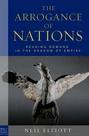
arrogance of nations.jpgThe Arrogance of Nations: Reading Romans in the Shadow of Empire  Neil Elliott (Fortress) $29.00  Considered by some a “tour de force” and a “remarkable book” this sophisticated example of what some call “rhetorical criticism” seems like it should be on the shelf of anyone who is seriously interested in Romans, or this question of how the Bible can be read in ways that are subversive to the contemporary ideologies that undergird empires today.  A handsome hardback, the third in a series called “Paul in Critical Contexts.”
 

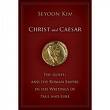
christ and caesar 2.jpgChrist and Caesar: The Gospel and the Roman Empire in the Writings of Paul and Luke  Seyoon Kim (Eerdmans) $24.00  Kim is a very thoughtful scholar, professor of New Testament (and a dean for the Korean D.Min program at Fuller) who suggest that the in-vogue anti-Empire NT trope is not adequate.  A close examination of five epistles of Paul shows that the current anti-imperial interpretation is actually not very credible.  Kim wrote a thoughtful critique of the “new perspective on Paul” a year or so ago, so this naturally follows as he seeks a balanced and exegetically sound basis for a relevant and truly Biblical, political Christology.  It is dedicated to the famous German scholar, Martin Hengel, on the occasion of his 80th birthday.

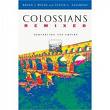
colossians remixed smaller.jpgColossians Remixed: Subverting the Empire  Brian Walsh & Sylvia Keesmaat (IVP) $23.00  This is not new, I’ve named it the most best book of the year for two consecutive years, so it suppose I should note it again.  To be honest: I’ve checked each of these above-mentioned books to see if they cite this book in their footnotes.  To not deal with this exciting and audacious work is just irresponsible.  I think it makes a very strong case, not only about Colossians, but about how best to read and interpret the Bible, and, better than any of the above, how to more faithfully live out whole-life discipleship in ways that enact and embody the counter-cultural Kingdom ways the books calls forth.  A must-read, now more than ever…

By the way, I am only guessing here, since I really don’t know, but I suspect that some mainline scholarly authors-
–like, say, the Horsley or Elliott, perhaps—fail to grapple with this seminal text because it is published by IVP which they presume to be overly conservative or less than scholarly, a utterly ridiculous claim that would only illustrate how ill informed some are.  Of course, this may not be the case, but somebody needs to expose the empire of liberal ecumenical scholarship and resist their biases about evangelical scholars…and reading the creative and faithful work of Walsh & Keesmaat is a good place to start.  Walsh & Keesmaat are great examples of the sort of “scholar activists” that Sider calls for, since they are involved in counter-cultural living practices (they steward a sustainable agricultural center and live in intentional community), work on social, political causes, do ministry on campus and amongst the homeless as well… There faithfulness brings to mind the famous study of political resistance in Mark, Binding the Strong Man by Chad Meyers.

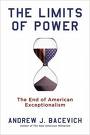
limits to power.jpgThe Limits of Power: The End of American Exceptionalism  Andrew J. Bacevich (Metropolitan Books) $24.00  This is the latest release, and perhaps the most important, of the “American Empire Project.”  Bacevich is renowned as a scholar (professor of history and international affairs at Boston U) and has earned large respect from his work (such as The New American Militarism) and his columns in places as diverse as The Nation and the Wall Street Journal, The Atlantic Monthly and Foreign Affairs.  He has identified himself as a conservative Catholic, and is a West Point graduate who served in the U.S. military in Viet Nam and into the ’90s in the Persian Gulf.  He has books on the most prestigious academic presses (Oxford, Harvard, Columbia.)  In Limits of Power, he offers not only a realistic and solid look into the mess of our failed foreign policies, but, why we need a serious shift if we are going to alter the delusion of power that we current posses.  Several reviewers have named it a “must read,” “indispensable for every citizen,” and such.  Very thoughtful, well-written (with an opening few pages about Reinhold Niebuhr, indicating he is at theologically informed.)  The epigram is 2 Kings 20:1 and the book is dedicated to his son, a First Lieutenant, who was killed in the Iraq war.

I started with a nod to Cockburn, who has been an inspiration to many of us as we try to be responsible in this “world of wonders.”  Here is a short clip of him in Timbuktu, filmed during a documentary he made on desertificaiton (River of Sand),  meeting, and then jamming, with the legendary Ali Farka Toure, a Mali bluesman.  Maybe white guys singing the blues with West African guitarists is some kind of parable for our globalized world.  Regardless, check it out.

BLOG SPECIAL

Any book** mentioned here, 10% off.  Buy any two, get 20% off.

We also, I’m proud to note, carry all of Bruce Cockburn’s many albums.  Let us know if you want any, and we’ll offer the 20% off on those, too.  Mention this blog special…

ORDER
HERE

or call or email

Hearts & Minds 234 East Main Street  Dallastown, PA  17313   717.246.3333  read@heartsandmindsbooks.com
Blue Parakeet: Rethinking How You Read the Bible

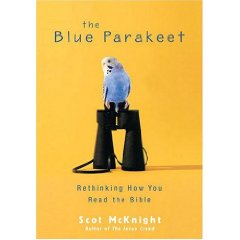
blue parakeet 2.jpgOur last post quickly listed a handful of new titles that have appeared here at the bookstore in the last week.  There are more, and I will get to them soon, but I feel compelled to backtrack and say just a bit more about one of the titles I highlighted, The Blue Parakeet: Rethinking How You Read the Bible by Scot McKnight (Zondervan) $18.99.  I was fair, if brief, telling you that it was great, and noting that it about recovering a sense of the Bible as a narrative;  that it, it is about Story.

Indeed it is.  Phyllis Tickle, in fact, says that “it is far and away the best, gentlest, most intelligent argument I have ever read for the absolute necessity of embracing the Bible as story.”    But as I’ve now almost finished it, I realize it is about something even deeper: how to be honest in our Bible reading and how to allow the Story to shape our lives. The object of Bible reading, he shows (drawing on sources as diverse as fabulous teachings from St. Augustine to contemporary educational theory), isn’t to know more information, not even to “get it right” and not even to know God better, but to become the people God calls us to be, doing the things that our relationship as followers saved by the grace of Jesus, would properly entail.  It is central to his invitation to Bible reading as “missional listening” that we “get” what the book–and more, the Author of the Book—is asking us to do.  And then to do it.  Right on! (Uhh, I think.) 

Of course, we all know (although some of us don’t think about it much) that we don’t all obey the Bible as we say we do.  We disregard huge amounts, even of Jesus’ teaching, and we often are less than honest about the haphazard way we “pick and choose.”  We all do it, and usually don’t know really why (why ignore this text and not that one; why cite the verse against homosexuality in Leviticus 19 but not the next one about the horrors of mixing different kinds of cloth or the one about men not trimming the sides of their hair?  Or,  why don’t we recite the Lord’s Prayer every time we pray as the best translation of Luke 11:2 specifically commands?)

 Most of us just go with some sort of unspoken code of what we are supposed to pay attention to and what we aren’t. That we “adopt and adapt” what we do try to follow is only a bit less obvious (and, again, not always admitted.)  So for conservatives or liberals, for evangelicals or mainline folk, this Blue Parakeet book is a refreshing reminder—heck, I don’t know if it is reminder, or a new clarion call unlike any I’ve ever read before**—to be honest about our view of the Bible, and wise in our discernment of how best to figure out what we are called to be and do as we engage the sacred text.

**to be honest, there are some critics who do point this out, and use it to dismantle Biblical authority or mock Christian conviction.  Please know that this book is not one of those!

One helpful thought McKnight fleshes out quite a bit, which I can only name, here, is the difference between reading by tradition or reading through tradition.  He develops a helpfully balanced view and shows it how it works.  Obviously, Scot is no traditionalist.  Yet, he warns against some individualistic illusion that we just naively read the Bible and figure it out and live it faithfully right now just like great Bible readers always have.  (His last few chapters on the role of women in church leadership will seem less urgent to our mainline friends than to conservatives who still struggle with certain Pauline texts, and who worry that a contextualized reading of those passages will be a slippery slope to other liberating themes.  Hmmm.)  Professor McKnight is helpful guide here, I am sure of it.

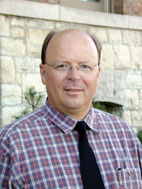
scot mcknight.jpgHere is a website about his work, listing his credentials and books, and some interviews and podcasts of talks he’s given.  Check it out, but come on back…  He’s a wicked cool blogger, too, so you may want to follow his various pieces there.

McKnight’s humble and honest and very delightful style makes for a great read, and this book is a large warning against bombast and hubris whenever we preach or teach the Bible, a call to humility on all theological camps and sides. Mainline churches and many sophisticated Christians may think they needn’t fuss with this, since they don’t have any intentions of taking the Bible literally.  Still, how do we take it?  This is a book that will help all factions within the Body of Christ to grapple with this question.

(Interestingly, I am also reading the new Bible study book by John Piper provocatively called
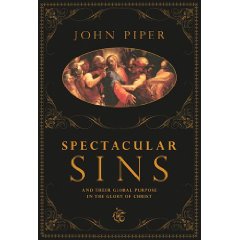
spectacular sins.jpg Spectacular Sins and their Global Purpose for the Glory of God (Crossway; $15.99) which is written with a somewhat different tone, as it shows utter confidence that it is clear what Bible verses to take literally and what it means to honor them properly.  I enjoy Piper, and respect his insight and perspective, sensing I am in the presence of someone whose passion for God is palpable, like some modern-day Jonathan Edwards; I think it is important to read him well, and believe God’s people would be blessed if we had more pastor/theologian/preachers like him. His call to respect the teaching of the Bible about God’s sovereignty in all things–“you meant it for evil, but I meant it for good!”—is profound.  Yet, Scot’s light touch and call to admit that we all skip certain verses and ignore others, is true, Piper’s integrity and Biblical conservatism and doctrinal consistency notwithstanding. I wonder what the two of them would say to each other…)

So, The Blue Parakeet isn’t the final word, maybe not even the best word.  But it is thrilling, stimulating, gracious and one of the clearest examples I’ve seen of an honest call to figure out a way to be faithful in our reading, in our discipleship, in our doctrine and in our living.  The author of The Jesus Creed here has given us “a Bible creed” about first things.  How to read, how to engage, how to hear, how to discern, and how to live, this complicated, crazy-making, glorious, dear, sweet, and at times confounding book we call God’s Word.

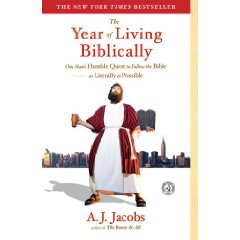
year of living biblically 2.jpgI am happy, also, to report that Scot quotes several times an author whose book, last year, we named one of the very best of the year, A. J. Jacobs.  His award winning (and H&M fav) is now out in paperback: The Year of Living Biblically: One Man’s Humble Quest to Follow the Bible as Literally as Possible  (Simon & Schuster) $.  It is a hoot of a book, fun and funny and endearing, as this secular Jew gives it a shot, blue parakeets and all.

Don’t silence the blue parakeets–the odd birds that may capture our attention and wonder what they mean.  Let us live with the sacred text in all of it’s complexity, and struggle to fine the “pattern of discernment” (as McKnight calls it) that can help us read alongside the tradition, hearing God, and living well.  Learning to live out faithful and relevant daily discipleship is the most urgent matter before us, of course, but we simply cannot do that if we do not figure out how to best understand the Bible, how to get beyond the impasses of the “battles for the Bible” and allow God’s Spirit to guide us into helpful Bible reading/hearing practices.  I think this book could be a very, very useful resource and we are happy to commend it to you.

Like the last post,
 the BLOG SPECIAL
 offers a 20% discount on any titles mentioned in this post. 
Order at the website order form page or call or email.
 Mention that you saw it here.  Thanks.

Hearts & Minds 234 East Main Street Dallastown PA 17313     717.246.3333  read@heartsandmindsbooks.com 
Lots of new books and Expelled DVD is released

I enjoy writing this blog with a bit of an “on the road with the Bookmobile” air, or telling of books that represent a trend or theme.  So many interesting and noteworthy new books have come out in the last week that I have to just rattle off a bunch of them.  Each truly deserves greater promo, and I feel sheepish not giving them their due.  Trust me, though: these look like winners, and I wouldn’t list ’em if I weren’t convinced they are worthy of you, the faithful BookNotes reader.  Here’s some of what’s on the Hearts & Minds new book table.

linking arms.jpgLinking Arms, Linking Lives: How Urban-Suburban Partnerships Can Transform Communities  Ronald J. Sider, John M, Perkins, Wayne L. Gordon and F. Albert Tizon  (Baker) $14.99  These four men are leaders in their own ways, I’ve met each one, and can vouch for their integrity, experience, thoughtfulness, balance and passion.  As Shane Claiborne puts it, “the harmony of voices that created this book are contemporary heroes of the faith whose experience bring their words to life.”  There is nothing quite like this in print and it is very, very useful.  I wish we could convince many, many people to buy this and pass it on to their church leadership, mission-minded friends and those willing to dream of new and fruitful partnerships.  Packed full of stories, tons of testimony and lots of very doable plans and ideas. 

A Deadly Misunderstanding: A Congressman’s Quest to Bridge the Muslim-Christian Divide  Mark D. Siljander (HarperOne) $24.95  Keep your eyes peeled for serious reviews of this, and expect some serious criticism from the hard anti-Muslim right and the dangerous Islamic extremists.  He argues for bringing Islam and Christianity closer together, in part influenced by his understanding of Aramaic.  Interestingly, the forward is by Ban KI-moon (Secretary-General of the United Nations) and there is an endorsement by James Baker (former U.S. Secretary of State and Chairman of the Iraq Group.)  Yet, this can’t be pegged as goofy idealism with rave endorsements by the likes of Christian aplogists to Muslims, Dr. Ergun Caner, conservative pundit Cal Thomas and Dr. Douglas M. Johnston, president of the international Center for Religion and Diplomacy.  When guys like pomo justice activist Brian McLaren and Dr. Edwin Meese, now of the Heritage Foundation, both endorse a book, it is truly exceptional.  Read an excerpt of it here and then come on back and take us up on our blog special offer, shown belowl.

William Wilberforce: The Life of the Great Anti-Slave Trade Campaigner William Hague (Harcourt) $35  This weighty volume was first released in England to rave reviews and just came out last month here in the states; we ran into a lawyer at the Christian Legal Society international conference last week who had already finished it, and he raved.  Hague, himself a politician as well as an historian, is best known by period specialists for his suburb biography of Wilberforce’s friend and Prime Minister, William Pitt.  Magnificent.

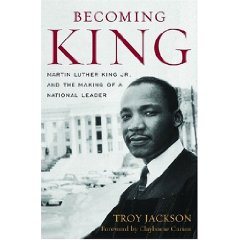
Becoming King: Martin Luther King, Jr. and the Making of a National Leader  Troybecoming king.jpg Jackson  (University of Kentucky Press) $35  I know that King biographies comprise a genre unto themselves, and many are near classic in stature.  This brand new one, still, stands out.  Troy is a good, good man, a dear pastor of a church in Cincinnati, and I’ve come to know him a bit. He had the privelege of editing some of Dr. King’s sermons and knows the matieral better than even most scholars.  This is rich, interesting stuff, written by a top-rate historian and contemporary urban activist.  This book focuses on the Montgomery experience, and how the folks—-yes, like Rosa Parks—shaped Martin’s self-identity.  It is a part of the esteemed “Civil Rights and the Struggle for Black Equality in the Twentieth Century” series, and is going to be getting great reviews.  Kudos.


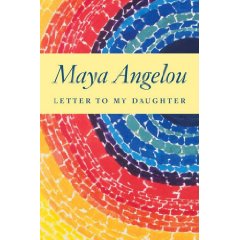
letter to my dauther.jpgLetter to My Daughter  Maya Angelou (Random House) $25 This world class and distinctively African American poet has not written a new book in years, and her lovely memoir is written as a letter to her daughter;  Maya never had a daughter, so this is, in essence, written to all young women, and, perhaps to all of us.  Essay, memoir, fiction, story…this is a spellbinding read by a nearly iconic writer of our time.  She tells of famous women such as Fannie Lou Hammer and Coretta King and her travels to Senegal and Morocco.  She laments vulgarity in pop culture and wishes for a better world, even as she tells of being a Christian as a “life-long endeavor.”

The Blue Parakeet: Rethinking How You Read the Bible  Scot McKnight (Zondervan)
blue parakeet 2.jpg $18.99  This is amazingly clear and fun stuff; who knew this esteemed New Testament scholar (and inspirational writer of the best-selling Jesus Creed and the companion 40-Days With the Jesus Creed) was so funny.  These have to be mostly transcripts of talks because there are clever asides and cool parenthesis and wise-cracks and storied illustrations.  Yes, this is easy to read and fun.  Yet, he is working on genius level stuff, here, how to read the Bible well, how to pursue what Alan Jacobs calls in his mammoth book on a theology of reading “a hermeneutic of love.”  McKnight warns us against shortcuts and dumb ways to mis-take the text, and aligns us with God’s ongoing historical work as the Story continues to unfold in our own faithful engagement of it.  As John Ortberg says, “Blue Parakeet is the book Scot McKnight was born to write.  If you are interested in the Bible, or God, or your mind, or where these three might intersect, you will be blessed if you read this book.”  We agree. 

expelled.jpgDVD  Expelled  Ben Stein (Vivendi Entertainment) $26.99   I saw an early version of some of this before the theatrical release last winter and spent hours talking with one of the producers.  These guys have deft command of the philosophy of science and, unlike many of the cheesy criticisms of ID, they are deeply aware of the complexities of the faith/science/philosophy discussion.  Expelled, though, is less officially about intelligent design as science, or even about debunking the hegemony of Darwinism (although it does that) but it is
finally about intellectual freedom, especially in American higher education.  This follows the stories of how some serious scholars and respected scientists are dismissed and repressed—-expelled—-when they dare to suggest that standard fare Darwinism its ideology of purposeless natural selection is inadequate to explain the wonders of the world as science knows it.  Anybody who cares about academic freedom, who cares about education, who values open debate, should see this film.  Like it or not, it is a gem of a documentary, made all the more interesting knowing that the estimable Richard Dawkins threw a hissy fit after being interviewed (and tried to stop them from using the footage) and when Yoko Ono couldn’t quite imagine all the people, and tried to sue them for using a legal bit of John’s song.  Thank goodness for a little bit of artistic freedom that permitted this to be shown to near record-breaking attendance for a low-budget documentary.  Ben Stein, by the way, is neither a Christian nor committed to ID, so is a perfect host–besides that ironic Ferris Beueller connection— to this expose of the demand for submission to the standard ideologies in the academy; it becomes clear that he isn’t just grinding the ID axe, but seeking freedom to think about the issue, freedom for scholars to pursue truth.  He really is interested in academic freedom, open-minded debate, and a reasonable study of the topic.  Are you?  I dare ya to order this DVD fronus and get a gang together to watch it.  It’ll make the debate about Joe the Plumber look like kid’s stuff.  And its a lot more fun, too, with that Bad to the Bone soundtrack…  Includes some cool bonus stuff, too

BLOG SPECIAL
20% off
any item mentioned
ORDER
HERE

or call
717.246.3333
Hearts & Minds 234 East Main Street  Dallastown, PA  17313.

Stand: The Roots of endurance

In my last post I mentioned our involvement in a recent conference where we sold books about law and justice, social reform and global concerns.  Being with over 1000 Christian lawyers, judges, law professors, and human rights activists was a thrill we won’t long forget.  Thanks to Christian Legal Society and Advocates International for their good work.

One of the themes that came from the platform at that conference is a theme that was resounded at the very next event to which we traveled.  One of our favorite yearly gatherings where we sell books is called the Wee Kirk event.  That’s Scottish brogue for small church (ahh, we odd Presbyterians!)  Pastors and lay leaders, elders and supply preachers, retired clergy and working farmers and small town volunteers all endure to keep their struggling congregations alive and well.  We have well over 20 different titles for small church leaders, offering unique insights about small church renewal, tiny choirs, single digit youth groups, administration for small congregations and how to lead quality worship in such settings.  Call us if you need to and we can tell you about them.

And, there are plenty of very thoughtful and helpful books on church revitalization, regardless of size, like, say, Alice Mann’s book from the Alban Institute called Can Our Church Live? Redeveloping Congregations in Decline ($15.00.) or the good books by Tony Robinson (his excellent new one, Changing the Conversation: A Third Way for Congregations is a sequal to the popular 2003  Eerdmans release Transforming Congregational Culture which Marva Dawn called a “must read.”)   I will be reviewing that one in earnest shortly…  See his website here in the meantime and call us if you’d like to order any.

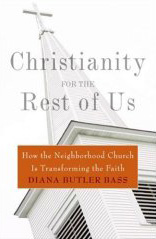
Most congregations, you may not know, are, in fact, small (even if the big ones get the media attention.)  We have promoted Diana Butler Bass’ fine study of rather ordinary, and often smallish, mainline congregations called Christianity for the Rest of Us: How the christianity for the rest of us.jpgNeighborhood Church is Transforming the Faith, published by HarperOne ($13.95) and it seems good to mention it again, here.  Truly, not all small churches are in decline; some are quite healthy and doing fine work for God’s Kingdom.  Wee Kirk speaker Dr. William Carl (President of Pittsburgh Theological Seminary) says that Fred Craddock told him that he is convinced that some of the best preaching in America is in wee kirks.  Even in very small, aging parishes, pastors bring God’s truth and proclaim Christ’s saving grace—-even small churches in out of the way spots deserve to have a preacher bring them into the presence of God week after week.  We are glad to be around these stalwart friends.  It is telling that they buy books, showing that they are not giving up, but remain eager to learn, to grow, to expand their understandings.

Yet, it isn’t easy being a Christian lawyer or a small church leader. We heard hard and painful stories from folks at both conferences.  Endurance is a theme that unites these two very different gatherings: God calls us to costly discipleship and although we can rest in the finished work of Christ, we must press on, hanging in, holding forth, even if others resist us or we are tempted to grow bitter due to our weariness.  And that sometimes takes new energy and courage.  It is why I promoted (yes, once again) N.T. Wright’s important book Surprised by Hope: Rethinking Heaven, Resurrection and the Mission of the Church (Harper; $24.95) at each conference: hearing God’s Word about bodily resurrection and the coming new creation can serve us to re-envision our current missional perspectives by reminding us that our story is part of His Story.  I think this book is one of our best sellers these days and I love telling folks about it.

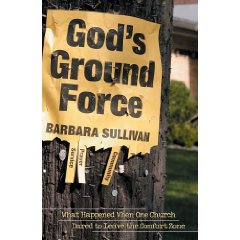
One “under the radar” book that has come out recently is the story of one small church that just decieded it would re-work it’s identity around missional themes, doing wholistic service in their small town community where needs were very great.  God’s Ground
god's ground 2.jpgForce: What Happened When One Church Dared to Leave the Comfort Zone by Barbara Sullivan (Bethany; $13.99) is an easy to read story and very exciting, for churches large or small who need reminded of the call to outreach.

I wished I had had a chance to tell about these about endurance at those two events, too.  Maybe our BookNotes readers will find them interesting. Who of us doesn’t need reminded about what Eugene Peterson, borrowing Nietzsche, called “A Long Obedience in the Same Direction.”

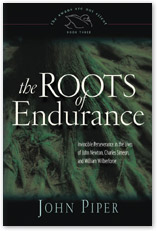
roots of endurance.jpgThe Swans Are Not Silent Book 3 The Roots of Endurance: Invincible Perseverance in the Lives of John Newton, Charles Simeon, and William Wilberforce   John Piper (Crossway) $14.99  This third book in the Swan series is fabulously encouraging to anyone who needs reminded to hang in there.  These three short biographies highlight how these men of God remained faithful to their respective Kingdom tasks, not giving up even though they failed and were frustrated over and over again.  The great Anglican Simeon preached to an empty Trinity church in Cambridge for years until revival finally broke through in late 1700s.  You know the Newton and Wilberforce stories, no doubt, but they are encouraging to read about in such brief form.  I like all four of these hard-hitting books but this one is very special.

stand.jpgStand: A Call for the Endurance of the Saints  edited by John Piper & Justin Taylor  (Crossway) $14.99  This collection of essays has some stuff that I haven’t seen before.  (I have long admired Helen Roseveare’s work on a war-torn Congo mission field and glad she is included.)  John Piper’s no-nonsense chapter  “Growing Old to the Glory of God” picks up themes from his Don’t Waste Your Life and warns against the ease of retirement.  Other pieces are equally rich theologically, calling for radical commitment even in hard times, even as we face challenges and great, great sorrow or fears.  I find this “finishing well” stuff invigorating.  These writers (including Randy Alcorn and Jerry Bridges) are deeply confident about the sovereignty and trustworthiness of God and are equally sure that we are most joyful when we live most fully for Christ’s glory.  Persecuted Christian in a Muslim country?  Hassled attorney in a highly secularized Western culture?  Wee Kirk
pastor in rural West Virginia?  Heartsick older parent of a prodigal child?  Frustrated baby boomer not seeing fruit in your particular vocation?  Post-modern nomad vacillating about important commitments?  We are called to stand.  This could help.

Christian Legal Society, Advocates International, and the extraordinary privilege of selling books

After a four hour delay, stranded roadside and then at a garage with our two vehicles jammed full of book boxes and set-up supplies, we arrived in DC for the all night set up in the lower levels of the Hyatt on Capitol Hill.  Seeing the iconic dome again was very moving (I think the last time I was that close I was reading Colossians 1 at a refugee rally and protest against the mistreatment of asylum seekers.)  This time, we were working with those who really are doing the front line work of faith-based advocacy on religious freedom,  aiding those under persecution, peacemaking, justice work.  Every year we sell books at the annual shindig of the prestigious and fascinating Christian Legal Society (a US based association and fellowship of lawyers, judges, legal scholars, law students and such) but every four years, the CLS event turns into the stunning Advocates International, a global network of lawyers and activists who stand for God’s justice, work against modern-day slavery and trafficking, speak out against corruption in the courts, fight for religious freedom and file legal briefs in nations far and wide, offering a perspective from God’s Kingdom to the powers that be across this globe.  It is fabulous being with those who stand for the unborn, who work for the poor, who are on the cutting edge of justice advocacy for the oppressed and who work at, and train others in peacemaking and the call to follow Christ’s ways in civil society and public life.

Shaking hands with a former child soldier from Uganda who has witnessed unspeakable atrocities and who is now a voice for reconciliation (and is a working lawyer) or sitting with a young woman who is a clerk to the Supreme Court of an Eastern European nation, hanging out if even briefly with Paul Marshall (perhaps one of the world’s leading scholars of religious persecution, now at the Hudson Institute) and listening to evangelicals from glorious but bloody places like Georgia or Burma or Sudan, was beyond thrilling, it was humbling in ways that are hard to describe.  Hearing the legal scholars from what may be the world’s most important Christian law school (Hundong, Korea) and debating things as arcane as the philosophy of natural law was exciting and, in this context, incredibly important.

Of course we had the regular stuff—credit card machines hassles, getting better lighting from the facility for the book display, big stacks of stuff that didn’t sell, books that we sold out of, people spilling drinks on the book table—but all the late hours and hard work and retail tedium pales as we thank God for an experience of bookselling ministry unlike anything we’ve ever had. 

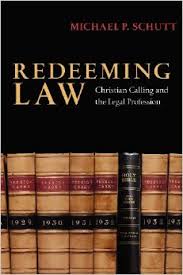
Mike Schutt is a hilarious and thoughtful presence through it all and if you know any lawyersredeeming law.jpg or judges or politicos his Redeeming Law (IVP; $24.00) simply is a must-read.  Christian legal scholars and students alike can be glad that there is such a deep and readable and helpful resource as they integrate faith and work, discerning their vocation of redeeming law.  Every work-world career should have a foundational book like this to undergird their daily fidelity, living out faith in the marketplace.

We were glad to hang out a bit with fellow central Pennsylvanian, Stephen Bloom whose Believer’s Guide to Legal Issues (AMG; $12.99 )is a basic, introductory guide for non-lawyers, a perfect introduction to concerns about courts and laws and jury duty and legalese from a clear Christian framework.  A graduate of Dickinson Law,  Stephen is a good guy and it was fun hosting his little autographing session.  Maybe you’re church library should have one of these useful little books.

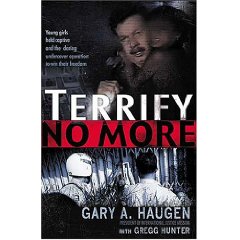
Gary Haugen is the man who is maybe as responsible as anyone of putting global justice issues “on the map” of younger evangelicals these days (sorry Tony and Ron and Jim.)  Gary is a man who is the hero of evangelicals on nearly every college group, is the head of International Justice Mission.  (IJM, you know, fights sexual trafficking and Mr Haugen’s riveting story of rescuing terrify no more.jpgTerrify No More (Nelson; $21.99) ended up on a nation-wide TV special.)  His new one (as I’ve said here before) is called Just Courage: God’s Great Expedition for the Restless Christian (IVP; $18.00), and is a wonderfulJust Courage.jpg collection of sermons and essays—I literally praise God for books like this!  Anyone and everyone should read this invigorating call to be agents of God’s justice in a broken world.  Knowing that there were IJM leaders in the room was almost chilling;  again, it is a blessing knowing the dangerous work they’ve undertaken, their courage and faith to rescue slaves, and Gary’s upbeat way of inviting us to a more vibrant and exciting faith, is amazing grace.  Just Courage is a book of great hope and joy, exhilarating and inspiring.  We really recommend it to you.

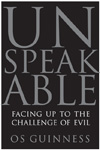
It is a fallen and grossly deformed world.  Hearing men and women from Rhwanda or China or South Africa or Uganda talk about genocide or persecution is sobering.  We were glad to promote the unspeakable.jpgpaperback of Os Guinness’ very, very worthwhile book Unspeakable: Facing Up To the Challenge of Evil (Harper; $14.95.)  N.T Wright’s Evil and the Justice of God (IVP; $18.00) )was propped up right beside it, as we promoted two very helpful and foundational books which allow us to have insight in a world such as ours.  To not read about this stuff is a problem for most of us, it seems, suggesting some “head in the sand” view, or a fearfulness.  Yet, having their profound analysis and hope become a part of our own heart and vocabulary is a gift beyond words.  Yes, their words on these printed pages can deepen us in ways that are so important, and the result seems to be something almost beyond words.  Read their profound books, and you will know what I mean;  you will be changed, deeper, better. 

Thanks to CLS and Advocates International for allowing us to sell our stuff, to make our books available, and for the opportunity to serve in this bookish ministry.  I hope you, our blog readers, take up some of these books and ideas as well.  As I recall the lovely and quite colorful clothing and beautiful singing and delightful (if challenging) accents, I know that God is pleased with the diversity of His big ‘ol crazy world.  That there are those who love God, knowing He is revealed in Jesus, and therefore are called to love others in missional work like this, just makes us glad.  From global justice to
world missions, from legal reform to cultural diversity, books have helped us navigate this multi-ethnic setting, and I hope we can serve you, too, as you stretch yourself by considering these kind of resources for your own journey.  Thanks.

It cost Advocates $40,000 just for the translating equipment—-cool headphones picking up the translation from the guys in the glass booths in the back—for this truly global conference.  Anyone want to kick in a bit to help them in their effort to bring together international leaders in the legal community?  Give ’em a call today.