
YOU CAN ORDER GO SET A WATCHMAN
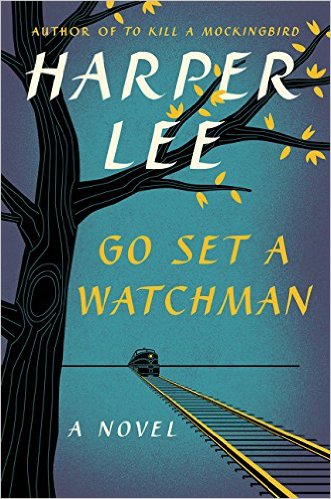 What a fascinating week in the publishing world, with the
surprising release of a recently discovered, very old manuscript of Harper Lee,
a follow up to To Kill a Mockingbird
– which, we are just now hearing, includes a flash back of sorts, portraying the noble Atticus
Finch as a racist. We are grateful
for those who pre-ordered Go Set a
Watchman from us; we are still selling it at a 25% discount (please visit our secure order form page or call.) I read To Kill a Mockingbird over the last weekend and cannot put into
words my admiration for Lee’s exceptionally artful telling of a story that
matters.
If some of this shows up in odd sizes or in bold, I apologize. The blog platform is acting up again tonight and I’m stymied. We have no IT guys, so, well, sorry. Thanks for your patience.
FIERCELY INDEPENDENT
There were moments, naturally, that made me think of Wendell
Berry (and his Port Williams membership stories) and other new agrarian writers. Also, something about it reminded me a bit of authors these days who are, as they say, “fiercely independent.” Do you know Bill Kauffman, who calls
himself a “front porch patriot” or Rod Dreher (and his suburb new book on Dante) who
calls himself a “crunchy conservative”? There are books by liberal evangelicals and conservative radicals, pacifist pro-lifers, Pentecostal environmentalists, Calvinist poets, and joyous memoirs about death, and so much more that many publishers don’t quite know what to do with. There are plenty of truly good mansucripts about which publishers realize they can’t make much profit, so they have to send their regrets to the hopeful author. There are so many fascinating authors who don’t fit into conventional
ideological boxes, who color outside the lines, so to speak, surprising us with
stories or teachings that we hadn’t considered previously. Anyway, Atticus Finch in Mockingbird is such a decent a man that he defies political categorization. And that Scout: she’s got indie stuck
on her like white on rice.
Which brings me back to that book I reviewed last week, Jesus, Bread, and Chocolate: Crafting a Handmade Faith in a
Mass-Marketed World by John J. Thompson. I loved telling about that book, extolling the virtues of a
less commercialized, aesthetically-aware, relational way of thinking about the things we buy, the experiences we take in, the stores we support. Not everything must be artisanal, and not everything can be ethically sourced, but surely Thompson makes a good case in Jesus, Bread, Chocolate that buying the cheapest or mass marketed isn’t always best. We should support the outliers sometimes, and appreciate the value of that which is a bit harder to find. Even the book I reviewed in the
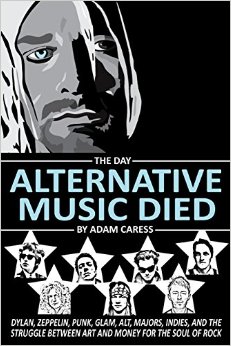
BookNotes post before that,The Day
Alternative Music Died by Adam Caress explores this general topic, the
tensions between art and commerce, between finding and speaking true truth in artful ways
within the dominant culture that often reduces things to ease and popularity and profit .
GRANTED…
I don’t want to suggest that all big businesses are
necessarily shallow and profiteering, that small is always beautiful, that chains or franchises
are inherently bad, or that hand-made, maker culture is always best. I know some big chains that deserve our support and I bet you know some family-owned local businesses which are frankly not very good and not very helpful.
WE LOVE PUBLISHERS OF ALL SIZES; DIY IS NOT ALWAYS BEST
Which leads me to this: we actually love most big publishers
and their ability to support their authors, publishing and marketing them widely so their books are known and available, bought and read. And we really like most mid-level ones that have resources
and professionalism, but are still small enough to care about their authors and their partnerships with bookstores – we wouldn’t be here without them. I think, especially, of friends at InterVarsity Press, Baker Publishing Group and Eerdmans, who were very early supporters of our odd little bookstore here
in Central PA and remain indispensable for our ministry. (IVP is one of the few publishers that I think I can say that we order nearly every single new book that they release.)
I’m not sure the DIY approach — self publishing, vanity presses, pay-to-publish schemes
— works best for serious authors, even in the changing world of book publishing and the new habits of book buying. Further, I’m pessimistic about the take-over of the book marketplace by a few gigantic
billion-dollar on-line outfits which is neither healthy nor sustainable for authors,
readers, bookstores, literary culture, or the economy. I know it sounds self-aggrandizing, but bookstores continue
to matter, and the quirky, family-owned shops can offer an idiosyncratic
selection (and tell you about them.)
We carry tons of best sellers and lots of books from the well–known, standard publishers, both general market ones and those that are Christian; Catholic and Protestant and otherwise.
But we also (unlike many stores these days, it seems) handle a lot of odd-ball presses, smaller publishers, academic presses, indie, micro-publishers and other harder-to-find releases. We are not a used bookstore, but we do like to hunt for specialized resources and have our share of indie presses represented.
FOR INSTANCE:
THE FALLS CITY PRESS and SQUARE HALO BOOKS and KALOS PRESS
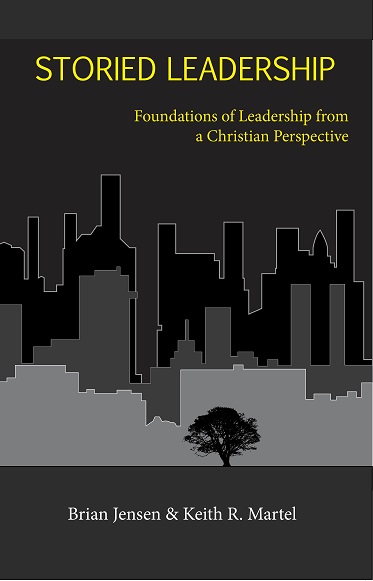 One of my best friends (who I not only like, but trust immensely) is Keith Martel. He works at Geneva College in Beaver Falls, PA, and with Brian Jensen, another pal from
Geneva started their own micro-pub, The Falls City Press. Their first
book, Storied Leadership: Foundations of Leadership from a Christian Perspective was co-authored by Martel & Jensen and came out a
few months back, and, of course, we stock it. (I reviewed it here, and I do hope you read and consider it.) Keith wrote about the charm and value of small publishers in
a great essay, here.
Or, consider (as I’m sure you have) the wonderful niche publishing venture Square Halo Books, which, as you may know, specializes in releasing very classy and thoughtful books about the relationship of Christian faith and the art world. Founded by a lovely theologically trained couple, and managed out of a Lancaster row home by graphic designer Ned Bustard, they have maybe not made much money, but they’ve  contributed to the publishing world in significant ways. They step out of their artsy wheelhouse a bit, and have a Biblical studies volume or two (one by Alan Bauer called The Beginning, which includes woodcuts) and one called The End.) And, let’s not forget — hear ye, hear ye — they released Serious Dreams: Bold Ideas for the Rest of Your Life, a collection of college graduation speeches, edited by yours truly. If you are a Hearts & Minds fan and don’t have my book yet, well… you can learn a bit more about it below. I think Square Halo Books is a great example of a very impressive publishing house that has a limited number of books with a pretty clear focus, which they design and publish very well, as a labor of love. I wish every bookstore in the land carried their titles.
One of the great recent publishing projects in recent years that we think you should know is one with our friend Ed Eubanks at the helm, Kalos Press. Although it has some connections to another indie project (Doulous Resources) it is a fabulous example of how a small, new  publisher can produce lovely, well written and highly regarded books. I have been exceptionally pleased with the first few books they’ve mid-wived, including the wonderful rural memoir The Exact Place by Margie Haack, and her follow-up collection of meditations and ruminations, God in the Kitchen Sink, as well as other well-written, very nice titles. Their latest release, which I have named a time or two, but still want to spend more time reviewing carefully is so good, so exquisitely written, so moving, wise and interesting that it simply must be explained well. I refer to Finding Livelihood: A Progress of Work and Leisure by Nancy J. Nordenson (Kalos Press; $14.99.) Please do come back and send orders our way, but you should visit their nice website just to read about their own hopes and dreams as a literary, thoughtfully Christian publisher. We want to stock all their books!
They are not alone. Small and independent publishing houses
stand in a venerable tradition. Did you know that the small UCC publishing
house called The Pilgrim Press was named because of their congregational heritage:
on the Mayflower the pilgrims brought to the New World a printing press!
Family owned businesses like ours can pretty much carry
whatever books we want (as long as the publisher will work with us; some will
not. Especially some of the new self-publishing outfits where authors sign contracts giving amazon exclusive wholesale dibs.) We really enjoy curating our selection, some of it rather customary, some of it very intentionally chosen and featured because, well, because we can. It’s what we do.
We try to cater to our own best customers, of course, offering what they want,
but we also carry whatever we most appreciate, including under-the-radar authors we respect,
titles that we want to  promote, even if the big chains refuse them. Because we’re small, we don’t sell as
many copies of anything as we would wish (sorry, indie-authors and struggling publishers) but we try. Like in a favorite old Bill Mallonee song, we “give it all we got, it’s the way we play the game.” Beth and I may have a little less energy
than we once did, but we can still be pretty nimble, curating and reviewing a diverse
selection of titles we believe in or that we think deserves a hearing, drawing
on large mainstream commercial publishing houses, mid-sized missional presses (driven by their principles, ideologies or values) and boutique publishers and solo authors in all their funky glory.
Here is a list of just a sampling of books that we stock that are
all from micro-publishers, independent and/or small press houses. There are mostly not self-published, but
are vetted by smart, creative, acquisitions editors and worked on by serious, craft publishers.
 Everlasting Is the Past: A Memoir Walter Wangerin, Jr. (Rabbit Room Press) $14.95 My, my, we are so glad to be able to tell about this small Nashville-based publishing venture (and their own little retail shop) which does, among other things, the fantasy novels of Christian musician and storyteller Andrew Peterson. We were so glad when years ago they picked up the lovely little book about homemaking by Andi Ashworth, a staple here, called Real Love for Real Life: The Art and Work of Caring.) Now they’ve outdone themselves with the brand new release of this fabulous looking memoir by the great Lutheran writer, Walt Wangerin. Rev. Wangerin has won award after award and is known for fantasy, kids picture books, contemporary Biblical narrative, Bible studies, books on prayer and marriage and suffering. His serious bout with cancer made many pray hard for him and I wondered if he had another book in him. This paperback with neat french folds is handsome and is a great example of what a small press can do when it works with commitments to excellence and beauty and substance. Kudos.
 From Evolution to Eden: Making Sense of Early Genesis Gregory Laughery & George Diepstra (destinee) $14.99 What a classy and very indie publisher, mostly designed to offer a platform for the extraordinary writing of Greg Laughery, who works at the Swiss L’Abri, and others in his orbit. Here he has been joined by George Diepstra, a scientist, to “rethink common assumptions about the nature of Genesis 1-3.” “What kind of text is this?”, they ask. In a provocative and creative manner, Laughery and Diepstra take the Bible, theology and science seriously, arguing for the necessity of a dialogue between them and the worlds they represent. They insist that they are innovative, not reactionary. Also from Destinee, see Ellis Potter’s thoughtful 3 Theories of Everything and a few great books by Dick Keyes, and more.
 The Joy of Missing Out: Finding Balance in a Wired World Christian Crook (New Society Publishers) $17.95 I was so excited to stock this for a couple of reasons: when we we first opened in the very early 1980s we stocked nearly everything from this 70-ish, counter-cultural publishing collective, an eco-oriented, lefty, press that did good stuff about justice, sustainability, homesteading, nonviolence, even alternative schooling. What a blast to recently see a new author on NSP that we recognized from the Kuyperian Comment magazine, with endorsements from the likes of heady Wheaton College communications scholar Read Mercer Schuchardt or the popular evangelical blogger Hands Free Mama (who says this book is “a life-changer for anyone experiencing the pressure and disconnection of a fast-paced media-saturated culture.”) I swear we thought we were the only evangelicals they knew this publishing venture. We respect these folks, like this author, and think this is a great example of a mature, thoughtful, profoundly Christian book that most likely isn’t sold in most religious bookstores. We’ve got it! And as much time as most of us spend on line, it provides wise, thoughtful, and maybe life-saving insight. She’s no Luddite, but it is an eloquent, hard-hitting call to resist.
 There’s a Woman in the Pulpit: Christian Clergywomen Share Their Hard Days, Holy Moments & The Healing Power of Humor edited by Rev. Martha Spong (Skylights Paths Publishing) $18.99 Skylight Paths is a great example of a trend of the last decades — religious publishers that have developed that are neither subsidiaries of the big corporations nor explicitly sectarian. That is, there have always been religious titles published within the larger, mainstream publishing world and there have always been evangelical or Catholic or denominationally-specific publishing houses. But a decade or so ago we started to see idiosyncratic presses, not owned by big publishers or denominations. Skylight Paths is actually an ecumenical and inter-faith division of Jewish Lights, a major publisher of culturally relevant, upbeat and usually somewhat liberal or Reform Judaism. Skylight features tons of curious books — children’s picture books (for instance, those by Rabbi Sandi Sasso), books on the spirituality of knitting, say, or the virtues of civility, or books on contemplative spirituality or interfaith marriage. We stock most of them. This recent one — edited by a UCC pastor in Central Pennsylvania (who also directs the RevGalBLogPals blog) invited stories from female clergy, and the testimonials are poignant, sometimes very funny, occasionally tragic, and often just give a well-written window into the life of women in ministry. Carol Howard Merritt wrote the fabulous, generous foreword. Rev. Dr. Amy Butler (senior minister of Riverside Church in NYC) describes the chapters as “lyrical, grace-filled, brutally honest…” I know of several of the contributors to this diverse volume, and have featured it at several book displays this Spring. For now, we list it as a great illustration of the sorts of work offered by Skylight Paths, of Woodstock, Vermont.
 Slow Pilgrim: The Collected Poems Scott Cairns (Paraclete Press) $39.00 Is Paraclete Press an “indie” publisher? They developed decades ago out of a spiritual renewal that emerged among an Episcopalian community out on Cape Cod, Massachusetts and now are a rather large, ecumenical, monastic community rooted in the Benedictine tradition — our sales reps (all great readers) go by “Sister.” As a publisher they are hugely significant, do exquisite work, and it is my sense that the role they play within religious publishing far exceeds their relatively small number of titles and employees. We stock all of their books, including this recent one, a very handsome volume (with a beautiful cover) collecting the important work of this respected Orthodox poet. The introduction is by Image journal editor Gregory Wolfe who writes that it is “An enormous gift not only to the literary community but also to all who feel themselves embarked on a pilgrimage through life.” Kudos to the Sisters, and others, who bring work like this to us. We stock nearly all of their books.
 Burning Down the Fireproof Hotel: An Invitation to the Beautiful Life
Cary Campbell Umhau (Spacious) $12.95 Umhau is the founder and
Creative Director of SPACIOUS, a movement that conspires to “turn
strangers into neighbors” this this book emerges from her small
ministry, not quite self published., and it is just wonderful. Her
energetic work and colorful writing has been featured in the Washington Post and The Huffington Post; this
small press release chronicles her movement into this creative space,
inviting others to takes rises, celebrating life and beauty. Dan
Allender says this well written book helps him “to see in the
disruptive, the real, and the odd, the allure of what my heart wants
most: elegant, wild grace. Take a ride with Cary and taste the goodness
of how her words take you to Jesus.” Or, listen to this rowdy rock and
roll singer, the Ashley Cleveland: “Thank God that he wooed Cary out of
her safe house and sent her road tripping into a big, messy, meaningful
life, setting open tables in concrete parks, letting in the world’s
sorrows and strangers, and finding her place among them.”
 Every Square Inch: An Introduction to Cultural Engagement for Christians Bruce Riley Ashford (Lexham Press) $14.99 I sure thought this was a fully independent, small press, but I see on the back that it they have a partnership for some books published in concert with Southeastern Baptist Theological Seminary; they are actully owned by Logos Bible Software. Be that as it may, not too many stores carry Lexham, but with the title drawing from the famous speech by one of our heros, Dutch theologian and statesman Abraham Kuyper, we had to get this. How does our faith impact our everyday lives? To what extend and how can we be involved in the reformation of society? Ashford is a Professor of Theology and Culture and a Provost at the seminary, and the editor of a book compiling the stories of Baptist missionaries and missiologists. A smallish hardback which is very handsomely designed, Every Square Inch will appeal to fans of Kuyper, Schaeffer, C.S. Lewis, and Dorothy Sayers (about whom he has a small section.) We are proud to commend it, and congratulate Lexham/Logos for this entry to the world of non-digital, hard-cover, hold in the hand books.
 Scholarship: Two Convocation Addresses On University Life Abraham Kuyper (Christian’s Library Press) $4.95 Oh, what a labor of love this project has been — a team of scholars meticulously translating various works from the great Dutch reformer, dating back from the late 1800s or early 1900s. Although this has been somewhat funded by Kuyper College in Grand Rapids, the CLP offices are affiliated with the mostly Roman Catholic Acton Institute (who themselves translate early theological thinking from the late Medieval and Early Modern period, stuff on usury, banking, political rights, religious freedom, and such.) Don’t you just love these creative publishing partnerships? Not quite an academic press, but investing in the meaty work by an older, European theologian and cultural critic, CLP isn’t going to get them easily into the chain stores or top-selling kiosks at the Christian Booksellers Association; it is nonetheless exceedingly important. This little volume includes the famous “every square inch” line, first proclaimed in Kuyper’s famous inauguration speech of the founding of the Free University of Amsterdam in 1889. Christian’s Library Press is currently working on the translation and release of a three volume series of Kuyper’s on common grace. The first intro to that is Wisdom and Wonder: Common Grace in the Arts and Sciences ($14.99) which remains our best selling title of this small publisher. Our friend Dr. Vincent Bacote wrote the introduction to this while Gabe Lyon & Jon Tyson penned the forward.
 The Psalms of Israel Jones Ed Davis (Vandalia Press) $16.99 This very imaginative, well-written novel won a Hackney Literary Award, and in a blurb by novelist Lee Abbott, it is affirmed “no least for the zillion writers and religious thinkers I find in it, among them Dickens, Melville, Jonathan Edwards, Increase Mather, Jimmy Swaggert, and Walker Percy. The plot is straight out of On the Road with the same moral risk and ambiguities and the prose is rich.” What sane publisher does a novel that shouts on the back that it is about “secrets and snakes, rock and gospel, guilt and grace.” And which is also a father/son story, includes a weird cult, and a bit of rock and roll hell. Vandalia Press is an imprint of West Virginia University Press and may not be purely independent, it is small and renowned. Some great stories are being told by independent publishers that specialize in literature, and this is just one fun example. And while university presses are another ball game altogether, some offer amazing books that are not adequately known or widely available.
 The Cowboy Year: A Story of Dads and Guns Ethan D. Bryan (eLectio) $16.99 I hope you know that we love the several books of Ethan Bryan, and we’ve reviewed them all — includes these by this very interesting small publisher, eLectio with the tag line “First Century Prcinples. A Twenty-first Century Approach.” I’m glad they released his Tales of the Taylor: Songs that Changed the World (a fantastic bit of reportage bout Ethan’s social-justice oriented Christian music ministry, the places his beloved Taylor acoustic guitar has been, and the people who signed it), Catch and Release: Faith, Freedom and Knuckleballs (a great story about his wonderful, quixotic campaign to break records playing catch, raising money to fight modern day slavery), and Striking Out ALS: A Hero’s Tale, a lovely Missouri story about a little league coach and legend of local baseball who was afflicted with Lou Gehrig’s Disease. This new one deserves a better review, but it is about something akin to a dude ranch, and the author’s trip with his dad — J-Bar — as they mosey on over to learn more about how he became a multi-state cowboy action shooting champion. He weaves in everybody from Samwise Gamgee to Ray Kinsella to, yup, Roy Rogers. God bless eLectio for taking a chance on this artful, thoughtful writer who certainly entertains, even as he gently prod us into seeing with the heart, new possibilities, all with earnestness and joy. I don’t know if a normal publisher would do a quiet book like this but I am glad for eLectio, and honored to stock Ethan’s story of The Cowboy Year with his dad.
 A Letter to My Congregation: An Evangelical Pastor’s Path to Embracing People Who Are Gay, Lesbian and Transgender into the Company of Jesus Ken Wilson (Read the Spirit) $18.95 It would take an indie publisher to do a book like this, from an evangelical pastor of a church which is part of a charismatic association, writing, as he does, a pastoral epistle to his flock explaining why he has changed his mind about full inclusion of GLTB folks into their Vineyard Fellowship. (Not only does he works with the standard texts, but offers some reflections on what “both sides” agree upon, and brings up the “disputable matters” approach from the apostle Paul at the end of Romans.) Phyllis Tickles says it is “one of the most exquisite, painful, candid, brilliant pieces of contemporary Christian midrash that I have ever seen.” But who would publish this — it’s just too evangelical for most mainline religious publishers, too risky for evangelical presses, a bit too local and unique for a national house. So, Read the Spirit stepped up. I wonder how many stores actually carry this? We do.

 The World is On Fire: Scrap, Treasure, and Songs of Apocalypse Joni Tevis (Milkweed Editions) $16.00 Milkweek is a wonderfully brilliant and respected literary house whose books are mostly in the genre of what we sometimes call “nature writing.” Luminous, reflective essays about our life in the world, from natural history to the spirituality of the mundane, Milkweed offers extraordinary titles that are not as known as they should be. In this case, Tevis does memoir and creative nonfiction, conjuring memories and insights about the meaning of stuff and the nature of our fears about the end of time. I like Amy Leach’s exclamation that it is “A whale of a book, bringing us the most wonderful things from the ends of the earth.” The prestigious Kirkus Reviews suggested her essays brought to mind the likes of poets Gerard Manley Hopkins and Mary Oliver.
 First Church of the Higher Elevations: Mountains, Prayer, and Presence Peter Anderson (Conundrum Press) $14.99 Designer and book lover Caleb Seeling (whose work you may know from his design of the first book by Makoto Fujimura, Refractions: A Journey of Faith, Art and Culture) got out of Christian publishing a few years back, bought up an almost defunct small press that published Colorado poets, and started attracting his own quirky, classy manuscripts. He released a fantastic novel about Bar-B Q, baseball, and race-relations (Thin Blue Smoke), my friend Ethan Bryant’s first book, Run Home and Take a Bow: Stories of Life, Faith, and a Season with the Kansas City Royals, and a fabulously interesting collection of 50 movie reviews (written by a Brit) of films which are set in each of the 50 states of the union (Cinematic States: Stories We Tell, the American Dreamlife, and How to Understand Everything.) This is indie publishing for real, and as a bookstore we are thrilled to be able to stock some of his unique array of books. Who wouldn’t want to browse through titles like this? Conundrum Press, by the way, is an imprint of Caleb’s Samizdat Publishing Group. What a blast! This book is extraordinary, literary and spiritual, written by a Quaker (who studied at Earlham, of course) crafting contemplative essays set in his outdoor excursions. On the back it suggests that Anderson “explores the scripture of place, the topography of memory, and the landscape of imagination.” Gregory Wolfe of the Image journal says it is “eclectically and profoundly American.” If you love mature reflections on outdoor adventure, Quaker spirituality with references to The Dharma Bums and Tom Merton’s Waters of Silo and a few Bible texts, or the great American West — Utah, Colorado and more — this will be a book you will cherish. It is good to get to tell you about it.
 How Then Should We Work: Discovering the Biblical Doctrine of Work Hugh Whelchel (Westbow Press) $13.95 I wasn’t sure if I should list this as Westbow has become a bit of a self publishing house, but it is more vetted than most, and with ties to a larger publisher can, in some ways, offer the best of both worlds to authors wanting to do their own thing. Most of their books are probably not picked up by the chains or big stores. I was thrilled to review this excellent book when it first came out, honoring its solid theological and Biblical views, its pleasant and inspiring prose, and its helpful, foundational framework for thinking faithfully about the cultural mandate, the call to work, the meaning of vocation and call and the like. If you want to “reweave shalom” in your workplace and desire a clear-headed Christian view, this author with a experience in the business world, the nonprofit sector and a former seminary President can help. It is, sadly, a bit rare, and we are glad to recommend it often.

 When the Lights Go Down: Movie Review as Christian Practice Mark Eckel (Westbow Press) $19.95 Another selection we stock from Westbow, this one also deserves wider attention, and because of its rather indie status, it just may not be as known as other titles in this field of faith based film studies. Yet, this is a really marvelous resource, written by a lively evangelical with solid theological chops and a positive, wise way about helping us all appreciate movies and thinking about them faithfully. It includes interviews with film makers and other critics and he tells stories of his own use of film in his Ohio church. We also loved his I Just Need Time to Think: Reflective Study as a Christian Practice which is also published by Westbow Press ($13.99.) Highly recommended for college students, especially, but as he explains, all of us need a bit of time to just think about things; study is, in fact, a classic spiritual discipline. I wish every Christian bookstore in the country carried this book! We wish we took orders for it more often — it is a helpful resource.
 Deepening the Colors: Life Inside the Story of God Syd Hilema (Dordt College Press) $14.00 I wasn’t going to list academic press publishing houses, since they are not exactly indie — most are owned by colleges or universities (or at least think tanks) even though some may really feel like small press outfits. When thinking of scholarly presses one must include the two oldest and most prestigious publishers in the world — Oxford University Press and Cambridge University Press — which are anything but small. We stock many of their releases (a visit from our Oxford rep is a highlight of our season) but that’s another list, I’m afraid. But then there are very small publishing houses run by very small colleges, and we are very eager to list such a publisher here. Dordt College is a thoughtful liberal arts Christian college in Sioux Center, Iowa, and this fine book represents a nice example of the quality writing and neo-Calvinist/Kuyperian reformational worldview that they promote. If any college takes seriously the call to “integrate faith and scholarship” I am sure Dordt is one which has worked thoughtfully to that. This very nicely written book is ideal for young adults wanting to envision their own lives as part of the unfolding drama of God’s work in the world, and Hilema helps us all learn to imagine our life in uniquely Christian categories, being informed by realities such as being made in the image of God, being called, and offers guidance on how we can learn to embrace and embody wisdom in God’s world. I love this book, and am glad for our small partnership with Dordt College Press. (You may recall their name from earlier BookNotes as I was very vigorous in telling about how significant it was that a year or so ago Dordt College Press released a six-volume set of the writings of Calvin Seerveld, which I called a “bona-fide publishing event.” This is a great read, and we are glad we are liberty to stock it, to tell folks about it, and to help get the word out.
 Poetry Night at the Ballpark and Other Scenes from an Alternative America (Writings: 1986 – 2014) Bill Kauffman (Front Porch Republic Books) $49.00 Well, if an icon of feisty American writing such as Edward Abbey says a writer is “inspiring and restorative” or someone as known as Gore Vidal raves, one would think his or her books would be picked up by the best houses and widely reviewed and easily found. Alas, while I don’t know the whole story, it seems that Bill Kauffman is just too odd. He is, as classic liberal Democrat George McGovern puts it “a conservative of the highest order” which is to say he isn’t quite like the ones currently well known. Vidal calls him a “romantic reactionary.” You see, it’s that whole bit about not coloring within the lines, offering a truly fresh voice, moving beyond tired ideological categories. This is independent publishing at its finest, and it doesn’t surprise me that Kauffman needs a special imprint just to find his audience. This is the first title of FPR books — their logo is a rocking chair, inviting real conversation among neighbors — and we are honored to stock it. Tom Bissell says “Bill Kauffman is one of America’s funniest and wisest writers. Not only can he make anarchism seem lovable, he forces you to reassess everything you believe about American politics and culture. He might even make you change your life.” Over 400 pages of short columns, book reviews, essays and previously published pieces, Poetry Night at the Ballpark is extraordinary, literally, and I will write more about it soon. For now, we are happy to see the formation of yet another fine book imprint, one that is a bit off the beaten path; we hope thoughtful book buyers can find it — hopefully at a real store, maybe one with a porch, and an independent streak that may seem perplexing to those only used to the standard, predicable opinions of MSNBC or Fox News.
 Life as Worship John Kitchen (CLC Publications) $13.99 Again, what constitutes a truly indie press? What used to be known as the Christian Literature Crusade, headquartered here in Pennsylvania, is not really small — they are an old-school, storied nonprofit publisher, doing evangelical global ministry and inner city work and publishing books on the “deeper life” for over 50 years. They emerged from the Keswick movement which began in England in 1875. CLC is still is not terribly well known outside a certain sort of reader, even though they have served us well by bringing authors such as Andrew Murray and Corrie Ten Boom and Watchman Nee to English publication. (Or, perhaps, releasing their lesser known works after larger houses published their most famous books.) They even have a chain of not-for-profit bookstores. We applaud their tenacity, continuing to release books to help ordinary folks grow in Christ. This new one by a CM&A pastor with a Dmin from Trinity Evangelical Divinity School is one example – a study of the Psalms, but with a view of how these Psalms help us find ways to worship God in all we do, day by day. (“At the speed of life,” he colorfully says.) The very title is useful (even if the cover art is a bit, uh, well…) We are happy to celebrate their good work, invite you to consider their many titles, and want to thank them not only for their energetic commitment to evangelical publishing, but for releasing a book like this. It is very highly recommended.
 Serious Dreams: Bold Ideas for the Rest of Your Life edited by Byron Borger (Square Halo Books) $12.99 Square Halo Books is a quintessential indie small press, uniquely their own and created with verve and excellence. Family-owned by a delightful, theologically trained couple, with one hired employee — Ned Bustard who has a day job as a graphic designer — and just a handful of titles, Square Halo offers books mostly within the niche market topic of the interface of Christian faith and the arts. We stock all of their books, and talk about them often — their recent Bigger on the Inside: Christianity and Dr. Who (edited by Greg Thornbury and Bustard) has gotten great acclaim and we’ve shipped them to England, in fact. I often suggest a few of their key backlist books (It Was Good: Making Art to the Glory of God and It Was Good: Making Music to the Glory of God) as true favorites, and must-have titles. I was very grateful that Ned and his backers agreed to allow me to compile and edit this collection of graduation speeches, designed to send young adults into the world with a sense of purposed, grounded in visions of vocation, a sense of place and a sense of call. We’re glad that we’ve sold a nice amount of these, even if, having been published by a small indie press with one employee, nobody much outside of our circle of friends knows about it. Ahh, the ups and downs of indie publishing. We’re glad it worked out this way; I was allowed to be very involved, it is so very handsomely produced, and we are delighted to celebrate it, honored to have it in their catalog of other wonderful titles. You can read my enthusiastic description of the authors and chapters that I brought together in this — and, if your inclined, send us an order. You’ll be supporting an eccentric bookstore and a top notch very small publisher and get yourself a book that many of your reading buddies mostly don’t know about. Happy reading!
BookNotes
DISCOUNT
ANY ITEM MENTIONED
20% off
order here
takes you to the secure Hearts & Minds order form page
just tell us what you want
inquire here
if you have questions or need more information
just ask us what you want to know
Hearts & Minds 234 East Main Street Dallastown, PA 17313 717-246-3333


 profound social criticism, eloquent and artful discussions about
 the need for thinking about real skills for jobs that require exquisite experience and skill, and it is well worth reading through.


 Mass-Market World, and are wondering about how to incarnate this kind of lifestyle resisting cheap theology, shallow relationships and consumeristic desires, why not gather some friends over some good food or drink and watch the artful and fun and profound For the Life of the World curriculum? There is a bit about gardening in there, a nice episode which includes how wine is made and what a good gift it is if we are attentive to it. It’s a perfect follow-up.
 him there, maybe even speaking on a panel, as he has before.) We were jealous of his amazing True Tunes record store that specialized in mostly higher quality, indie Christian rock and became not only a concert venue and gathering place for Chicago-area Christian artists and music aficionados, but a record label and great music and culture magazine. He tells a bit in the book about the formation of this passion-driven, music-loving ministry/business venture and how it was decimated when bought out by a larger corporate concern (ahh, what a coda to
 Adam Caress’s book, a postscript that could be called “the day alternative Christian music died.”) I found it really interesting and very relevant. I’m sure many will resonate with his struggles to forgive and reconfigure his life after his vocation was hindered and career was lost.
 artists I respect, from Mark Heard or the 77s, Rez Band or Kerry Livgren, Daniel Amos or The Call. He has a chapter or two about music and, for instance, speaks well of the recent trend of “house concerts” and smaller live shows. In fact, the very first paragraph starts with a discussion with Americana legend Buddy Miller about “twang” and many of the glowing endorsements are from significant voices with the alt-Christian music world – from Tom Willet to Jon Trott, Doug Van Pelt to Dave Perkins, even Nick Purdy, the co-founder of Paste magazine.






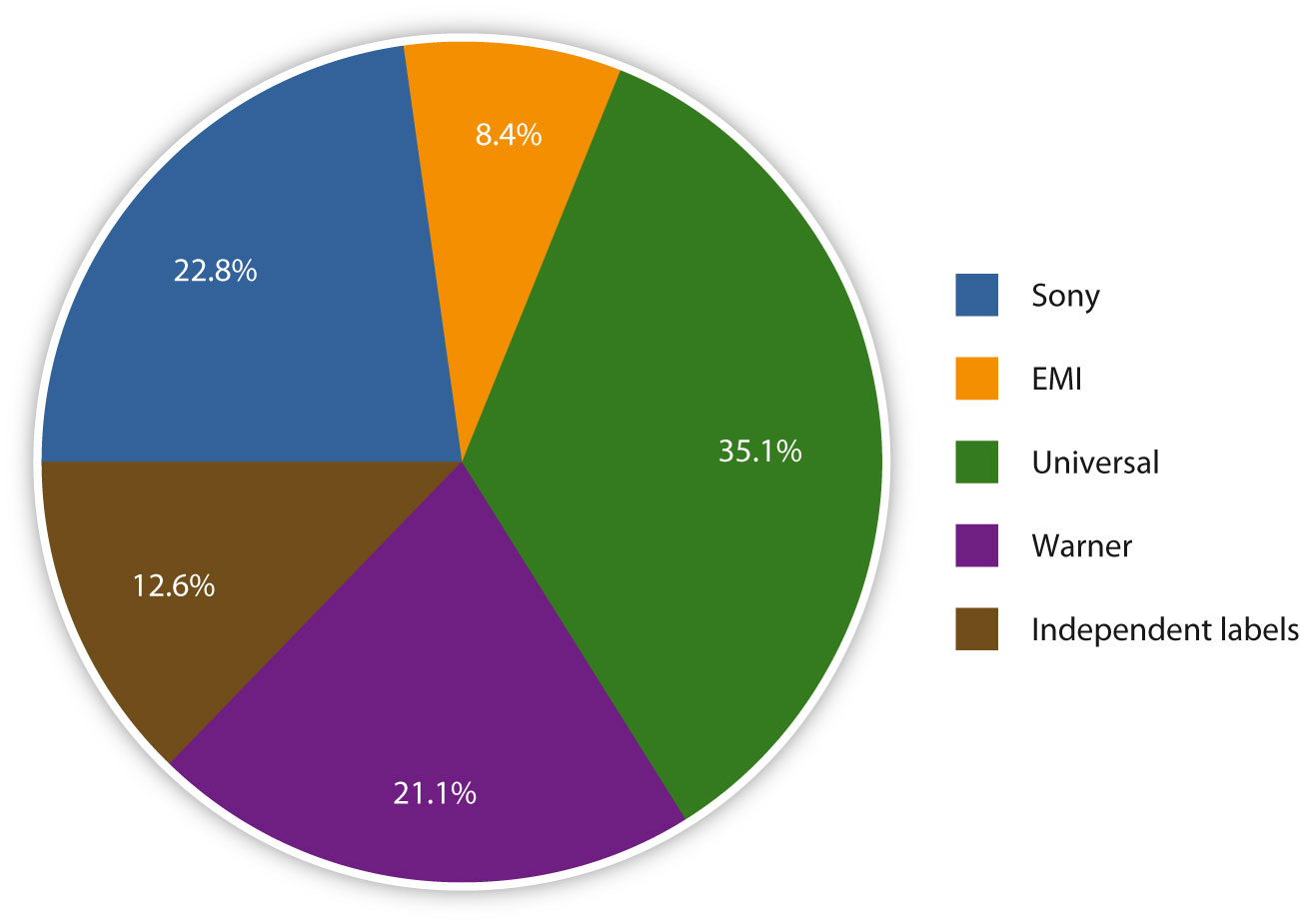
 own appreciation of indie artists of integrity (those “with something to say”) is evident.
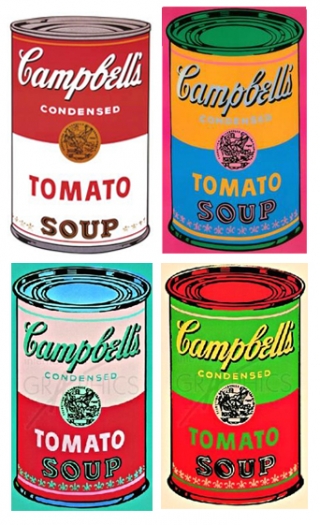
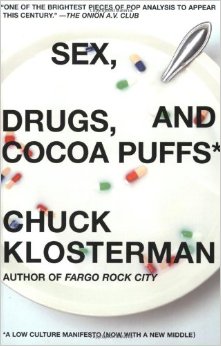
 on-going “commercial marginalization of art.” Again, you may not agree with his assessment, but this is rich, very contemporary stuff, and I highly recommend it for those who ought to be thinking about the issues of the day.

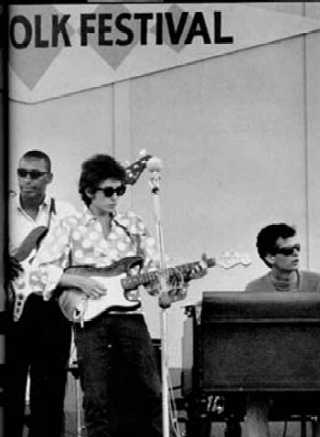
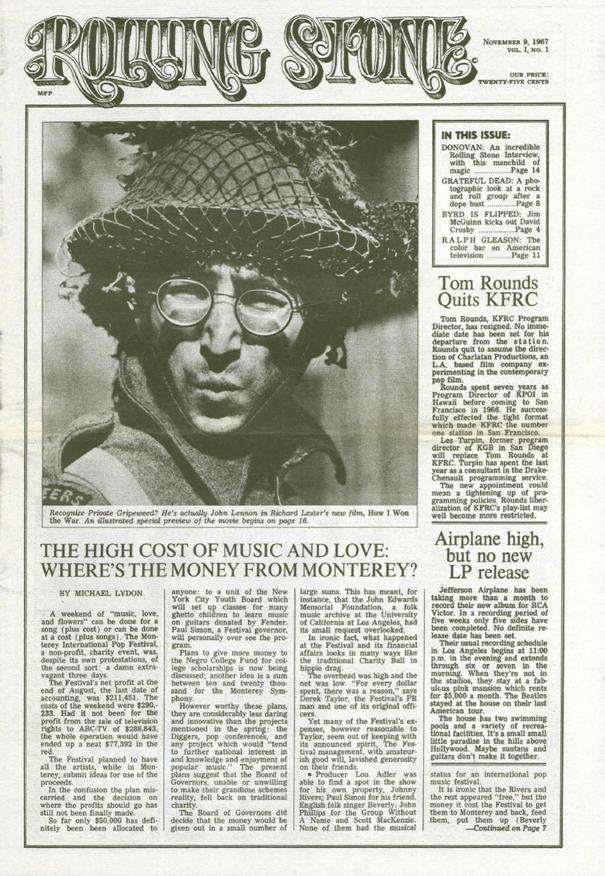
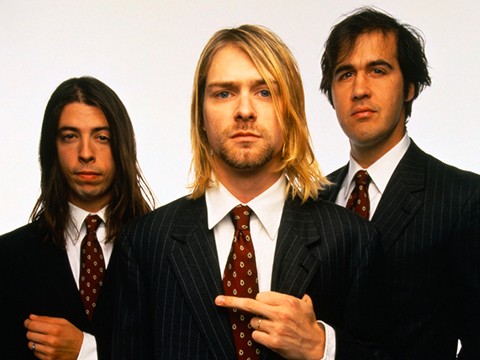
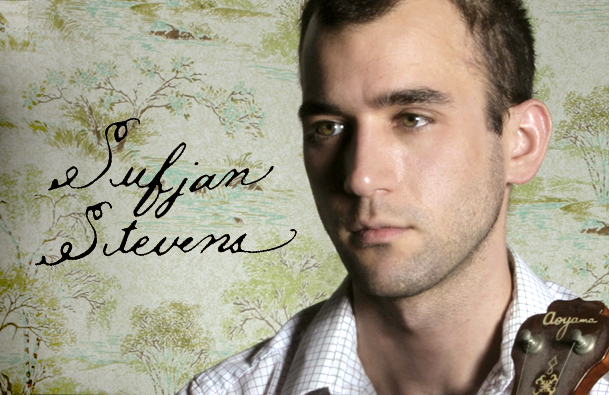
 and rock critics) of significant rock artists. He takes us from Dylan on through the David Geffen “Asylum Records” years (and the rise of the likes of Jackson Browne, Joni Mitchell, Tom Waits, Linda Ronstadt, CSN, The Band) to various schools of punk, the rise of the Seattle grunge sound and other offbeat, artsy movements within “alternative nation” and, near the end, finally exploring the future of the indie scene by documenting the rise of indie
 labels, advancing artists like Sufjan Stevens, Death Cab for Cutie, The National, Grizzly Bear, Arcade Fire, and more.
 predicaments in this arena. Obviously, there was a group of artists whose art was supposed to mean something vital, who knowingly called themselves an alternative to the mainstream (and some were, in fact, fairly involved in the “alternative” scene, even in Seattle) and whose record labels were soon submerged in commercialization and crass materialism. That story – hinted at in William Romanowski’s highly respected Pop Culture Wars: Religion and the Role of Entertainment in American Life – is perhaps a book yet to be written, one which itself could be pretty sordid.
 (As Adam throws down literally hundreds of band names and record labels, some obscure, I kept waiting for a mention of Michael Roe and the 77s, or Bill
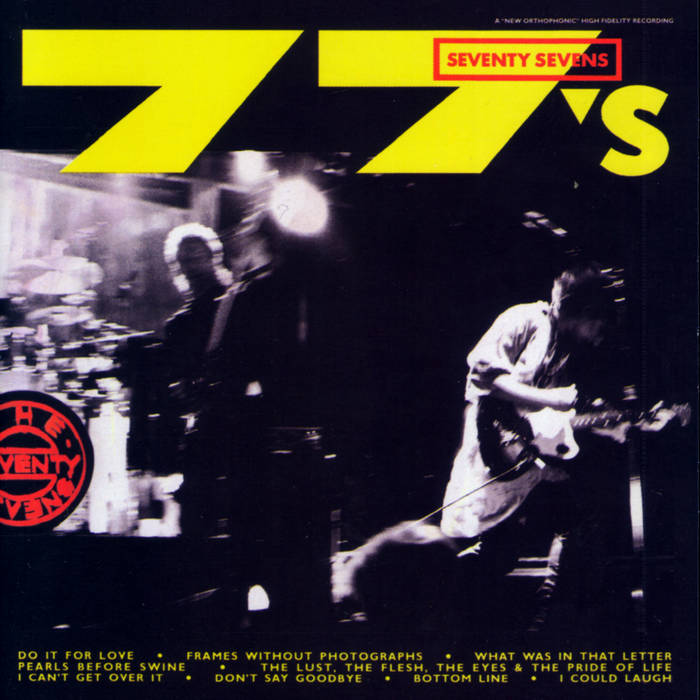
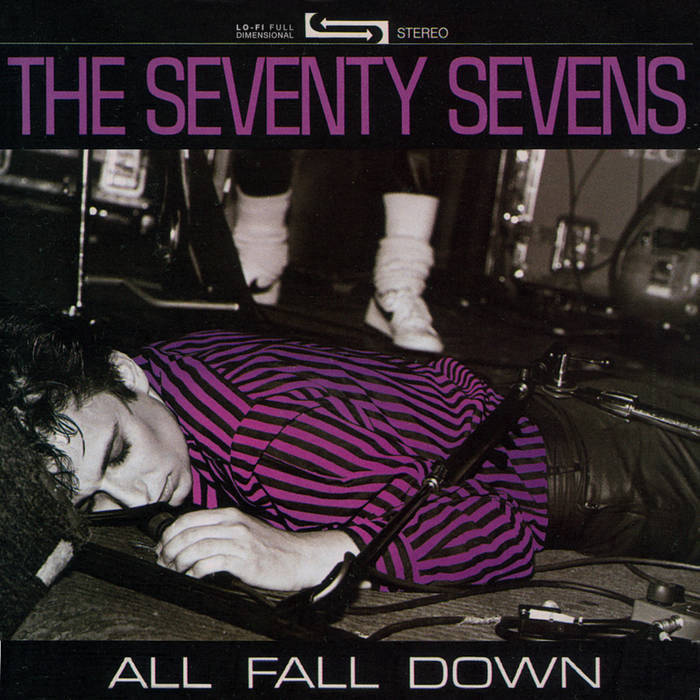 Mallonee and VOL,
 David Bazen and Pedro the Lion, Chagall Guevara, Mark
 Heard, or at least Christian alt-indie labels like Tooth & Nail Records. Tooth & Nail, you may recall, did all sorts of creative stuff, from the shoegazers Starflyer 59 to hardcore bands like Project 86 and Norma Jean, offering a platform for the clever electronica of Joy Electric, not to mention some really weird, art-house indie folk — the breathtaking creativity of Danielson, with his early Sufjan Stevens connections.)
 Indigo Girls One Lost Day on the shelves this week; any day we’ll have the wonderful Phil Madeira project, Mercyland 2: More Hymns for the Rest of Us. Hopefully, I’ll soon review the latest Bill Mallonee masterpiece, Lands and Peoples (who actually writes about this complex business of music, faith, art and commerce.) We are happy that groups like Mumford and Sons, The Civil Wars, Need to Breathe and mewithoutyou and yes, all of Bruce Cockburn and U2 are still around, right there on our music display.
 My first real job was in a record store and my first serious creative writing project, turned in to Mr. Trimmer in high school English, was a piece about selling a country music 45 to a blue collar customer at the Platter Palace in Gettysburg, PA. My bosses there in 1971 taught me about retail and commerce and a bit about record labels and industry payola. And here I am today, trying to figure out how to sell CDs, music that matters, not unlike books, in an era when it looks like indie book and music stores are too soon a thing of the past. The day the alt music died? My own personal crisis is less about the music dying than the music store dying. And the bookstore fading. A vested commercial interest? Oh yes, yes indeed. Can passion and art and grand purpose survive hard economic realities? In my life, I am not optimistic, but I take some courage and hope from the stories of daring artists and indie labels and faithful fans described in Caress’s splendid, splendid book. And for that, for now, I am grateful.


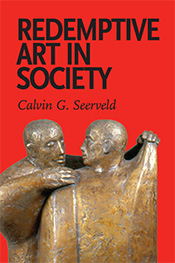
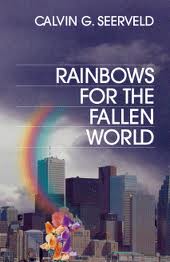 Rainbows for the Fallen World (Toronto Tuppence Press; $30.00), appears on nearly every list on the arts I do, so these newly compiled anthologies of essays, articles, scholarly pieces, sermons and sundry projects — like Normative Aesthetics or Redemptive Art in Society — are important. For what it’s worth, I had the great privilege of being asked to pre-read and then write a blurb for Redemptive Art. More important and knowledgeable critics have offered better endorsements, but since you are a Hearts & Minds fan, figure you might like to see part of this quote of mine, from the back of the book:


 Christian in the arts, Breath for the Bones: Art, Imagination and Spirit: Reflections on Creativity and Faith (Nelson; $13.99.) I recently skimmed it again, for the umpteenth time, alongside an old favorite, a classic by her best friend, the last Madeline L’Engle, Walking on Water: Reflections on Faith and Art (Waterbrook; $18.99.) I would tell those uninitiated to this genre – books about faith and the arts – to read Shaw before L’Engle, but anyone who keeps a library of a few books across the broad school curriculum — campus ministers, say, or “faith in the work-world” geeks or just those who like to read very widely — should have them both.


 Creative Church Handbook: Releasing the Power of the Arts in Your Congregation J. Scott McElroy (IVP) $20.00 This was one of our biggest sellers at the CIVA Bi-annual, and they honored Scott by arranging a book signing to celebrate it. This book has been years in the making; it includes a report of of various church groups that have robust arts ministries, and offers guidance drawn from them, stuff they’ve learned, insights they’ve gleaned along the way. In this regard, Creative Church Handbook is both interesting/ inspiring – to hear these stories, learn of these ministries and outreaches – and practical/useful — with the “take away” points so clear and actionable. Scott has been involved in conversations about faith and the arts for years, has written an earlier book (Finding Divine Inspiration) and this new, slightly over-sized work illustrates his keen ability to pay attention to what God is doing across the land. It shows how to mobilize and manage artists and other creatives within your congregation and how to establish structures and parameters for arts ministry. It includes good stuff on outreach and engagement with the local arts scene in your own community as well as how to wisely think about utilizing the arts in worship and sermons, even. I’m particularly glad that the arts work of a local church near us here is included; kudos to our neighbor DeAnne Roe for how McElroy described the work over at Living Word Community Church. This book is a must-have resource, highly recommended.
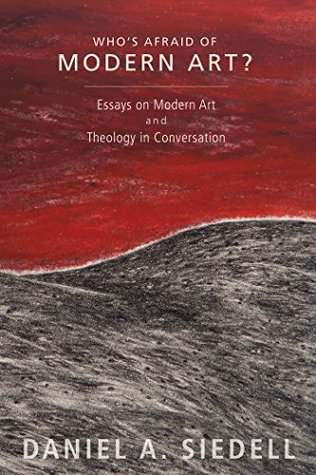 Who’s Afraid of Modern Art? Essays on Modern Art and Theology in Conversation Daniel A. Siedell (Cascade) $21.00 I’m not a fan of the bland cover, but this book is anything but bland, and the always interesting, often passionate Siedell has followed up his seminal God in the Gallery: A Christian Embrace of Modern Art with a great new volume, a must-have for anyone wanting to stay current with the “state of the art” of recent conversations in this field. This fabulous, richly informed new collection of over 30 essays, is grouped into six major themes. Blurbs on the back include one by David Raskin, the influential (atheist) professor of Art History, Theory and Criticism at the Art Institute of Chicago. (“He asks important questions about art and belief, and helps me better understand my own passions.”) and by Gregory Alan Thornbury, President of The King’s College in New York City, who, after avery thoughtful summary, says “This is a landmark work, a signal of achievement in the field.” As it says on the back cover, Who’s Afraid of Modern Art? celebrates the surprising beauty of art that emerges from and embraces pain and suffering, if only we take the time to listen. Indeed, as Siedell reveals, a painting is much more than meets the eye.”
 ReVisioning: Critical Methods of Seeing Christianity in the History of Art edited by James Romaine and Linda Stratford (Cascade) $41.00 Mr. Romaine has been known in evangelical art circles for years, in part because of his role in Square Halo Books such as It Was Good: Making Art to the Glory of God, Objects of Grace: Conversations on Creativity and Faith, and The Art of Guy Chase. He is now Associate Professor of Art History and Chair of the Department of Art History at Nyack College. Mr. Romaine is the President of the Association of the Scholars of Christianity in the History of Art (ASCHA – who knew?) He recently helped edit the excellent collection of art history essays done in honor of Dr. John Walford, Art as Spiritual Perception (published by Crossway — I named it as a Best Book of 2012, which you can find in this
 Sanctifying Art: Inviting Conversation Between Artists, Theologians and the Church Deborah Sokolove (Cascade) $22.00 Cascade has an uneven, even peculiar, series, “affs/Art for Faith’s Sake” that is worth knowing about, a series which includes books large and small, including some poetry volumes, a biblical theology of dance, a splendid, mature work by Bill Dyrness (Senses of the Soul: Art and the Visual in Christian Worship), a very nice devotional based on Emily Dickinson, the significant ReVisioning book on art history mentioned above, and, a bit oddly, a teaching preaching book by Will Willimon, among others. This is a solid, foundational one, and should be known widely. As Robin Jenson (herself Professor of the History of Christian Art and Worship at Vanderbilt) says “Deborah Sokolove has given us a rare gift. She has articulated her belief in the value and purpose of art in language that is fresh, convincing, and – perhaps most of all – accessible to and respectful of the lay reader. This is obviously a work of love, and it is a great joy to read.” Many of the reviews and endorsements have been excellent, nearly urgent: Denise Domblkowski Hopkins says that the author “brilliantly accomplished what she set out to do – change the conversation between artists and the church….” and suggests that much is at stake here.
 The Virtues and Vices in the Arts: A Sourcebook Shawn R. Tucker (Cascade) $33.00 I have not looked through this much, and wondered if it is mostly about the arts, or mostly about virtue, faith-formation and character. The seven deadly sins are known, perhaps the virtues less so, but this book brings all of them together and “for the first time, lays out their history in a collection of the most important philosophical, religious ,literary and art-historical works.” Is this mostly art history then? Literary criticism? Historical theology? Yes, yes, and yes. It is a massive anthology, putting, in the words of a professor from Bowdoin, “philosophical treatises into conversation with religious and literary compositions. Even more interesting, he draws on key artistic works, paintings, and sculpture, allowing the reader to imagine other ways to think about ethical problems.”
 Seeing the Unseen: Launching and Managing a Church Gallery Sandra Bowden & Marianne Lettieri (CIVA) $30.00 This is another splendid, book which was launched at the 2015 CIVA event, and we are thrilled to have a few here at the shop. Sandra Bowden is, we might note, one of the most informed and respected art collectors in North America, herself a devout Christian and driving force within CIVA for decades. (Some of her own splendid collection is shown in a truly exceptional Square Halo Books coffee table art book, The Art of Sandra Bowden, edited by James Romaine; $49.99.)
 The Art of Helping Others: How Artists Can Serve God and Love the World Douglas C. Mann (IVP) $15.00 Mann is a songwriter and former music and publishing executive (not to mention an accomplished visual artist) and has done extensive mission work. (He currently divides his times between Colorado and the Ukraine.) In this book Mann offers a memoir of his own “joy, pain, sacrifice and hope” which calls artists of all sorts, in fact, all followers of Jesus, actually, to lives of “creative incitement to the glory of God.” Although this will inspire you to invite and network artists for activism and service, it will, more deeply, inspire all of us to live more generously, seeing the world in nuanced, colorful ways, and sharing that passionate vision with others. All of us, artists or not, can be encouraged by this author who, Ben Arment says, “has the hands of an artist and the heart of a pastor.” Maybe we all need a little “creative incitement.”
 Life After Art: What You Forgot About Life and Faith Since You Left the Art Room Matt Appling (Moody) $13.99 We stock all the recent books in the recent imprint the “Moody Collective” which are written by younger adults, energetic volumes with an Millennial edge, deeply Christian but not pushy, well written and artful. So it makes perfect sense that the Collective would do a book about the creative passions that so many younger adults long for. (And others, too; recall that Doug Pagitt says we now live in “the inventive age.”) This nice volume is, interestingly, as cool as their others, but has an appeal to readers of any age. The topic is a commonly discussed theme – how school and grown- up life seems to squeeze the playful creativity of childhood out of us – but I know of no other book that reflects on this from a Christian viewpoint. I love the blurb on the back by Anne Jackson, who explains that “Matt takes readers on a journey to the art room to discover our purpose in life, which can be found in our God-given ability to create beauty for the world to see.” This is a book full of invitation, beauty, grace, and being set free to care about all this more. I should have listed it in my list of books last months about leisure and play. Very nice.
 Sense and Spirituality: The Arts and Spiritual Formation James McCullough (Cascade) $18.00 McCullough has his PhD from the Institute for Theology, Imagination, and the Arts at the University of St. Andrews so you know this is some serious, meaty stuff. He has published articles on the music of Anton Bruckner as well as the art of Graham Sutherland and Makoto Fujimura. This book attempts to explore some new grounds, not just deepening our faithful understanding of aesthetics, nor the general conversation about faith and the arts, or church ministry among artists. This work is hoping to advance our insights about “how the arts might actually advance spiritual formation in terms of the cumulative effect of religious experience and intentional practices.” It naturally offers more to the discussion between theological aesthetics and practical theology, but, more, it offers an analysis of artistic communication and how music, poetry, and painting can help us in our spiritual formation. Can our experience of the presence of God be animated by our appreciation of aesthetics and by our actual engagement with art? As Wheaton art professor Matthew Milliner says in his back cover review, “McCullough deftly calls attention to the elephant in the elephant in the aesthetic seminar room: the way that art catalyzes spiritual growth.”
 Van Gogh’s Ghost Paintings: Art and Spiritual in Gethsemane Cliff Edwards (Cascade Books) $16.00 Edwards is a fascinating author, having done books on Japanese haiku, and several previous books on the faith life of Van Gogh and his paintings. I wish this had come out in time for CIVA; it arrived just after the conference, so here it sits, lovely, beckoning. Elizabeth King, a sculptor who won a Guggenheim Fellowship and a recipient of the Academy Award of the American Academy of Arts and Letters says “This is a superb work. The author’s fearless journey into the life of Van Gogh and the interiority of the writing take the readers herself into solitude, loneliness, labor, triumph, and sorrow. It is a complex work… we treat with this book the very path Van Gogh himself hesitate3d on and wrestled with himself on: the seeming contradiction between the intellect and the spirit in art. Obviously, the Dutch painter remains one with whom we resonate. Even Henri Nouwen, who drew so tenderly from Van Gogh, has esteemed Mr. Edwards contributions to Van Gogh studies.

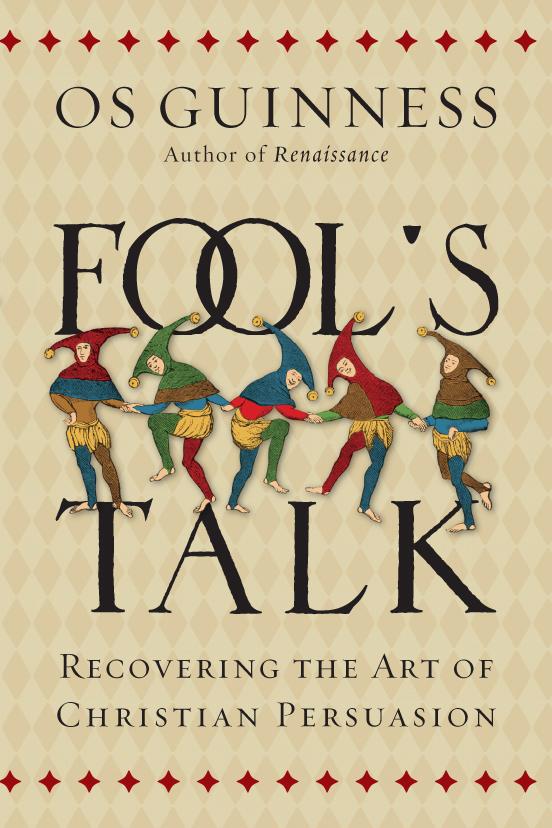
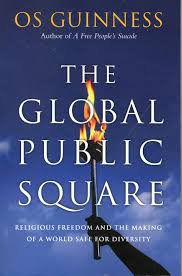
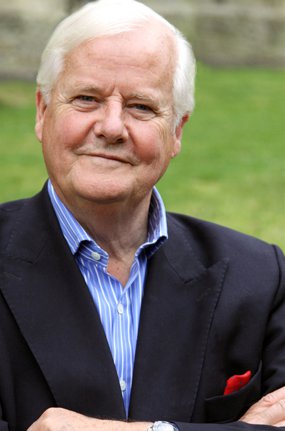
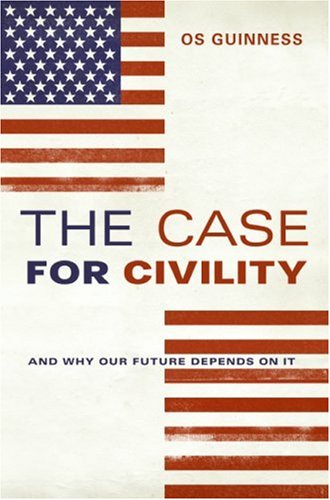 a sociologist with a PhD earned under the eminent Peter Berger, media pundit (who did a stint with the BBC), founder of bi-partisan project designed to deepen American’s appreciation for first amendment freedoms, advocating for structural reforms that promote pluralism, religious diversity and which enhance civility. His hard-hitting book Case for Civility was about much more than public manners but offered positive plans for enhancing better public discourse and stability in the public square. His pair of meaty books A Free People’s Suicide and The Global Public Square reflected, respectively, on the threats to religious freedom in North America, and globally. Dr. Guinness has even addressed United Nations diplomats on this topic of religious freedom, inviting them to help “make the world safe for
 diversity.” A major book, Unspeakable: Facing Up to the Challenge of Evil, attempted to enter the conversation about theodicy, not so much to answer the big question of “why” but to offer a framework for thinking about large evils such as genocide or sexual trafficking. It is a hugely under-utilized book, and I cannot recommend it enough.
 books about evangelism have rarely actually led another to lasting faith and some who write about apologetics like to think about the logic of faith, but, again, may not have had much experience actually befriending skeptics and relating well to those who are hostile to Christian conviction. Although Guinness surely knows the benefit of scholars and thinkers and writers — he cites philosophers and scholarly authors on every page! — he is right that bookish guidance about doing this kind of work simply must be field tested and refined by real conversations, with real people, knowing real failures, sometimes through heartache and tears, even. The topic demands real pages written after years of experience and genuine concern. Guinness writes that he has waited 40 years to write this book.
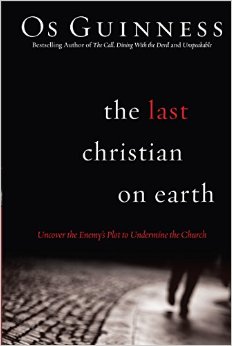 assumptions in the late modern West and the need of the church to be newly faithful. This was, if I might, the How (Not) To Be Secular: Reading Charles Taylor [by James K.A. Smith] of the 1980s, prescient and profound, clever as it was. Looking back, playfully, it could have almost been called “How (Not) To Be Secular: Reading Peter Berger.” It was edited, expanded and re-issued in 2010 under the title The Last Christian On Earth: Uncovering the Enemy’s Plot to Undermine the Church (Baker; $17.00.) We found it hard to describe and hard to sell, but it is – I’m not kidding! – a wonderfully thoughtful read, a bit of parable, a bit of cultural exegesis, a playful example of some of what Guinness explores in this new Fools Talk: the need to deeply understand the cultural forces that shape how people think and see and understand and live in this culture, and the need to use humor, satire, and “turning the tables” as a form of apologetics. In Gravedigger cum The Last Christian On Earth Guinness does just that.
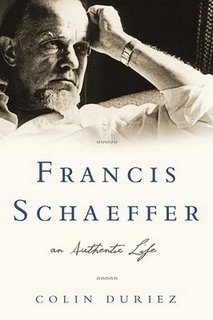
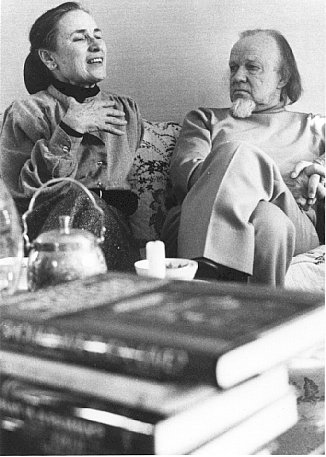 Francis and Edith Schaeffer who were renowned for the great care and individualized pastoral and apologetic counsel offered in the context of welcoming hospitality that they would give to each and every person they encountered. Guinness is adamant about this and while is seems so obvious that it hardly needs saying, it does need saying. And he says it strongly, even denouncing the “imperialism of technique” and “McTheories.”
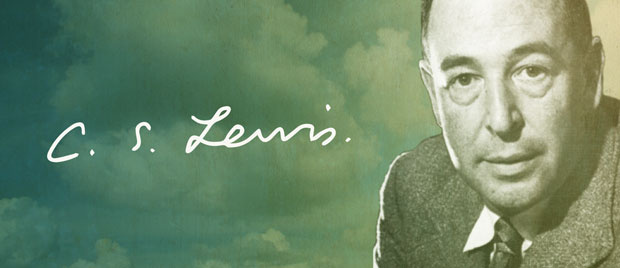
 deconstructions (one complex chapter is called “turning the tables”) and with wit and kindness but sometimes also hard words spoken well, help skeptics doubt their doubts. (Timothy Keller writes about this clearly in his important and useful Reason for God: Belief in an Age of Skepticism.) Guinness uses examples from Lewis, Schaeffer and Berger about doing just this — it is thoughtful, provocative, and finally practical. I love, for instance, his guidance about moving our discernment about the journey of our conversation partners from a meeting point to a pressure point to a danger point, where they are inevitably forced to wrestle with deep things about their deepest convictions and concerns, and realize the consequences of their ideas and beliefs, or lack thereof.
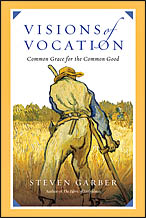 You may know how Steve Garber has ruminated on this, first in his significant Fabric of Faithfulness and again in the exceptional and profound Visions of Vocation; or how philosopher Esther Meeks has appropriated the work of Nobel Prize winning scientist Michael Polanyi in her Longing to Know: The Philosophy of Knowledge for Ordinary People or her Little Manuel of Knowing or her massive Loving to Know: Covenantal Epistemology. Guinness does not reference Garber or Meeks, but he might have.)
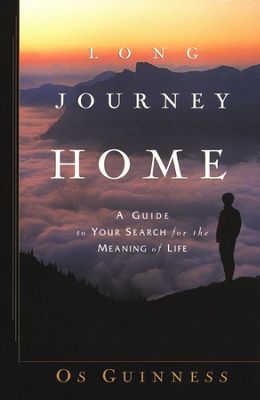 yet” to the invitation to understand that Meaning-giver as the God of the Bible, incarnate in Jesus the Christ. People may “fall on their knees or turn on their heels.” Like in his wonderfully rich book for seekers called The Long Journey Home: A Guide to Your Search for the Meaning of Life (WaterBrook; $18.99) Guinness helps us chart the journey of our conversation partners, helping them do some ruthlessly honest self appraisal, realizing that signals of transcendence may not immediately draw skeptics to faith. (That is why we need “spring loaded” dynamics, asking probing questions, and the tools of wit and irony and even the ploys of good drama to push and pull our friends to deeper questions and new plausibilities and finally new answers.)


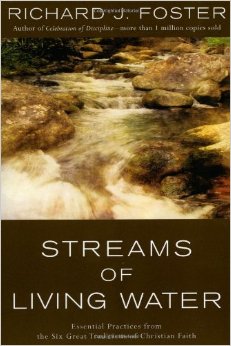 hotbeds of theological diversity, but more varied then most folks admit. To use Richard Foster’s helpful image, some of us have been refreshed by more than one “stream” or type of Christianity.
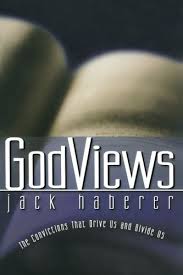 Some tensions within our churches come from what one might say are worldview differences. Jack Haberer years ago studied Presbyterian churches and learned that some members in the same congregation most valued creedal faithfulness, others vibrant worship, others still are glad if their church gives them opportunity for meaningful mission, etc. If you are a relational type and you have dear sisters and brothers, you may not mind a bad sermon. If you are deeply involved in rewarding volunteer work with youth, say, and see vibrant youngsters maturing in faith, you may not care if you like the music in worship or not. That is, what people most want in a church, what they think most counts, emerges from deep assumptions. It may be helpful to explore what we most think of when we think of good faith or a good church to discover why what agitates one person isn’t a big deal to another. That book was called GodViews: The Convictions That Drive Us and Divide Us (WJK; $20.00) and I think there is something to that.
 friendships lost and lamented in The Big Chill or who came of age watching Thirty-Something or even Parenthood, we long for deep relationships, lasting loyalties, and meaningful friendships. (Do you recall
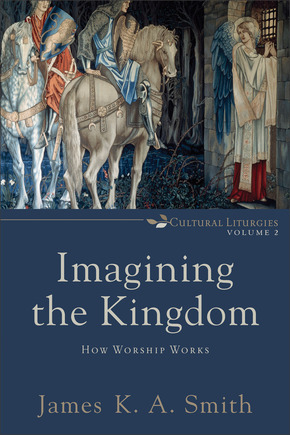
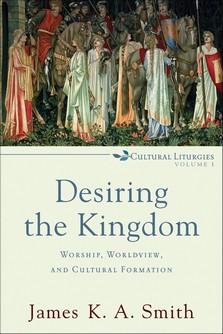 (For deeper explorations of this, by the way, how the rituals of Christian liturgy form us, please see James K.A. Smith’s Desiring the Kingdom: Worship, Worldview, and Cultural Formation and Imagining the Kingdom: How Worship Works (Baker; $22.99 each.) I can’t tell — although I’ve tried in these pages and elsewhere — how very important these serious works are.)
 Life Together Dietrich Bonhoeffer (HarperOne) $14.99 Bonhoeffer, you may know, wrote his PhD thesis on the nature of the church (perhaps inspired by an epiphany he had about the profound nature of ecclesiology while worshipping once on Palm Sunday in Rome.) His call to radical discipleship and loving service for the sake of the world is deeply interwoven with his views of the forming power of the local Christian church. This is, as the cover rightly proclaims, “The Classic Exploration of Christian Community.” Not many books have endorsing blurbs on the back by Richard Foster, Henri Nouwen, and The New York Times, so I hope you realize this is truly one of the great books of our time. Serious, brief, powerful. It’s a must-read that should be available in your church library and on your shelf.
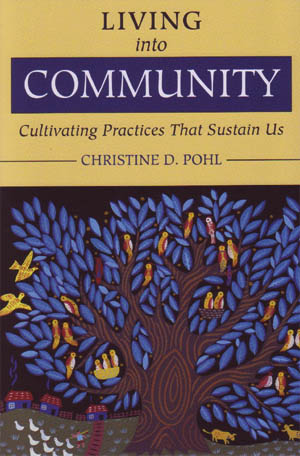 Living into Community: Cultivating Practices That Sustain Us Christian D. Pohl (Eerdmans) $20.00 A thoroughly captivating, fascinating, wise and important book for any educated reader. It is in many ways beautiful, naming and exploring four essential practices that sustain a sense of community, and the obstacles of living into them in these days. This is so good, there is really nothing quite like it in print, making it a must-have, must read book. In a way is a follow up to Pohl’s very important and equally wonderful work on hospitality, Making Room: Recovering Hospitality as a Christian Tradition (Eerdmans; $21.00) Yes!
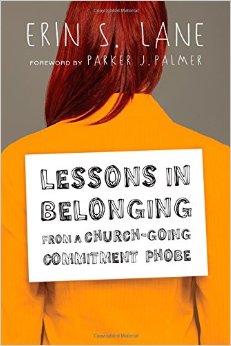 Lessons in Belonging: From a Church-Going Commitment Phobe Erin S. Lane (IVP) $16.00 I have raved about this book before, and think it should be high on the list of books you read about how the local church can be a place of deeper relationships and community. The author is a heck of a great writer — young, a bit snarky, not exactly as colorful as Anne Lamott, say, but equally as funny, she is energetic and wonderfully able to craft very creative, entertaining sentences. Her story — as a hip, young woman, married to a young pastor — follows her own ambivalence about commitment. She calls herself a “commitment phobe” and although that sounds like some generational stereotype, the concerns are real for many of us — introverts and skeptics and those who have been hurt or fear deeper friendships. This is a good, smart book about the ups and downs of belonging, even to a small, normal church, and I recommend it highly. There is a great foreword by her friend and mentor, Quaker writer Parker Palmer. Phyllis Tickle says “One of the clearest and certainly one of the most informing pictures I have seen to date of the generation of young adults who presently are shaping the twenty-first century church.”
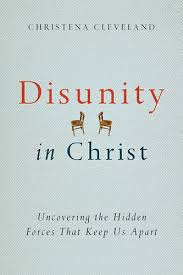 Disunity in Christ:Uncovering the Hidden Forces That Keep Us Apart Christena Cleveland (IVP) $16.00 I’ve given enthusiastic shout-outs about this before, in print, and at events, hoping that many will want to grapple with this great book. It is not the only book about the things that divide us such as race and class and gender, but it is perhaps the best. It is great because Ms Cleveland is Biblically-grounded, clear, and also because she is, interestingly, upbeat and even humorous. Heady, heavy, liberationist hermeneutics about class and gender may appeal to liberal academics, but most of us – whether we are in mainline churches or evangelical fellowships- need encouragement, challenge, inspiration, and useful guidance. Cleveland is an African American sociologist and teacher, and is well suited to help us navigate this provocative stuff, and she does it really well. She tells good stories, offers keen insight, pushes us a bit, and invites God to guide us into deeper unity and mature diversity. I love this author and her good book, and believe it will help us uncover hidden influences, allowing us to move in healthy directions, for God’s glory. Please, read this book! You’re sense of community can only be enhanced by exploring how even our conversational patterns can be off putting, and how learning some cross-cultural awareness can help. Cleveland is
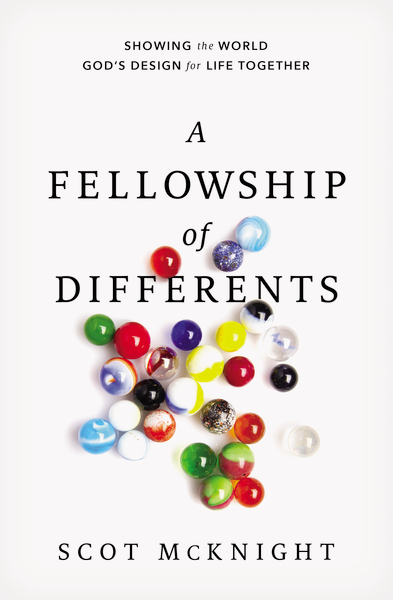 A Fellowship of Differents: Showing the World God’s Design for Life Together Scot McKnight (Zondervan) $19.99 Dr. McKnight is a major, evangelical, Bible scholar, one who has written detailed commentaries and academic work, as well has helpful books for on everything from fasting to praying the hours to the ethics of following Jesus to interpreting the Bible. We regularly promote his One.Life and (mostly positively) reviewed his important The Kingdom Conspiracy. Here he is doing what he sometimes does – offers mature and informed scholarship in chatty, upbeat, funny and sensible ways, making it informative and inspiring. I like McKnight a lot and really appreciate his insistence in this book that our local congregations should be more diverse, less homogeneous, more gracious, a place where we learn to live together, witnessing to the world about the peace that passes understanding. The title is a great one, eh? In a few chapters, McKnight gets at this as well as any other book, and speaks bold truth, even hard truth, in ways that seem natural and do-able. Thanks be to God for this good brother and his generous vision of a diverse church and his explaining how the glories of the reign of God must be known and shown in the local church, where people flourish and grace is experienced and diversity is event, even as a deeper unity is celebrated and broken relationships are healed. Yet, I must say, a few of these chapters – as good as they are – drift off into what I might call “basic Christian growth” offering (very) good insight for daily discipleship but seeming to be not terribly connected to the basic point of the book. I am not sure I agree with the blurb on the back by Derwin Gray (“This is the most important book you may ever read outside of the Bible”) but it does indicate that it is exceptionally useful. Christena Cleveland says “Anyone who desires unity with all of God’s people, not just the ones who are most like us, will be emboldened by this book.” Let’s hope!
 Building Up One Another Gene Getz (David C. Cook) $12.99 This little volume is a powerhouse of a paperback, a simple bit of Bible teaching by a fine evangelical leader (now consulting as the president of Center for Church Renewal.) This is a tremendous idea, each chapter a study of one of the many “one another” commands in the New Testament. He unpacks the meaning and offers simple suggestions for building up one another, serving one another, bearing with one another, even teaching on the seemingly mundane mandates like greeting one another. The study guide that is included is helpful, with some self-assessment questions, too. This will help us get beyond merely tolerating one another, but living into the truth of our being “members of one another.” Very practical, no-nonsense, practical.
 The Compelling Community: Where God’s Power Makes a Church Attractive Mark Dever & Jamie Dunlop (Crossway) $15.99 This new book is a very solid, conservatively evangelical study of how the gospel itself is what transforms a church. It contrasts the often frenzied efforts to “create” community and resists any pre-packaged plan or manipulation to develop deeper relationships with their sense that the preaching of the gospel, and a church being shaped by the historic marks of the church, will, with proper vision casting and gospel-centered teaching, become a body of those who truly love one another and reach out with hospitality and care to others. Dever and Dunlop are leaders at the thriving Capitol Hill Baptist and their church is nicely well known for their tight-knit community. They provide “an alternative to running your church on the building blocks of specialization and segmentation.” Designed mostly for church leaders — there are excellent pieces about structural matters in the congregations ethos or schedule that mitigate against the teaching of each chapter — this is a seriously Biblical call to authentic Christian community in the well-ordered, grace-based local congregation.
 The Good and Beautiful Community: Following the Spirit, Extending Grace, Demonstrating Love James Bryan Smith (IVP) $23.00 Oh, how I hope you know this trilogy of books – the Apprentice Series. Dallas Willard says of them that they are “The best practice I have seen in Christian spiritual formation.” The first was The Good and Beautiful God followed by The Good and Beautiful Life. This third one, with good Bible study, helpful and inspiring insights, and practical “Soul Training” exercises, is all about the local church, the community in which we find ourselves, those to whom we belong and are bound together for spiritual formation and whole-life discipleship. Can we live out Galatians 5:6 – faith expressing itself through love? Can we create local faith communities that could honestly be called “good and beautiful”? One doesn’t have to read these books in order (although it may help.) Lovely, good, true.
 Lean on Me: Finding Intentional, Vulnerable, and Consistent Community Anne Marie Miller (Thomas Nelson) $15.99 I hope you know Miller, who wrote a the profoundly moving Permission to Speak Freely which is also about being vulnerable, real, gut-wrenchingly accepting within the local church. Here she tells her own story – itself worth reading – and draws helpful principles for renewal, committed, healing relationships. Upbeat, conversational, very interesting for those who appreciate such an honest, passionate voice. This is a great read and would make a nice choice for a book club.
 Community in the Inventive Age Doug Pagitt (Abingdon) $16.99 I love the way this book does some clear-headed, basic, cultural assessment – showing how things have shifted from the Agrarian Age, the Industrial Age, the Information Age and what kinds of churches tended to emerge in those social settings – helping us understand some of the contours of our own “inventive” era. He may or may not be fully right about this age of transition and how that means we must rethink leadership patterns and faith formation within the local congregation, but I assure you it is interesting and important material. Some serious sociologists might take exception to his quickly summarized categories and some serious theologians will think he’s a bit light-weight on stuff that matters most, but for a quick read to stir the pot, it is a very, very helpful manifesto. If you like Len Sweet’s early work, Phyllis Tickle’s cultural analysis, if you’ve followed the Emergent conversations, you will appreciate this insight gleaned from Pagitt’s own Solomon’s Porch, a wholistic missional community in Minneapolis. See also his Evangelism in the Inventive Age and Preaching in the Inventive Age. Very candid and creative about new ways to do church, based less on “bounded sets” but relationships.
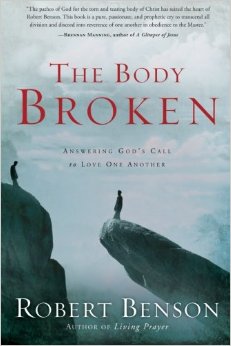
 A Good Neighbor: Benedict’s Guide to Community Robert Benson (Paraclete) $14.99 I raved about Robert Benson as a writer and inspired, down-to-Earth spiritual guide in the last BookNotes post, telling about his poignant book lamenting our denominational disunity, The Body Broken. Here, he offers a too brief, splendidly written, truly lovely meditation on meaningful connections — in your small group, in your neighborhood, amongst your friends, and of course in your own local congregation, drawing on the ancient Rule of St Benedict of Nursia. Most of us, he explains, are involved with many people, mostly all day long, but still feel disconnected, even lonely. As it says on the back A Good Neighbor “takes an intimate look at how others are defining, discovering, nurturing, and sustaining life and love right where you are. Facing the confusing contradictions of modern life head on, Benson shows what it means to live in our neighborhoods, work at our jobs, be family, and be friends, in ways that builds places of relationships, love, and mutual support.” I adore this gentle guide to Benedictine views of promises and belonging and service to and with one another; what is interesting, and what sets this book apart somewhat from most others on this list, is that, in Benson’s hands, this monastic vision drawn from the Rule is applied to ordinary life for ordinary folk, less about forming “a” community (at church, in a small group, in an intentional community household) but more about being open to deep friendships and a sense of belonging to one another in various spheres of life and in various locations. He talks about how people are “given” to us — those who routinely cross our paths or are in some sort of relationship, gently giving a holy obligation to see each as a gift. What a lovely, lovely, book!
 Life Together in Christ: Experiencing Transformation in Community Ruth Haley Barton (IVP) $18.00 While this book is initially, mostly, about spiritual formation – learning to practice the classic disciplines, creating “sacred rhythms” in order to experience God’s gentle transformation as we encounter the centering Spirit – it insists that this happens best when we are in community. In many ways, Ruth has been one of our best guides into the inner life, in her great books In Search of Silence and Solitude and Sacred Rhythms and Deepening the Soul of Your Leadership. However, here she brings these insights and invitations to a transformed life into the context of an intimate community, offering guidance for small groups who want to do this inner work together. My, my, this is sweet, challenging, vital material, fabulous for any small group wanting to experience God, opening themselves to spiritual transformation together.
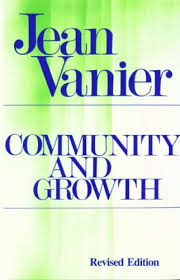 Community and Growth Jean Vanier (Paulist Press) $22.95 I do not know if most ordinary church folks will want to wade through this thick and important work, but you should know it, and realize it is perhaps the best thing written in our time about deepening serious, intentional community. You may know Jean Vanier as the gentle, French Canadian who started the L’Arche communities (that so attracted Henri Nouwen in the last years of his life) which forms community with persons with disabilities. Here, he draws on ancient monastic wisdom, psychological and spiritual insights, and invites us to give ourselves to one another in service and care. Anyone living in any sort of intentional community household must know this, and anyone longing for the deepest sort of communal experience will benefit. This is a masterpiece.
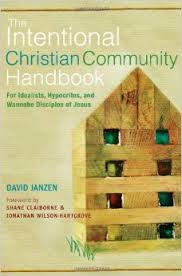 The Intentional Christian Community Handbook: For Idealists, Hypocrites, and Wannabe Disciples of Jesus David Janzen (Paraclete) $19.99 This is another book that simply has to be on this list — it is really the only and very best book of its kind — event though it has, admittedly, a pretty small market. This is a wonderful guidebook for those who want to live together in intentional community, doing house-holding together, maybe drawing on new monastic insights, forming relationships shaped by common rules and practices. The foreword is by Shane Claiborne and Jonathan Wilson-Hartgrove, which will give you a hint of its vision. Janzen (who graduated from Bethel College and studied at Harvard Divinity School) has been part of significant intentional communities such as New Creation Fellowship and Reba Place Fellowship. Whether you are interested in “living together in a world falling apart” or have any sort of housing ministry — maybe a discipleship house, a Fellows community, a camping staff that live together, or a house or cell church — this is going to be really useful. There are tons of good stories, interviews, wise guidance and substantive input about being in intentional community and deeper levels of body life.


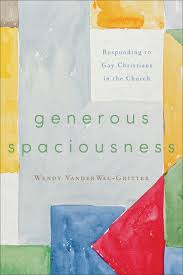 suggest — on this very topic of discussions about differences in theologies of inclusiveness in the church of GLTB believers — the book I have mentioned before as the best I can recommend for deeper, more faithful, more generous conversations, called Generous Spaciousness: Responding to Gay Christians in the Church by Wendy Vander Wal-Gritter (Brazos Press; $16.99.) You can see

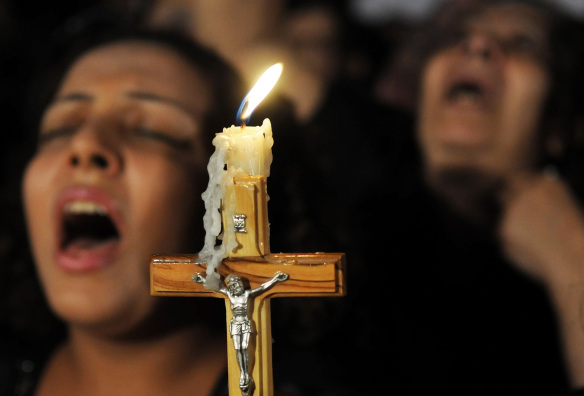
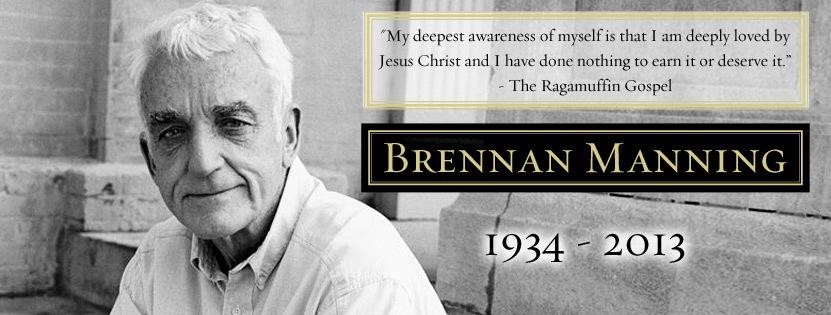
 realizing they were praying through the same book that same evening, watching as Henri hands Robert his plate of spaghetti, runs to his room to gather up the book in question, and read from it out loud. There is a story that is almost too amazing to believe – one about his friend Father Ed and a story of an old Irish priest – and there is a tender part with Robert telling about the suicide of his brother, and their relationship, strained and healed. The telling about an annual Nashville Christmas party is sublime, although some will be offended, I suppose. The evangelical guys who read the Mars Hill Review driving hours to Tennessee just to check in on him (and his initial misunderstanding the reason for their visit) is priceless.
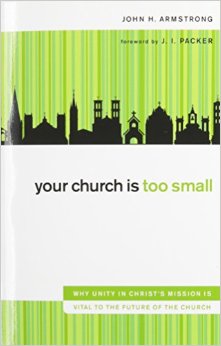
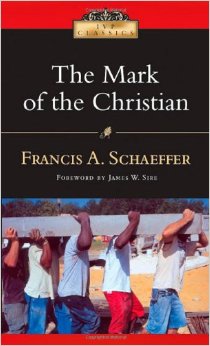 ecclesiastical moves continue to strain the worldwide communion of the Anglicans, and other denominations, his stance is a brave and principled one, and I am glad that Packer so inspired Armstrong to take up this current work. And I am glad they both frame the loving exhibition of friendships of church folks as Francis Schaeffer once did in his must-read little volume The Mark of the Christian (IVP: $6.00) in terms of the mission of the church. Our love for one another is, as Schaeffer reminds us, the “final apologetic.”

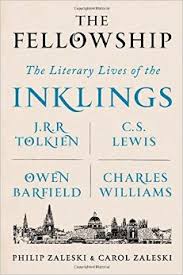
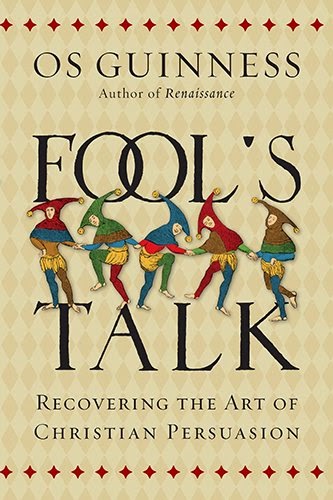

 Road) and that he brings in to New York speakers such as N.T. Wright or co-authors books about the work world with business leaders such as Katherine Leary Alsdorf (Every Good Endeavor: Connecting Your Work to God’s Work) or has tackled the philosophical and pastoral questions about evil in Walking with God Through Pain and Suffering shows that he is a writer who is interested in real-world faith and whole-life discipleship. His big book about doing culturally-engaged church ministry is very good
 Timothy
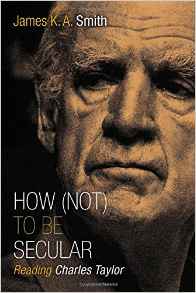
 Clowney. (Dr. Clowney’s The Unfolding Mystery: Discovering Christ in the Old Testament (P&R; $12.99) is still a standard text in this movement.) Regardless of genre, Keller explains, one must see how each part of the Bible points toward Christ in particular ways. Also, through “every theme of the Bible” and in “every major image of the Bible.” On and on, this succinct chapter shows how this works and is itself worth the price of the book for anyone who reads the Bible, and certainly for anyone who teaches the Bible. There is some push back these days against this Christological hermeneutic, I realize, but, agree fully or not, this is sweet and fruitful stuff, I believe, and advice that most preachers, Sunday school teachers, youth leaders, camp counselors, campus ministers and Christian counselors of all sorts need to regularly recall. It is, after all, the method Jesus used to set on fire the hearts of those walking with him in the lovely passage about walking on the road to Emmaus.
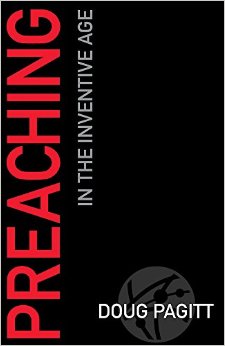 (I’ve just recently re-read Doug Pagitt’s creative book on dialogical “sermons” called Preaching in the Inventive Age which offers a very different take then Keller, but is quite stimulating, audacious as it is. Keller understandably is critical of it and its predecessors such as The Roundtable Pulpit and the work of Lucy Rose.)There are many different perspectives and angles and trends, curious things to ponder and clever new approaches to consider and I learn and am forced to think as I read from various viewpoints. I read old school stuff, lots of mainline/liberal textbooks, and try to dip in to dense tomes of communication theory, not to mention compilations of sermons, from Barbara Brown Taylor’s several collections, to, for instance, Brian Walsh’s powerful, must-read St. John Before Breakfast which are sermons (and liturgies) offered at the University of Toronto’s campus ministry morning Eucharistic service called “Wine Before Breakfast.”
 Of course, Walt Brueggemann has several collections of sermons, and several books about preaching — Finally Comes the Poet: Daring Speech for Proclamation may be his most popular — and they are well worth reading. We stock some interesting, practical ones such as Alyce McKenzie’s Novel Preaching: Tips from Top Writers on Crafting Creative Sermons. I really enjoy reading these kinds of resources — even though I most create talks and essays and the lessons for a small Sunday school class I sometimes teach.



 book on social change, Possible: A Blueprint for Changing How We Change the World (Multnomah; $22.99) was also a big part of the night.
 Inhabiting the Cruciform God is the second in the trilogy, and I am afraid that the allusive cove art and the theological lingo in the subtitle might turn some people off. But it shouldn’t! Again, Gorman is on to something big, here, and it makes sense. If, as he argued in the earlier book, the cross is the heart of the gospel and shaped Paul’s own sense of spirituality and mission, then – get this – it must not just be Paul’s understanding of the way of Jesus but it is the very heart of God. With a proper Trinitarian view of Christ (He is God, as the early creeds insist) then what we know from Jesus is a revelation of God’s own self. And so, if Jesus comes to give His life as a ransom for many, if he comes not to judge the world but to save it, if He is the grand lover, healer, restorer, crucified Lamb, redeeming King, then that must also be the attributes of God the Father and God the Spirit and constitutive of their holy way and work. The subtitle of Inhabiting the Cruciform God is dense, but even those of us not trained in theology can figure it out: Kenosis, Justification, and Theosis in Paul’s Narrative Soteriology. (Somebody joked at the EI forum that Tom Wright, known for long and thick books, “needs an editor.” Ahem. What were they thinking up at Eerdmans when they cooked up this subtitle?)
 Becoming the Gospel: Paul, Participation and Mission is not only a great book on Paul, not only a creative and fruitful approach to understanding Paul’s themes of spirituality, salvation, discipleship, living in the Kingdom, and a fine capstone to his logical progression about cruciformity and participation in God, but it is a major contribution to what we might call the missional conversation. This book, even more than the others, has Pauline zeal, a passion to reach the nations, a hope for social transformation via a renewed and Christ-like church. Not unlike Gorman’s friend Tom Wright, this is scholarship in service to the church, offered with a desire to see God’s people be shaped by the things of God, the very gospel.
 Reading well and understanding and applying (any book, including Holy Scriptures) always happens from within a certain set of presuppositions, with assumptions, values, attitudes; this implicitly draws out what is seen and what isn’t, what is considered important and what isn’t, what is underscored and what is minimized, how we understand and make sense of the
 words and sentences on the page, and – if one has a sensible hermeneutic – the way things fit together, the context of the text. But these “rules of the game” are themselves contested. Everybody reads and interprets by some rules or working assumptions, and there are certain philosophical and theological presuppositions that are taken for granted, usually, that are operative and shape how we interpret. Nobody is objective, obviously, and everybody has a lens through which they make meaning of things, and they interpret, then, consciously or not, shaped by those habits of heart and believes and practices that color and shape us.

 Pastor
 Paul: Apostle of the Crucified Lord: A Theological Introduction to Paul and His Letters (Eerdmans) $44.00 Massive, comprehensive, important, useful as a major study. It’s view is moderate, ecumenical, engaged with the current literature, but in a way, classic. Jeffrey Siker of Loyola Marymount says succinctly, “This is the best textbook on Paul I have found.” Professor Siker notes that Gorman’s ability to explain the backstory of each place to whom Paul was writing is very helpful, which is very important.
 Reading Paul (Cascade Books) $22.00 This is a small handbook, a lovely, useful introduction. Professor Richard Hays says it is a “splendid introduction to the Apostle Paul is the best book of its kind: concise, wise, insightful, thoroughly conversant with the best recent scholarship, yet thoroughly clear and readable.”
 Reading Revelation Responsibly: Uncivil Worship and Witness: Following the Lamb into the New Creation (Cascade Books) $25.00 This is a major contribution, and you really should own it. On one hand it is very accessible, almost introductory (making it great for congregational use, for small group Bible studies and book clubs) but also bringing some hefty missional concerns to the fore, reminding us also of the politics of redemption and the hope that should infuse us now as we trust in the final reign of God. Get that subtitle, eh? Wow.
 The Death of the Messiah and the Birth of the New Covenant: A (Not So) New Model of the Atonement (Cascade Books) $33.00 This is a serious work, emerging originally from his prestigious Dunning Lectures at Saint Mary’s Seminary. This brings Gorman’s keen understanding of the missional impulse in Paul to bear on his reflections on the meaning of the cross, the subsequent ways of expressing the mysteries of the atonement. It strikes some as a ground-breaking work, and Gorman asks why there is no theory or model of the atonement called the “new covenant” model, since this understanding of the atonement is likely the earliest in the Christian tradition, going back to Jesus Himself. In ways that point towards his work on Paul, he ends this book making a case that in this re-disovery of the ancient model of covenant atonement we are invited to a “life of communal and individual participating in Jesus’ faithful, loving, peacemaking death.” There are amazing blurbs on the back, from Scot McKnight to Willard Swartley to Joel Green. Cherith Fee Nordling says the book “sounds the clarion call of the New Testament.” I like the endorsement from John E. Wright, of Point Loma University, who notes “Thanks to Michael Gorman for taking us beyond endless discussion of the ‘how’ of Christ’s atonement to its visible end. Christ’s atonement as manifest in the life of the church, for the sake of the world.”
 Elements of Biblical Exegesis (Revised and Expanded Edition) (Baker Academic) $21.99 This is a substantial handbook, a serious guide to how to read, interpret, and apply the Bible, passage by passage. Very thoughtfully done. Exegesis is another one of those fancy words, but it is an essential one, and knowing about it is helpful. Beverly Gaventa (Professor of New Testament Exegesis at Princeton Theological Seminary) says, cleverly and properly that “No one ever became an exegete by reading a book on exegesis. The gift of Michael Gorman’s book is that he knows that exegetes are born through practice, practice, practice, and more practice. And he invites his readers into just the practice they need, providing them with a rich array of helps along the way. Beginners and improvers alike will benefit…” If you are a Bible student, this book is hard to beat. If you teach the art of reading the Bible well to others, again, this book is hard to beat. It is a hand-on guide that breaks the task down into seven distinct elements., and suggests exercises to enhance your abilities within each. For what it is worth, he has his reasons to think that the ESV (and the old RSV upon which it is based) is useful, but not as impeccable as the promoters suggest. Fascinating.
